










Boxing Day, celebrated on the 26th of December, is far more than a quiet day of leftovers and post-Christmas sales. Its story stretches back centuries, rooted in generosity, gratitude, and community spirit.
What began as a day for giving and sharing has gradually evolved into a celebration centred around food – from hearty buffets to leisurely family feasts.
Today, it stands as one of Britain’s most comforting traditions, marking the perfect bridge between festive indulgence and relaxed togetherness.
This content is for general information only. Traditions, recipes, and availability of foods may vary by region and household. Always check current sources for historical accuracy or recipe details. Photos are for illustrative purposes only, and actual dishes may differ.
Where The Name 'Boxing Day' Actually Comes From
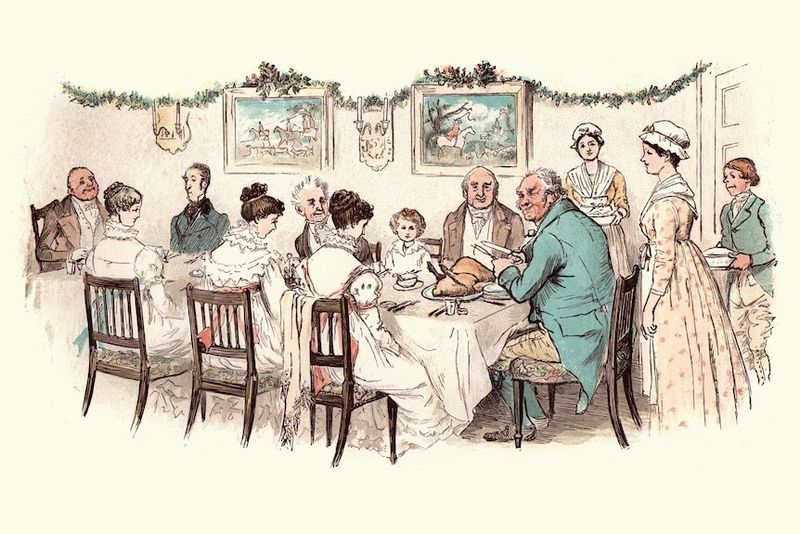
Ever wondered why we call it Boxing Day when there's not a single pair of gloves in sight? The name actually comes from the tradition of giving boxes filled with gifts, money, or leftover food to those in need. Churches would open their alms boxes the day after Christmas, distributing the contents to the poor.
Wealthy households also prepared boxes for their servants and tradespeople who had worked through Christmas Day. These weren't fancy presents wrapped in shiny paper, but practical items like food, cloth, and coins. The boxes symbolised gratitude and generosity, creating a bridge between social classes during the festive season.
The tradition spread throughout Britain and eventually became an official bank holiday in 1871, cementing its place in the British calendar forever.
How The Holiday Evolved From Acts Of Charity
Back in medieval times, the day after Christmas was known as St. Stephen's Day, honouring the first Christian martyr who was famous for his charitable works. Churches encouraged acts of kindness and generosity, making it a day dedicated to helping those less fortunate.
Wealthy landowners would open their doors to tenants and workers, sharing food and drink as a gesture of goodwill. This wasn't just about being nice – it was a social obligation that helped maintain community bonds during harsh winter months. The tradition reinforced the idea that Christmas wasn't just about personal celebration but also about looking after your neighbours.
As Britain industrialised, these charitable customs evolved but never disappeared entirely, shaping the Boxing Day we recognise today.
The Role Of Servants And Gift Boxes In Early Traditions
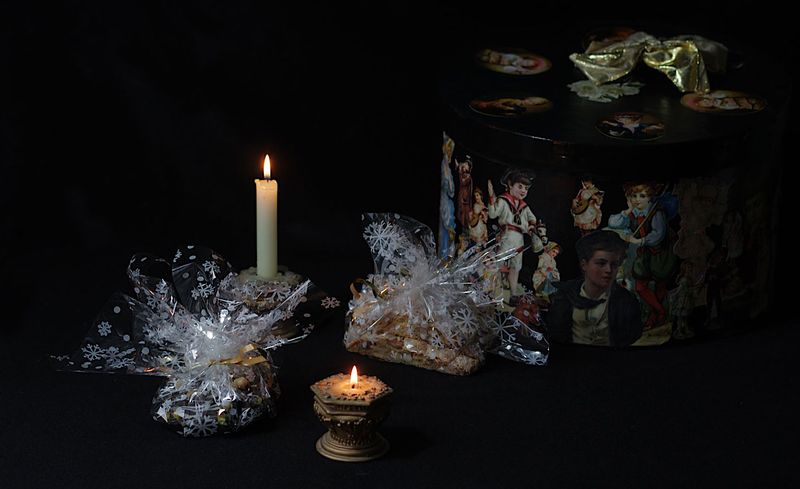
Christmas Day was all about the wealthy family enjoying their feast, but the servants? They were the ones making it happen, working flat out in the kitchens and serving rooms. Boxing Day became their day off, a chance to finally visit their own families and enjoy some rest.
Before they left, employers would present them with boxes containing leftover food from the Christmas feast, along with gifts, money, and sometimes old clothing. These boxes were genuinely appreciated – servants often came from poorer backgrounds, and the contents could feed their families for days. The food inside might include cold meats, cheese, bread, and puddings that would otherwise go to waste.
This tradition helped establish Boxing Day as a food-focused celebration from the very beginning.
Why Feasting Became A Key Part Of The Celebration
Christmas dinner was meant to be the main event, but let's be honest – cooking a massive feast leaves you with mountains of food. Rather than letting it spoil, families began turning Boxing Day into a second celebration, enjoying the fruits of their Christmas labour without the stress of fresh cooking.
The tradition of feasting on Boxing Day also gave households another reason to gather together, extending the festive spirit beyond just one day. For working-class families who finally had time off, it became an opportunity to relax and enjoy a proper meal without rushing back to work.
Churches and community halls often hosted Boxing Day meals for those who had nowhere else to go, reinforcing the charitable roots of the holiday whilst ensuring everyone had something decent to eat.
Leftovers, Cold Meats, And The Birth Of The Boxing Day Buffet
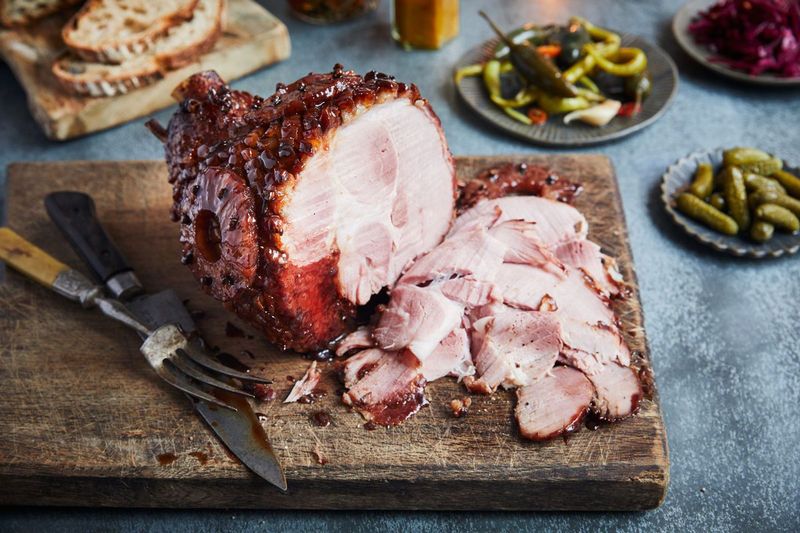
Nobody fancied slaving over a hot stove the day after Christmas, which is precisely how the Boxing Day buffet became a British institution. Cold turkey, ham, pork pie, pickles, and crusty bread became the stars of the show, requiring zero cooking and maximum enjoyment.
Bubble and squeak – that glorious fry-up of leftover vegetables and potatoes – emerged as a Boxing Day breakfast staple, transforming yesterday's sprouts into something genuinely tasty. The beauty of the Boxing Day spread is its flexibility: there are no rules, no courses, and definitely no washing up fancy china.
Supermarkets caught on decades ago, and now stock everything from pre-sliced meats to ready-made salads, making the Boxing Day buffet easier than ever whilst keeping the tradition alive.
Regional British Dishes That Defined The Holiday Table
Whilst turkey and ham dominate most tables, regional specialities add proper character to Boxing Day feasts across Britain. In Yorkshire, you might find a massive pork pie taking centre stage, whilst Scottish families often serve up Scotch broth made from the Christmas ham bone.
Wales brings its own flair with cawl, a hearty stew perfect for cold December days, and Welsh rarebit often appears as a Boxing Day tea treat. Down in Cornwall, leftover turkey gets transformed into proper pasties, giving the festive bird a regional makeover. Northern Ireland families frequently enjoy champ alongside their cold meats, adding creamy mashed potatoes with spring onions to the spread.
These regional touches prove that Boxing Day food traditions are wonderfully diverse across the UK.
How Modern Families Keep Boxing Day Food Traditions Alive
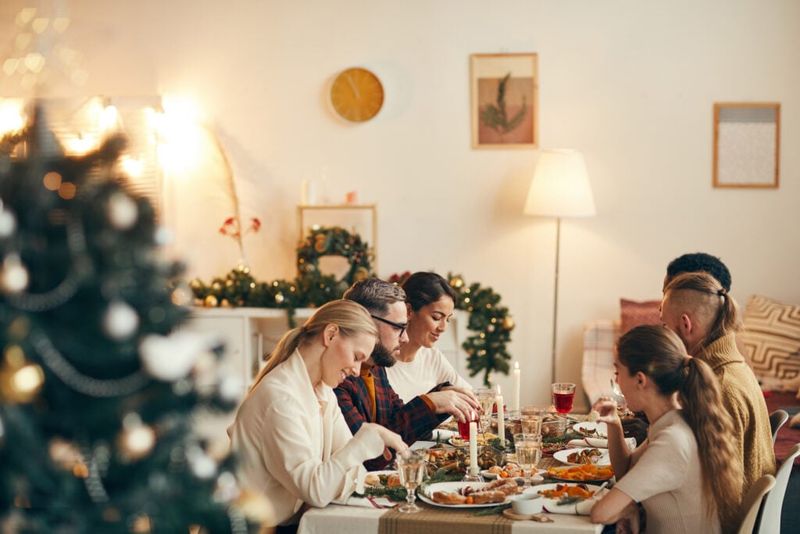
Today's families have adapted Boxing Day food traditions to fit modern life whilst keeping the spirit alive. The buffet-style spread remains popular, though now it might include M&S party food alongside Granny's homemade sausage rolls.
Many households have established their own quirky traditions – some families always have a curry on Boxing Day, using up turkey in a completely different way. Others make it a sandwich competition, seeing who can build the most outrageous creation from the leftovers. The key is gathering together without the pressure of a formal meal.
Social media has sparked renewed interest in traditional Boxing Day recipes, with younger generations sharing bubble and squeak photos and hunting down proper pork pies, proving these food traditions aren't going anywhere soon.