Chocolate cake isn't just a dessert - it's practically a universal love language.
From the elegant cafés of Vienna to the bustling bakeries of America, chocolate cakes have captured hearts and taste buds across generations.
These legendary confections have fascinating stories behind them, each with unique ingredients and techniques that make them stand out in the sweet-toothed crowd.
1. Sachertorte

Born in 1832 when a 16-year-old apprentice chef stepped up during a kitchen crisis, this Viennese masterpiece was Franz Sacher's stroke of genius. The dense chocolate sponge with apricot jam and dark chocolate glaze sparked a legendary legal battle between Hotel Sacher and Demel Bakery.
Both claimed to have the original recipe, sparking a seven-year rivalry that became a legendary part of local dessert history.
2. Black Forest Cake

Contrary to popular belief, this German stunner isn't named after the Black Forest region, but after the cherry brandy (Schwarzwälder Kirschwasser) that gives it its distinctive kick. Layers of chocolate sponge, whipped cream, and sour cherries create a perfect balance of flavours.
Traditional bakers insist proper Black Forest cake should make you feel a bit tipsy from the generous splash of kirsch!
3. Devil's Food Cake

First appearing in American cookbooks around 1902, this cake earned its naughty name by being so sinfully rich it must be 'the devil's work.' The secret to its extraordinary moistness? Adding hot water or coffee to the batter, which enhances the chocolate flavour while creating an irresistibly tender crumb.
Victorian-era bakers called it the 'sinful alternative' to the virtuous white Angel Food Cake.
4. German Chocolate Cake

Plot twist! This cake isn't German at all - it's thoroughly American, named after Sam German who created Baker's German's Sweet Chocolate in 1852. The cake only became famous when a Texas homemaker published her recipe in a Dallas newspaper in 1957.
The distinctive coconut-pecan frosting sent America into a baking frenzy, with sales of German's chocolate soaring 73% in just one year!
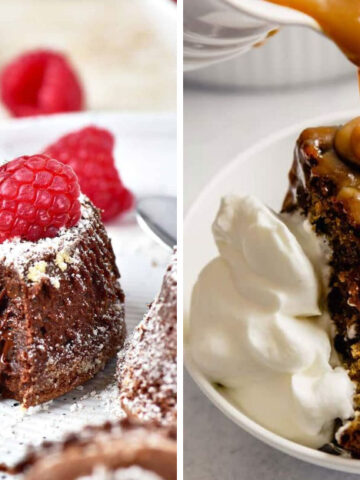
5. Chocolate Lava Cake

Culinary legend has it that chef Jean-Georges Vongerichten accidentally created this molten miracle in 1987 when he pulled a chocolate sponge from the oven too early. Rather than disaster, he discovered dessert perfection - crisp exterior with a gloriously gooey centre.
French pastry chefs argue it was actually invented in France, calling it 'coulant au chocolat.' The delicious debate continues while diners happily devour both versions!
6. Chocolate Fudge Cake

The trusty wingman of British birthday celebrations since the 1930s, chocolate fudge cake evolved from American brownie recipes brought over during WWII. When rationing made butter scarce, clever bakers substituted vegetable oil, accidentally creating an even moister, denser texture.
M&S sparked a nationwide obsession in the 1990s with their Colin the Caterpillar cake - essentially a chocolate fudge swiss roll that's now a cultural icon!
7. Opera Cake

Resembling a musical score with its precise rectangular layers, this Parisian beauty was allegedly created at the famous Dalloyau patisserie in 1955. Each meticulously constructed slice contains almond sponge soaked in coffee syrup, coffee buttercream, and chocolate ganache.
The cake must be assembled in a specific order and chilled between layers - a process so exacting that pastry students often face it as their final exam!
8. Chocolate Truffle Cake

Inspired by the luxury chocolate confections named after the rare forest fungi, truffle cake emerged in upscale patisseries during the 1980s chocolate renaissance. Unlike its cakey cousins, this indulgence relies on minimal flour - sometimes none - creating a texture somewhere between mousse and fudge.
Professional pastry chefs judge its quality by how it melts - the perfect truffle cake should dissolve at body temperature, just like a proper chocolate truffle!
9. Flourless Chocolate Cake

Rising to fame in the 1980s when gluten-free wasn't yet trendy, this dense marvel relies on chocolate's natural setting properties instead of flour. Originating in Italian Jewish communities for Passover celebrations when flour was forbidden, it crossed into mainstream cuisine through gourmet restaurants.
Chefs discovered that removing flour actually intensifies chocolate flavour - a delicious case of less truly being more!
10. Chocolate Mousse Cake

French culinary genius transformed simple chocolate foam (the literal meaning of 'mousse') into sophisticated dessert art during the early 20th century. The modern mousse cake combines airy chocolate mousse with various bases - from sponge to biscuit - creating textural heaven.
The secret to its cloudlike texture? Perfectly beaten egg whites that must achieve 'soft peaks' but never become grainy. One extra whisk stroke can be the difference between perfection and disaster!
11. Mississippi Mud Cake

Named for its crackly top resembling the dried banks of the mighty Mississippi River, this American classic was born in post-WWII kitchens when home bakers got creative with newly available chocolate. The signature marshmallow layer melts slightly into the warm cake, creating those distinctive muddy cracks.
Southern grandmothers insist it tastes best when slightly underbaked - proper mud cake should wobble just a bit in the middle!
12. Chocolate Éclair Cake

This clever no-bake wonder emerged from 1970s American potlucks, reimagining French patisserie for busy home cooks. Graham crackers layered with instant pudding magically transform into something resembling proper éclair pastry as they soften overnight in the fridge.
Despite horrifying French pastry chefs, this cheeky shortcut cake became a staple in community cookbooks across the Midwest, cherished for being 'fancy without the fuss.'