











Food allergies affect millions of people worldwide, causing immune system reactions that can range from mild discomfort to life-threatening responses. Understanding which foods commonly trigger allergic reactions helps people stay safe when grocery shopping or dining out. Let's explore the most common food allergies that affect both children and adults.
This article is for general informational purposes only and is not a substitute for professional medical advice, diagnosis, or treatment. Food allergies can vary widely in severity and symptoms. If you suspect you have a food allergy, always consult a qualified healthcare professional.
1. Cow's Milk

Dairy allergies typically appear in early childhood, with symptoms ranging from hives to digestive troubles. The protein casein is often the culprit, not the lactose sugar that causes intolerance.
Many children outgrow milk allergies by age five, but some carry this sensitivity into adulthood. Always check labels for hidden dairy ingredients like whey and casein.
2. Eggs

The proteins in egg whites typically trigger more allergic reactions than the yolks. Symptoms can appear within minutes or hours after consumption, causing skin rashes, stomach pain, or respiratory issues.
Eggs hide in surprising places – from pasta and baked goods to sauces and desserts. Children with egg allergies often develop tolerance as they grow older.
3. Peanuts

Unlike tree nuts, peanuts grow underground and belong to the legume family alongside beans and peas. Peanut allergies often cause severe reactions including anaphylaxis, which requires immediate medical attention.
This allergy typically develops in childhood and persists for life. Cross-contamination poses significant risks, making careful food label reading essential for those affected.
4. Tree Nuts
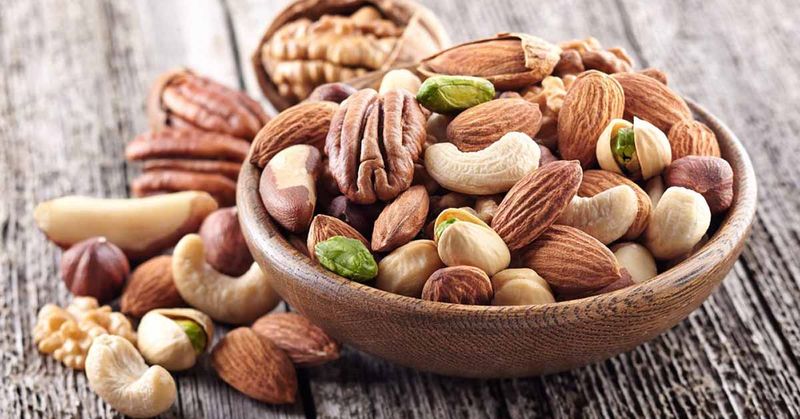
Almonds, walnuts, cashews, and pistachios can trigger serious allergic responses in sensitive individuals. Having an allergy to one tree nut increases the risk of being allergic to others.
Tree nut allergies rarely disappear with age. These nuts appear in unexpected products like cereals, sauces, and even some beauty products, making vigilance crucial for those with this allergy.
5. Soy

Derived from soybeans, this versatile protein appears in countless processed foods, making it challenging to avoid.
Soy allergies typically cause mild reactions like hives or stomach upset, though severe cases do occur. Fortunately, many children outgrow soy allergies by their tenth birthday.
6. Wheat

Not to be confused with coeliac disease, wheat allergy involves an immune reaction to proteins found in wheat. The body mistakes these proteins as harmful invaders, triggering symptoms from itchy eyes to breathing difficulties.
Wheat can also be found in less obvious foods such as sauces, soups, and processed snacks, which makes careful label checking important for those with this allergy.
7. Fish

Unlike many food allergies, fish sensitivity often develops in adulthood. Proteins in fish muscle cause immune system overreactions, with symptoms ranging from skin reactions to dangerous breathing problems.
Being allergic to one fish species doesn't guarantee reactions to all types. However, doctors typically advise avoiding all fish due to cross-contamination risks in processing and preparation.
8. Shellfish
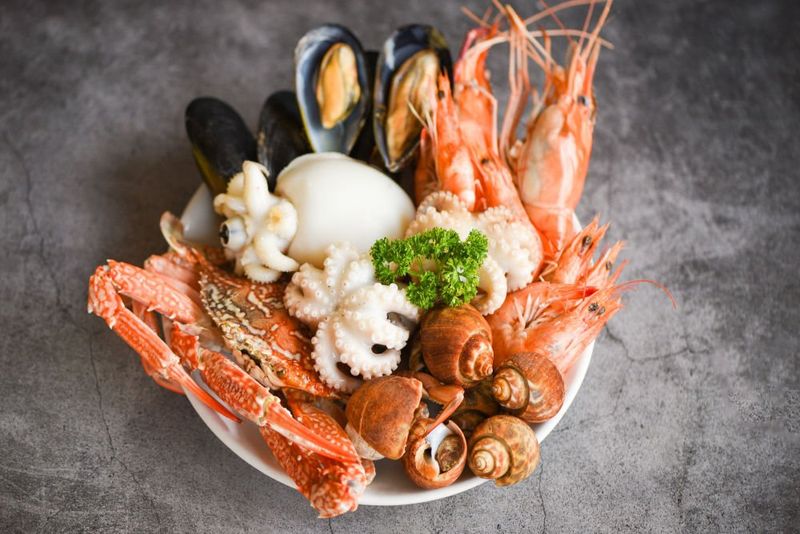
Shellfish allergies encompass reactions to crustaceans (like shrimp and crab) and mollusks (such as clams and scallops). The protein tropomyosin triggers most reactions, which can be particularly severe and life-threatening.
Once developed, shellfish allergies typically last a lifetime. Even vapors from cooking shellfish can trigger reactions in highly sensitive individuals, making restaurant dining especially challenging.