


Flying was once seen as an experience in itself, with in-flight meals that felt closer to restaurant dining than a quick bite on the go. Many airlines offered generous service, carefully prepared dishes, and a sense of occasion that modern travel rarely matches.
While those days have largely passed, the memories of elaborate menus and elegant presentation continue to capture the imagination of travellers.
This content is for general information only. Details about airline services and historical practices may vary over time. Photos are for illustrative purposes only.
1. When Air Travel Was A Restaurant In The Sky
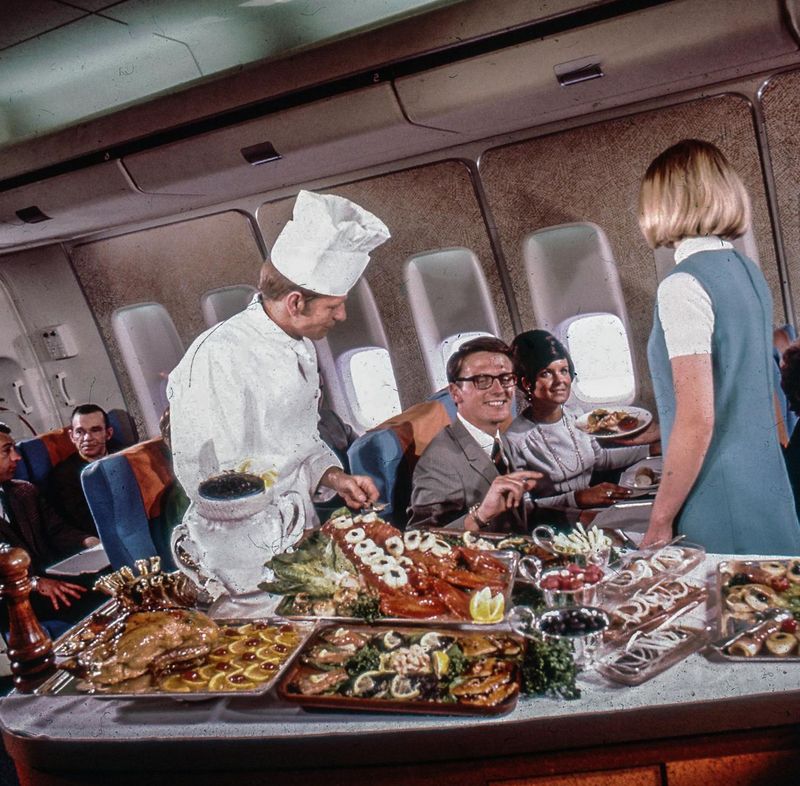
Back in the 1950s and 60s, boarding a plane felt more like stepping into an exclusive dining club than catching transport. Airlines like BOAC treated passengers to proper three-course meals with linen napkins, bone china plates, and silverware that would make your gran proud.
Menus featured lobster thermidor, chateaubriand, and even roast beef carved tableside by uniformed stewards.
Tickets cost a fortune, mind you, so airlines pulled out all the stops to justify the price. Flying was reserved for the well-off, and carriers made sure every moment felt luxurious and special.
2. The Airlines That Turned Meals Into Theatre
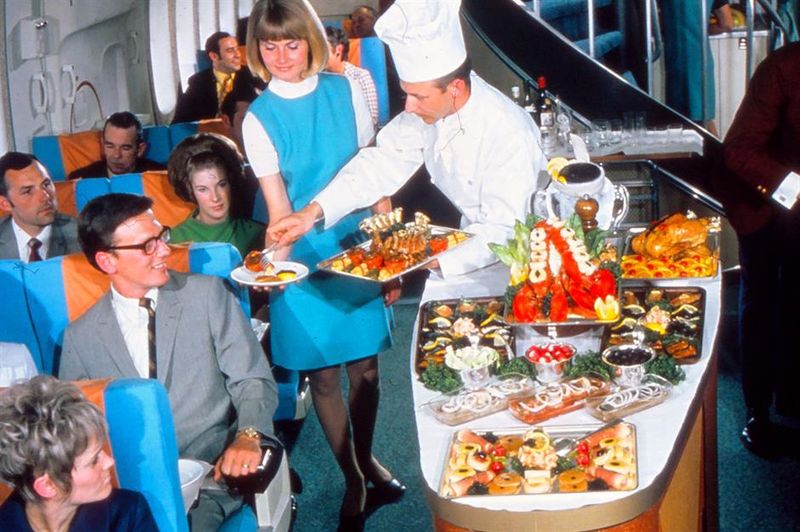
Some carriers took in-flight dining to theatrical levels that would put West End productions to shame. Pan Am famously offered flambé desserts prepared in the aisle, whilst Singapore Airlines introduced the 'Book the Cook' service, letting passengers pre-order restaurant-quality dishes.
British Airways' Concorde service was legendary, serving champagne and caviar before takeoff. Flight attendants trained like sommmeliers, and chefs designed menus months in advance. It wasn't just about eating; it was about creating memories that passengers would talk about for years after landing.
3. What Really Ended The Era Of Luxury Plane Food
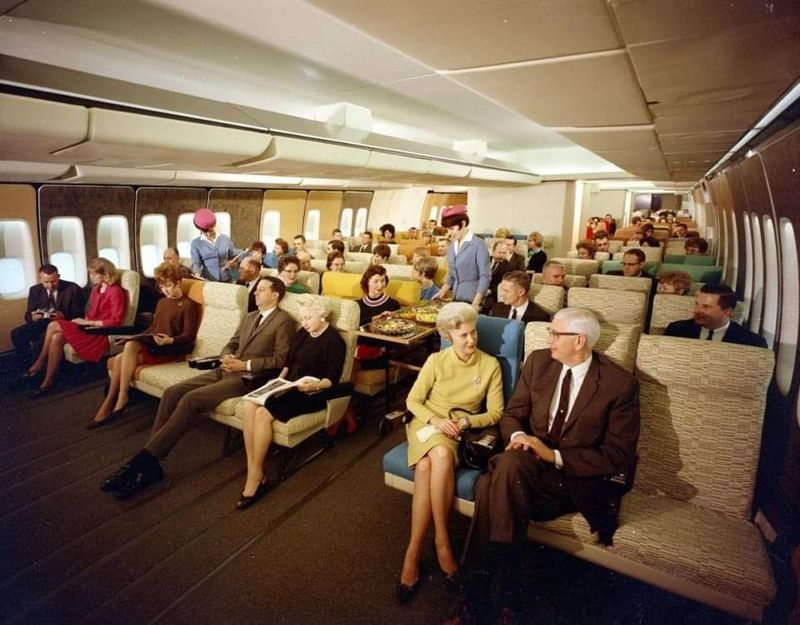
Deregulation in the late 1970s changed everything practically overnight. Suddenly, airlines competed on price rather than posh nosh, and budget carriers proved passengers would sacrifice fancy meals for cheaper tickets.
British Midland and others slashed catering budgets to stay competitive. What once cost airlines £30 per passenger dropped to a fiver or less. The oil crisis didn't help either, forcing carriers to cut costs wherever possible.
Flying became accessible to ordinary folk, but the trade-off was saying goodbye to those legendary lobster dinners at 30,000 feet.
4. How Safety Rules And Modern Jets Changed In-Flight Meals
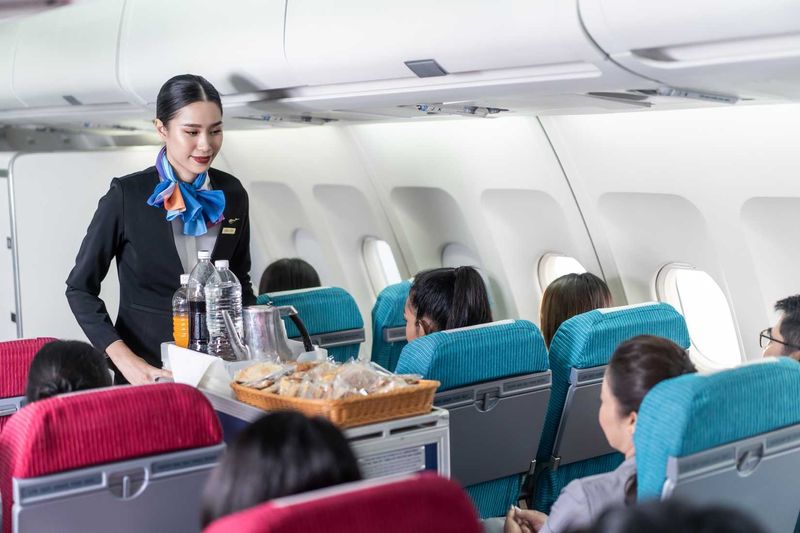
Modern aircraft design fundamentally altered what could be served aloft. Newer planes have smaller galleys with less space for proper cooking equipment, making elaborate meal prep nearly impossible.
Safety regulations now limit what can be done with open flames and hot equipment during turbulence. Everything must be pre-prepared on the ground, then reheated in convection ovens that barely reach proper temperatures.
Airlines also worry about allergies and dietary requirements more than ever, leading to blander, safer options. The result? Those microwaved pasta dishes we've all come to tolerate rather than enjoy.
5. The Carriers Still Trying To Keep Fine Dining Alive
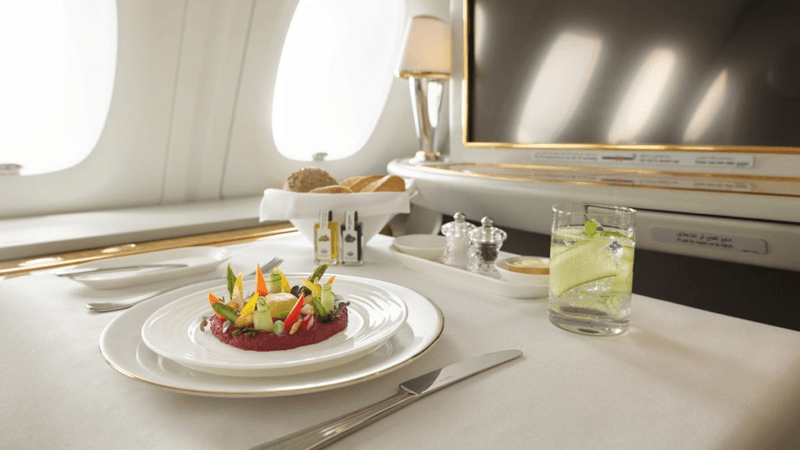
Not every airline has given up on proper grub at altitude. Emirates, Singapore Airlines, and Qatar Airways still offer multi-course tasting menus that rival Michelin-starred restaurants, especially in first and business class.
British Airways recently revamped its Club World menu, bringing back favourites like afternoon tea service with scones and clotted cream. These carriers employ celebrity chefs and spend considerably more per passenger on ingredients.
Granted, you'll pay through the nose for these tickets, but the experience proves that exceptional in-flight dining isn't completely dead yet.
6. Why Some Travellers Believe A New Food Era May Be Coming Back
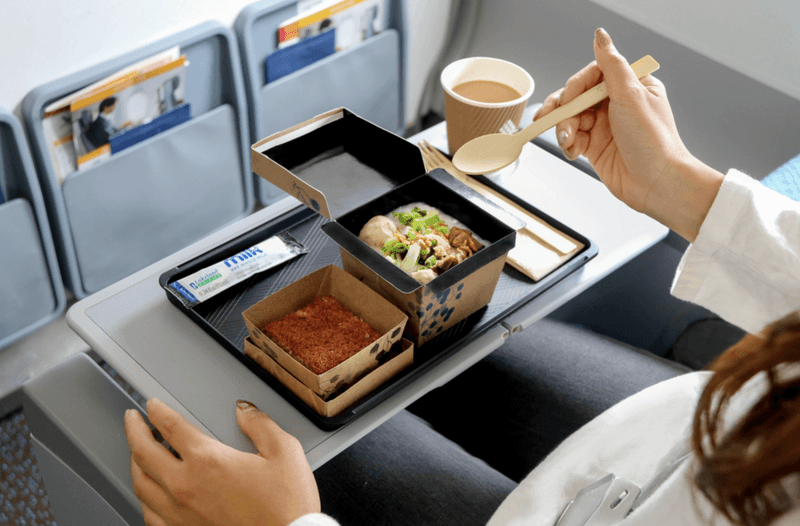
Interestingly, younger travellers are pushing airlines to up their food game once again. Social media has made in-flight meals a talking point, with passengers reviewing and comparing what different carriers serve.
Some airlines now partner with high street names like Pret or Marks & Spencer to offer recognisable quality. Pre-order systems let passengers choose meals days before flying, reducing waste whilst improving satisfaction.
Sustainability matters too; carriers experiment with locally sourced ingredients and reducing plastic. Whilst we might not see tableside beef carving return, the future could bring better, more thoughtful options than the sad sandwiches of recent decades.