











Healthy eating is not always as straightforward as labels and marketing suggest. Some foods genuinely provide valuable nutrients and fit easily into everyday meals, while others appear wholesome but may offer less benefit than expected once ingredients and processing are considered.
This does not mean certain foods need to be avoided entirely, but rather understood in context. Looking at both sides helps explain why some choices consistently support good nutrition, while others are better enjoyed occasionally.
All information is provided for general interest only and is not intended as medical or dietary advice. Individual nutritional needs vary, and guidance from a qualified healthcare or nutrition professional may be helpful.
Photos are for illustrative purposes only.
The Healthiest Foods In The World
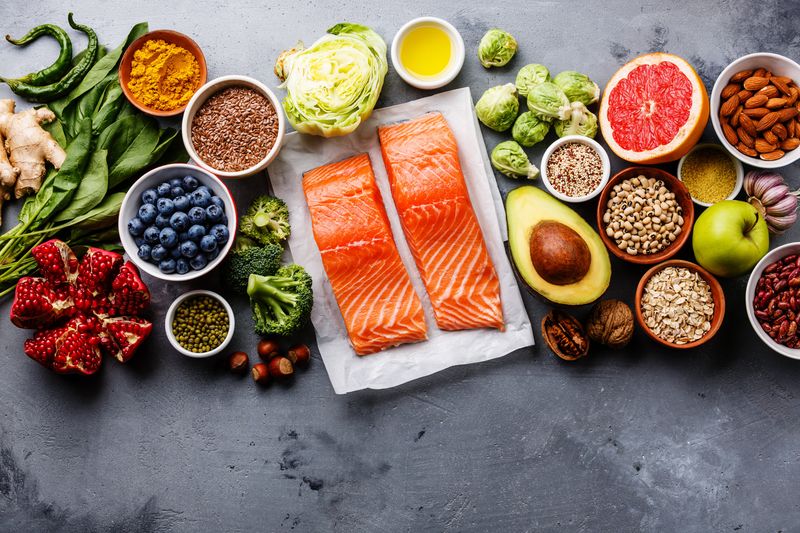
Some foods have truly earned their reputation for being nutritional powerhouses.
Packed with essential vitamins, minerals, and antioxidants, these ingredients help boost energy, strengthen immunity, and support long-term health.
Think vibrant greens, oily fish, nuts, and whole grains – all simple staples that prove healthy eating doesn’t need to be complicated or expensive.
Here’s a look at the world’s most nourishing foods that deserve a spot in your everyday diet.
1. Salmon
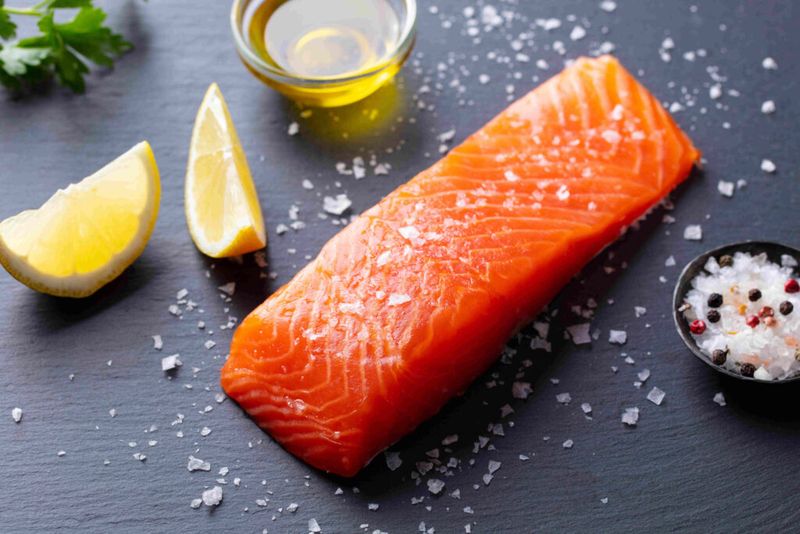
Rich in omega-3 fatty acids, this pink-fleshed fish is a proper powerhouse when it comes to heart health and brain function.
You'll find Scottish salmon in most UK supermarkets, and it's worth the investment.
According to nutritionists, eating salmon twice a week can help reduce inflammation and support mental wellbeing.
Whether you grill it, bake it, or pop it in a salad, you're getting quality protein and essential vitamins like B12 and D – nutrients many Brits are actually deficient in, especially during darker months.
2. Spinach
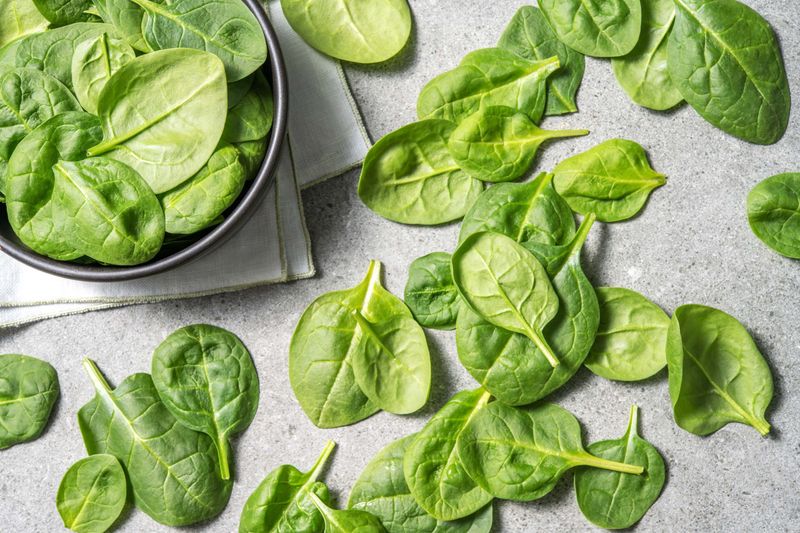
Popeye wasn't wrong about this leafy green, though it won't give you instant muscles.
Packed with iron, calcium, and vitamins A and K, spinach supports everything from bone health to immune function.
British supermarkets stock it year-round, both fresh and frozen, making it dead easy to toss into curries, pasta dishes, or morning smoothies.
One thing to note: cooking spinach actually helps your body absorb more of its iron and calcium, so don't feel guilty about wilting it down in a pan with a bit of garlic.
3. Blueberries
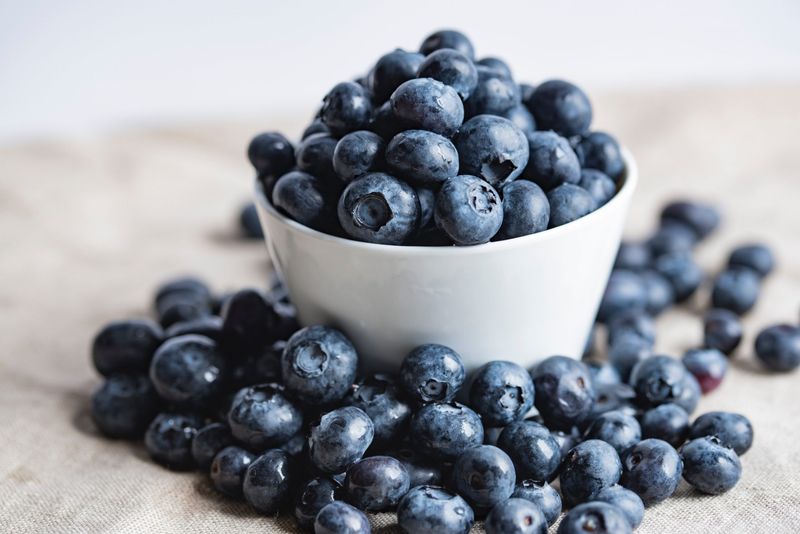
These tiny purple gems are absolute champions when it comes to antioxidants, which help protect your cells from damage.
British blueberries have a short season in summer, but you can grab frozen ones any time – they're just as nutritious.
Studies suggest blueberries may improve memory and support heart health, making them brilliant for all ages.
Chuck them into porridge, yoghurt, or bake them into muffins.
They're sweet enough to feel like a treat, yet they won't spike your blood sugar the way sweets do, thanks to their fibre content.
4. Lentils
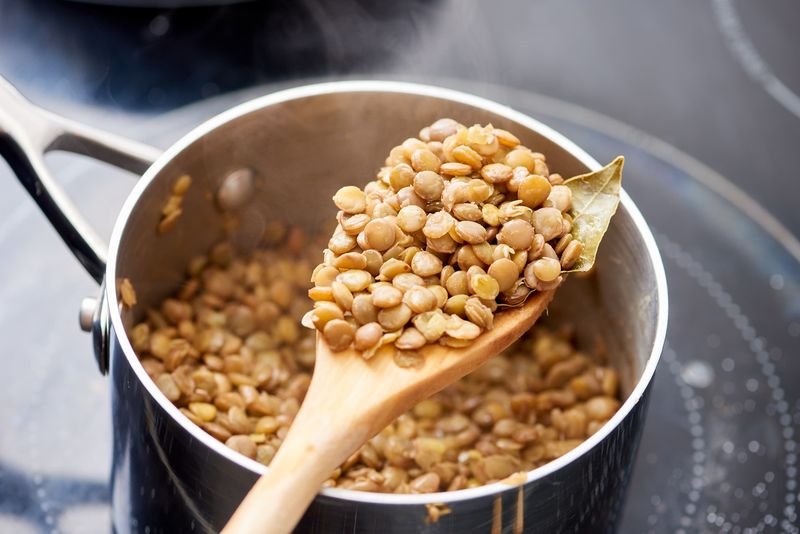
Cheap, cheerful, and ridiculously versatile, lentils are a staple in kitchens across Britain for good reason.
They're loaded with plant-based protein, fibre, and folate, making them brilliant for vegetarians and meat-eaters alike.
Red lentils break down beautifully in curries and soups, whilst green and brown varieties hold their shape in salads and stews.
Nutritionists love them because they're low on the glycaemic index, meaning they keep you fuller for longer without causing energy crashes.
Plus, they're dirt cheap – a bag costs less than a fancy coffee.
5. Avocados
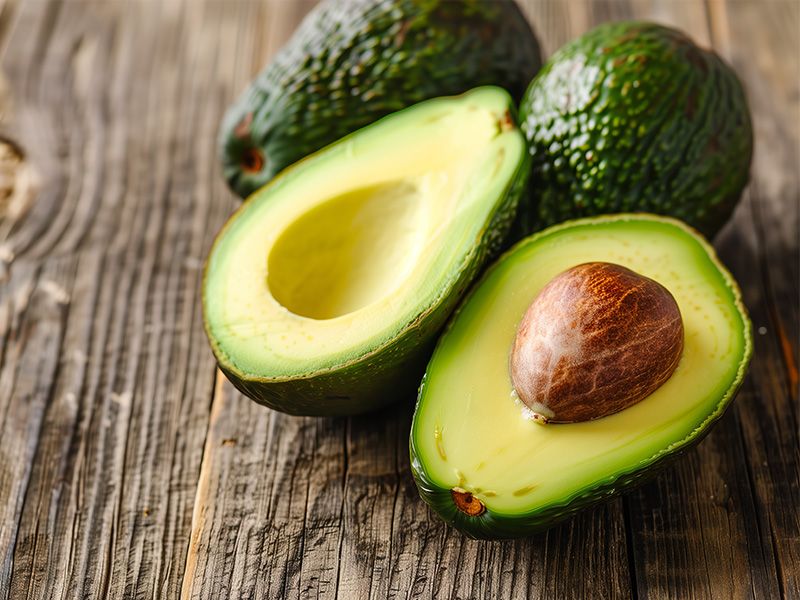
Creamy, satisfying, and packed with heart-healthy monounsaturated fats, avocados have earned their trendy reputation.
They're also rich in potassium – more than bananas, actually – which helps regulate blood pressure.
Whilst they're not grown in the UK, they're widely available and worth including in your diet.
Spread them on toast, blend them into smoothies, or mash them with lime and chilli for a quick guacamole.
The healthy fats help your body absorb vitamins from other foods, so pairing avocado with leafy greens is a smart move nutritionally.
6. Plain Yoghurt

Plain yoghurt is often considered a healthy choice because it contains protein, calcium, and naturally occurring probiotics.
When unsweetened, it can support a balanced diet without added sugars or flavourings.
The nutritional value can vary depending on whether it is full-fat, low-fat, or strained, but plain versions tend to be more straightforward than flavoured alternatives.
It is commonly used as a base for breakfast bowls, sauces, or cooking, making it a flexible option in everyday meals.
7. Oats
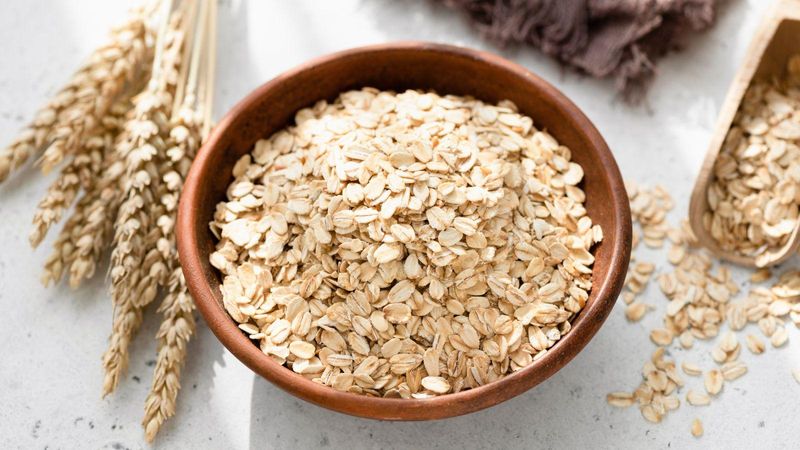
A proper British breakfast staple, oats are humble but mighty when it comes to nutrition.
They're packed with soluble fibre called beta-glucan, which helps lower cholesterol and keeps your digestive system happy.
Scottish oats are particularly beloved for their creamy texture when cooked into porridge.
Nutritionists recommend choosing plain oats over instant sachets, which often hide added sugar and salt.
Top yours with fruit, nuts, or a drizzle of honey for a filling breakfast that'll keep you going until lunch without the mid-morning slump you'd get from sugary cereals.
8. Eggs

Eggs are widely recognised for their nutritional value, offering high-quality protein along with vitamins such as B12 and D. They also contain healthy fats that help support satiety and muscle maintenance.
When prepared simply, such as boiled or lightly scrambled, eggs fit easily into balanced meals across the day. For most people, they remain a reliable and affordable source of nourishment.
The Foods That Only Seem Healthy

Not everything labelled “healthy” lives up to the hype.
Some supermarket favourites and trendy snacks hide extra sugar, salt, or additives behind wholesome-sounding packaging.
Others, like certain protein bars or smoothies, can quietly rival desserts in calories.
Before you load your trolley with so-called clean eats, here’s a rundown of the foods that might not be quite as good for you as they appear.
1. Store-Bought Salad Dressings

You've assembled a gorgeous salad with fresh greens, tomatoes, and cucumber, then drowned it in bottled dressing that's loaded with sugar, salt, and preservatives.
Many commercial dressings – especially the creamy or "light" varieties – contain sneaky ingredients that undermine your healthy intentions.
Even vinaigrettes can hide added sugars and thickeners.
A quick glance at the label often reveals a surprisingly long ingredient list for what should be simple oil and vinegar.
Nutritionists recommend making your own with olive oil, lemon juice, and herbs – it takes seconds and tastes infinitely better without the hidden nasties.
2. Granola
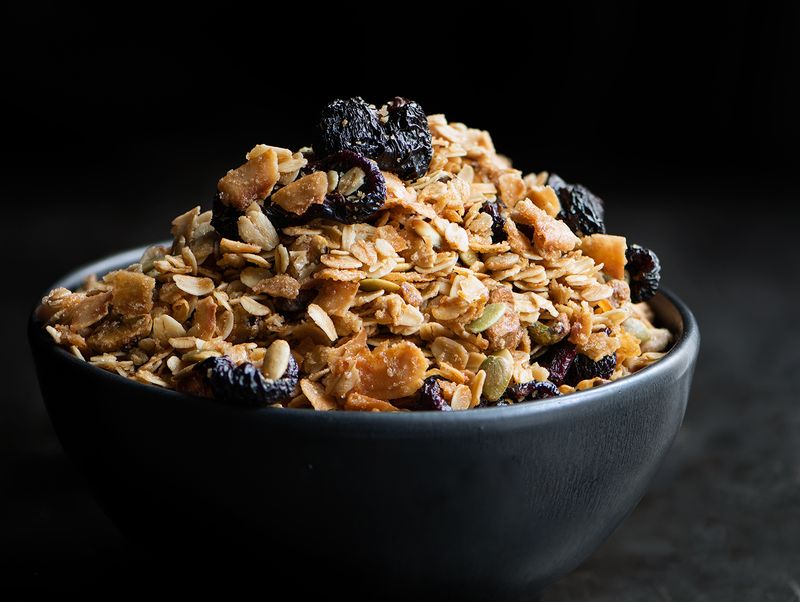
Walk down any supermarket cereal aisle and you'll spot granola marketed as a wholesome choice, but here's the truth: most commercial granolas are sugar bombs in disguise.
Many brands pack in more sugar per serving than a chocolate bar.
The oats, nuts, and seeds sound nutritious, but they're often bound together with honey, syrups, and oils that send the calorie count soaring.
Check the label before buying – anything over 10g of sugar per 100g is pushing it.
If you love the crunch, make your own at home where you control the sweetness, or use shop-bought granola sparingly as a topping rather than a bowlful.
3. Flavoured Yogurt

Those little pots of strawberry or vanilla yogurt seem like a sensible snack, but flip one over and you'll likely find it contains as much sugar as a doughnut.
Fruit-flavoured varieties are often the worst offenders, with added sugars masking the natural tartness of yogurt.
Even "low-fat" versions tend to compensate for flavour by loading up on sweeteners.
Nutritionists suggest buying plain natural yogurt or Greek yogurt instead, then adding your own fresh fruit or a small drizzle of honey.
You'll get all the protein and probiotics without the sugar overload that turns a healthy choice into a dessert.
4. Veggie Chips

Beetroot, parsnip, and sweet potato crisps sound virtuous compared to regular potato crisps, but don't be fooled – they're still deep-fried and salted.
The vegetables used are thinly sliced and cooked in oil, which strips away much of their original nutritional value.
Calorie-wise, veggie chips often match or exceed traditional crisps, and the salt content can be just as high.
If you're craving crunch, you're better off roasting your own veg at home with minimal oil, or choosing air-popped alternatives.
Veggie chips aren't terrible occasionally, but they're definitely not the health food the packaging suggests.
5. Smoothie Bowls Loaded With Added Sugar
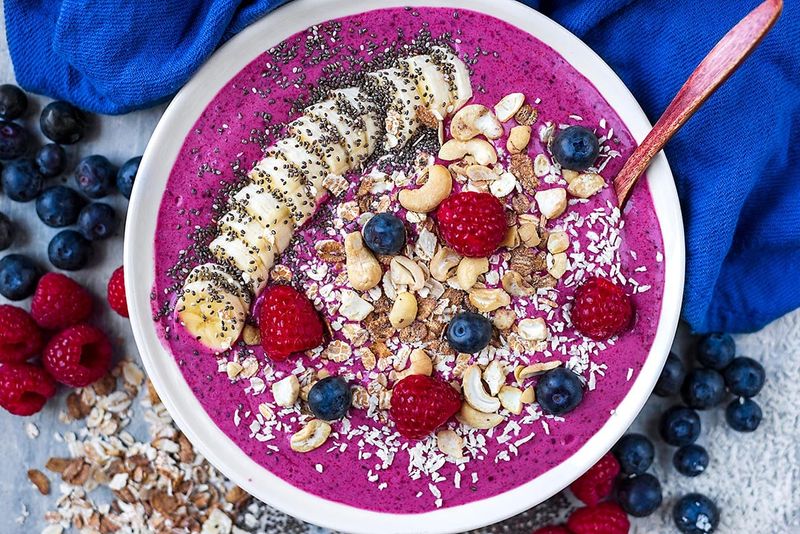
Instagram-worthy and trendy, smoothie bowls look like the ultimate health food with their vibrant colours and artistic toppings.
But many shop-bought or cafe versions are hiding alarming amounts of added sugar – sometimes from sweetened fruit purees, syrups, or even fruit juice concentrates.
Pile on granola, dried fruit, and honey, and you've got a bowl that rivals a dessert in sugar content.
Nutritionists warn that blending fruit removes the fibre that slows sugar absorption, causing blood sugar spikes.
Make your own at home using whole fruit, unsweetened yogurt, and minimal toppings to keep it genuinely nutritious.
6. Protein Bars

Marketed to gym-goers and busy professionals, protein bars promise convenience and nutrition in a handy wrapper.
The reality?
Many are glorified chocolate bars with a protein boost, packed with sugar alcohols, syrups, and artificial sweeteners that can cause digestive discomfort.
Some contain over 20g of sugar per bar, negating any fitness benefits.
Check the ingredients – if sugar or syrup appears in the first three, you're better off with a handful of nuts and a banana.
Protein bars aren't inherently bad, but choose carefully and treat them as an occasional convenience, not a daily health staple.
7. Fruit Juice

Fruit juice is widely associated with health because it comes from fruit, but it does not always offer the same benefits as eating whole fruit.
During juicing, much of the fibre is removed, which can lead to a quicker rise in blood sugar when consumed.
Some juices also contain added sugars or concentrates that reduce their nutritional value.
While small portions can contribute vitamins such as vitamin C, fruit juice is generally best enjoyed occasionally rather than relied on as a main source of fruit.
8. Flavoured Plant-Based Milks
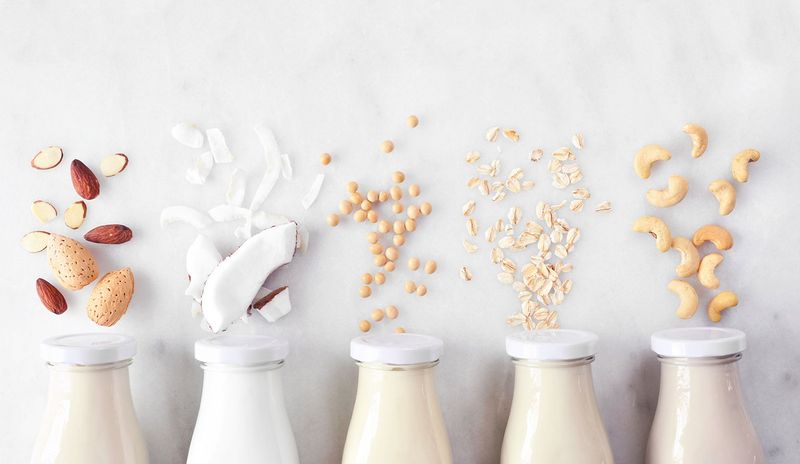
Plant-based milks are often chosen for perceived health benefits, but flavoured varieties can contain added sugars and oils that reduce their nutritional appeal. Some also offer limited protein compared to dairy milk, depending on the base ingredient.
Unsweetened versions tend to be a better choice for everyday use, especially when used frequently in drinks or cereals. Checking labels helps clarify which options align best with individual needs.