










Choosing the right cooking oil can make a massive difference to your health and waistline. Many people don't realise that all oils aren't created equal when it comes to calories and nutritional benefits.
Professional dietitians have identified specific oils that offer the best balance of low calories and impressive health benefits for everyday cooking.
This content is for general information only. Always consult a healthcare professional before making significant dietary changes. Photos are for illustrative purposes only and may not represent the exact oils discussed.
The Importance Of Choosing Low-Calorie Cooking Oils

Smart oil choices can dramatically impact your daily calorie intake without you even noticing. Most cooking oils contain roughly 120 calories per tablespoon, but some varieties offer better nutritional value for those calories.
Dietitians emphasise that quality matters more than quantity when selecting cooking fats. The right oils provide essential fatty acids your body needs whilst supporting heart health and weight management goals effectively.
The Best Oils For Heart Health And Weight Management
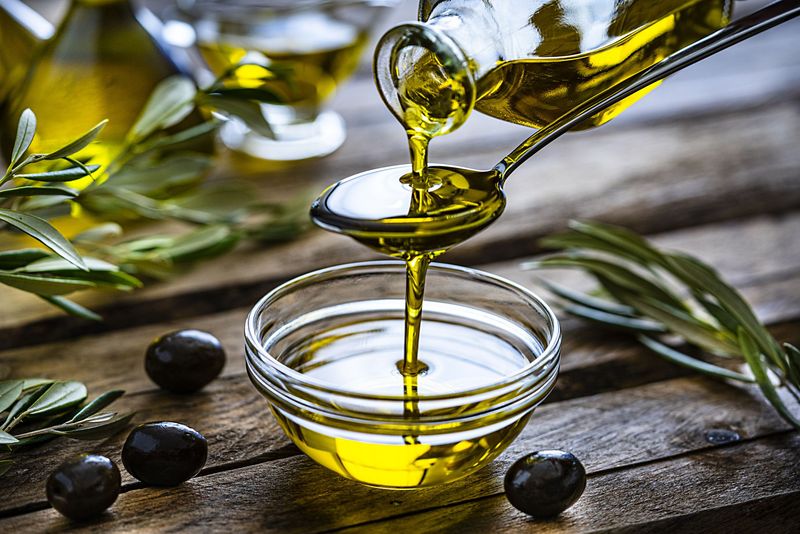
Olive oil stands out as the gold standard for heart-healthy cooking, containing powerful antioxidants and monounsaturated fats. Extra virgin varieties offer the most nutritional benefits with their unprocessed nature and rich flavour profile.
Avocado oil follows closely behind with its impressive smoke point and similar healthy fat composition. Both oils support cardiovascular health whilst providing sustained energy without causing blood sugar spikes or crashes.
How To Cook With Low-Calorie Oils Without Sacrificing Taste
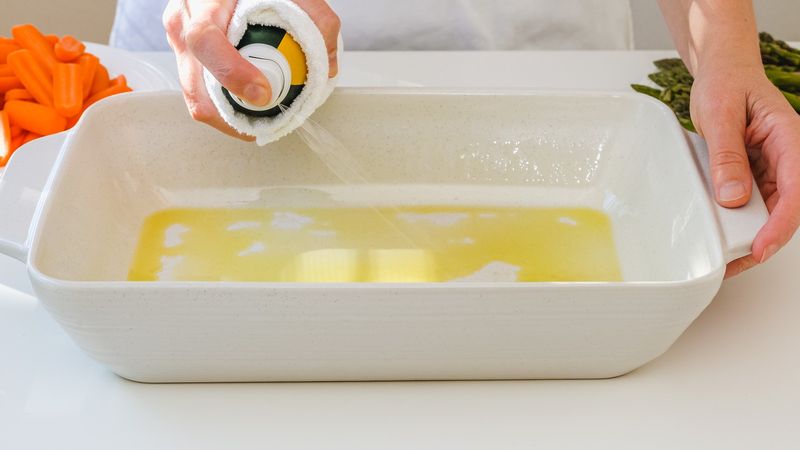
Cooking spray versions of popular oils can reduce calories by up to 90% compared to traditional pouring methods. A quick spray delivers flavour and prevents sticking without the excess calories that come from generous glugs.
Measuring your oil portions with proper spoons rather than eyeballing ensures consistent results. Professional chefs recommend heating the pan first, then adding measured oil for even distribution and maximum flavour impact throughout your dishes.
Top Dietitian-Approved Cooking Oils For Your Healthy Kitchen
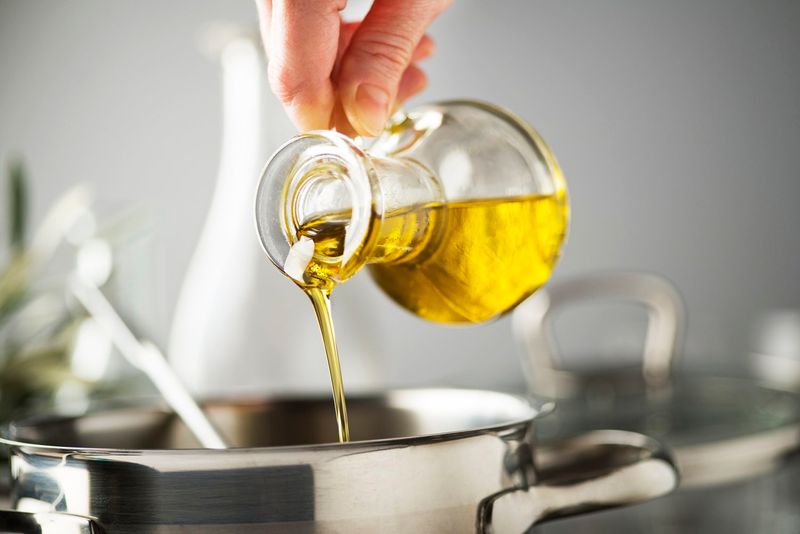
Registered dietitians consistently recommend keeping three essential oils in your kitchen arsenal for different cooking needs. Light olive oil works brilliantly for everyday sautéing and roasting at moderate temperatures.
Coconut oil provides stability for higher-heat cooking whilst adding subtle tropical notes to dishes. Walnut oil brings omega-3 fatty acids to salad dressings and finishing touches, though it shouldn't be heated due to its delicate nature and beneficial properties.
The Health Benefits Of Olive Oil Vs. Other Low-Calorie Oils
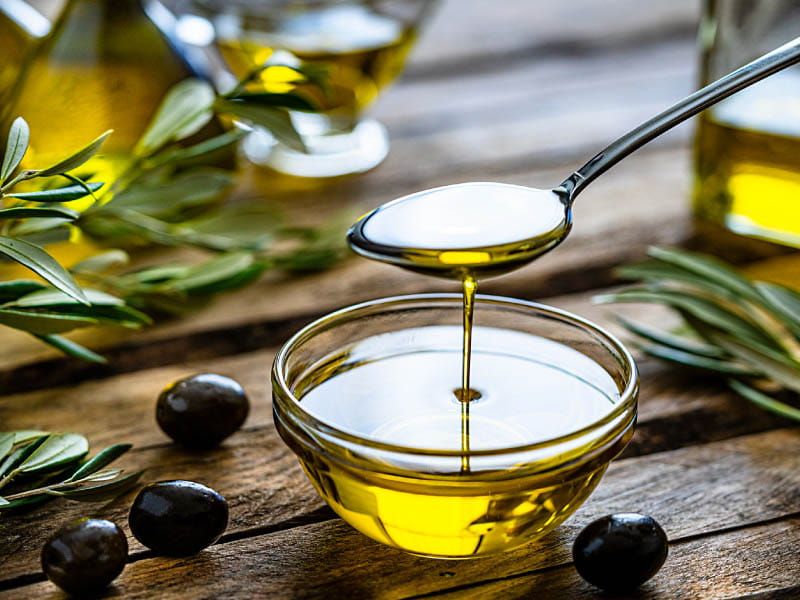
Extra virgin olive oil contains unique compounds like oleocanthal, which provides anti-inflammatory benefits similar to ibuprofen but without side effects. Mediterranean populations have used olive oil for centuries with remarkable longevity results.
Compared to processed vegetable oils, olive oil maintains its nutritional integrity through minimal processing. Canola and sunflower oils undergo extensive refinement that strips away beneficial compounds, making olive oil the superior choice for overall health benefits.
Which Oils To Avoid For A Lower-Calorie Cooking Routine
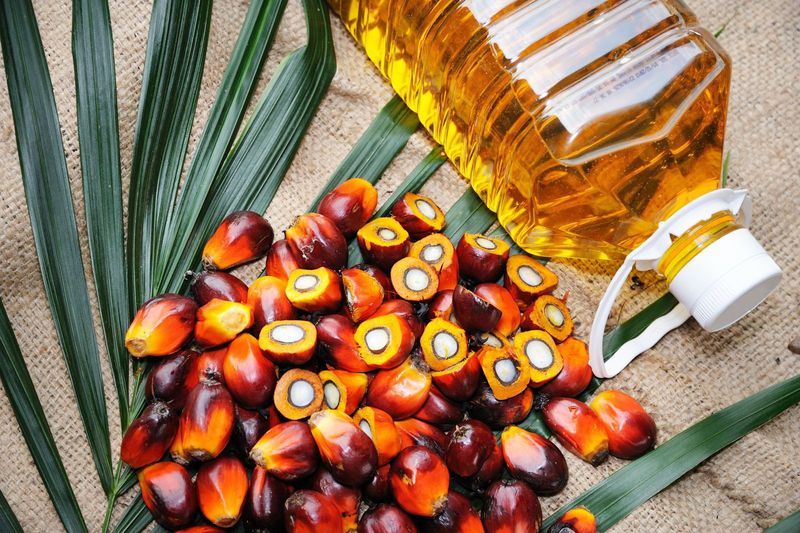
Palm oil and lard pack significantly more saturated fat and calories than plant-based alternatives, making them poor choices for health-conscious cooking. These fats can contribute to inflammation and weight gain when used regularly.
Heavily processed vegetable oil blends often contain trans fats and unnecessary additives that work against your health goals. Stick to single-ingredient oils with clear labelling rather than mysterious blends that hide their true nutritional content from consumers.
How To Use Low-Calorie Oils In Your Everyday Meals

Start your morning by lightly coating your pan with cooking spray before scrambling eggs or making pancakes. This simple switch can save 100 calories compared to traditional butter or oil pouring methods.
For salad dressings, mix one tablespoon of quality oil with vinegar and herbs rather than using shop-bought versions loaded with sugar. Roasting vegetables requires just a light drizzle of oil tossed evenly to achieve crispy, delicious results.
The Role Of Healthy Fats In Your Diet And Which Oils To Choose

Your body requires healthy fats to absorb fat-soluble vitamins A, D, E, and K effectively from food. Without adequate healthy fats, your body struggles to utilise these essential nutrients properly.
Monounsaturated fats from oils like olive and avocado support brain function and hormone production whilst keeping you satisfied longer. Choose cold-pressed, unrefined oils whenever possible to maximise nutritional benefits and support your body's natural processes most effectively.