







French food is admired around the world, yet some dishes still leave British diners completely puzzled.
What feels normal and comforting in France can seem surprising or even confusing to visitors from the UK.
This list explores the foods that most often spark raised eyebrows, nervous laughs, and plenty of questions.
All information is provided for general interest only. Cultural traditions, recipes, and availability may vary by region and personal experience.
1. Snails
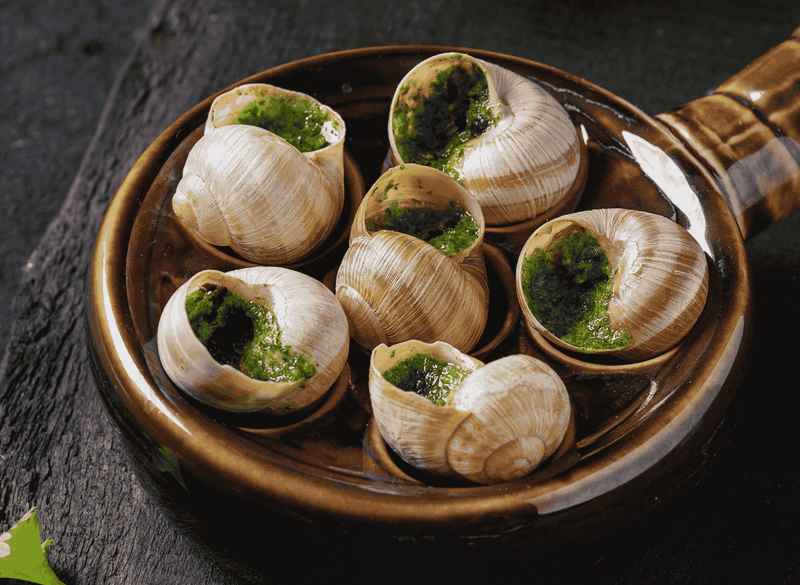
Escargot refers to edible land snails that are specifically bred or collected for food.
In France, they are most commonly prepared with butter, garlic, and parsley.
Snails are usually served as a starter, especially in traditional restaurants.
Their mild flavour tends to reflect the seasoning rather than the snail itself.
2. Frog Legs
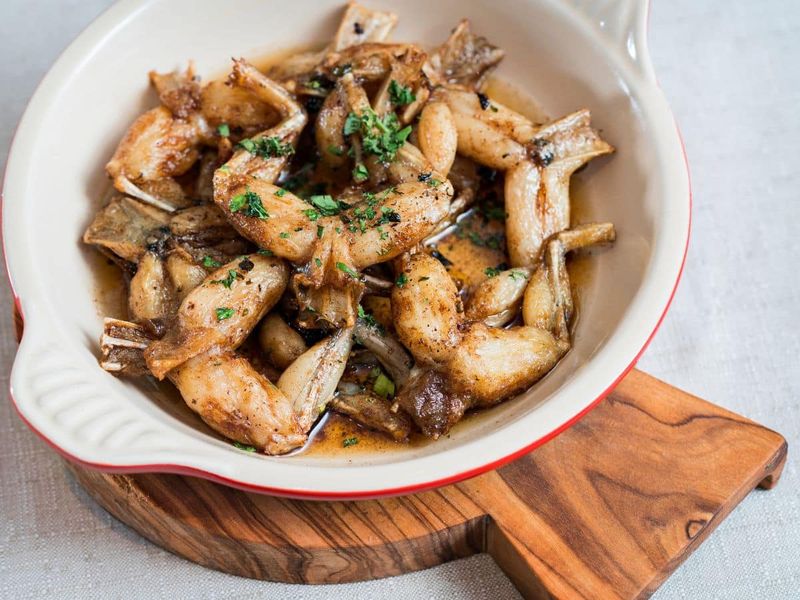
Cuisses de grenouille, or frog legs, are another French favourite that makes British diners squirm.
They supposedly taste like chicken, but that doesn't make the idea any less odd.
These amphibian limbs are typically fried or sautéed with garlic and parsley.
The French have been eating them for centuries, whilst we've been perfectly happy leaving frogs in ponds where they belong.
3. Steak Tartare
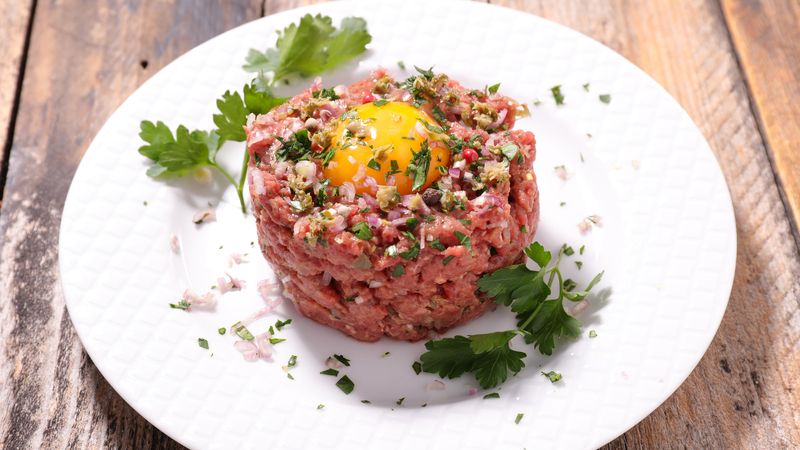
Steak tartare is a dish made from finely chopped or minced raw beef that is prepared just before serving.
It is typically seasoned and served with ingredients such as capers, onions, and egg yolk, allowing diners to mix flavours to taste.
The dish has been part of French cuisine for many years, although its exact origins are still debated.
Steak tartare remains a familiar menu choice in many traditional brasseries and classic restaurants across France.
4. Andouillette
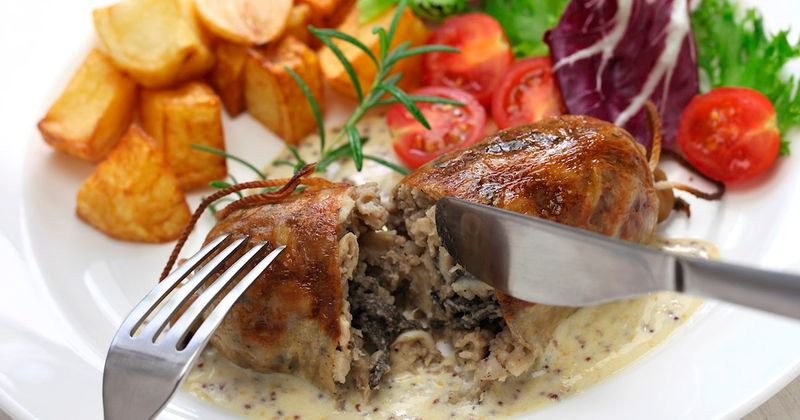
This sausage is made from pig intestines, and it smells exactly as you'd imagine.
The pungent aroma alone is enough to send British tourists running from French bistros.
Andouillette has a devoted following in France, where it's grilled and served with mustard.
The intense, barnyard-like smell and chewy texture make it an acquired taste that few Britons ever acquire.
5. Blood Sausage
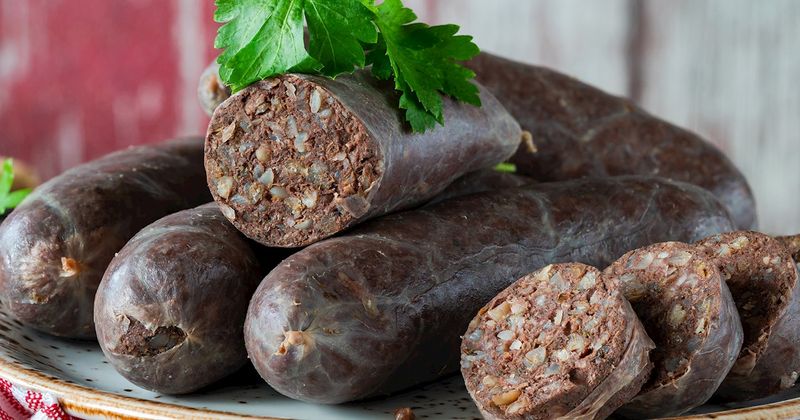
Boudin noir is basically black pudding's French cousin, made from pig's blood, fat, and spices.
Whilst we have our own version in Britain, the French preparation often seems more intense.
The dark, almost black colour comes from congealed blood, which doesn't exactly scream appetising.
It's rich, metallic-tasting, and polarising even amongst the French themselves.
Some things are better left unmade.
6. Head Cheese
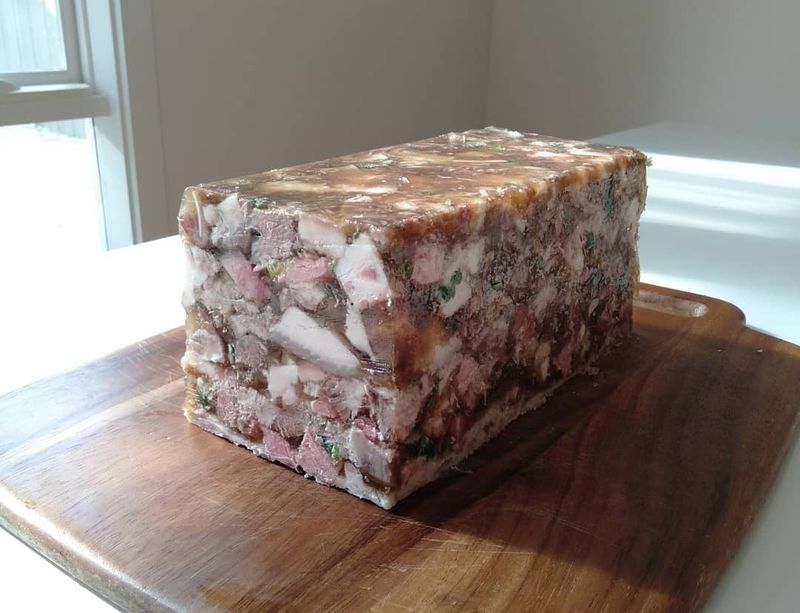
Despite its name, fromage de tête contains no cheese whatsoever - it's a terrine made from a pig's head.
Meat from the skull is set in aspic jelly, creating a wobbly, translucent loaf.
The British find the concept deeply unsettling, especially when you can see bits of tongue and ear suspended inside.
It's essentially everything from a pig's face, jellified and sliced.
7. Tripe
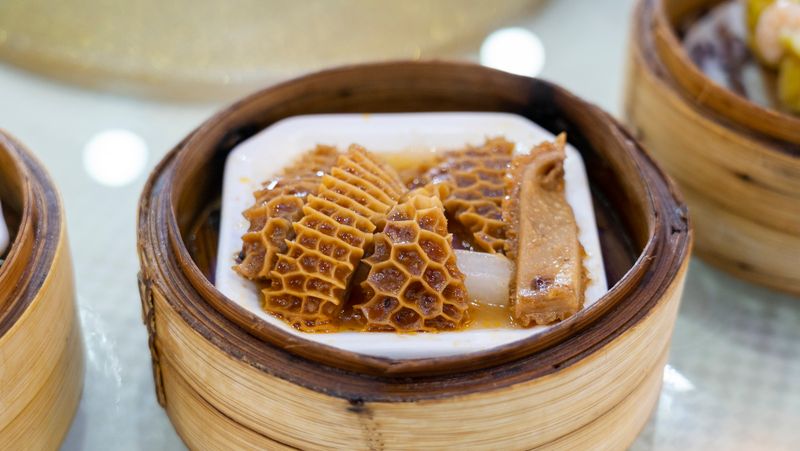
Tripe is the stomach lining of cows or sheep, and it's as rubbery as it sounds.
The French prepare it in various ways, often stewing it for hours in white sauce.
Its spongy, honeycomb texture makes many Britons gag at first bite.
Whilst tripe was once popular in Britain, it's fallen out of favour, unlike in France where it remains a traditional comfort food.
8. Raw Milk Cheese
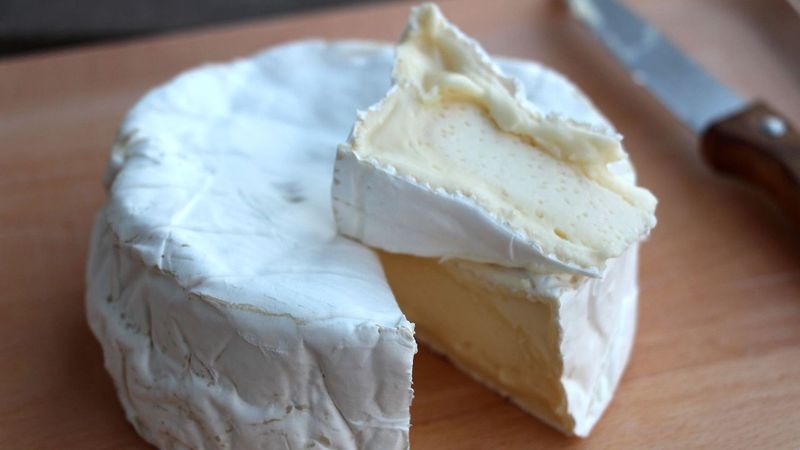
Raw milk cheese is made using unpasteurised milk and is widely produced across France.
These cheeses are legally made and sold in both France and the UK under food safety regulations.
Many people enjoy them for their distinctive flavours and textures.
Popular varieties range from soft and creamy to firm and crumbly, depending on the region.
9. Duck Gizzards
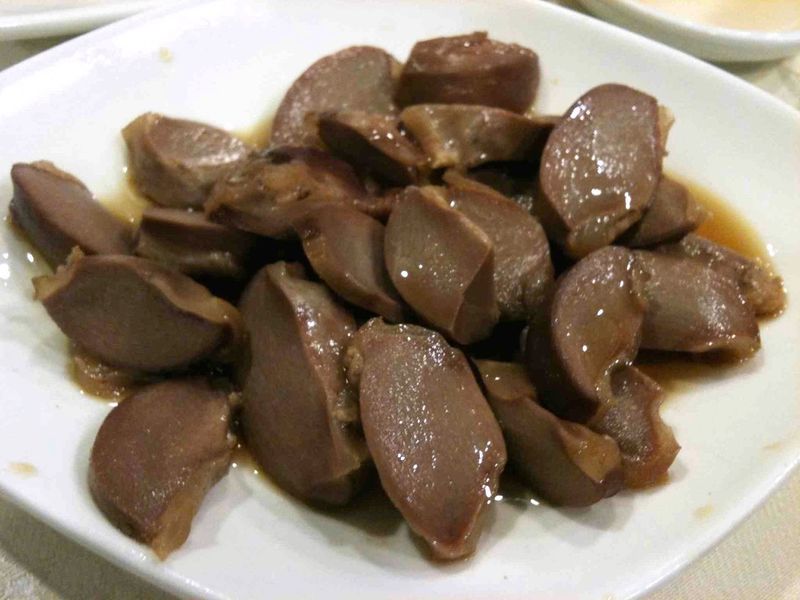
Gésiers de canard are preserved duck gizzards, often served in salads or confit.
Most Britons have no idea what a gizzard even is, let alone why you'd eat one.
These muscular stomach organs have a firm, almost chewy texture that's distinctly offputting.
In southwestern France, they're considered a delicacy, tossed with greens and walnuts as if they're perfectly normal salad ingredients.
10. Sweetbreads
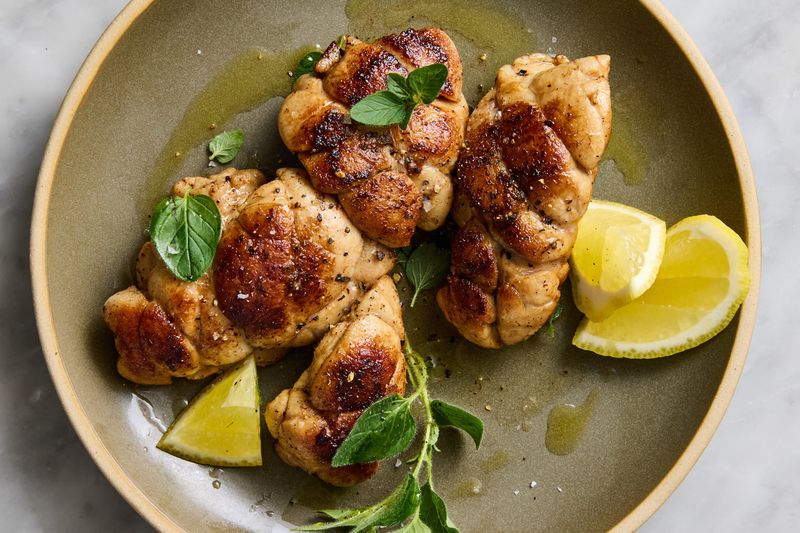
The misleading name hides a disturbing truth: sweetbreads are the thymus gland or pancreas of young animals, usually calves.
There's nothing sweet about them, and they're definitely not bread.
Their creamy, rich texture appeals to the French, but most Britons recoil at eating organ meat.
Properly prepared, they're considered a gourmet delicacy, though the thought alone puts many off their dinner.
11. Bone Marrow
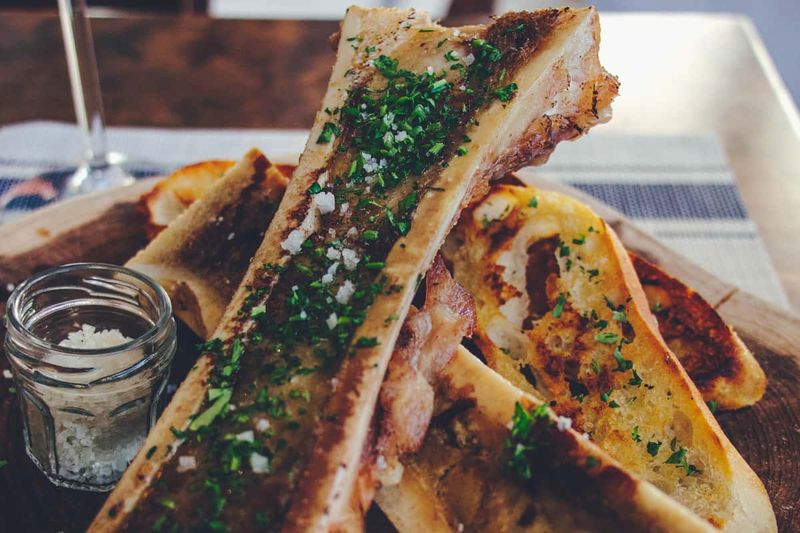
Bone marrow is taken from beef bones and is most often roasted until the centre becomes soft and spreadable.
It is traditionally served with bread and simple accompaniments that balance its rich flavour.
This ingredient has long featured in French cooking, particularly in regional and home-style dishes.
Today, bone marrow appears in both traditional eateries and more modern restaurant menus.
12. Veal Brain
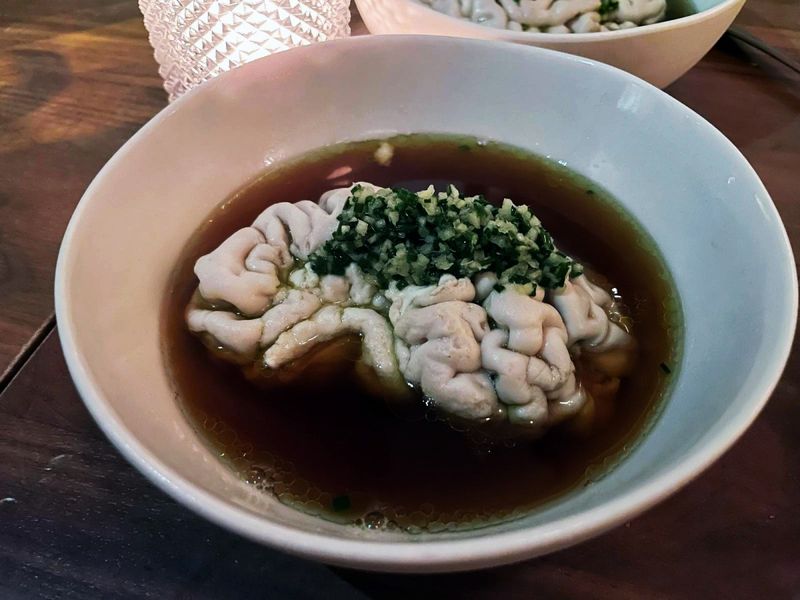
Cervelle de veau is exactly what it sounds like: calf's brain, typically poached and served with brown butter. The very idea makes most Britons queasy.
Brains have a soft, almost custard-like consistency that's deeply off-putting to the uninitiated.
Once common across Europe, brain dishes have largely disappeared from British tables, whilst French chefs still celebrate them as refined, traditional fare worth preserving.
13. Sea Urchin Roe
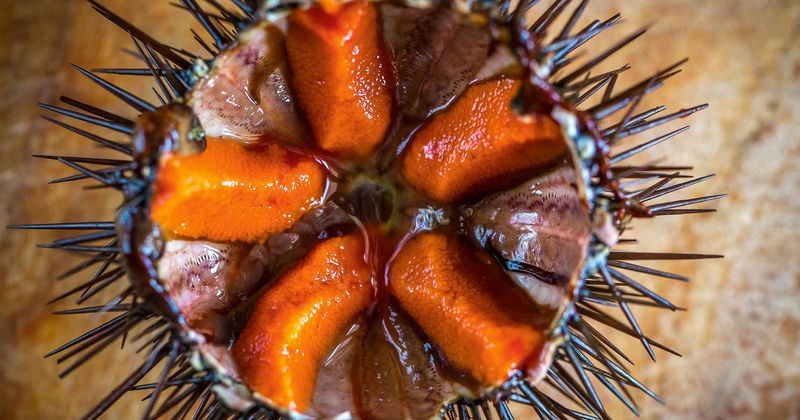
Oursin, or sea urchin roe, looks like bright orange goo scraped from a spiky sea creature.
The French eat it raw, straight from the shell or spread on bread.
Its intensely briny, oceanic flavour is overwhelming for most British palates.
The creamy, slightly slimy texture doesn't help matters either. In coastal French regions, it's a prized delicacy, though it remains utterly mystifying to visitors.