











Have you ever wondered how bees manage to turn nectar into that golden, sticky sweetness we all love? It’s a fascinating process that blends nature’s engineering with the bees' hard work, and it’s nothing short of magical. Once you dive into the science of how bees make honey, you’ll see why it’s not just food - it’s a marvel of nature at work.
This article is for general informational purposes only. Honey has various health benefits when consumed in moderation, but it's also high in sugar and should be enjoyed mindfully. Always consult a healthcare professional if you have concerns about your sugar intake or allergies.
The Role Of Worker Bees In Honey Production
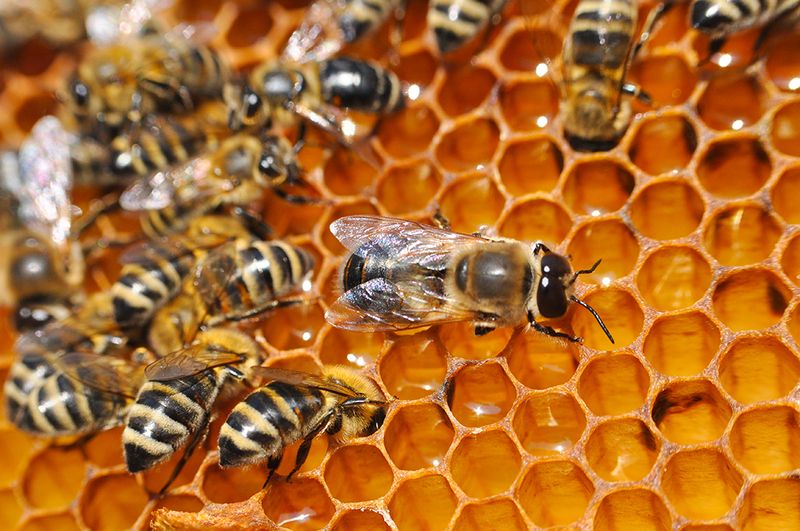
Worker bees are the unsung heroes of the hive, responsible for nearly every task involved in creating honey. These female bees live for only about six weeks during summer, but they pack a lifetime of work into that short period.
From collecting nectar to building honeycomb and caring for larvae, worker bees handle it all. Each bee transitions through different jobs as she ages, moving from hive duties to foraging in the final weeks.
Without their tireless efforts and incredible organisation, honey production would be impossible.
How Bees Collect Nectar From Flowers
Bees are excellent little foragers. They use their long, straw-like tongues called proboscises to sip nectar from flowers, sometimes visiting hundreds in a single day!
Once they’ve gathered the nectar, it gets stored in their “honey stomach,” a special organ just for transporting nectar back to the hive.
There, they pass it off to other bees who continue the process of turning it into honey. It’s a simple yet incredible teamwork effort that helps create the honey we all love.
The Enzymatic Process That Turns Nectar Into Honey
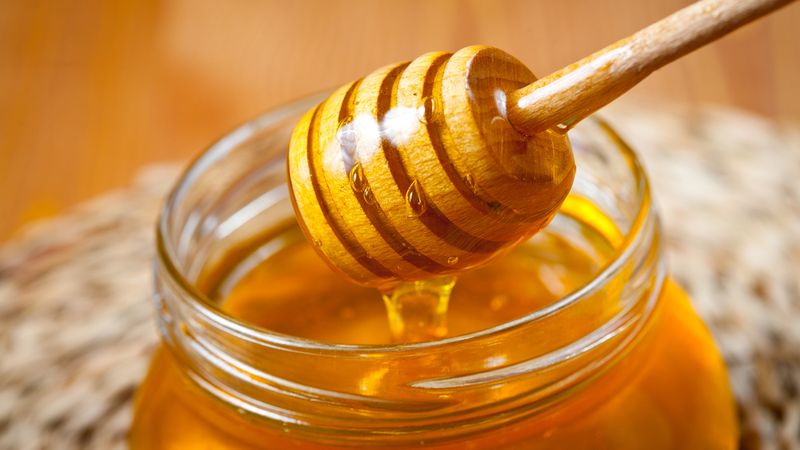
When nectar enters a bee’s honey stomach, it’s not quite ready to be honey yet. Inside, an enzyme called invertase begins breaking down the sugar in nectar into simpler sugars like glucose and fructose.
This process is key to turning the watery nectar into thicker, sweeter honey. The bees then pass the nectar to other worker bees who continue adding enzymes and mix it around until it becomes honey.
It’s a fascinating transformation that happens both in the air and inside the hive!
The Importance Of The Hive's Temperature In Honey Production
Temperature control is absolutely critical for successful honey making, and bees are expert climate engineers. The hive must stay around 35 degrees Celsius for honey to develop properly and for larvae to thrive.
When it's too hot, bees fan their wings furiously to create cooling air currents. During cold weather, they cluster together and vibrate their flight muscles to generate warmth.
This precise temperature helps evaporate excess water from nectar, concentrating it into thick, golden honey.
How Bees Store Honey In Honeycombs
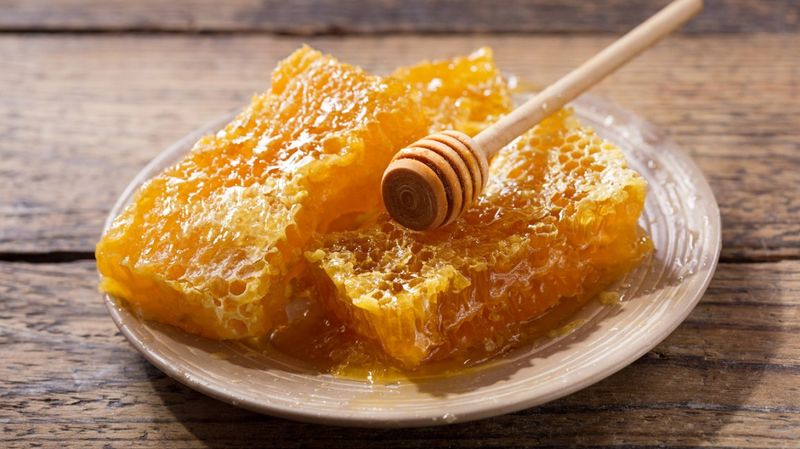
Honeycomb architecture is a marvel of natural engineering, with hexagonal cells providing maximum storage using minimum wax. Bees deposit processed nectar into these cells, then fan it vigorously to evaporate remaining moisture.
Once the honey reaches about 18% water content, it's ready for long-term storage. Bees then seal each cell with a thin wax cap, creating an airtight seal.
This preservation method keeps honey fresh for months or even years, ensuring the colony has food during winter.
The Role Of Bees' Waggle Dance In Foraging And Honey Making
Communication through dance sounds bizarre, but it's exactly how bees share information about flower locations. When a forager discovers an excellent nectar source, she returns home and performs a waggle dance on the honeycomb.
The angle of her dance indicates the flower's direction relative to the sun, whilst the duration tells other bees the distance. Faster waggles mean closer flowers.
This remarkable navigation system ensures the entire colony can exploit the best nectar sources efficiently.
The Water Evaporation Process In Honey Making
Once nectar is collected, it’s still too watery to be considered honey. To make it the perfect consistency, bees use their wings to fan the nectar, which helps evaporate excess moisture. The bees spread the nectar thinly across the honeycomb cells, and as they fan their wings, the moisture slowly evaporates, thickening the nectar into honey.
Once it’s thick enough (with about 18% water content), the bees seal it in the honeycomb with a wax cap, preserving it for later use. It’s like a little bit of bee magic happening right in the hive!
How Bees Use Honey For Colony Survival
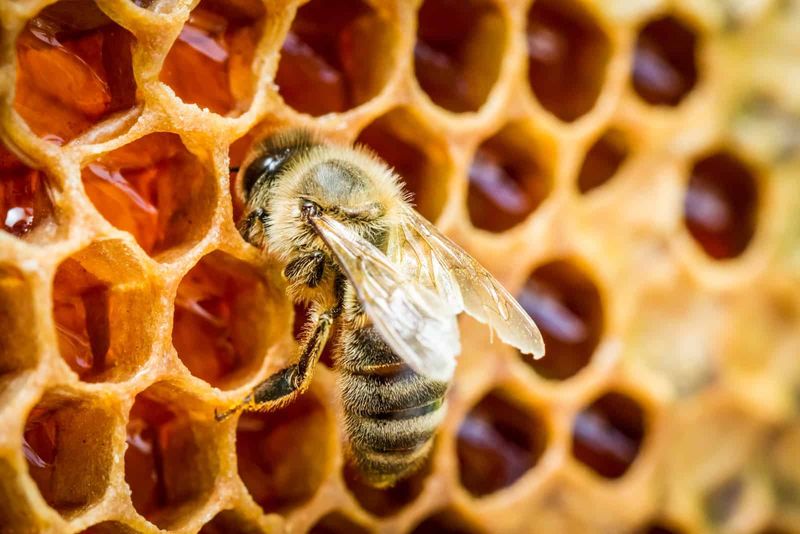
Honey isn't just a sweet treat for humans - it's survival fuel for the entire bee colony. During winter months when flowers aren't blooming, bees rely completely on their honey reserves for energy.
A single colony can consume over 50 kilograms of honey annually to maintain their population. The queen, drones, and workers all depend on this stored food source.
This is why responsible beekeepers always leave sufficient honey for the bees themselves, taking only the surplus the colony can spare.