










Sourdough has quietly made its way back onto bakery shelves and kitchen tables, and there’s a good reason it keeps getting talked about.
The slow fermentation process gives it a flavour and texture that feels a little more special than an average loaf.
Taking a closer look at what sets sourdough apart helps explain why so many people choose it as part of their everyday food routine.
All information is provided for general interest only. This content does not replace professional medical or dietary advice, and individual health needs may vary. Consult a qualified healthcare or nutrition professional for personalised guidance.
1. Naturally Fermented Using Wild Yeast
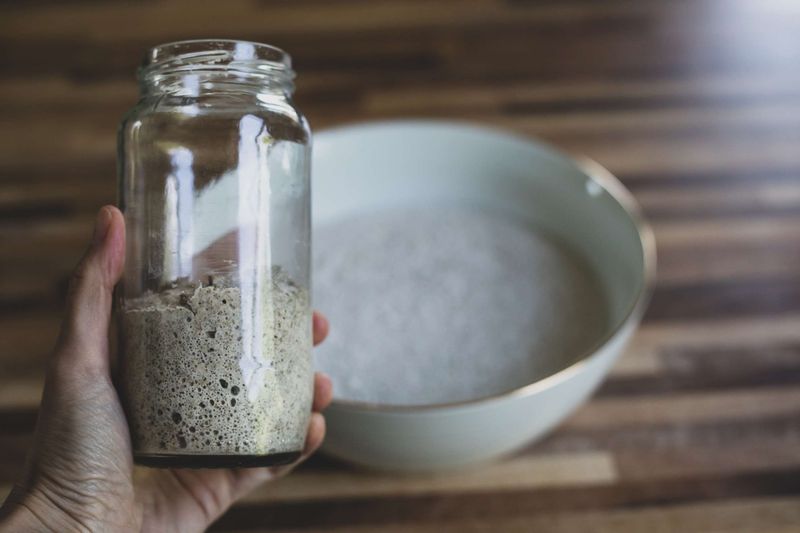
Sourdough rises through a natural fermentation process driven by a starter made from flour and water.
This starter contains wild yeast and bacteria that develop over time rather than commercial yeast alone.
The longer fermentation changes the structure of the dough and contributes to sourdough’s distinctive character.
That slow process is a big part of what sets sourdough apart from fast-rising breads.
2. Often Easier To Digest Than Standard Bread
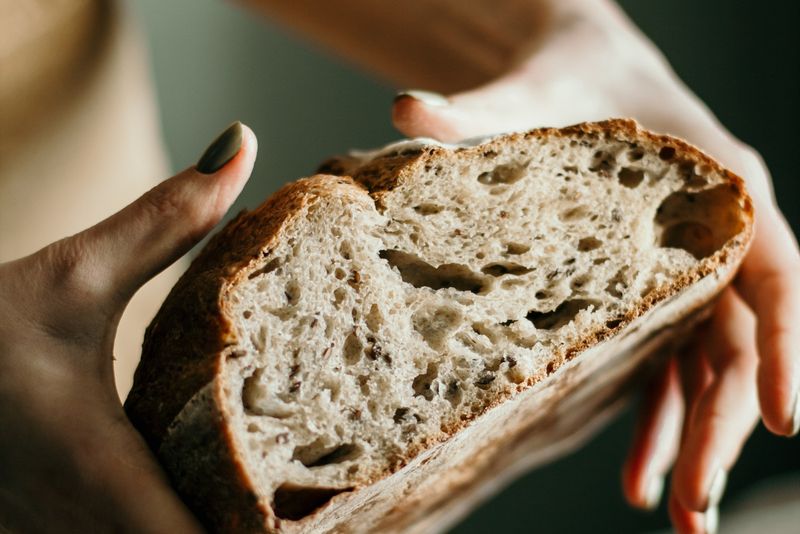
Many people report that sourdough feels gentler to eat compared with some other breads.
The fermentation process partially breaks down certain components in the dough before baking.
This can make the bread feel less heavy for some individuals, depending on personal tolerance.
It’s not suitable for everyone, but it is often chosen by people looking for a simpler bread option.
3. Lower Glycaemic Impact Than Many White Breads
Sourdough is often associated with a slower rise in blood sugar compared with some white breads.
Fermentation produces natural acids that can affect how carbohydrates are broken down.
The exact response varies between individuals and recipes.
For this reason, sourdough is sometimes preferred by people looking for steadier energy from bread.
4. Improved Mineral Absorption From Fermentation

Grains contain compounds that can reduce how easily minerals are absorbed.
Fermentation helps reduce some of these compounds during the bread-making process.
This can improve the availability of minerals such as iron and magnesium.
The effect depends on fermentation time, flour type, and recipe.
5. Longer Shelf Life Without Added Preservatives

Sourdough often keeps well without the need for added preservatives.
Natural acids formed during fermentation can slow mould growth.
Storage conditions and recipe still play a big role in how long a loaf stays fresh.
Many people find sourdough lasts well when kept properly at room temperature.
6. Distinctive Flavour And Texture
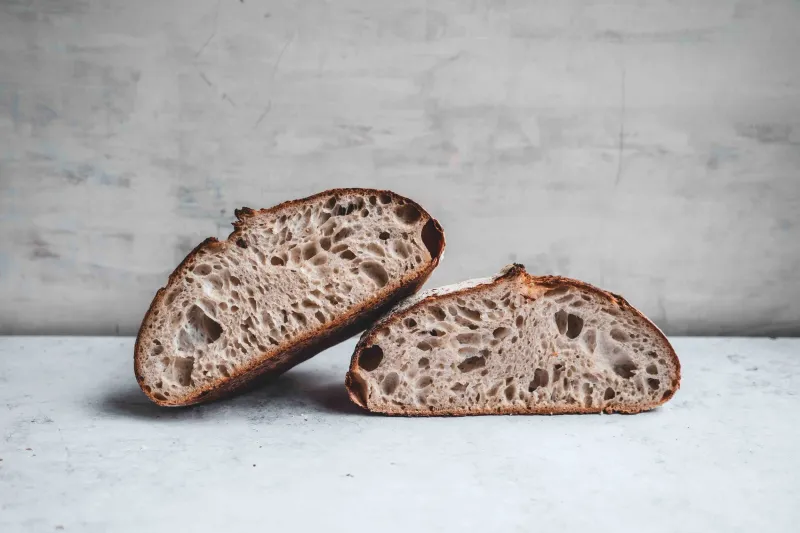
That tangy taste and chewy texture aren't just pleasant - they're signs of proper fermentation doing its work.
Each sourdough loaf develops its own personality based on the wild yeast in your area, the flour used, and fermentation time.
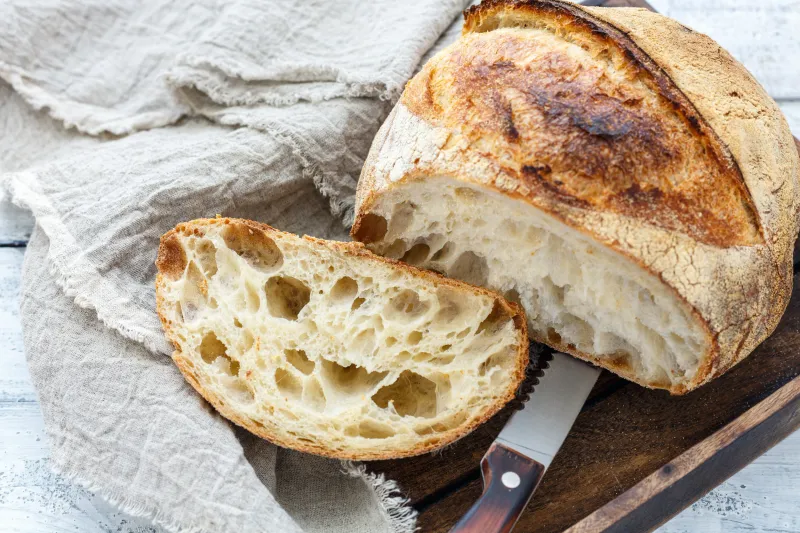
The crispy crust and airy interior with those gorgeous irregular holes make every slice an experience.
Boring sandwiches become something special, and toast transforms into a proper treat rather than just breakfast fuel you barely notice.
7. Simple Ingredient List In Traditional Recipes

Traditional sourdough requires just three ingredients: flour, water, and salt.
That's it. No emulsifiers, no dough conditioners, no mysterious numbers you need a chemistry degree to understand.
When you read the ingredients list on a proper sourdough loaf, you'll actually recognise everything written there.
This simplicity means you're eating real food rather than a science experiment, which your body definitely appreciates. Honest ingredients make for honest nutrition you can trust completely.
8. More Filling Than Highly Processed Loaves

Sourdough is often described as more satisfying than very soft, highly processed bread.
Its structure and slower digestion can contribute to a fuller feeling for some people.
How filling it feels depends on portion size and individual appetite.
For many, it works well as part of a balanced meal rather than a quick snack.