








Berries are a familiar sight across Britain – in supermarkets, farm shops, and hedgerows – yet many of us struggle to tell one from another.
Some are sweet enough to eat straight from the punnet, while others need a little preparation before they’re safe or enjoyable.
Whether you’re foraging on a countryside walk or choosing fruit for breakfast, knowing your berries helps you make the tastiest (and safest) pick every time.
This article is for general informational purposes only.
Always ensure wild berries are correctly identified before eating, and avoid consuming anything you’re unsure of.
1. Strawberries
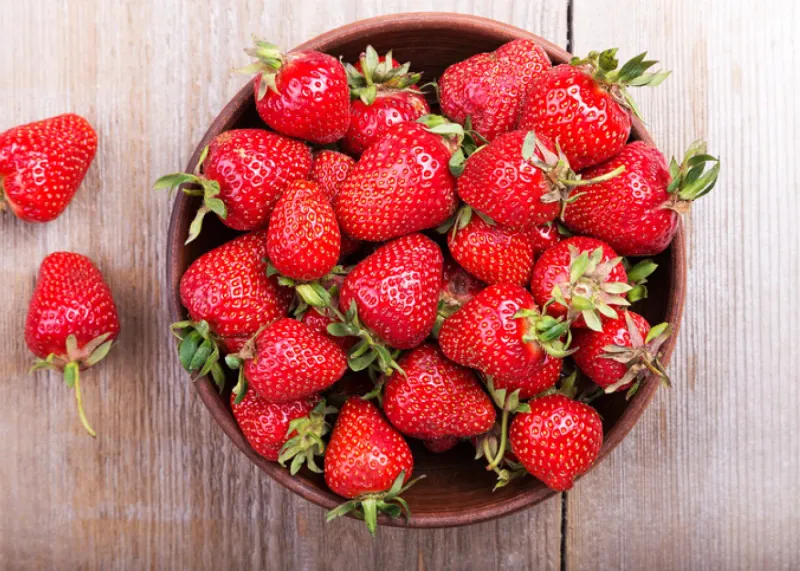
Ever wonder why strawberries have their seeds on the outside?
It's the only fruit that wears its seeds like jewellery.
These iconic red beauties are actually not true berries botanically speaking, but we'll forgive them for that.
Spotting a strawberry is dead easy – look for that bright red, heart shaped fruit covered in tiny yellow seeds.
The green leafy cap sits proudly on top.
They're soft to touch when ripe and smell absolutely divine, especially British ones during summer season.
2. Blueberries
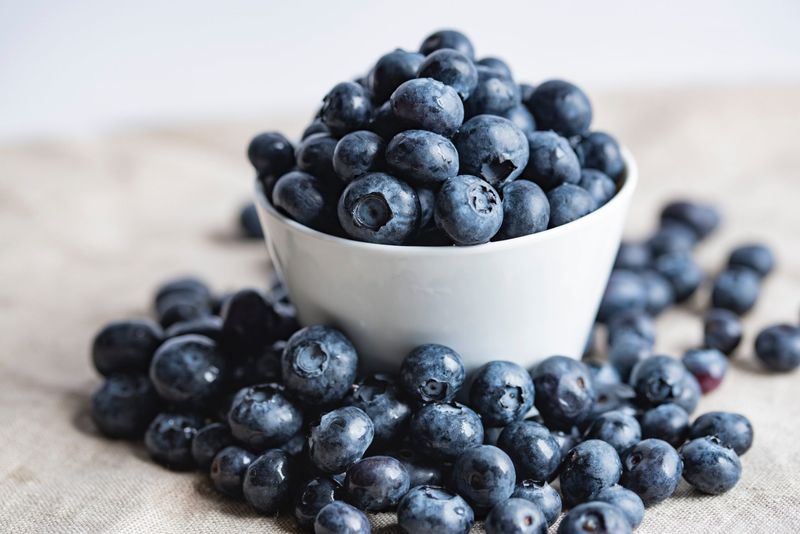
North America gave us these little gems, but they've become a British supermarket staple.
What sets blueberries apart is that dusty white coating called bloom – it's nature's protective layer, not dirt.
These perfectly round berries range from deep blue to almost purple.
They're firm when fresh, about the size of a pea, and have a small crown at the top.
The flesh inside is pale green or white.
Fresh ones should never be mushy or leaking juice, so give the punnet a good look before buying.
3. Raspberries
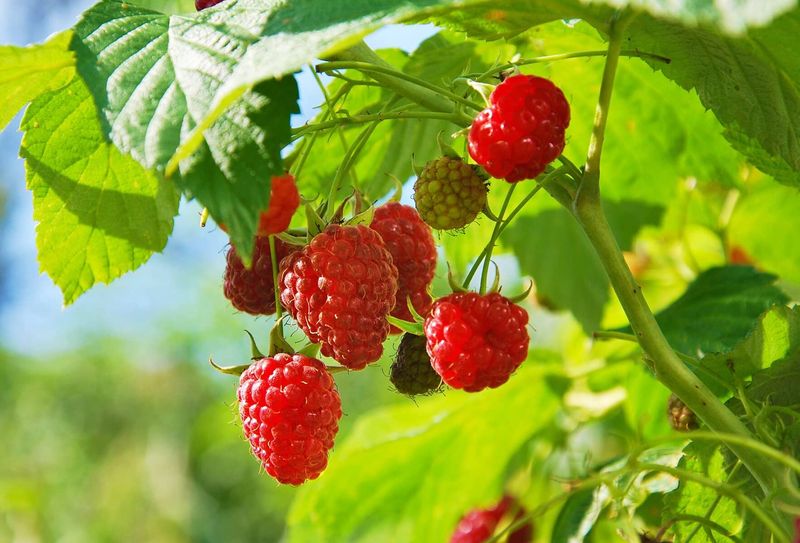
Here's a quirky fact – when you pick a raspberry, it leaves its core behind on the plant, creating that distinctive hollow centre.
No other common berry does this party trick.
Raspberries are made up of tiny beads called drupelets clustered together in a cone shape.
They're delicate, almost fuzzy to touch, and come in red, golden, or even black varieties.
Scottish raspberries are particularly famous for their flavour.
Handle them gently because they bruise easier than your ego after a bad joke.
4. Blackberries
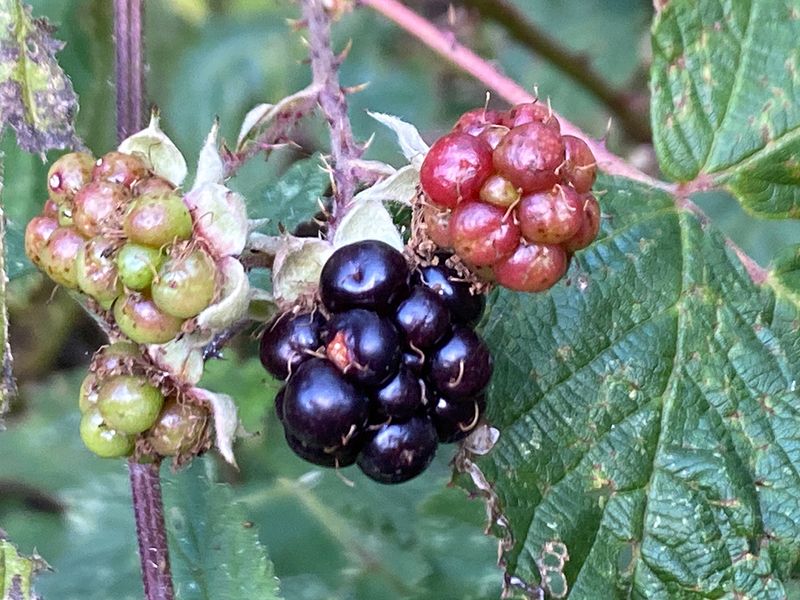
Bramble picking is a proper British tradition, though you'll end up with scratched arms and purple fingers.
Unlike raspberries, blackberries keep their white core when picked – that's your key identifier right there.
These glossy, deep purple berries start life green, turn red, then finally ripen to black.
Each one is a cluster of juicy drupelets that look almost like tiny bubbles.
Wild ones taste miles better than shop bought.
They're larger and plumper than raspberries, with a sweet yet slightly tart flavour that's perfect for crumbles.
5. Cranberries
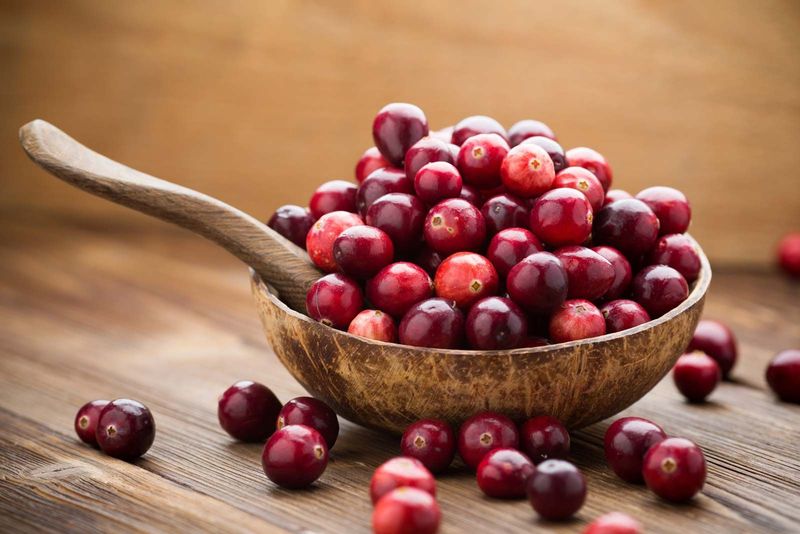
Cranberries bounce when they're fresh – seriously, farmers actually use bounce tests to check quality.
These tart little spheres are rock hard compared to other berries and need cooking to be palatable.
Look for small, round berries about the size of a marble with shiny, bright red skin.
They're incredibly firm and have a waxy feel.
Raw cranberries taste astringent enough to make your face scrunch up, which is why we mostly see them as sauce at Christmas.
They grow in boggy wetlands, which explains those fascinating flooded harvest photos.
6. Gooseberries
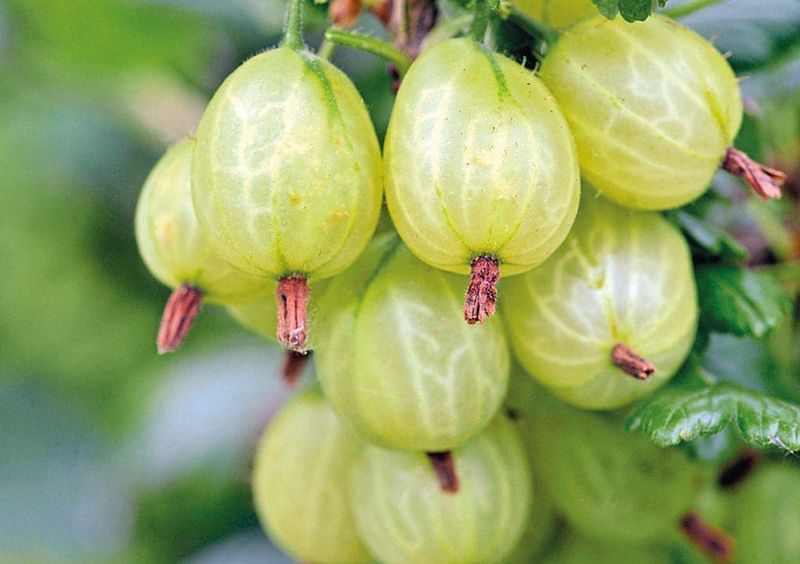
Gooseberries are proper old school British fruit that your nan probably stewed with sugar.
They look like tiny striped watermelons with visible veins running through translucent skin.
These berries are oval shaped, about grape sized, and come in green, yellow, red, or white varieties.
Each one has a little dried flower tail at one end.
The skin can be smooth or slightly hairy depending on the variety.
They're quite firm and tart when unripe, softening and sweetening as they mature.
Sadly, they've fallen out of fashion, but they're brilliant in fools and jams.
7. Boysenberries
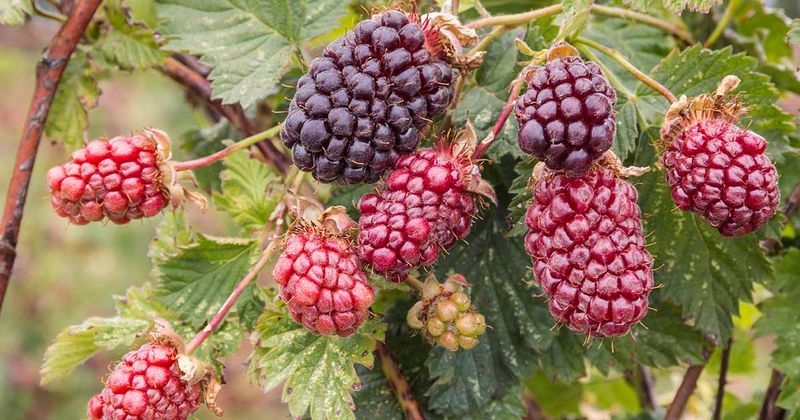
Created by a chap named Rudolph Boysen in California during the 1920s, these are a raspberry, blackberry, and loganberry hybrid.
They're not native to Britain but occasionally pop up in specialist shops and pick your own farms.
Boysenberries are noticeably larger than blackberries, with a deep maroon to almost black colour.
They're elongated rather than round, with plump, juicy drupelets.
The flavour is complex – sweeter than blackberries but with raspberry tanginess.
They're quite soft and fragile, which is why you rarely see them in supermarkets.
Absolutely brilliant in pies, though.
8. Cloudberries
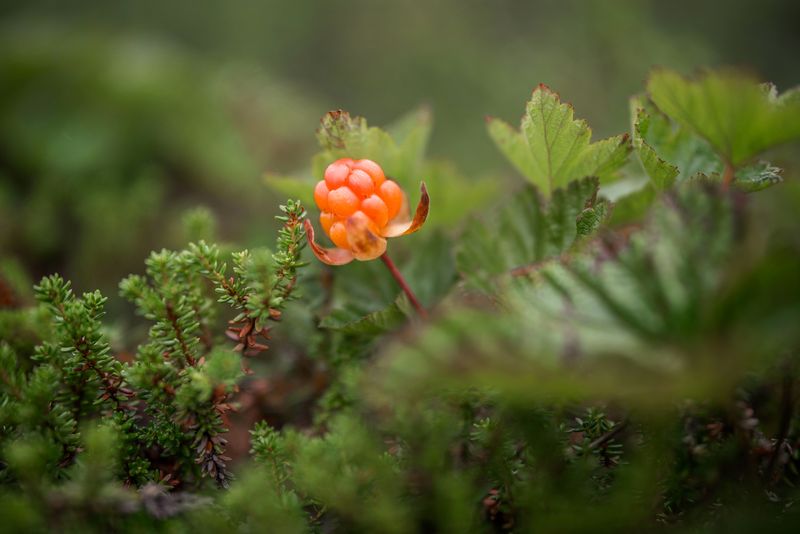
Called the gold of the forest in Scandinavia, cloudberries grow wild in Scottish Highlands moorlands.
They're rare enough to feel like finding treasure.
These unusual berries start red then ripen to a stunning amber or golden orange colour.
They look similar to raspberries in structure but with larger, fewer drupelets and a more irregular shape.
The flavour is tart and slightly floral, quite unlike any other berry.
Traditionally, they're made into jam in Nordic countries.
If you spot them whilst hiking in Scotland, consider yourself lucky – they're notoriously difficult to cultivate and only grow in boggy, mountainous areas.
9. Mulberries
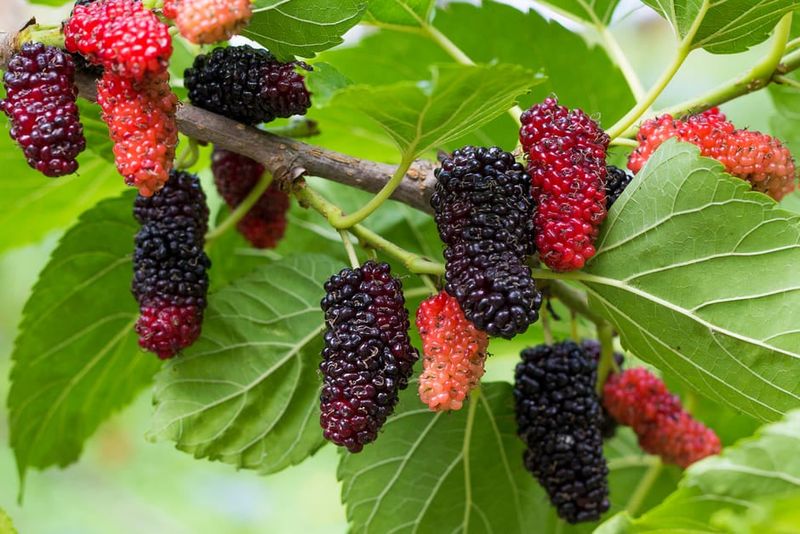
Mulberry trees were planted across Britain centuries ago for silk production, and many ancient specimens still drop fruit every summer.
The berries look like stretched out blackberries with a more elongated shape.
They come in white, red, or deep purple varieties, with dark purple being most common in Britain.
Each berry is made of drupelets but appears more cylindrical than round.
They're incredibly juicy and stain everything purple – clothes, fingers, pavements.
The flavour is sweet and mild.
Unfortunately, they're too delicate to sell commercially, so finding a mulberry tree is your only option for tasting them fresh.
10. Elderberries
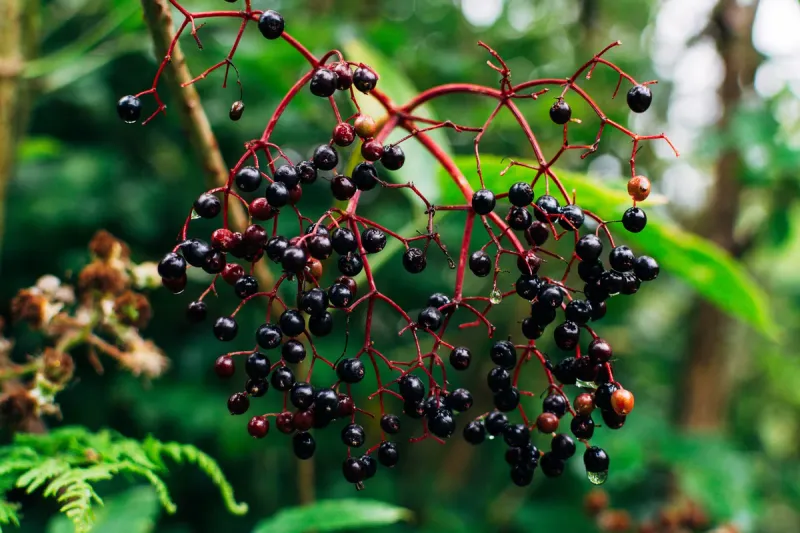
Elderberries grow in massive clusters along British hedgerows and country lanes, but here's the crucial bit – never eat them raw.
They contain compounds that can cause nasty stomach upset.
These tiny, glossy berries are deep purple to black and grow in umbrella shaped clusters on distinctive red stems.
Each berry is about pea sized with a small indent at the bottom.
Once cooked, they're perfectly safe and make brilliant cordial, jam, or the traditional elderberry syrup.
The elder tree has creamy white flowers in spring that become these berries by autumn.
Proper countryside hedgerow harvest material, just remember to cook them first.