











Sushi isn't just a delicious meal – it's an art form with centuries of tradition behind it. From simple rice balls to elaborate rolls, there's a whole world of sushi waiting to be discovered.
Whether you're a sushi novice or connoisseur, understanding the different types will enhance your dining experience and help you order with confidence.
This article is for general information only. Sushi types, ingredients, and preparation methods may vary by region, chef, and personal preference.
1. Nigiri
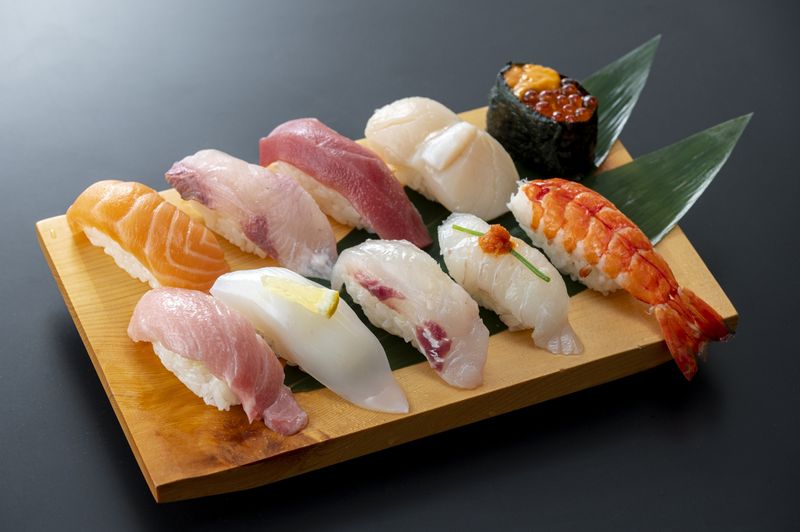
Hand-pressed morsels of vinegared rice topped with fresh fish create the elegant simplicity of nigiri. The chef's skill shines through in the perfect rice-to-topping ratio and the gentle seasoning.
Traditionally eaten with fingers rather than chopsticks, each piece should be consumed in a single bite. A dab of wasabi might hide between the rice and topping – so be prepared for that zingy surprise!
2. Sashimi
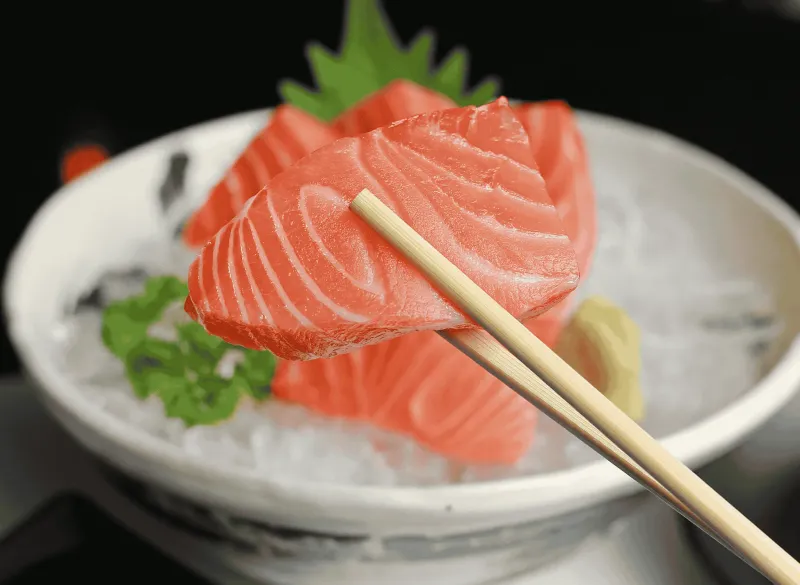
Technically not sushi at all, sashimi consists of expertly sliced raw fish or seafood served without rice. The pristine quality of ingredients takes center stage, with each translucent slice showcasing natural flavours.
Presentation matters enormously here – expect artistic arrangements with carved vegetables, real leaves, and even ice sculptures as garnishes. Dip very lightly in soy sauce to avoid overwhelming the delicate taste.
3. Maki
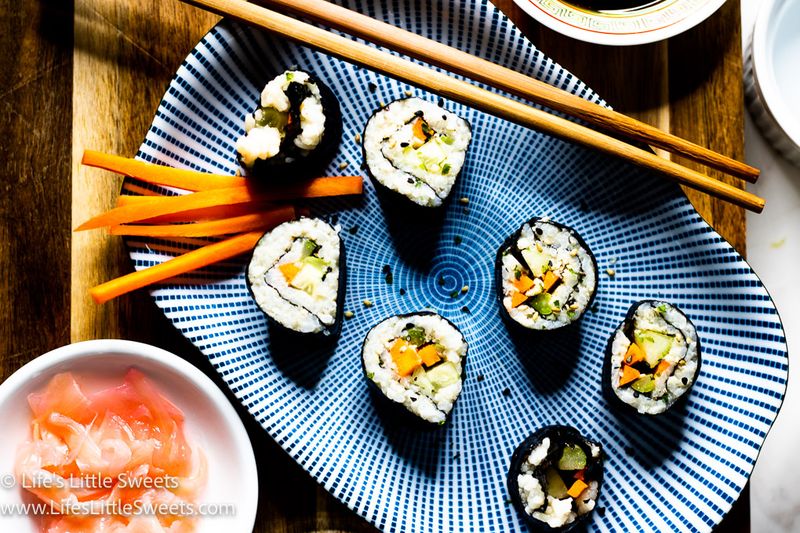
Rolled in bamboo mats and wrapped in seaweed, maki rolls are what most people picture when thinking of sushi. These cylindrical delights contain rice and fillings like cucumber, avocado, or seafood.
After rolling, the chef slices them into bite-sized pieces that reveal a beautiful cross-section pattern. From slim hosomaki to chunky futomaki, the variety of sizes offers something for everyone's appetite.
4. Uramaki
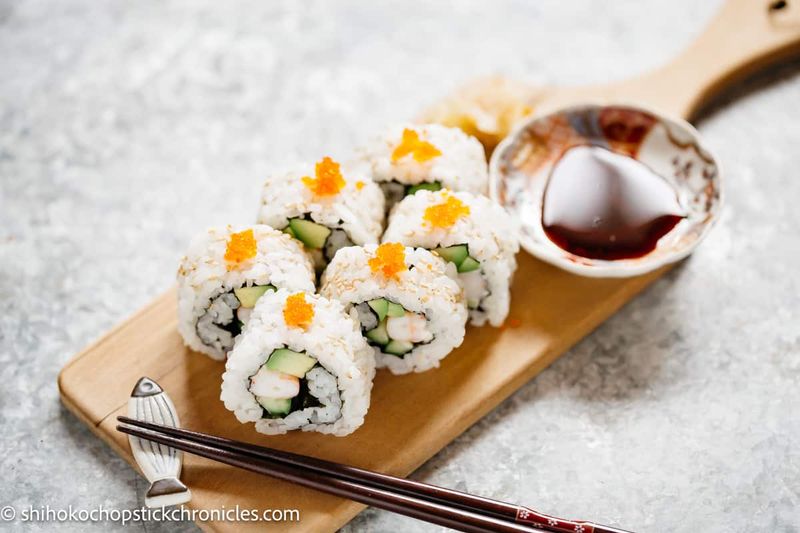
Flipping tradition inside-out, uramaki places rice on the outside with seaweed hidden within. This American-inspired innovation often features vibrant toppings like tobiko (flying fish roe) or sesame seeds coating the exterior.
Famous examples include the California roll with crab and avocado, and the dragon roll with eel and cucumber. These approachable creations often serve as gateway sushi for newcomers before they explore more traditional varieties.
5. Temaki
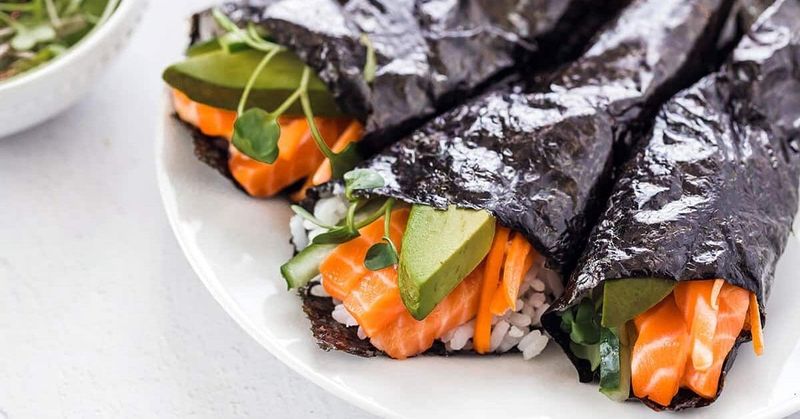
Shaped like ice cream cones, these hand-rolled delights wrap seaweed around rice and fillings in a casual, eat-with-your-hands format. The cone shape allows for generous portions of ingredients that might fall out of traditional rolls.
Freshness is paramount with temaki – eat immediately after serving before the seaweed softens. Popular at casual gatherings and sushi parties, they offer a customisable experience where everyone creates their perfect combination.
6. Oshi (Pressed Sushi)
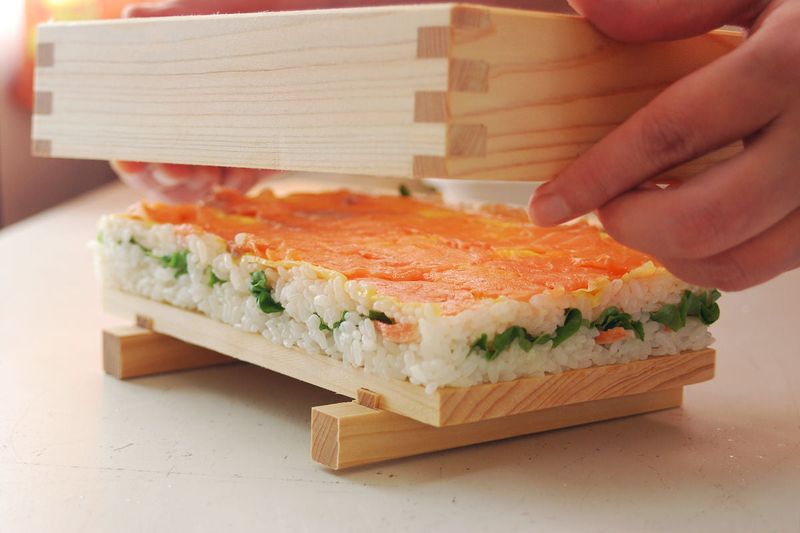
Originating in Osaka, this pressed sushi uses a wooden mould to create perfectly rectangular blocks. The layered construction typically features cured or preserved fish atop seasoned rice, creating a more intense flavour profile than other sushi types.
Historical necessity birthed this style – preservation techniques allowed fish to last longer before refrigeration existed. Modern versions might include flame-torched toppings or complementary sauces that enhance the compressed texture.