










It’s amazing how quickly children can develop strong food preferences - especially when it comes to the sweet and salty stuff. While a treat here and there is perfectly fine, too much of certain everyday foods can sneak extra sugar, salt, and fat into their diets without anyone noticing. Knowing which ones to ease up on makes it easier to keep meals balanced and kids feeling their best.
This article is for general informational purposes only and should not replace professional medical or nutritional advice. Children’s nutritional needs vary depending on their age, activity level, and health status. Always seek guidance from a qualified healthcare provider or dietitian before making significant changes to your child’s diet. Photos are for illustrative purposes only.
1. Sugary Breakfast Cereals
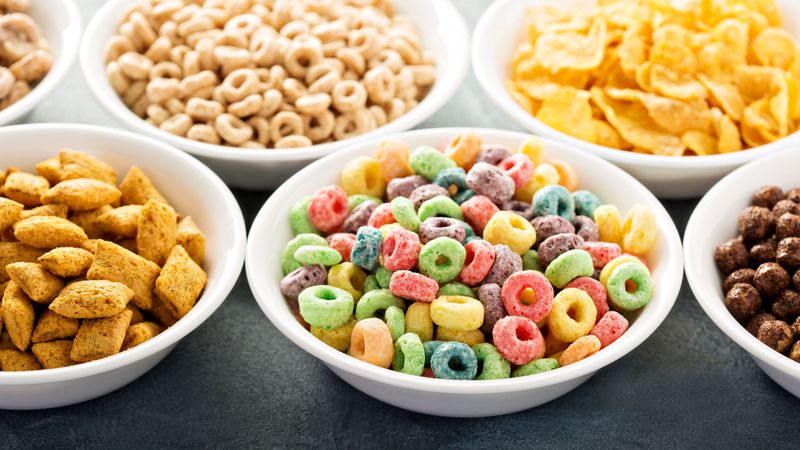
Starting the day with a bowl of brightly coloured cereal might seem harmless, but many popular brands contain more sugar than a biscuit. This quick energy boost leads to a crash before lunchtime, leaving kids tired and unfocused.
Check the label and aim for cereals with less than 5 grams of sugar per serving. Wholegrain options with fresh fruit provide lasting energy without the sugar overload that affects concentration and mood throughout the school day.
2. Fizzy Drinks And Soft Beverages
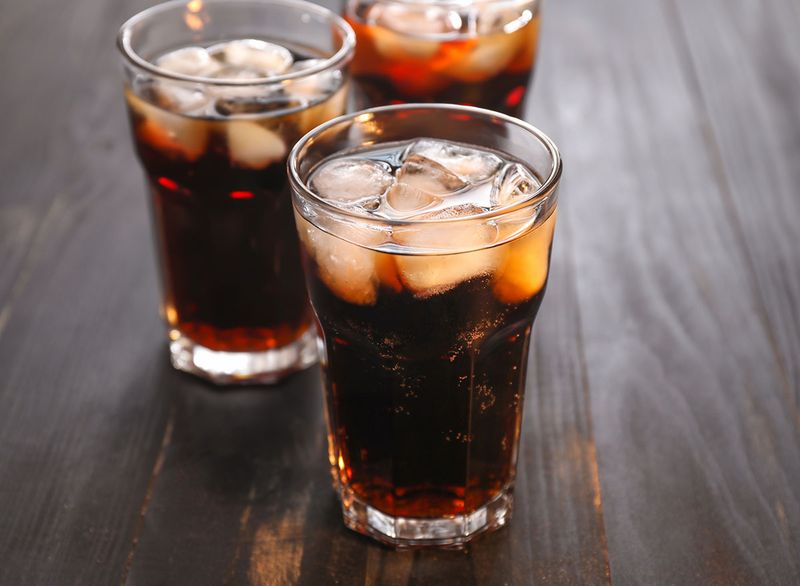
A single can of fizzy drink often contains around 9 teaspoons of sugar, which is more than a child's entire recommended daily amount. The bubbles might be fun, but the sugar content wreaks havoc on teeth and contributes to weight gain.
Carbonated beverages also contain acids that erode tooth enamel over time. Water, milk, or diluted fresh juice make far better choices for hydration and overall health without the sugar spike.
3. Packaged Crisps And Chips
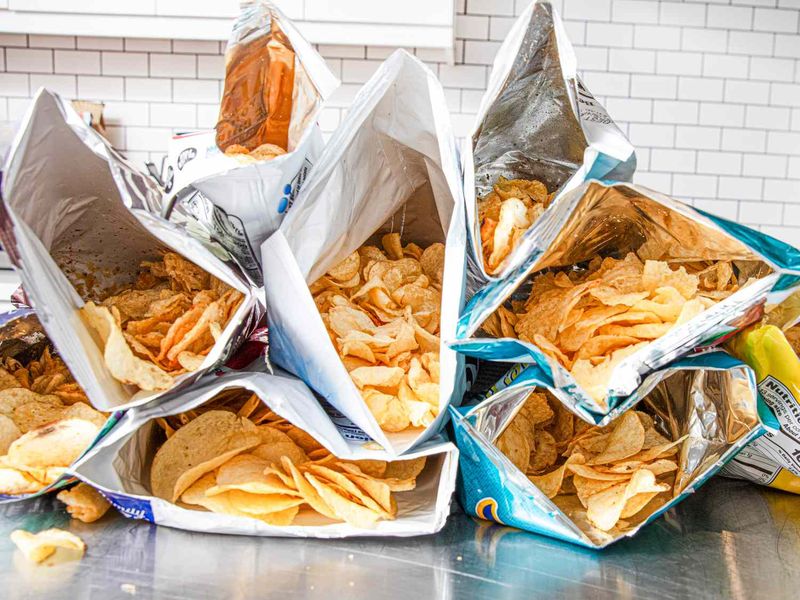
Crunchy and salty, crisps are a lunchbox staple, but they're essentially deep-fried slices loaded with salt and unhealthy fats. Regular consumption can lead to high blood pressure and weight problems even in young children.
Most packets contain very little nutritional value beyond empty calories. Swapping crisps for veggie sticks with hummus or air-popped popcorn gives kids that satisfying crunch without the harmful additives and excessive sodium levels.
4. Sweets And Chocolate Bars
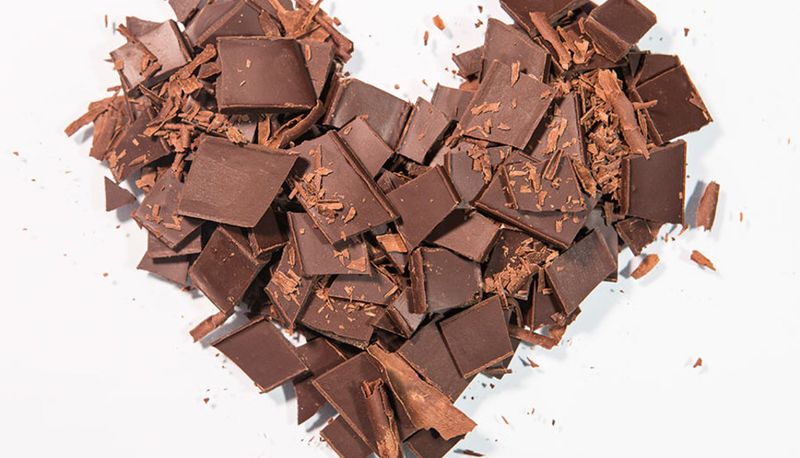
Children's eyes light up at the sight of sweets, but these sugary treats offer nothing but empty calories and tooth decay. The quick sugar rush is followed by an energy slump that affects behaviour and concentration.
Chocolate bars often contain palm oil and artificial flavourings alongside excessive sugar. Limiting sweets to special occasions rather than daily treats helps children develop healthier relationships with food and protects their dental health long-term.
5. Processed Meats Like Sausages And Nuggets

Convenient and popular, processed meats like sausages and nuggets contain high levels of sodium, saturated fat, and preservatives. Many brands use meat scraps and fillers rather than quality cuts, reducing nutritional value significantly.
Regular consumption has been linked to increased health risks later in life. Grilled chicken breast, homemade turkey meatballs, or bean burgers provide protein without the harmful additives found in heavily processed meat products.
6. White Bread And Refined Grains
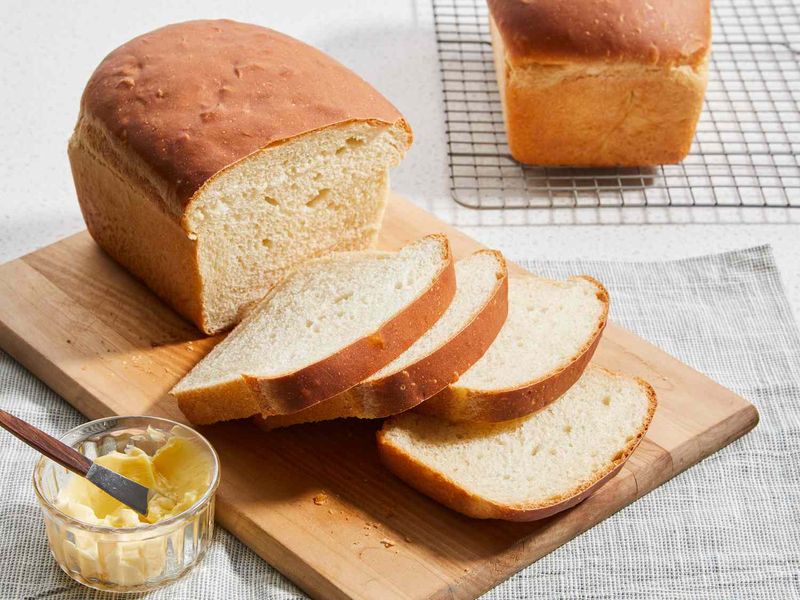
White bread might be soft and easy to chew, but the refining process strips away fibre, vitamins, and minerals, leaving mostly starch. This causes blood sugar to spike and drop quickly, affecting energy and appetite.
Wholemeal or seeded bread provides lasting energy and important nutrients that support growth and development. Gradually switching to wholegrain options helps children adjust whilst ensuring they receive the fibre needed for healthy digestion.
7. Fast Food Burgers And Fries

The combination of a burger and fries delivers a massive hit of calories, unhealthy fats, and sodium in one sitting. Fast food chains design their meals to be irresistible, but frequent consumption contributes to childhood obesity and poor nutrition.
These meals lack essential vitamins and minerals children need for proper growth. Homemade burgers using lean mince and oven-baked sweet potato wedges offer similar satisfaction with significantly better nutritional value.
8. Sugary Desserts And Pastries

Birthdays and celebrations often feature cakes and pastries, but making these treats an everyday occurrence floods young bodies with refined sugar and unhealthy fats. Shop-bought versions frequently contain artificial colours and preservatives too.
The sugar content in a single doughnut can exceed a child's daily recommendation. Reserving desserts for special moments teaches moderation, whilst fruit-based treats or homemade oat biscuits satisfy sweet cravings more healthily throughout the week.
9. Flavoured Yoghurts High In Sugar
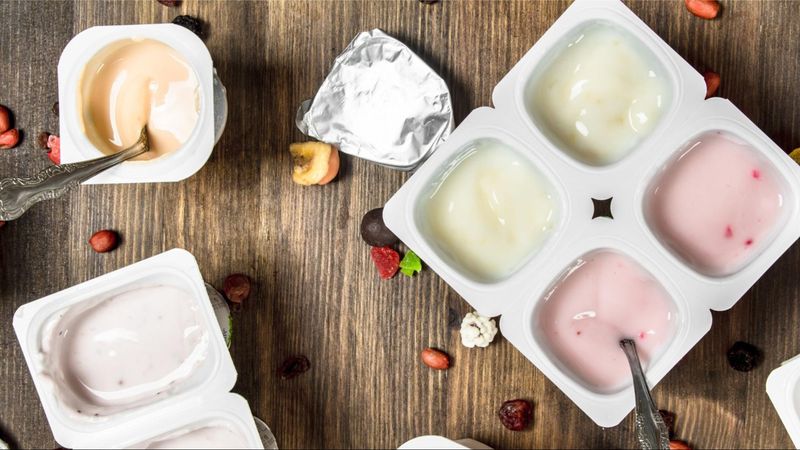
Yoghurt sounds healthy, but many children's varieties contain as much sugar as ice cream, disguised by fruity flavours and cartoon characters. The added sugar cancels out the benefits of calcium and probiotics these products might otherwise provide.
Reading labels reveals shocking sugar levels in supposedly nutritious snacks. Plain natural yoghurt with fresh berries or a drizzle of honey gives children the genuine health benefits without the unnecessary sugar that damages teeth and energy levels.
10. Instant Noodles
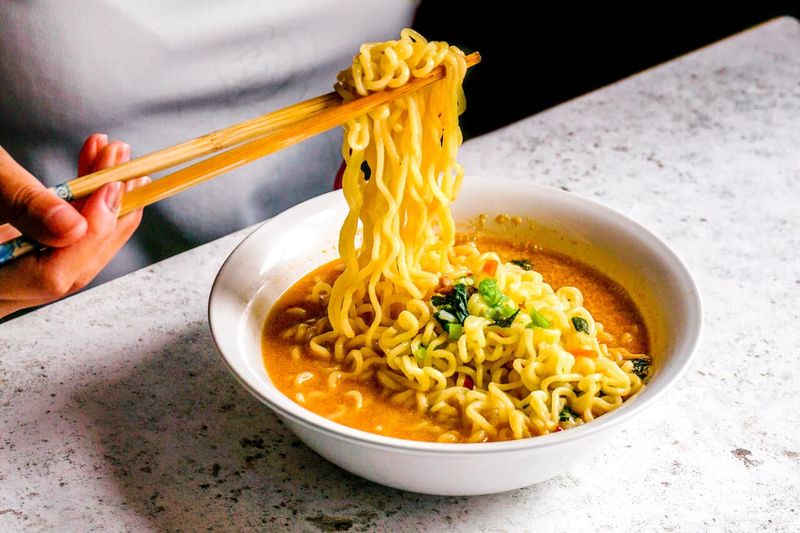
Quick and cheap, instant noodles appeal to busy families, but they're incredibly high in sodium and contain very few nutrients. The flavouring packets are loaded with salt and artificial additives that children's developing bodies don't need.
One serving can contain half a child's daily sodium allowance. Wholemeal pasta with homemade tomato sauce or vegetable stir-fry with rice noodles takes only slightly longer to prepare whilst providing genuine nourishment instead of empty calories.
11. Sweetened Fruit Juices

Fruit juice seems like a healthy choice, but most shop-bought varieties contain added sugar and lack the fibre found in whole fruit. Even 100% juice concentrates natural sugars into liquid form, making it easy to consume excessive amounts.
A glass of orange juice contains similar sugar to fizzy drinks. Whole fruit provides fibre that slows sugar absorption and keeps children fuller longer. Water remains the best everyday drink choice for hydration.
12. Energy Bars And Granola Bars
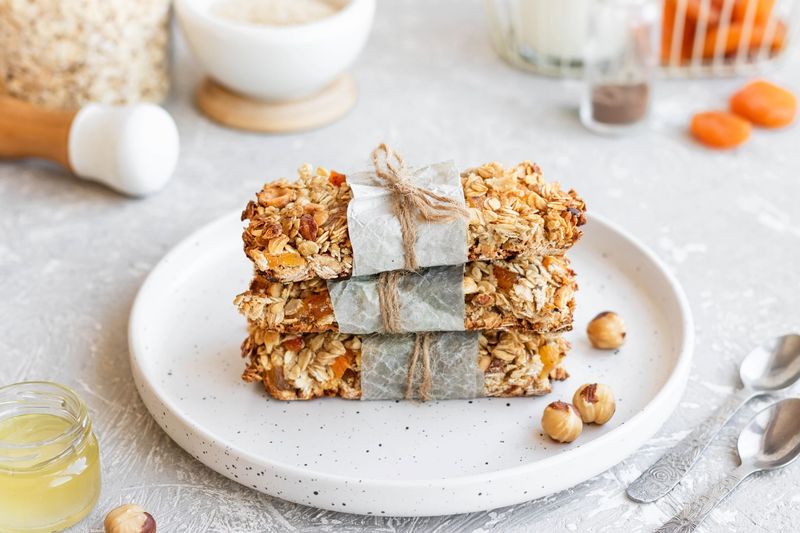
Marketed as convenient snacks for active children, many granola and energy bars are essentially chocolate bars in disguise. They're packed with sugar, syrups, and processed ingredients despite their healthy appearance and clever packaging.
The sugar content often rivals actual confectionery. Homemade flapjacks using oats, mashed banana, and a handful of raisins provide genuine sustained energy for sports and activities without the hidden sugars found in commercial varieties that undermine their supposed health benefits.