



If you’ve ever shared a meal with someone from the Balkans, you’ve probably realised food there isn’t just food - it’s a full-blown experience. From endless bread on the table to dishes that defy mealtime labels, Balkan dining traditions can leave outsiders both amazed and slightly baffled.
These customs might seem quirky at first, but they all tell a delicious story about warmth, pride, and togetherness.
This article is for general cultural interest and culinary enjoyment. Traditions and dishes vary by region and family, and interpretations may differ across the Balkans. Photos are for illustrative purposes only.
1. Guests Don't Leave Empty-Stomached
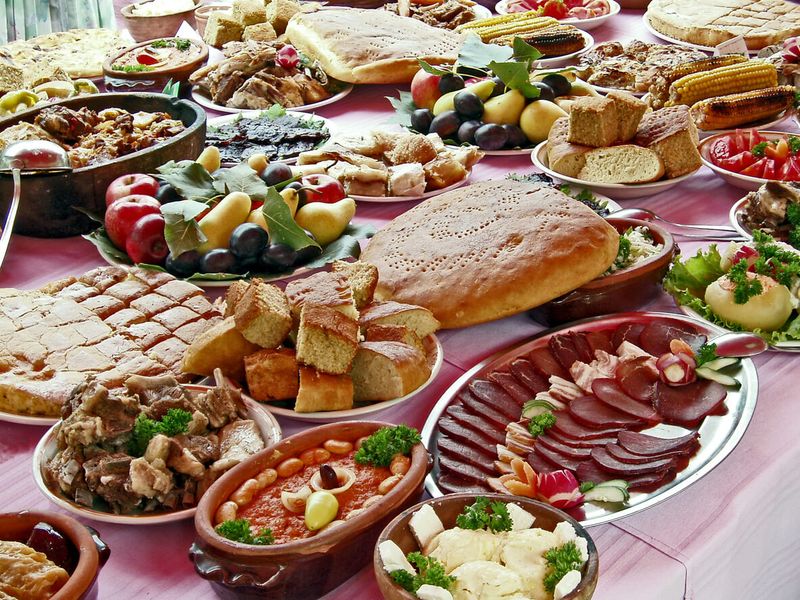
Refusing food in a Balkan household is practically impossible. Hosts will pile your plate high, then refill it before you've finished, insisting you're too thin.
This generosity stems from centuries of hospitality traditions where feeding guests was a sacred duty. Even unexpected visitors receive full meals, never just snacks.
Leaving hungry would deeply offend your host, so stretchy trousers are essential.
2. Coffee Solves Everything
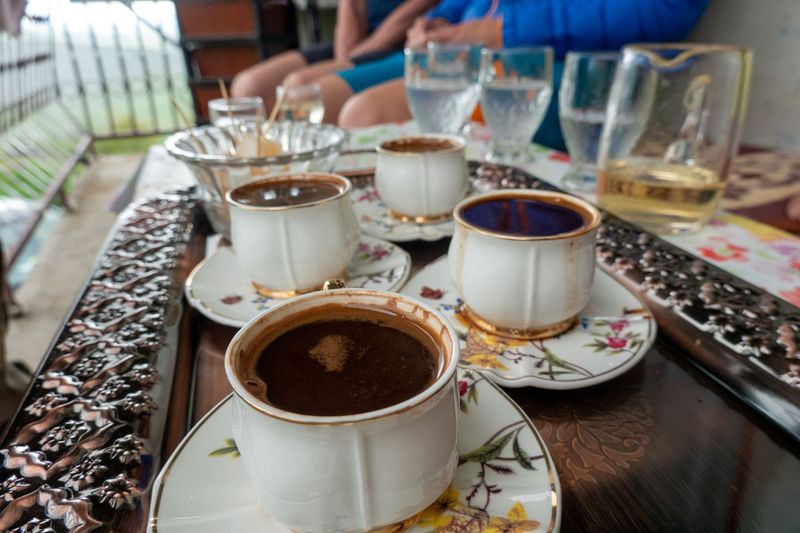
Got a problem? Sit down for coffee. Need to gossip? Coffee time. Important business decision? Coffee first. Balkan coffee culture transforms every occasion into a ritual.
The thick, strong brew is sipped slowly whilst conversations unfold for hours. Rushing through coffee is considered rude and suspicious.
Fortune-telling from coffee grounds adds mystical importance to each cup.
3. Salad Must Swim In Oil
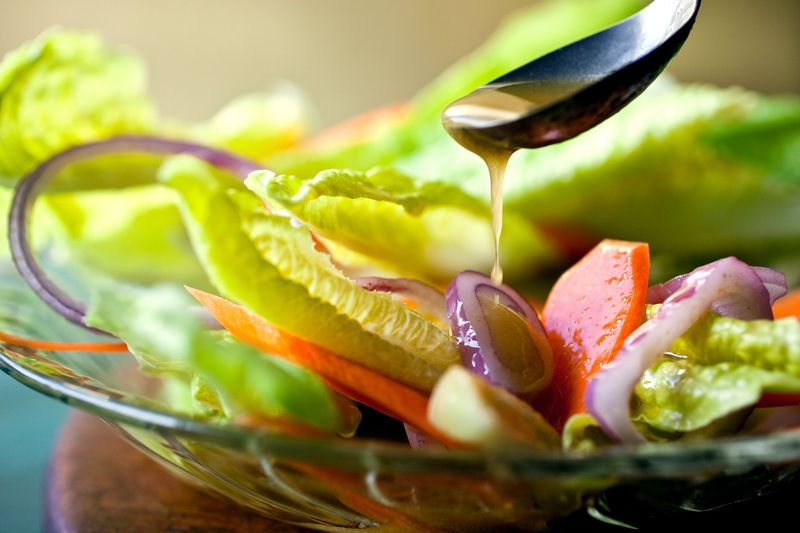
Balkan salads aren't lightly dressed - they're practically submerged. Olive oil pools at the bottom of the bowl, sometimes half an inch deep.
This isn't carelessness; it's intentional. The oil is meant for dipping bread, adding richness, and showing abundance.
Outsiders often stare in disbelief, but locals know the oily puddle is the best part of the meal.
4. Soup Heals Everything
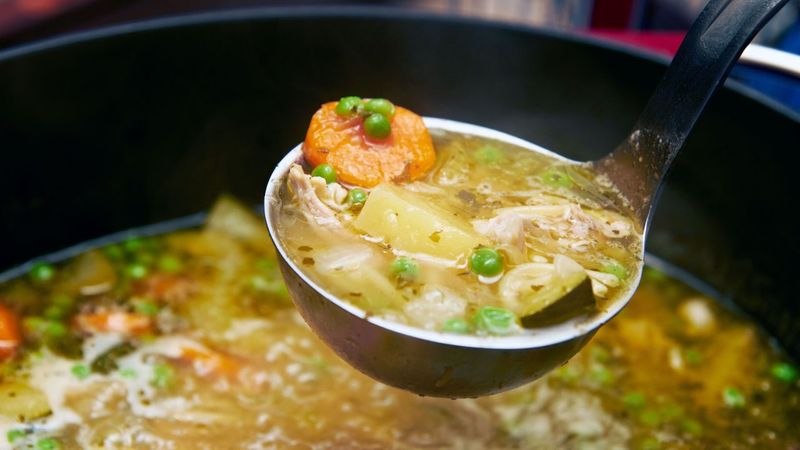
Feeling poorly? Soup. Broken heart? Soup. Bad weather? Definitely soup. Balkan grandmothers firmly believe soup possesses magical healing powers for any ailment.
Chicken soup, beef broth, and vegetable stews are prescribed like medicine. The hotter and saltier, the better the cure supposedly works.
Scientific evidence matters little when tradition has proven soup's effectiveness for generations.
5. There's Always Room For Dessert, Especially Baklava
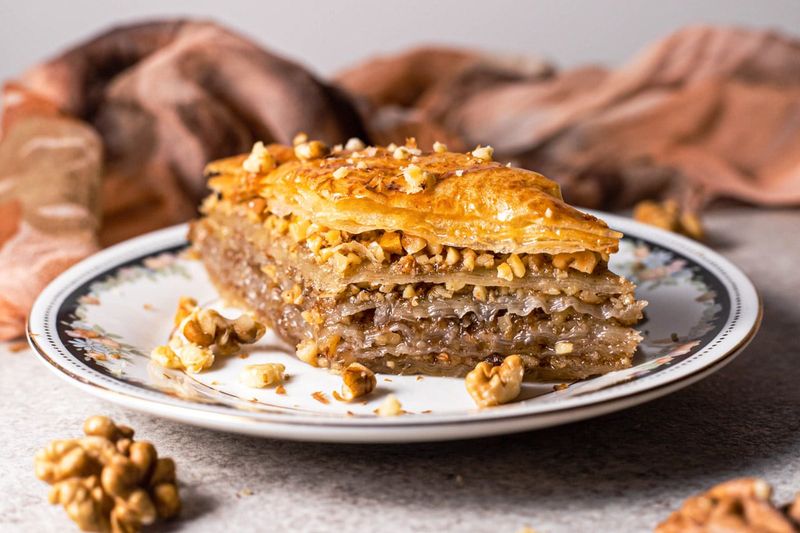
No matter how stuffed you claim to be, dessert isn't optional. Baklava appears like clockwork, its sticky sweetness impossible to refuse.
Hosts have prepared these labour-intensive pastries for days, and declining would devastate them. Each bite contains hours of careful layering and love.
Somehow, despite protesting fullness, everyone finds space for at least three pieces of the honeyed treat.
6. Bread With Everything
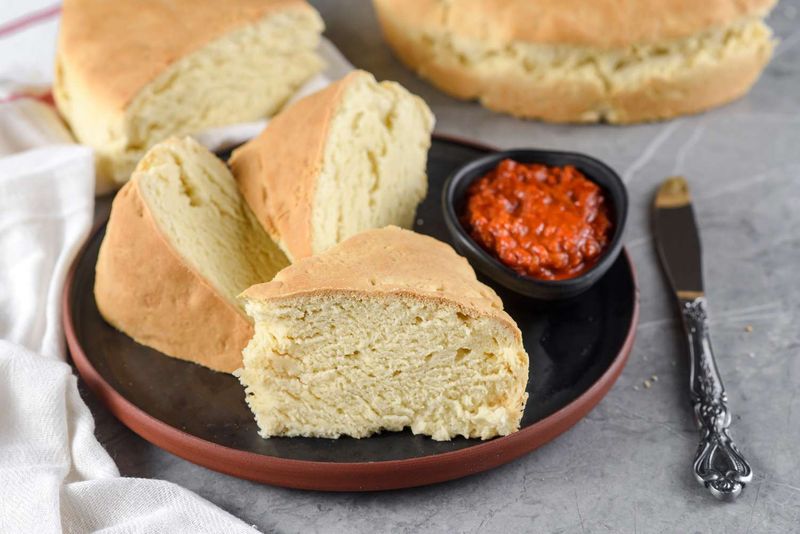
Bread accompanies every single meal, even pasta! It's not just a side - it's essential equipment for proper eating.
Balkan people use bread to push food onto forks, soak up sauces, and make impromptu sandwiches from dinner leftovers. A breadless table feels incomplete and wrong.
Running out mid-meal causes genuine panic and emergency bakery runs.
7. Grandma Always Knows When You're Hungry
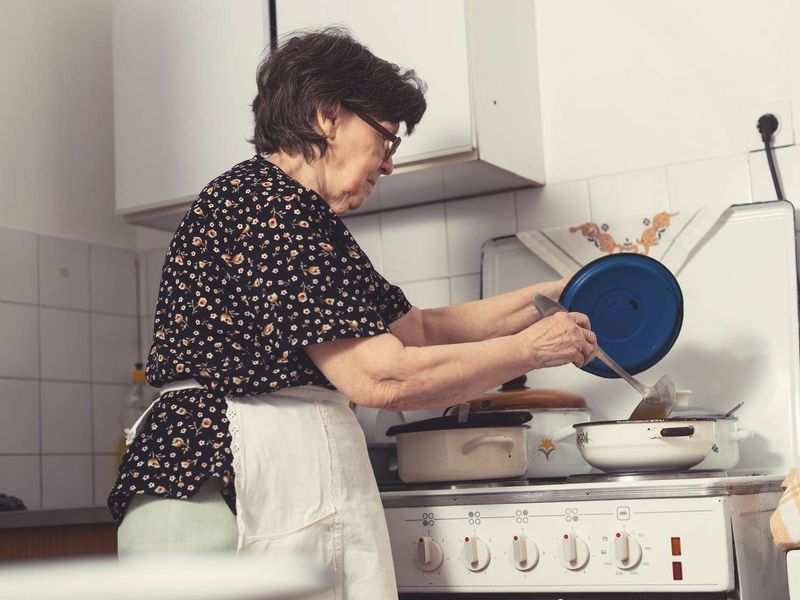
Balkan grandmothers possess supernatural abilities to detect hunger before you feel it yourself. They'll start cooking the moment you arrive, reading invisible signs.
Protesting that you've just eaten elsewhere makes no difference. She knows better, and within minutes, plates appear as if by magic.
8. Never Wasting A Crumb
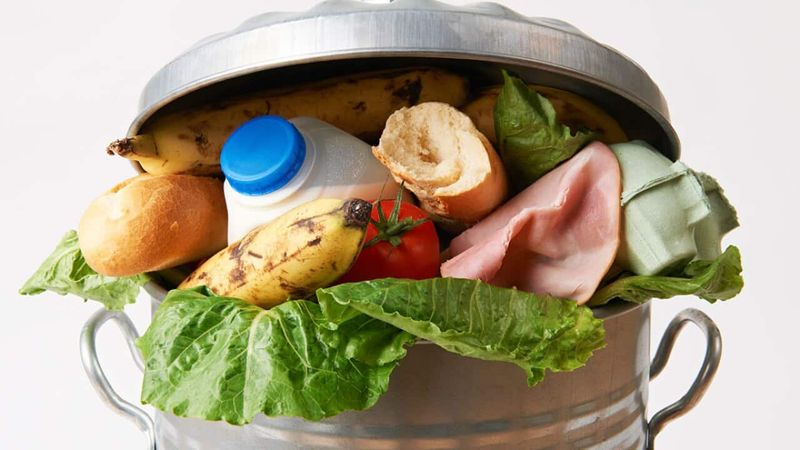
Throwing away food is practically sinful in Balkan culture. Every scrap gets repurposed: stale bread becomes breadcrumbs, leftover meat transforms into pies.
This resourcefulness comes from historical hardships when wasting food meant going hungry. Grandparents still remember those difficult times vividly.
Modern abundance hasn't changed these habits - respect for food remains deeply ingrained in every generation.
9. Burek Is Always The Answer
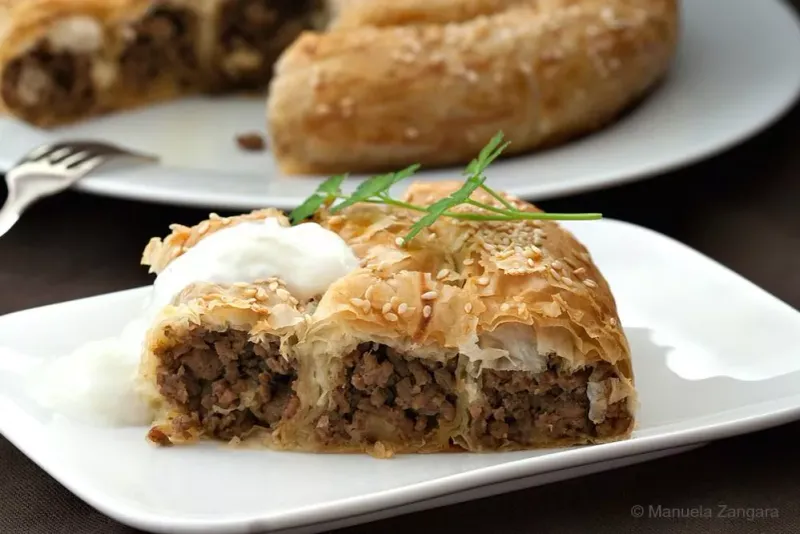
Breakfast? Burek. Lunch? Burek. Midnight snack? Obviously burek. This flaky pastry filled with cheese, meat, or spinach solves every food dilemma imaginable.
Passionate debates rage over which filling is superior and whether potato burek counts as real burek. These arguments can last hours.
Bakeries sell it fresh every morning, and the queues prove its legendary status.
10. Ajvar Goes With Absolutely Everything
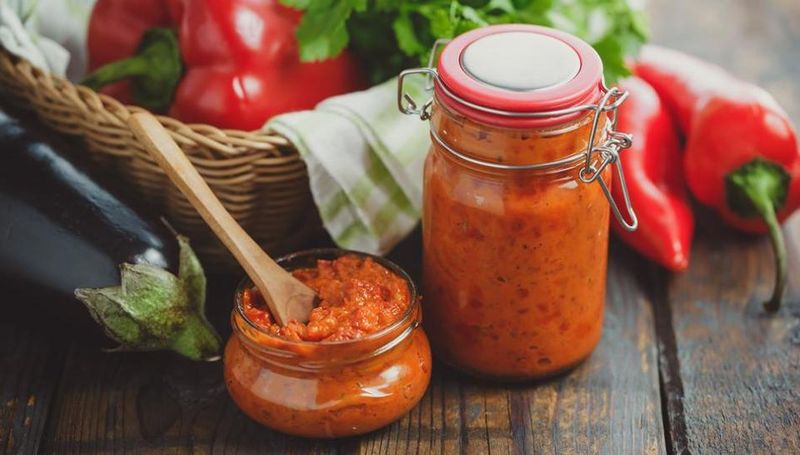
This roasted red pepper spread appears at every meal, slathered on bread, meat, eggs, and even other vegetables. Balkan people genuinely believe it improves everything.
Autumn means families gather to roast mountains of peppers, creating ajvar in massive batches. The process takes days but yields jars lasting all year.
11. The Smell Of Roasted Peppers Means Summer's Ending
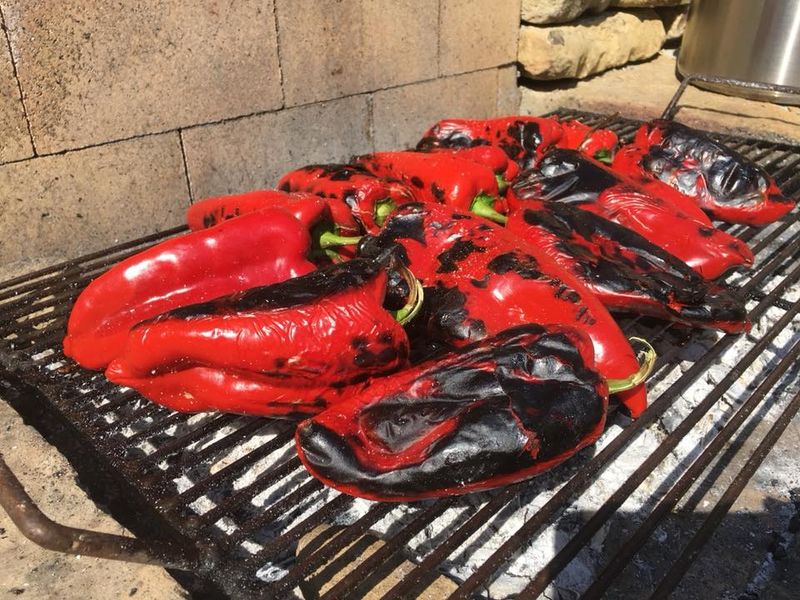
When smoky pepper aromas fill neighbourhoods, everyone knows summer is finishing. This scent signals ajvar-making season, a bittersweet autumn ritual.
Families roast peppers outdoors for hours, blackening skins over flames. The tedious peeling and grinding follows, with multiple generations working together.
It's exhausting work, but the smell triggers nostalgic memories of changing seasons and family gatherings.
12. Winter Begins When The Jars Are Filled
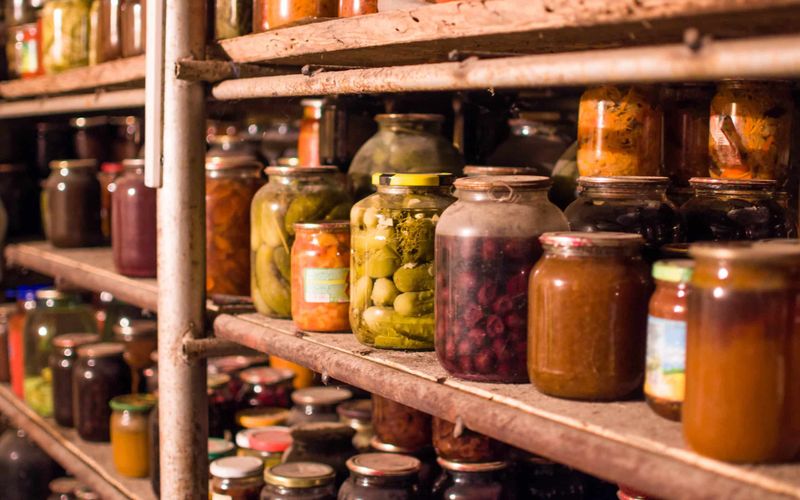
Winter preparations involve filling countless jars with pickles, ajvar, jams, and preserved vegetables. Empty pantry shelves cause genuine anxiety about surviving cold months.
This preserving tradition ensures variety during winter when fresh produce disappears. Each jar represents security, resourcefulness, and connection to ancestral survival skills. Showing off full pantries is a point of pride amongst neighbours and relatives.
13. Every Holiday Starts In The Kitchen
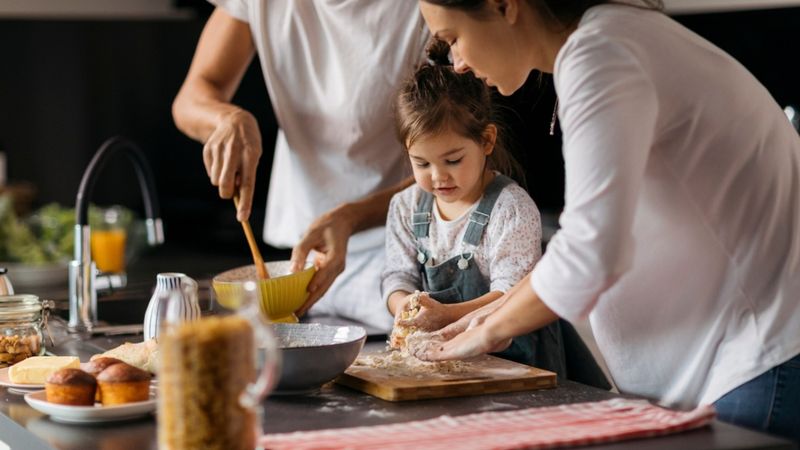
Holiday celebrations begin days before the actual date, with kitchens transforming into production centres. Women gather to cook enormous quantities of traditional dishes together.
The preparation itself is part of the celebration - sharing recipes, gossip, and laughter whilst hands stay busy. Younger generations learn techniques passed down for centuries. By the holiday, tables groan under the weight of lovingly prepared feasts.