













Not everything that looks healthy on a grocery store shelf actually is. Many foods are cleverly packaged with words like "natural," "low-fat," or "wholesome" — but hidden inside are long lists of artificial ingredients, added sugars, and preservatives.
Ultra processed foods can sneak into your daily routine without you even noticing. Learning which ones to watch out for could make a real difference in how you feel every day.
1. Flavored Yogurt Cups
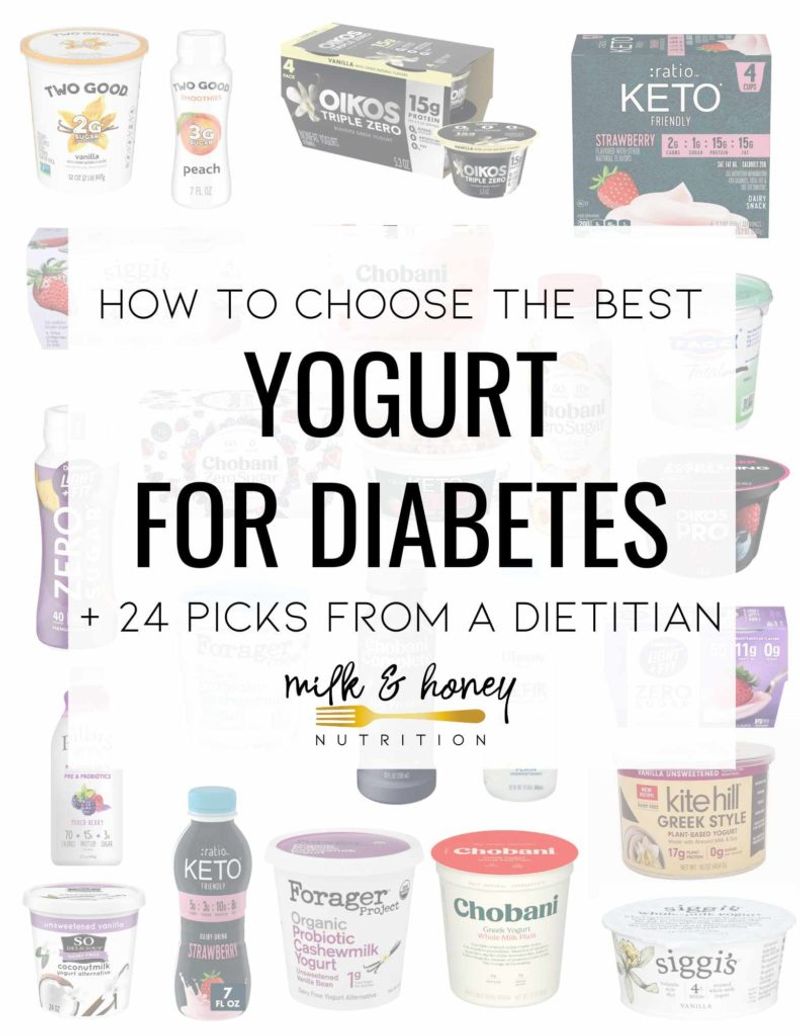
Yogurt sounds like the perfect healthy snack — creamy, light, and full of probiotics. But those fruity, colorful cups at the store are often loaded with added sugars, artificial flavors, and thickening agents like modified starch.
A single serving can contain more sugar than a candy bar. Plain Greek yogurt is a far better choice.
Add your own fresh fruit to keep it genuinely nutritious without the hidden extras.
2. Granola Bars
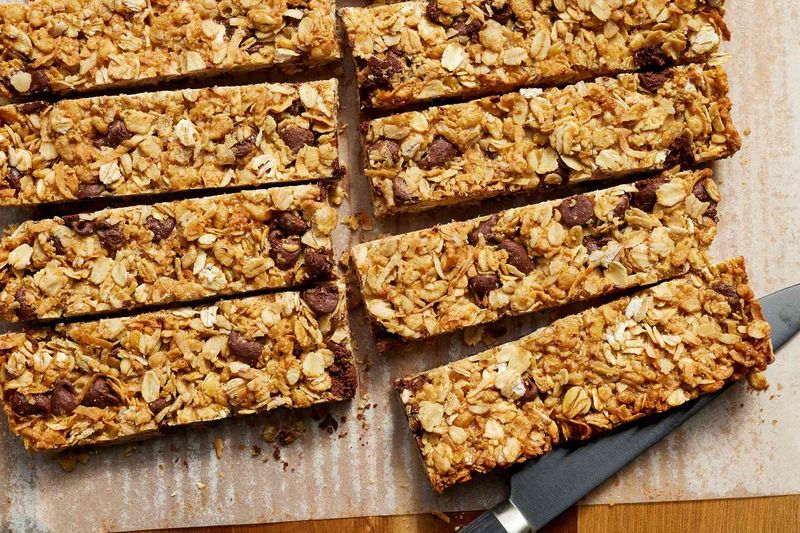
Granola bars have a reputation as the go-to healthy snack for busy people and kids on the run. Flip one over and read the label, though, and you might be surprised by what you find.
Many popular brands are packed with corn syrup, hydrogenated oils, and artificial sweeteners. The oats and nuts are real, but they are often glued together with ingredients that belong more in a candy aisle than a health food section.
3. Plant-Based Meat Burgers
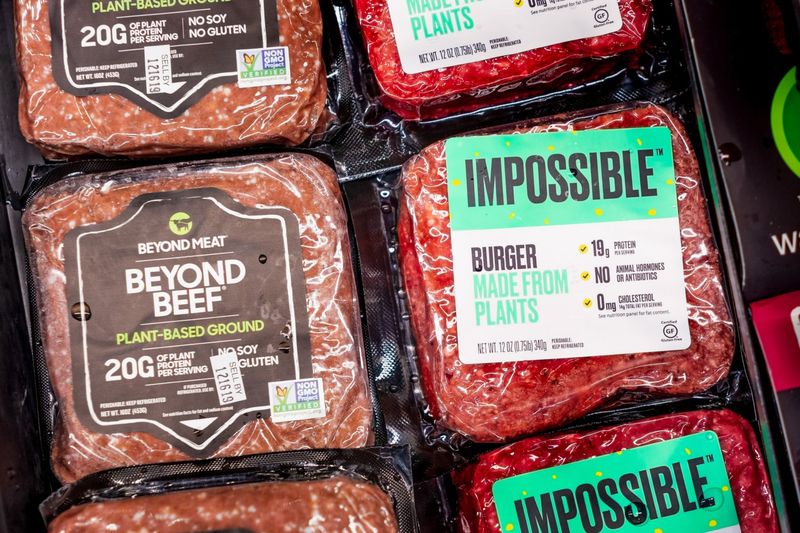
Switching to plant-based burgers feels like a smart, earth-friendly health move. Many people assume skipping real meat automatically means eating cleaner.
The reality is a bit more complicated than that.
Popular plant-based patties often contain methylcellulose, artificial flavors, sodium isolates, and preservatives to mimic the taste and texture of meat. Some versions have more sodium than a fast-food burger.
Real whole foods like lentils or black beans are a much simpler, less processed alternative.
4. Fruit Juice
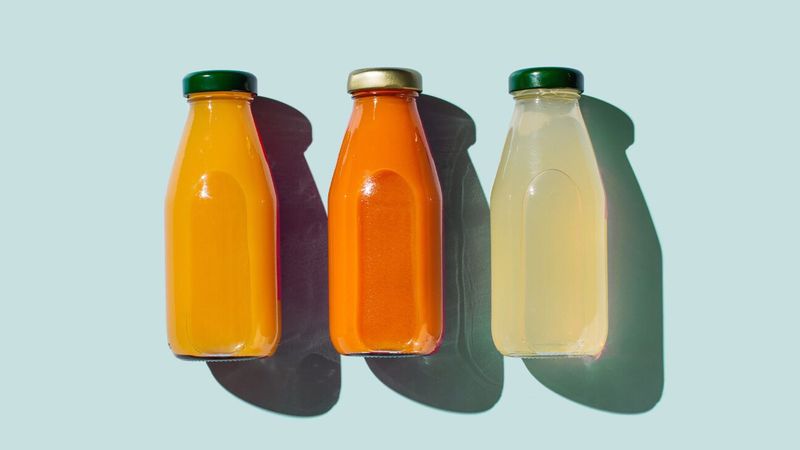
Fruit juice seems like a natural, vitamin-packed drink — especially when the carton shows pictures of fresh-picked oranges or berries. Most store-bought juices, however, have been heavily processed, stripping out the fiber that makes whole fruit so beneficial.
What remains is essentially sugar water with added vitamins. Some juices even contain artificial colors and "natural flavors" that are far from what you would squeeze at home.
Eating whole fruit is almost always the smarter swap.
5. Breakfast Cereals
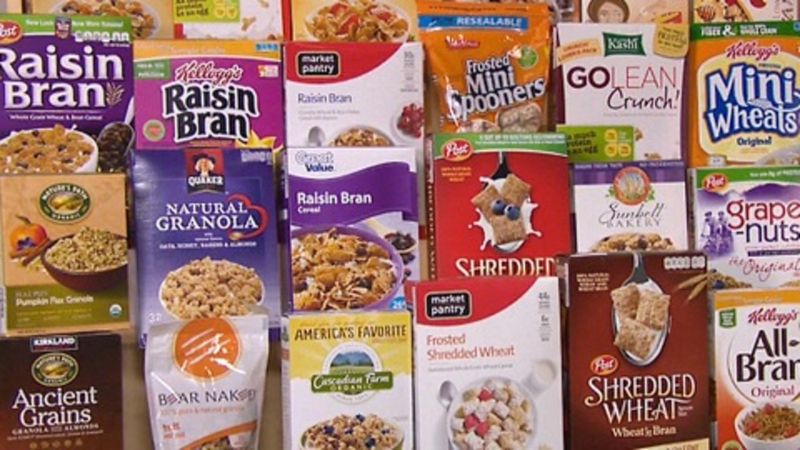
Cereal boxes love to shout about whole grains, added vitamins, and fiber. Walk down any cereal aisle and you will see bold health claims on nearly every box.
But many of these cereals are made from heavily refined grains, artificial colors, and generous amounts of sugar.
Even cereals marketed specifically to kids as nutritious are often among the most processed items in the store. A bowl of oatmeal with no added sugar is a genuinely wholesome morning option worth trying.
6. Veggie Chips
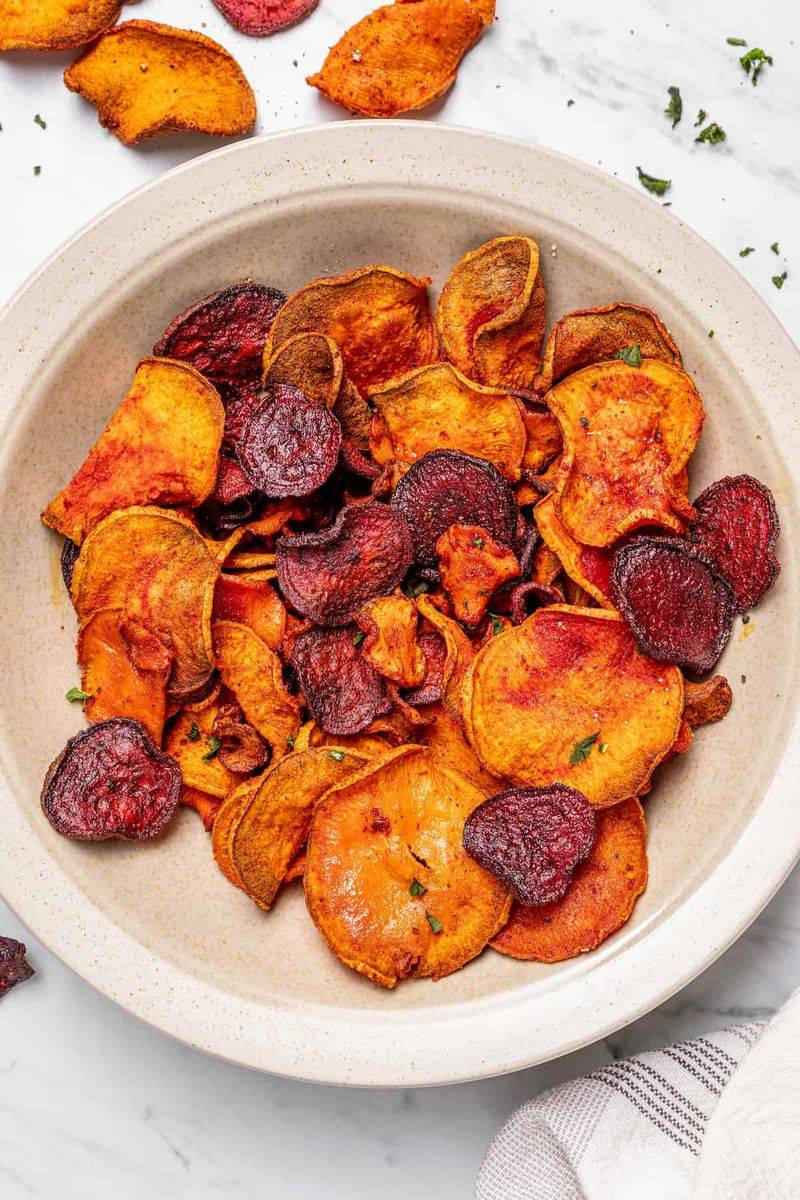
Veggie chips sound brilliant — all the crunch of regular chips but made from vegetables. They practically sound like a guilt-free snack.
Unfortunately, most veggie chips are mostly potato starch or corn flour with a tiny amount of vegetable powder mixed in for color.
They go through the same frying and flavoring process as regular chips, leaving them just as high in sodium and low in real nutrients. Fresh sliced veggies with hummus deliver far more of what your body actually needs.
7. Protein Bars
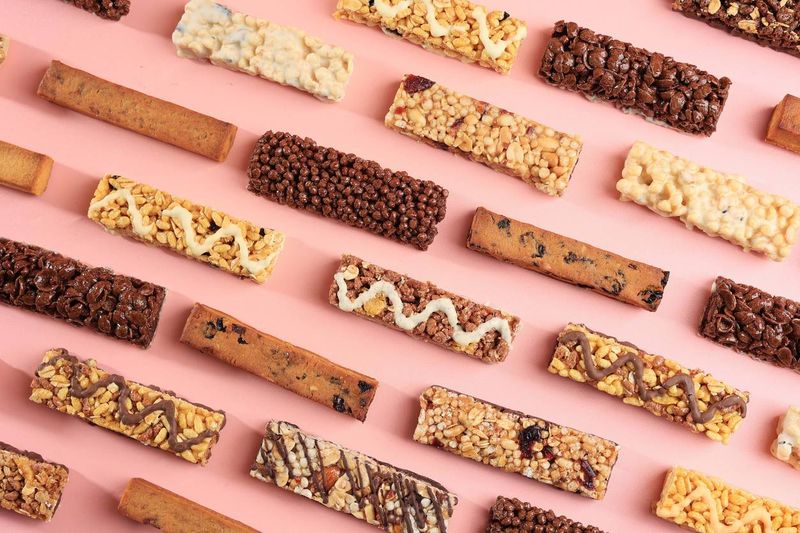
Walk into any gym and protein bars are everywhere, marketed as the ultimate clean fuel for an active body. Many fitness fans eat them daily without questioning what is actually inside.
A closer look at most protein bars reveals a long list of ingredients including sugar alcohols, artificial sweeteners, soy isolates, and synthetic vitamins. Some taste nearly identical to candy bars because they essentially are candy bars with a protein powder makeover.
Real whole food snacks like eggs or nuts are far less complicated.
8. Flavored Oatmeal Packets
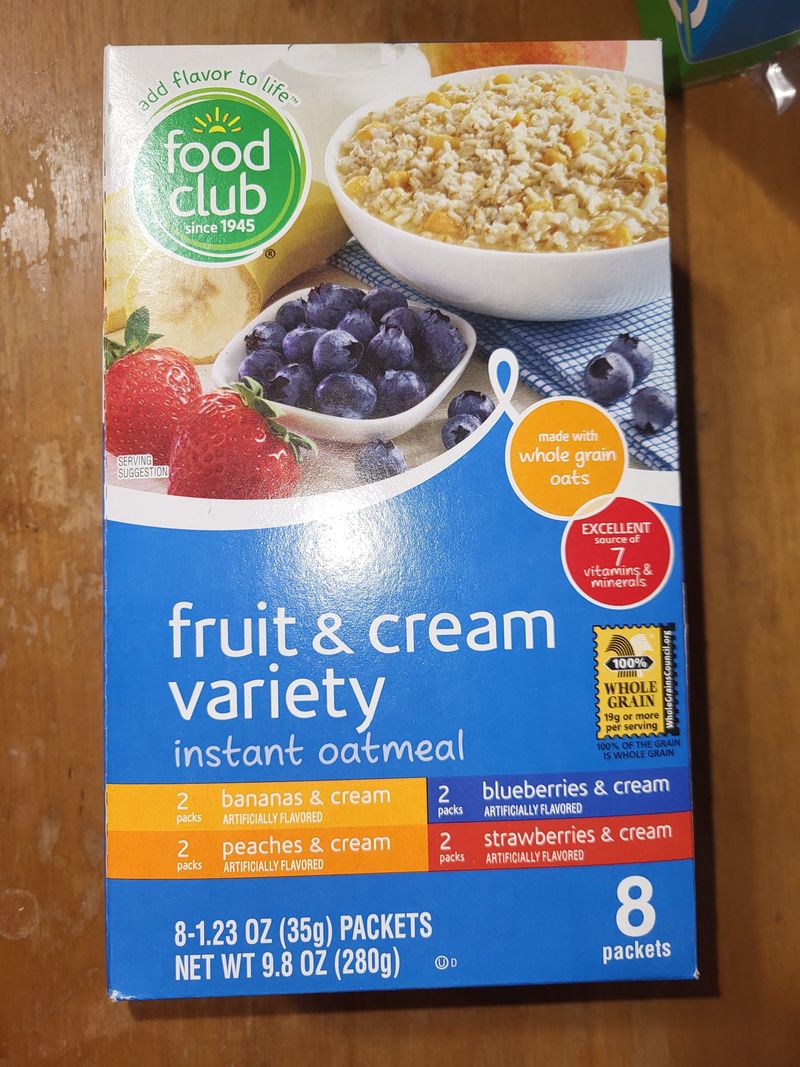
Oatmeal has earned its reputation as one of the best breakfast foods around. Plain oats are genuinely nutritious, high in fiber, and filling.
The problem starts when oats get turned into individually flavored, single-serve packets.
Those convenient little envelopes are often loaded with added sugar, artificial flavoring, and salt to make them taste sweet right out of the bag. Some packets contain more sugar than a glazed donut.
Plain rolled oats with cinnamon and banana are just as quick and far cleaner.
9. Low-Fat Salad Dressings
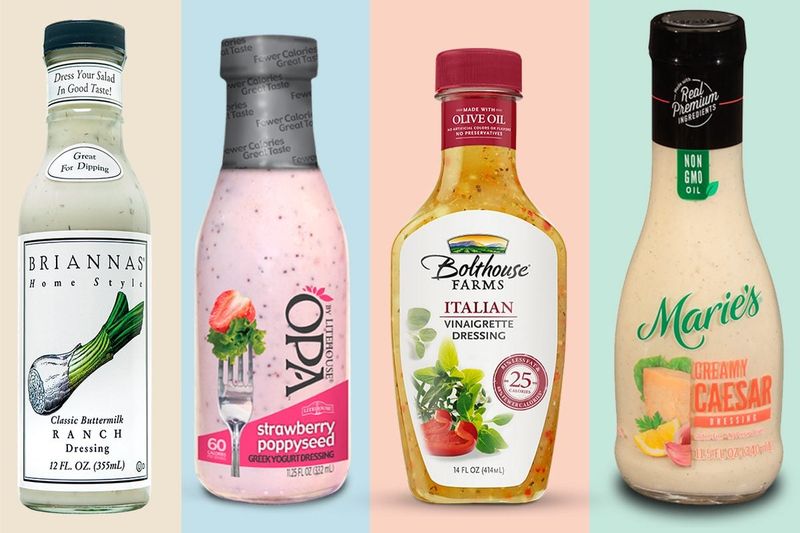
Choosing low-fat dressing at the salad bar feels like a responsible, health-conscious decision. Removing fat from a dressing, however, usually means replacing it with something else to keep the flavor alive.
That something else is typically sugar, corn syrup, modified starch, and a cocktail of artificial preservatives and colors. Many low-fat dressings have more sugar per serving than a cookie.
A simple homemade dressing made with olive oil, lemon, and herbs is both tastier and genuinely better for you.
10. Flavored Almond Milk
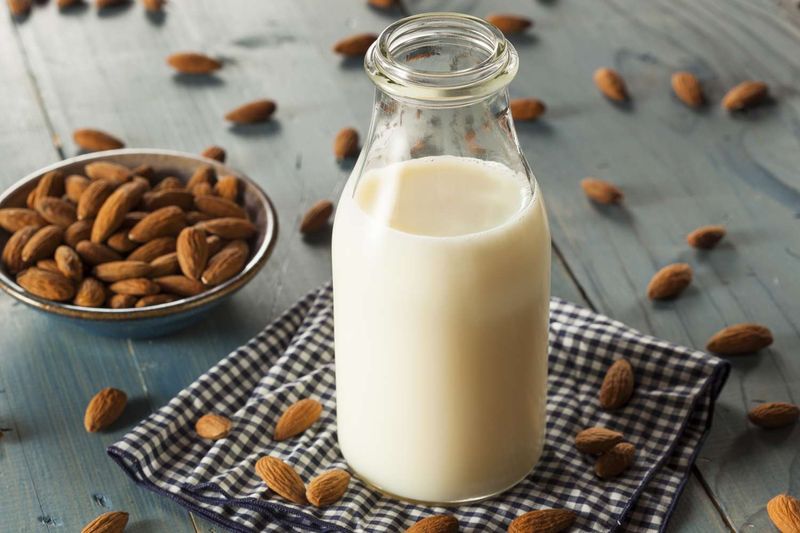
Almond milk became wildly popular as a dairy-free alternative, and the vanilla or chocolate flavored versions taste wonderfully creamy and sweet. That sweetness, though, comes at a cost most people do not consider.
Flavored almond milks often contain added sugars, carrageenan, synthetic vitamins, and flavor chemicals to make them palatable. The actual almond content in many brands is surprisingly small.
Unsweetened almond milk or plain oat milk with no additives is a cleaner choice that still works great in coffee or cereal.
11. Multigrain Bread

Multigrain bread sounds like an obvious upgrade from plain white bread. Multiple grains, visible seeds on the crust, and a hearty brown color all suggest something genuinely wholesome.
Looks, however, can be seriously misleading here.
Many multigrain loaves are made from refined white flour with a handful of grains added for appearance. They often include dough conditioners, preservatives, and added sugars to extend shelf life and improve texture.
Bread with 100% whole grain as the first ingredient is the version worth buying.
12. Smoothie Pouches and Bottled Smoothies
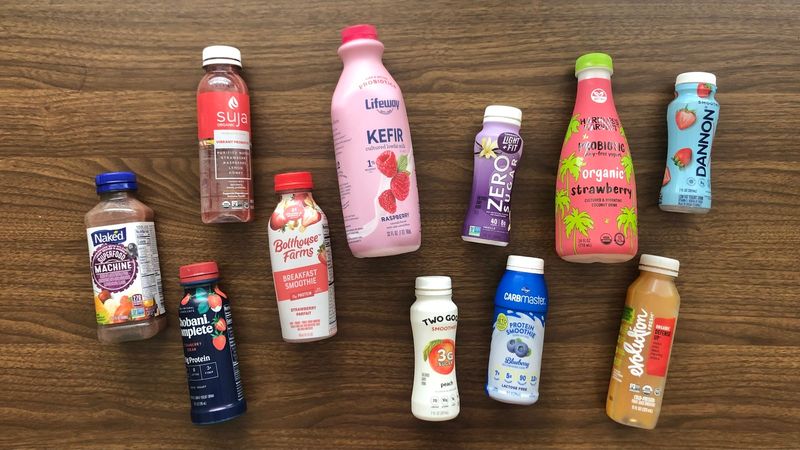
Bottled smoothies look like the ultimate health drink — blended greens, tropical fruits, and superfoods all in one convenient bottle. They are a favorite among busy people who want nutrition on the go.
Most store-bought smoothies, however, are pasteurized at high heat, which destroys many natural nutrients. Added fruit concentrates, sweeteners, and stabilizers are common ingredients.
A single bottle can contain over 40 grams of sugar. Blending your own smoothie at home takes only minutes and gives you full control over every ingredient.
13. Rice Cakes
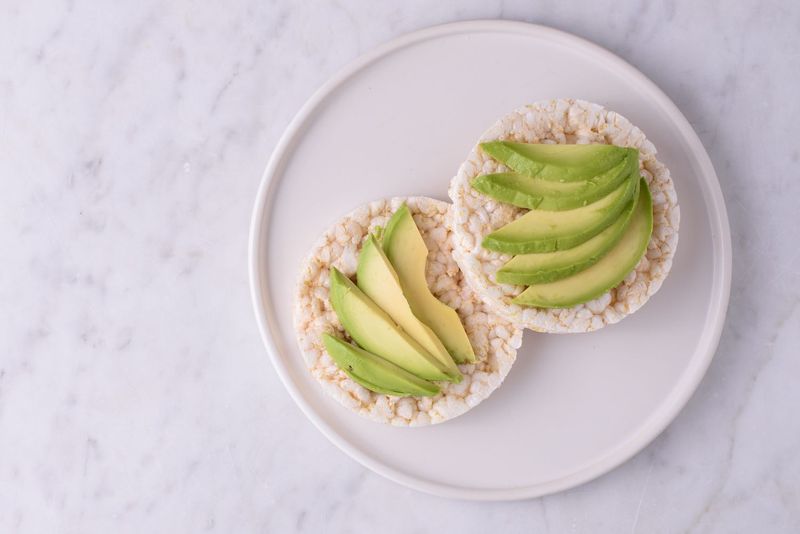
Rice cakes have been a diet staple for decades, beloved for being light, crunchy, and low in calories. They feel like the responsible snack choice, especially when trying to cut back on heavier foods.
Plain rice cakes are highly processed and have almost no nutritional value — they are basically puffed air with a high glycemic index that spikes blood sugar quickly. Flavored versions add artificial seasonings and salt to the mix.
Pairing any rice cake with nut butter at least adds some protein and healthy fat.
14. Diet and Zero-Sugar Sodas
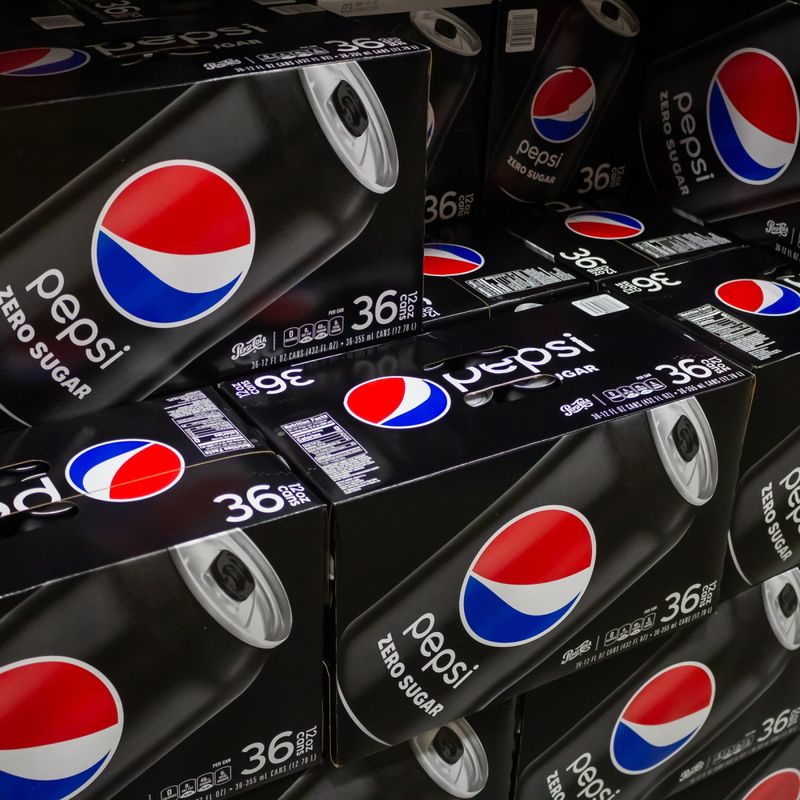
Zero sugar, zero calories — diet sodas seem like the perfect way to enjoy a fizzy drink without any of the downsides of regular soda. Millions of people make the switch believing it is a healthier lifestyle choice.
Research suggests artificial sweeteners like aspartame and sucralose may disrupt gut bacteria and trick the brain into craving more sweetness. Diet sodas are also highly acidic, which can harm tooth enamel over time.
Sparkling water with a squeeze of fresh citrus is a genuinely refreshing alternative without the artificial chemistry.
15. Flavored Nuts and Trail Mix
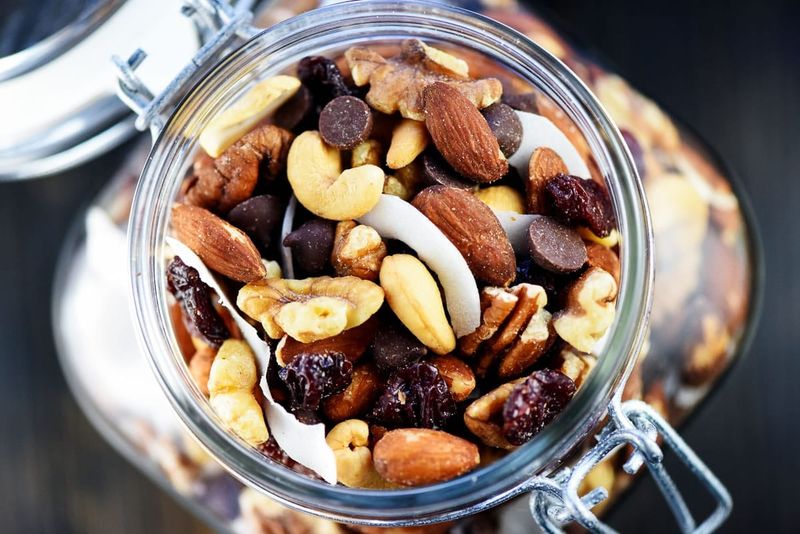
Trail mix has long been considered the ultimate healthy snack for hikers, travelers, and busy students alike. Nuts and dried fruit together sound like a powerhouse combination of energy and nutrition.
Many commercial trail mixes, however, include candy-coated pieces, sweetened dried fruit loaded with added sugar, and nuts roasted in hydrogenated oils with artificial flavorings. The result is a snack that mimics the look of something wholesome while delivering a surprising amount of sugar and unhealthy fats.
Plain raw mixed nuts are a far superior option.
16. Instant Noodles and Ramen Packets
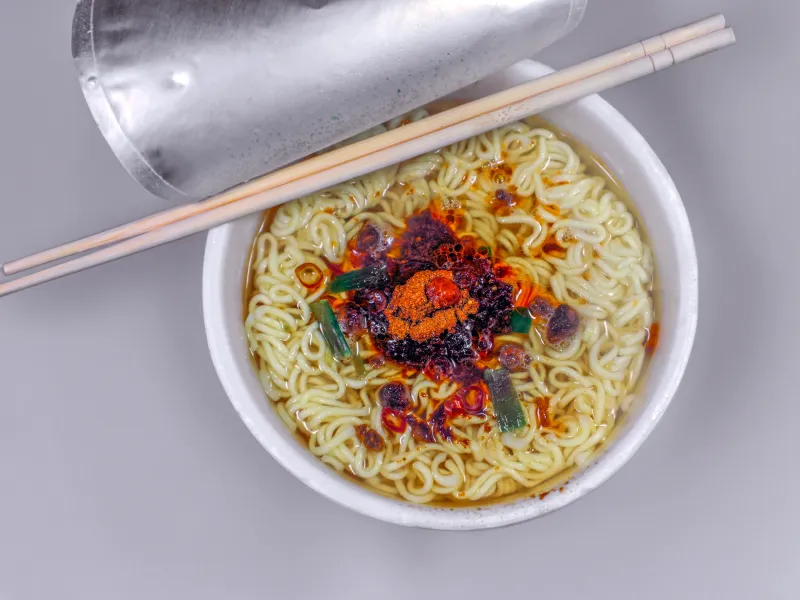
Instant ramen is affordable, fast, and oddly comforting on a cold evening. College students and busy families have relied on it for years as a quick meal solution.
But the convenience comes with a real nutritional cost.
Instant noodles are made from refined flour and fried in palm oil before drying. The flavor packets are packed with sodium, MSG, artificial flavors, and preservatives.
One serving can contain close to a full day's worth of salt. Occasional indulgence is fine, but making it a daily habit is worth reconsidering.
17. Flavored Greek Yogurt Drinks
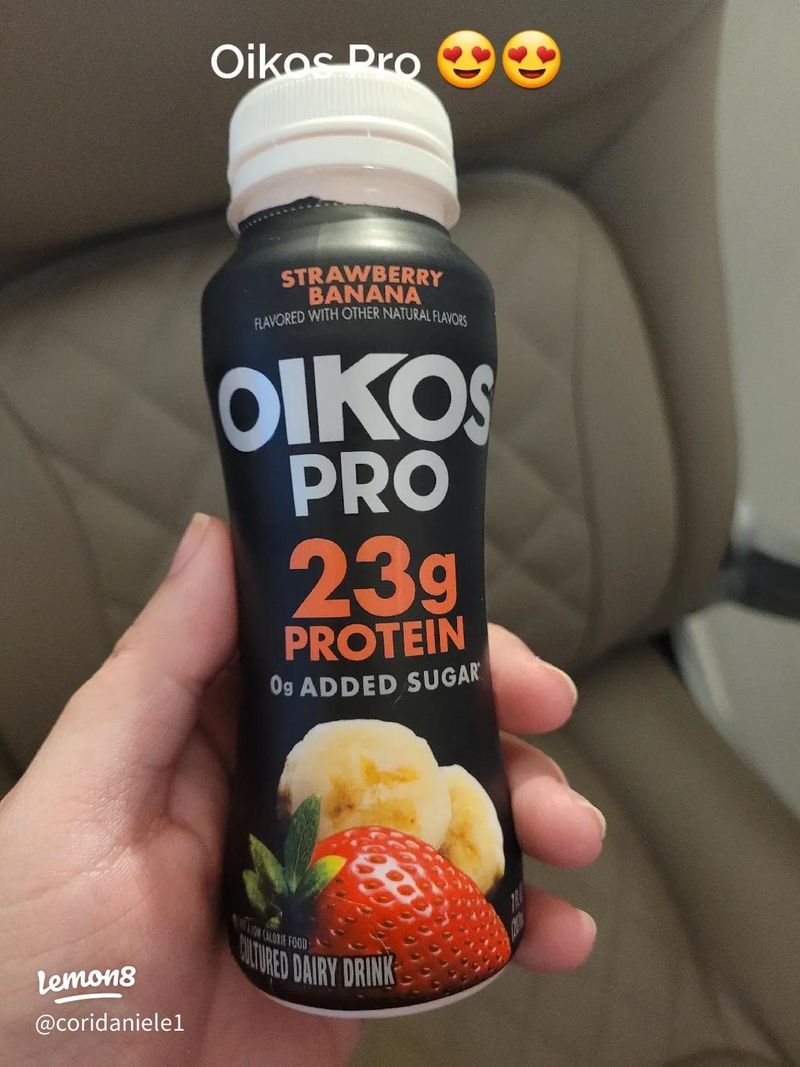
Drinkable yogurt products have exploded in popularity, especially ones marketed as high-protein or probiotic-rich. They are positioned as a quick, nutritious breakfast or post-workout snack for health-focused consumers.
Most flavored yogurt drinks contain significant amounts of added sugar, artificial fruit flavors, and thickeners like pectin or gelatin. The probiotic content is often far lower than what is found in plain fermented yogurt.
Reading labels carefully before purchasing is always a smart habit, especially when a product is sold using health buzzwords as its main selling point.
18. Microwave Popcorn

Popcorn is genuinely a whole grain, and when prepared simply, it can be a reasonably healthy snack. The microwave version, however, is a very different product from what you might pop at home on the stove.
Many microwave popcorn bags are lined with chemicals like PFAS, and the flavoring packets contain artificial butter, excessive salt, and preservatives. Some brands still use diacetyl or similar compounds linked to lung irritation.
Air-popped popcorn with a drizzle of olive oil and a pinch of sea salt gives you all the crunch without the chemical baggage.
19. Vitamin Water and Enhanced Water Drinks
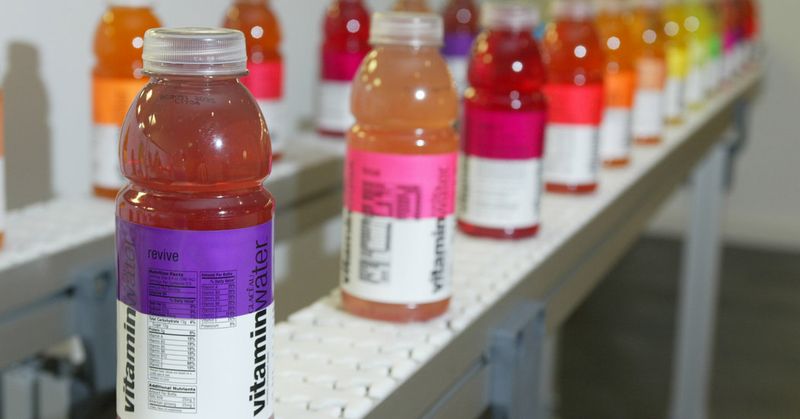
Vitamin water sounds almost medicinal — hydration plus nutrients in one convenient bottle. The colorful bottles and scientific-sounding labels make it feel like a genuinely smart beverage choice for health-conscious shoppers.
Most vitamin waters contain 30 or more grams of added sugar per bottle along with artificial colors and synthetic vitamin forms that the body absorbs poorly. The vitamins are often added back in after heavy processing, not naturally present.
Plain water with a slice of lemon or cucumber gives your body real hydration without any of the unnecessary extras.
20. Frozen Veggie Meals and Bowls
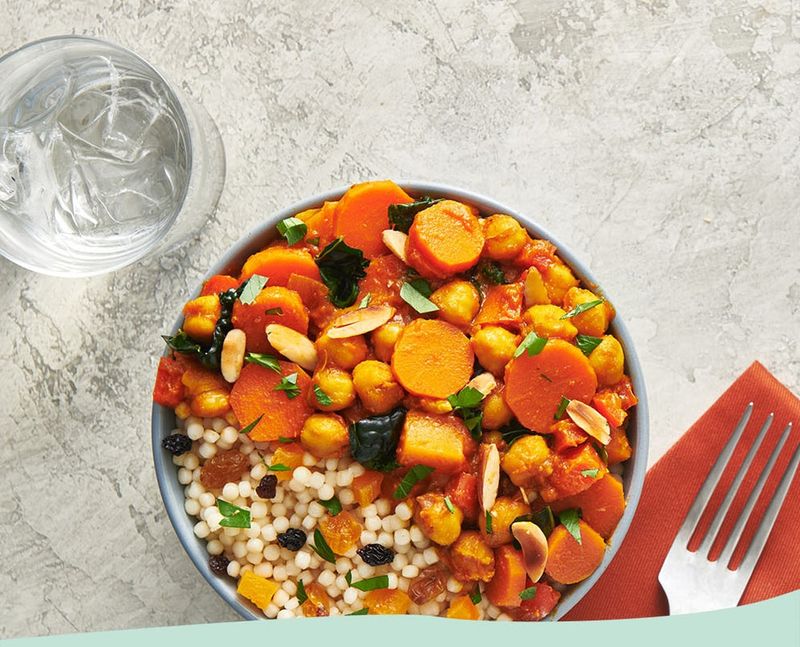
Frozen veggie bowls with quinoa, kale, and roasted sweet potato look like a meal prep dream come true. The packaging often features earthy colors and clean design that signals healthy eating without much effort required.
Many of these bowls, however, contain high-sodium sauces, modified food starch, natural flavors, and preservatives to keep them shelf-stable for months. The vegetables may be real, but the overall product is still heavily engineered.
Cooking a simple veggie bowl at home from scratch takes about the same time as heating one of these up.




Comments
No Comments