









Pizza has a funny way of feeling both familiar and endlessly surprising. You might think you know it inside out, yet every slice carries little details shaped by history, habit, and tradition.
From how it’s made to how it’s eaten, there’s far more going on than melted cheese and sauce. Stick around and you’ll start seeing your next pizza night a little differently.
All information is provided for general interest only. Culinary traditions and practices can vary by region and over time.
1. Pizza Originated In Naples, Italy

Naples holds the crown as the birthplace of what we now call pizza. Back in the 18th century, working-class families needed something quick, cheap, and filling to eat on the go.
Flatbreads topped with simple ingredients like tomatoes, cheese, and oil became the perfect solution. What started as humble street food in southern Italy eventually became one of the most recognised dishes worldwide, with Naples still celebrated as its spiritual home.
2. Traditional Neapolitan Pizza Has Protected Status In The EU
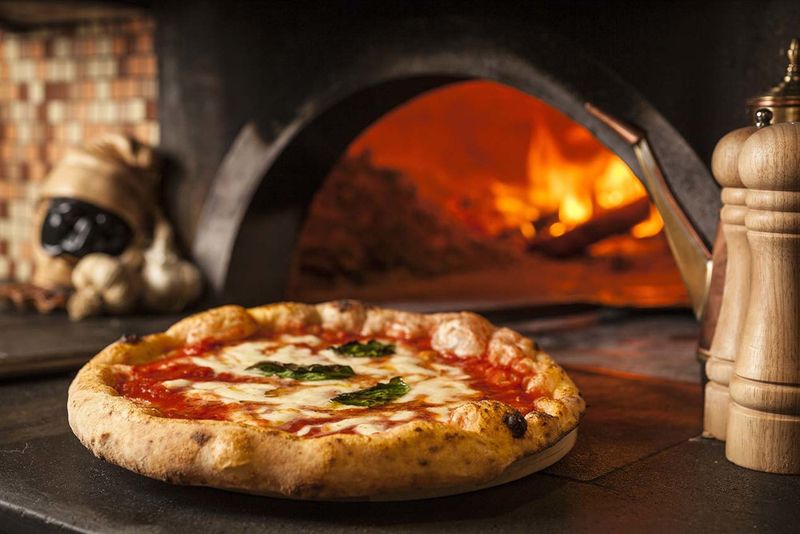
Did you know that authentic Neapolitan pizza is legally protected in Europe? The European Union granted it Traditional Speciality Guaranteed status, which means only pizzas made following strict traditional methods can use the name.
Everything from the dough preparation to the cooking technique must meet specific standards. This protection ensures that the original recipe and craftsmanship are preserved for future generations to enjoy.
3. The Margherita Pizza Is Named After Queen Margherita Of Italy

Legend has it that in 1889, a pizza maker named Raffaele Esposito created a special pizza for Queen Margherita of Savoy during her visit to Naples. He chose toppings in the colours of the Italian flag: red tomatoes, white mozzarella, and green basil.
The queen loved it so much that the pizza was named in her honour. Today, the Margherita remains one of the most popular pizza varieties worldwide.
4. Tomatoes Were Once Considered Unsafe To Eat In Europe
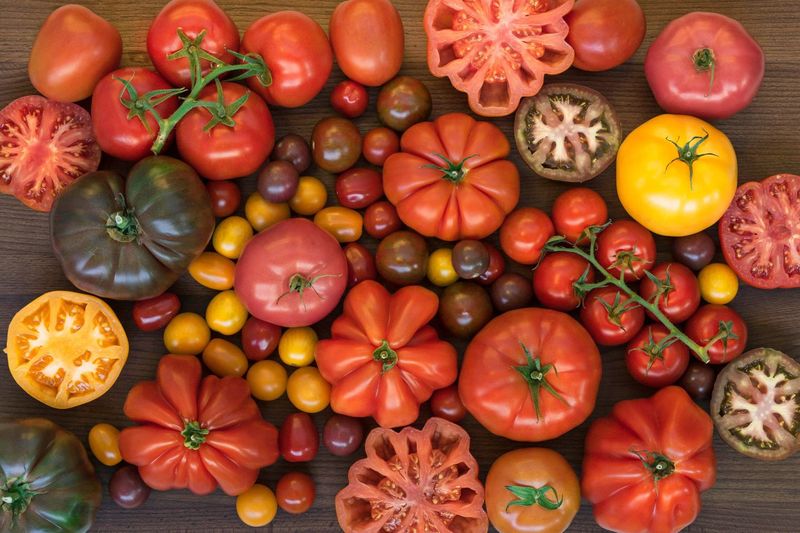
Tomatoes weren’t always welcomed into European kitchens, especially when they first arrived from the Americas in the sixteenth century. Many people were cautious of the bright red fruit, partly because it belonged to the nightshade family, which already had a poor reputation.
For a long time, tomatoes were grown mainly as ornamental plants rather than food. In southern Italy, everyday cooks eventually embraced them out of necessity and curiosity.
Once people realised tomatoes were both safe and flavourful, they quickly became essential to dishes like pizza.
5. Pizza Was Originally Sold As Street Food
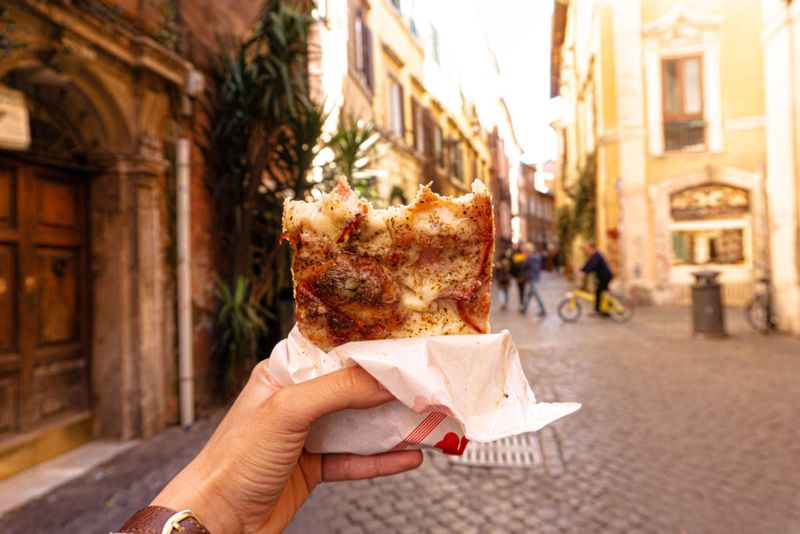
Before pizzerias existed, vendors sold pizza from open-air stands in the busy streets of Naples. Workers would grab a slice or two during their breaks, eating it folded in half whilst walking.
These early pizzas were simple and affordable, designed to be eaten quickly without plates or cutlery. The street food tradition helped pizza spread throughout Italy before it eventually found its way into proper restaurants and homes around the world.
6. Mozzarella Is The Most Commonly Used Pizza Cheese Worldwide
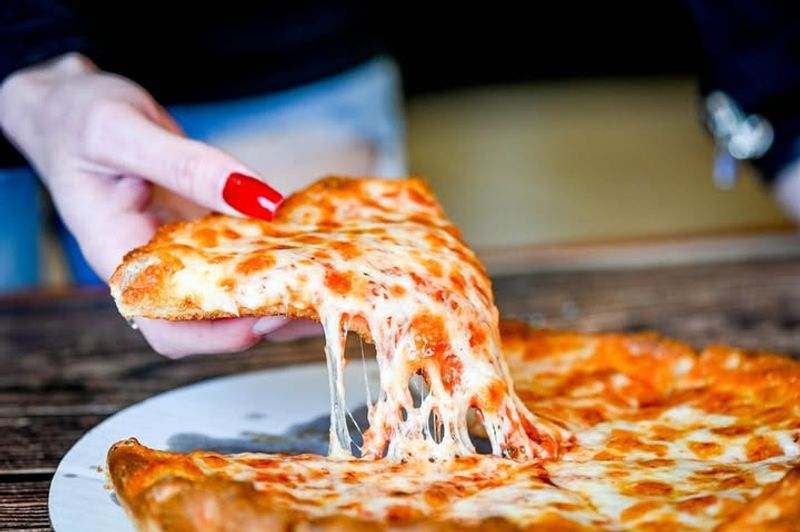
Walk into any pizzeria across the globe and you'll likely find mozzarella on the menu. This mild, creamy cheese melts beautifully and doesn't overpower other toppings, making it the perfect pizza companion.
Traditional Neapolitan pizza uses fresh buffalo mozzarella, whilst many other styles use the firmer cow's milk version. Its stretchy, gooey texture when melted has made mozzarella the undisputed champion of pizza cheeses everywhere.
7. Wood-Fired Ovens Can Reach Temperatures Over 450°C
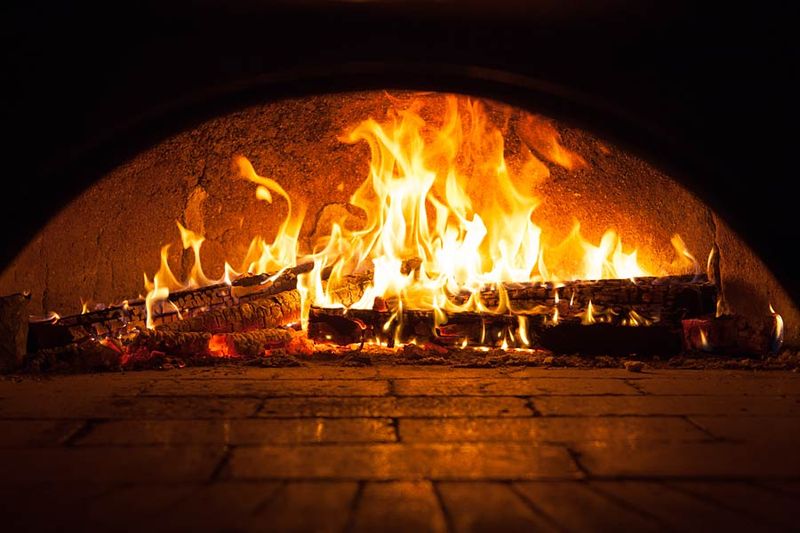
Traditional pizza ovens burn wood to create incredibly intense heat – sometimes exceeding 450 degrees Celsius! At these scorching temperatures, a Neapolitan pizza cooks in just 60 to 90 seconds.
The extreme heat creates those characteristic charred spots on the crust whilst keeping the centre soft and chewy. Modern electric and gas ovens can't quite match this temperature, which is why wood-fired pizzas have such a distinctive flavour and texture.
8. The First Pizzeria Opened In The 18th Century
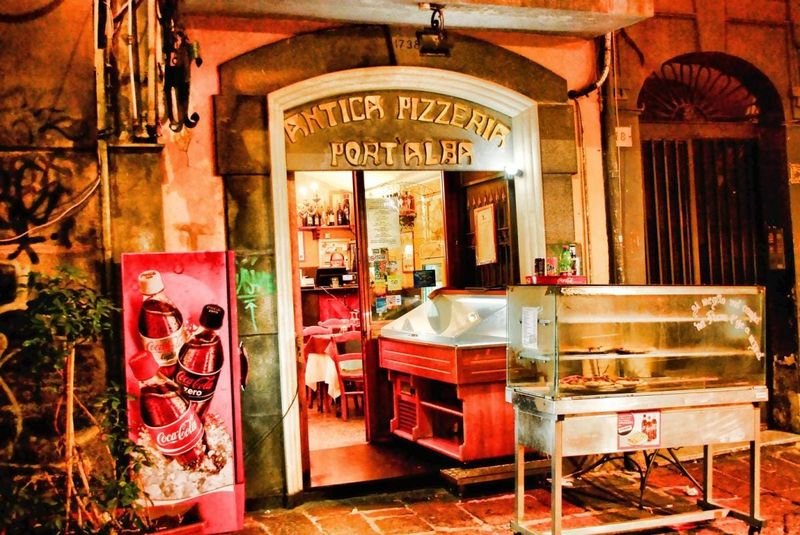
Antica Pizzeria Port'Alba in Naples claims the title of the world's first pizzeria, opening its doors in 1738. Originally, it served pizza to street peddlers who would then sell slices throughout the city.
Eventually, the shop added tables and chairs, transforming from a simple bakery into a proper restaurant. Nearly three centuries later, Port'Alba still serves pizza to locals and tourists, maintaining its place in culinary history.
9. Pizza Became Popular Outside Italy In The Early 20th Century
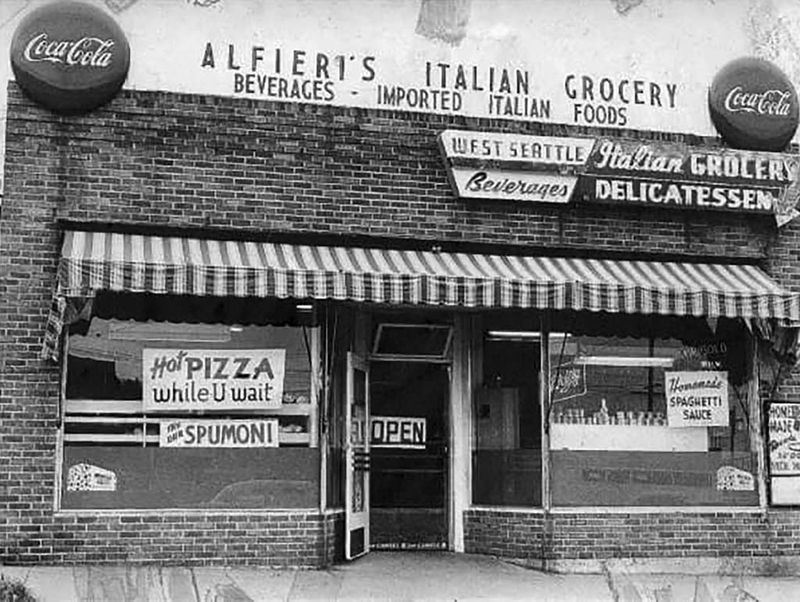
Italian immigrants brought pizza with them when they moved to countries like America, Argentina, and Australia in the late 1800s and early 1900s. At first, pizza remained popular mainly within Italian communities.
After World War II, soldiers who had tasted pizza in Italy returned home craving it, sparking wider interest. By the 1950s and 60s, pizza had exploded in popularity, becoming a mainstream favourite across multiple continents.
10. Flatbread Toppings Existed Long Before Modern Pizza
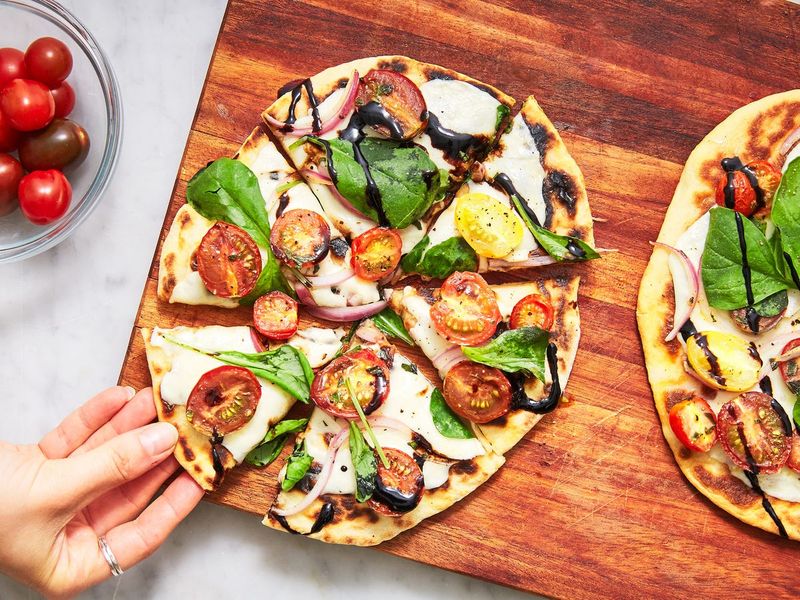
Ancient civilisations from the Egyptians to the Greeks enjoyed flatbreads topped with oils, herbs, and other ingredients thousands of years ago. The Romans ate a flatbread called 'panis focacius' seasoned with herbs and cheese.
Whilst these early versions weren't exactly pizza as we know it, they laid the groundwork. The addition of tomatoes in the 18th century finally created the pizza we recognise today, but the concept is truly ancient.
11. Pizza Dough Is Traditionally Made With Just Four Ingredients
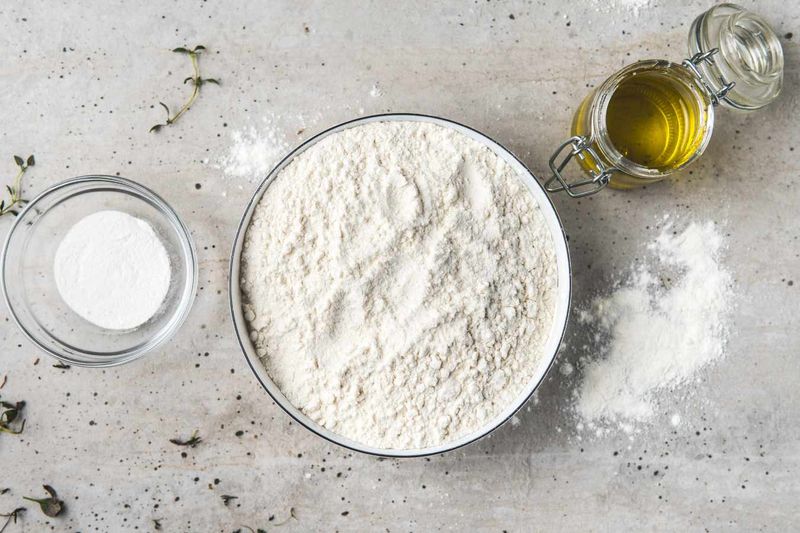
Authentic Neapolitan pizza dough requires only flour, water, salt, and yeast – nothing more. This simplicity means the quality of each ingredient really matters, and the technique becomes crucial.
The dough must be kneaded properly and left to rise slowly, sometimes for 24 hours or more. This long fermentation develops flavour and creates the perfect texture: crispy on the outside, soft and airy on the inside.
Simple ingredients, remarkable results.
12. Naples Still Sets The Global Standard For Classic Pizza
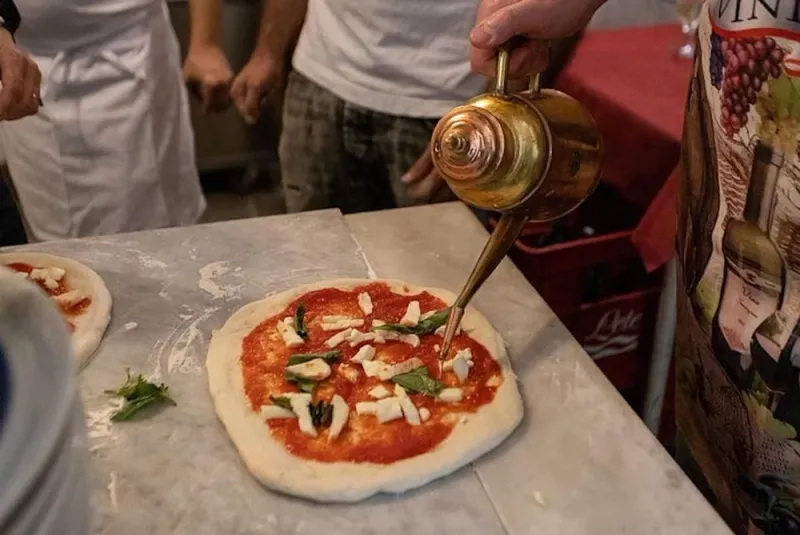
Whilst pizza has evolved into countless variations worldwide, Naples remains the gold standard for traditional pizza. The city's Associazione Verace Pizza Napoletana protects and promotes authentic Neapolitan pizza-making methods.
Pizzaiolos (pizza makers) from around the world travel to Naples to learn proper techniques and earn certification. Many pizza enthusiasts consider a pilgrimage to Naples essential for understanding what truly great pizza should taste like.
13. Pizza Is One Of The Most Adapted Foods In The World

From Japan's mayonnaise and sweetcorn pizzas to Brazil's green pea toppings, pizza has been reinvented in virtually every corner of the globe. Each culture adds its own twist, using local ingredients and flavour preferences.
India offers paneer tikka pizza, whilst Sweden sometimes adds bananas and curry powder. This incredible adaptability is part of pizza's charm – it welcomes creativity whilst maintaining its essential character as a flatbread with toppings.
14. Thin-Crust And Thick-Crust Styles Developed In Different Regions
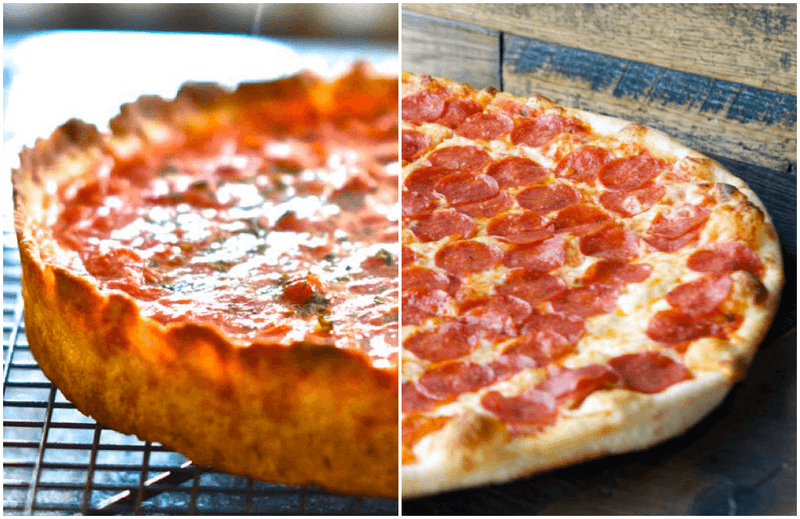
Regional preferences shaped how pizza evolved across Italy and beyond. Neapolitan pizza features a thin centre with a puffy, charred crust called the 'cornicione'.
Meanwhile, Roman pizza tends to be uniformly thin and crispy throughout. When pizza reached America, cities like Chicago developed deep-dish styles with thick, bread-like crusts.
New York created its own thin, foldable slices. Geography and local tastes transformed one dish into many distinct styles.
15. Pizza Was Introduced To The UK In The Mid-20th Century
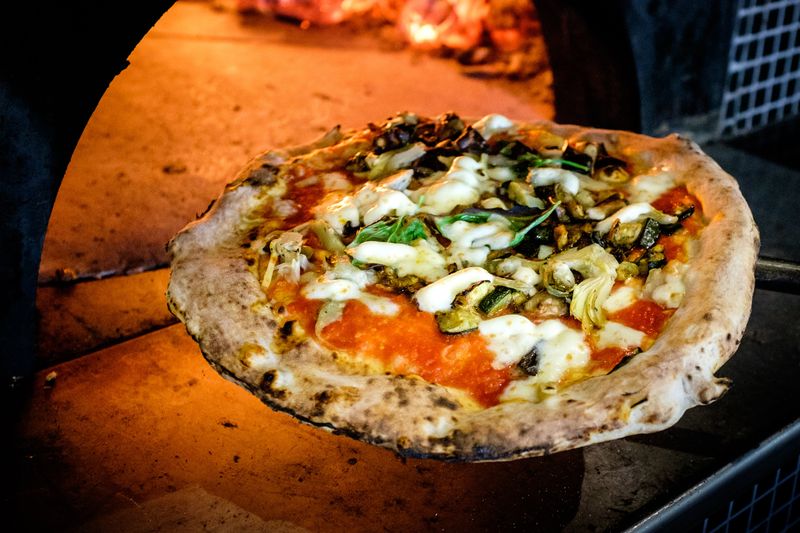
Pizza arrived in Britain later than in America, gaining popularity in the 1950s and 60s as Italian restaurants opened in major cities. Early British diners found pizza quite exotic compared to traditional fare.
By the 1970s and 80s, pizza chains and takeaways had spread across the country, making it a household favourite. Today, Britons consume millions of pizzas weekly, with both traditional and uniquely British toppings available everywhere.
16. Cheese And Tomato Became The Most Popular Combination Globally
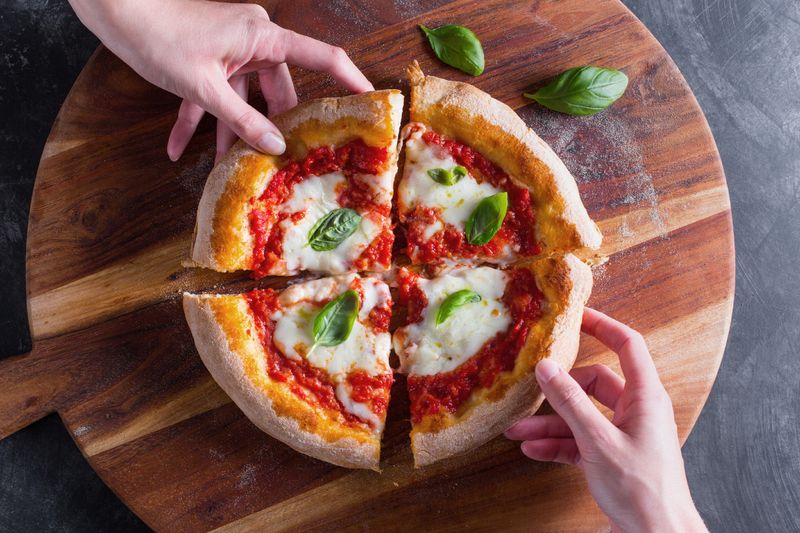
Despite thousands of topping variations, the simple pairing of cheese and tomato remains the world's favourite pizza. This classic combination perfectly balances acidity from tomatoes with rich, creamy cheese.
The Margherita pizza exemplifies this timeless duo, proving that sometimes the simplest recipes are the best. Whether you're in Tokyo, Toronto, or Turin, you'll find this fundamental combination on nearly every pizza menu, beloved across all cultures.
17. Pizza Is Eaten Hot And Cold Across Many Cultures
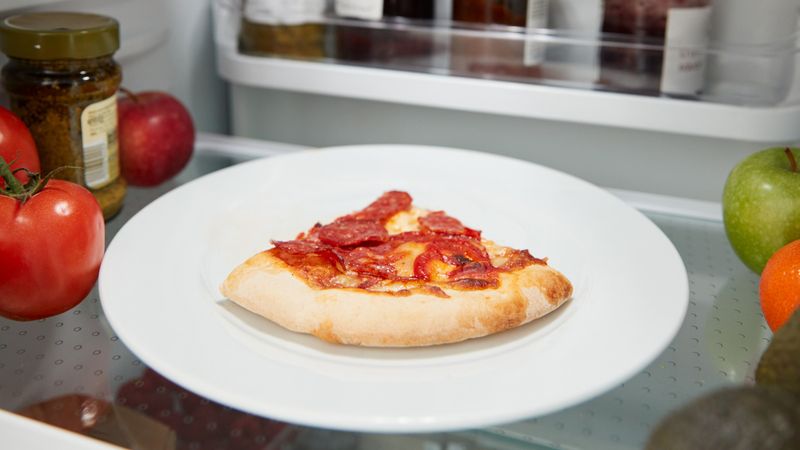
Whilst most people prefer pizza piping hot from the oven, cold pizza has its devoted fans too. In Italy, leftover pizza is sometimes enjoyed at room temperature for breakfast or lunch.
American college students famously embrace cold pizza as a quick morning meal. Some cultures have even developed specific cold pizza dishes, like pizza al taglio in Rome, designed to be eaten at various temperatures.
Hot or cold, pizza remains delicious either way.