




Table manners once reflected formal routines, clear hierarchies, and carefully defined social expectations. Over time, everyday dining has become more relaxed, shaped by changing work patterns, family routines, and shifting cultural attitudes.
Some older habits have quietly faded, while others have been deliberately left behind as mealtimes became more practical and informal.
Looking back at these customs offers insight into how dining behaviour continues to evolve, highlighting which traditions still hold value and which no longer fit comfortably into modern life.
All information is provided for general information only. Social customs and etiquette expectations may vary between households, regions, and cultures.
Photos are for illustrative purposes only.
Table Manners People Hardly Follow Anymore
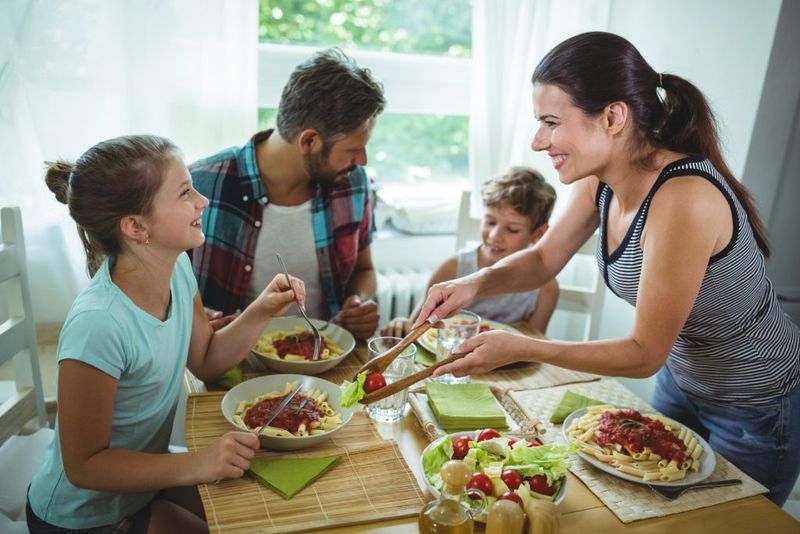
The next five table manners once defined polite dining but have quietly slipped away over the years. While most of them were harmless, a few feel almost impossible to keep up with in today’s more relaxed world.
Still, it’s interesting to look back and see just how many of these little rules we’ve let go.
1. Waiting For Everyone Before Eating
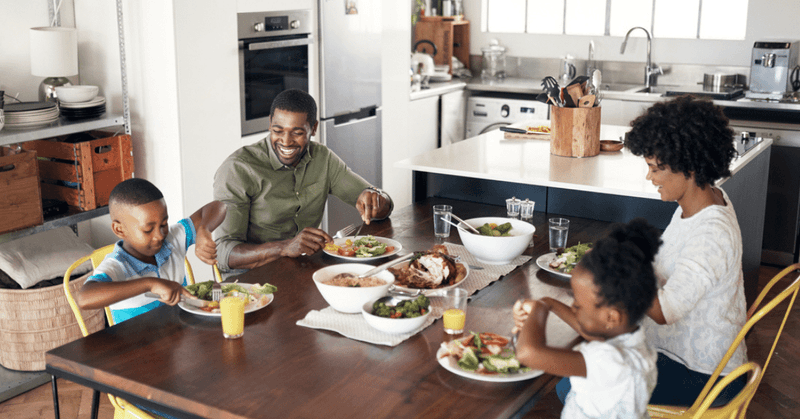
Most families used to insist everyone sit down together before anyone touched their food. It showed respect and created a sense of unity at mealtimes.
These days, busy schedules mean people eat at different times. Someone might grab dinner early for football practise, whilst another eats late after work.
2. Sitting Up Straight Throughout The Meal
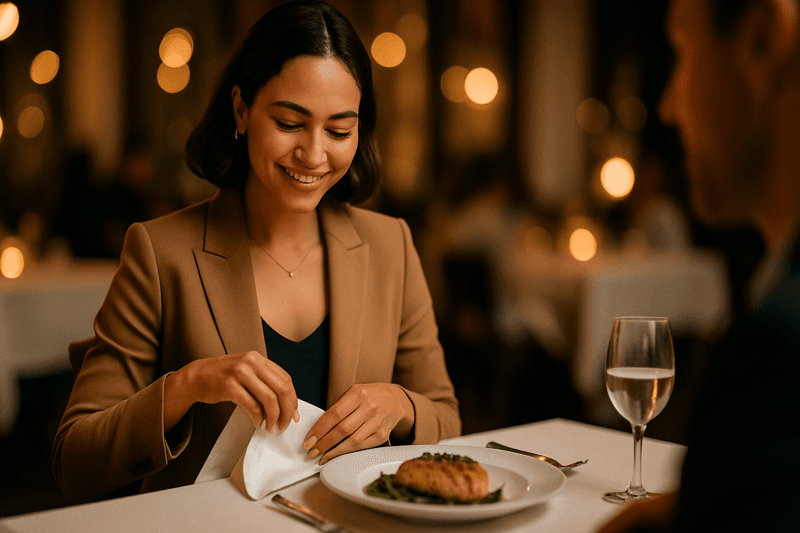
Good posture at the table was once drilled into children from a young age. Parents would constantly remind you to straighten your back and avoid slouching.
Nowadays, casual dining has replaced formal meals in many households. People relax more at the table, and strict posture rules feel outdated.
Whilst sitting reasonably upright remains polite, the rigid expectations have softened considerably over time.
3. Keeping Elbows Off The Table
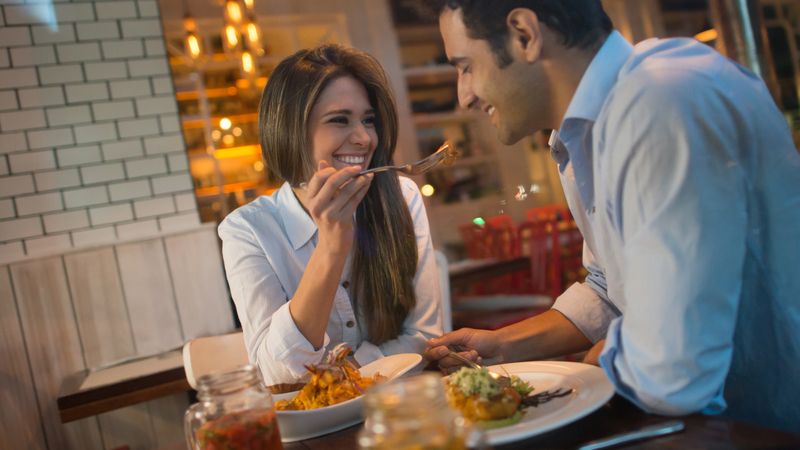
"Elbows off the table!" was a common phrase heard at dinner tables everywhere. This rule came from formal dining traditions where space was limited and elbows could bump others.
Today's relaxed dining culture has made this rule less important. Many people rest their elbows comfortably between courses without a second thought.
4. Using The Right Fork For Every Course
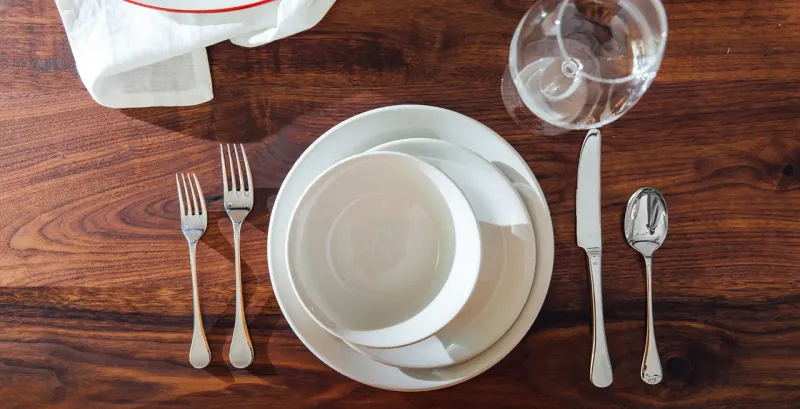
Formal dinners once required specific forks for salad, fish, and main courses. Knowing which to use showed sophistication and proper upbringing.
Multi-course meals are rare in everyday life now. Most people use one fork throughout their meal without worrying about specialized utensils.
Unless you're at a very fancy event, this complicated rule has largely disappeared from modern dining expectations.
5. Finishing Everything On Your Plate
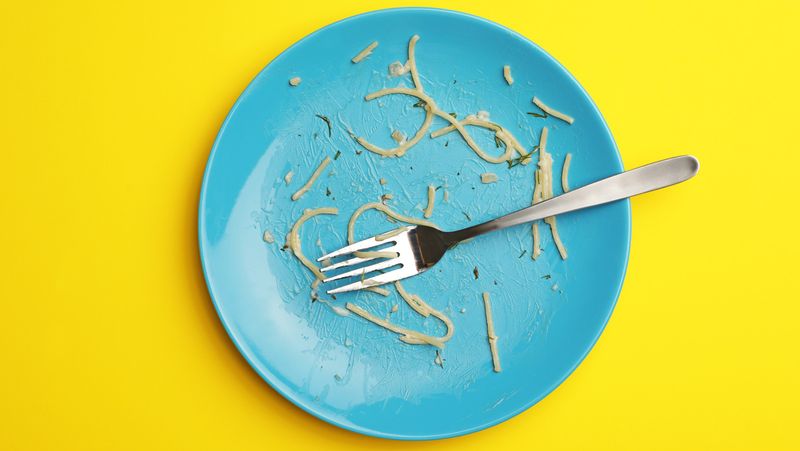
Children were often told to clean their plates completely, regardless of hunger levels. Wasting food was considered extremely rude and disrespectful.
We now understand that forcing yourself to overeat isn't healthy. Listening to your body's fullness signals matters more than old-fashioned plate-cleaning rules.
Whilst avoiding waste remains important, leaving food when you're full has become perfectly acceptable in modern society.
6. Placing A Napkin On Your Lap Immediately
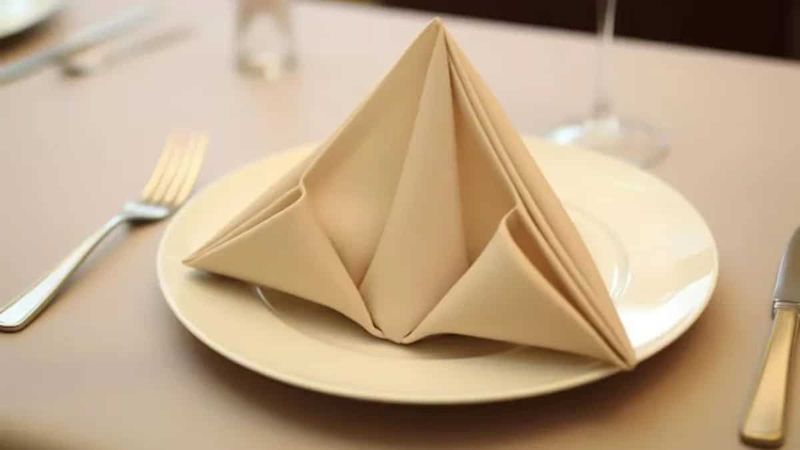
In more formal settings, placing a napkin on your lap as soon as you sat down was once considered a sign of good manners and readiness for the meal.
It helped protect clothing and signalled awareness of table etiquette, particularly at structured family dinners or special occasions.
Today, many people pick up a napkin only when needed, especially in casual cafés or relaxed home settings. While the habit still appears in formal dining environments, it no longer carries the same everyday expectation in most households.
Table Manners We’re Glad Are Gone
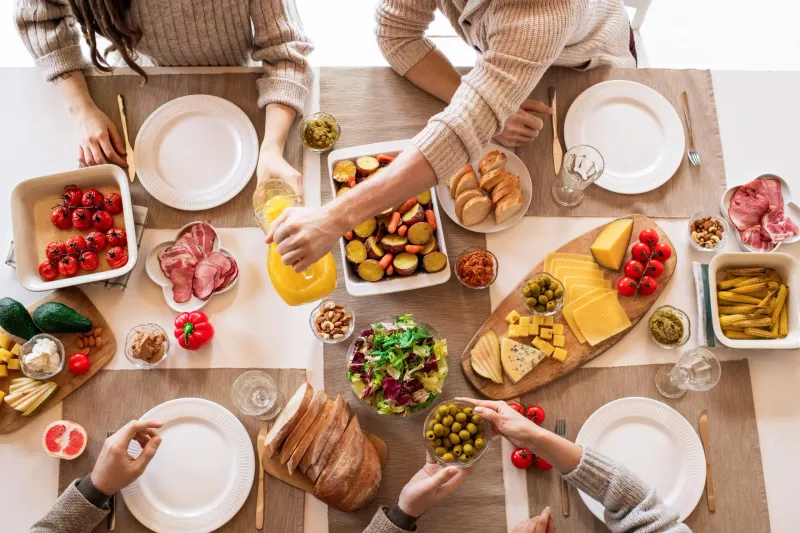
These next five old-fashioned rules are the ones we don’t miss at all. Some were overly strict, others just made meals feel more stressful than enjoyable.
Thankfully, dining today is far more relaxed, and these outdated traditions can stay in the past where they belong.
1. Standing When A Lady Leaves The Table

Gentlemen once stood whenever a woman left or returned to the table during a meal. This gesture was considered essential etiquette in polite society.
Modern equality has made such gendered customs feel outdated and unnecessary. Most people today find this tradition overly formal and awkward.
2. Asking Permission To Leave The Table
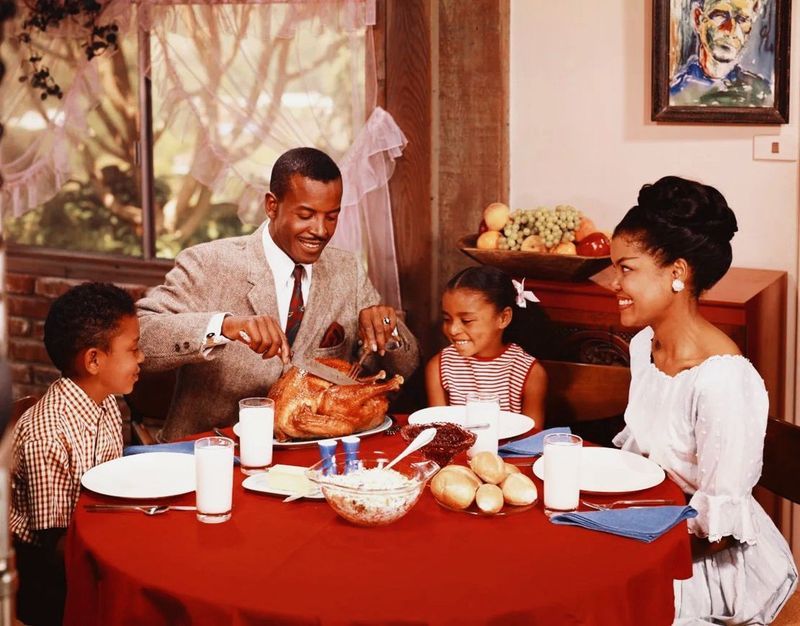
Children had to formally ask "May I be excused?" before leaving the dinner table. Leaving without permission was considered shockingly rude behaviour.
Whilst teaching basic politeness matters, this formal requirement feels unnecessarily strict today. Most families prefer a more relaxed approach to mealtimes.
We're happy this overly rigid rule has loosened, allowing for more natural and comfortable family dining experiences without constant formality.
3. Wearing Gloves To The Dinner Table
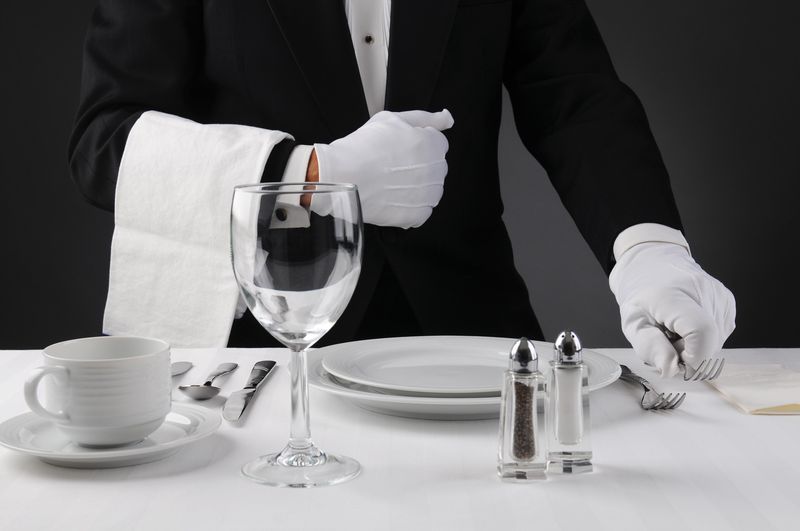
Ladies once wore gloves to formal dinners, removing them only after being seated. This custom showed refinement and adherence to high society standards.
Thankfully, this impractical tradition has vanished completely. Imagine trying to eat soup or cut meat whilst wearing gloves!
Modern dining focuses on comfort and practicality rather than uncomfortable fashion requirements that made eating genuinely difficult and awkward.
4. Eating In Complete Silence
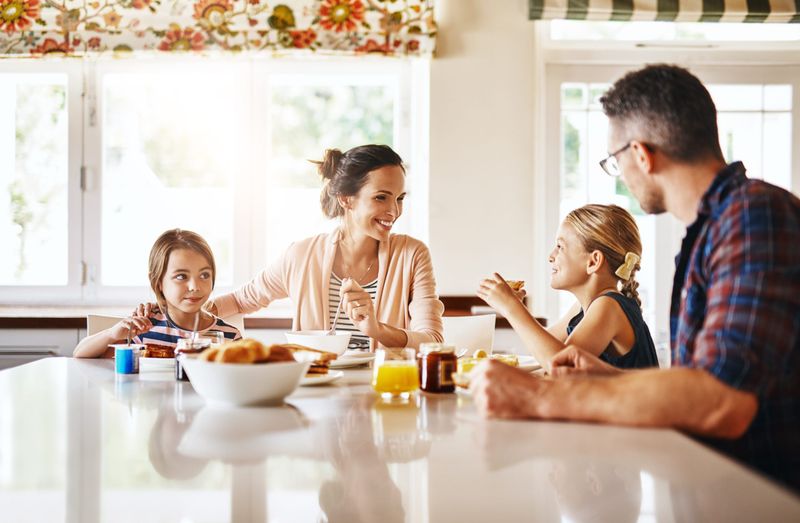
Some very formal households expected silence during meals, with conversation considered inappropriate or distracting. Eating was meant to be a solemn, focused activity.
We're delighted this joyless rule disappeared! Mealtimes are now opportunities for families to connect, share stories, and enjoy each other's company.
Conversation makes dining more enjoyable and meaningful, transforming meals from mere fuel stops into precious bonding moments.
5. Only Speaking When Spoken To
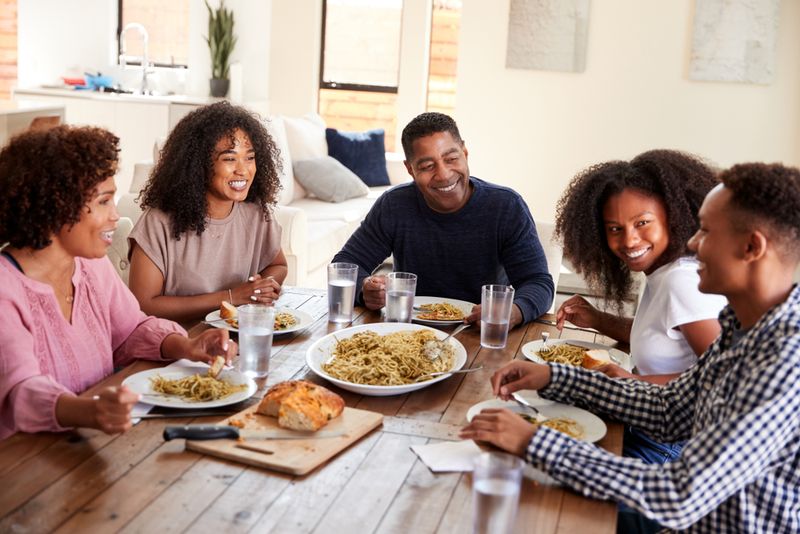
Children were expected to remain silent unless directly addressed by an adult. This rule reinforced strict hierarchies and limited young people's participation in conversations.
Modern parenting encourages children to express themselves and contribute to family discussions. Silencing young voices now seems unfair and outdated.
We're thrilled this restrictive rule has ended, allowing everyone at the table to share thoughts and feel valued during mealtimes.
6. Avoiding Any Phone Or Device At The Table At All Times
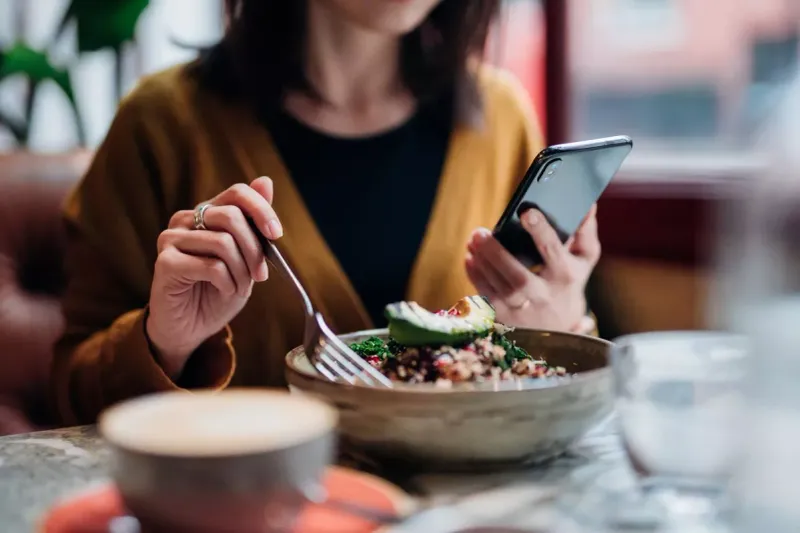
Keeping phones and other devices completely off the table was once seen as a sign of attentiveness and respect for shared mealtimes.
As digital habits have become more embedded in daily life, many families now take a more flexible approach, allowing brief checks for messages or practical notifications.
Some households still encourage device free meals to support conversation and focus, particularly with children. The rule itself has shifted from strict prohibition to personal or family preference rather than a universal expectation.