




There was a time when dining felt like a refined ritual - napkins folded, elbows tucked, and polite conversation flowing. Today, those once-important rules have mostly faded, replaced by more relaxed habits. Still, looking back at the table manners people hardly follow anymore offers a fascinating glimpse into how much our social customs have changed.
This article is for general informational and entertainment purposes only. Dining customs and etiquette can vary by culture, region, and setting. The examples mentioned reflect traditional Western table manners and may not apply universally.
1. Waiting For Everyone To Be Served
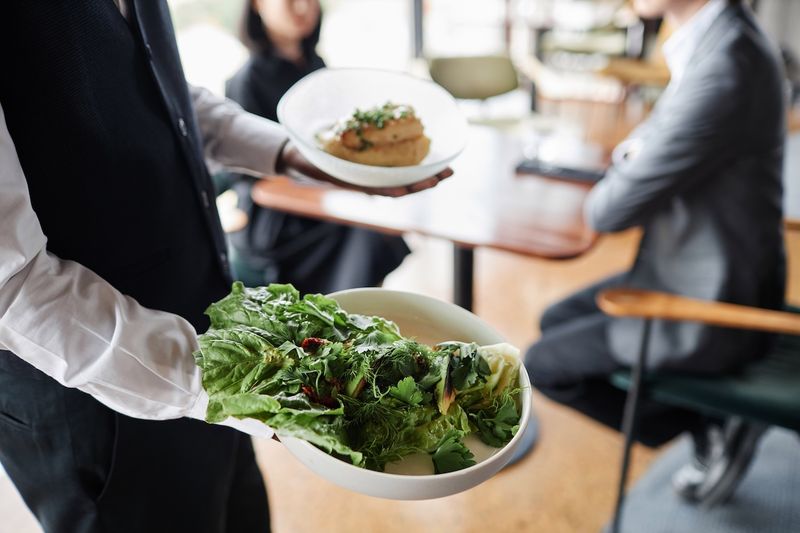
Once upon a time, nobody would dare lift a fork until everyone at the table had their meal. Now people snap photos of their food and dig in while others' plates haven't even left the kitchen.
The communal start has been replaced by the practical approach of 'eat while it's hot.
2. Waiting To Be Seated
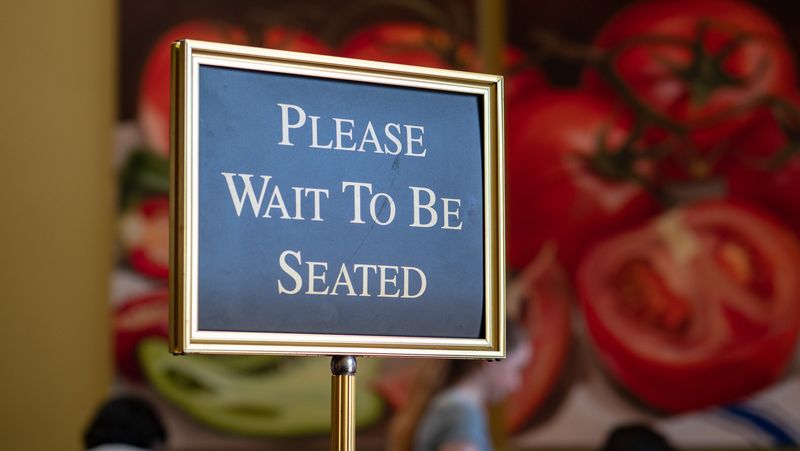
In the past, guests waited until the host or eldest person at the table took their seat before sitting down themselves. It was a quiet gesture of respect that acknowledged hierarchy and hospitality.
Today, most people simply plop down wherever there’s a free chair, often without waiting for cues. The thoughtful rhythm of shared mealtime rituals has largely given way to casual, every-person-for-themselves dining.
3. Napkins On Laps
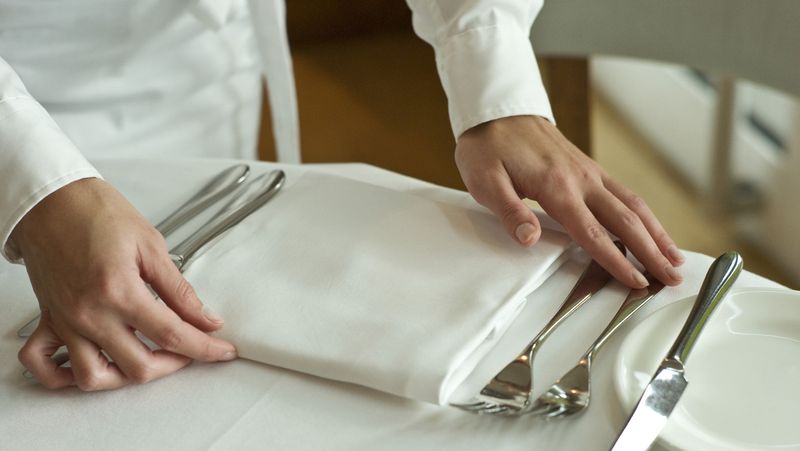
Crisp cloth napkins properly folded across the knees? That's becoming as rare as a landline telephone. Most diners now either ignore napkins entirely or tuck them under their plate edges.
The proper placement of napkins seems to have vanished along with the knowledge of which fork to use first.
4. No Elbows On The Table
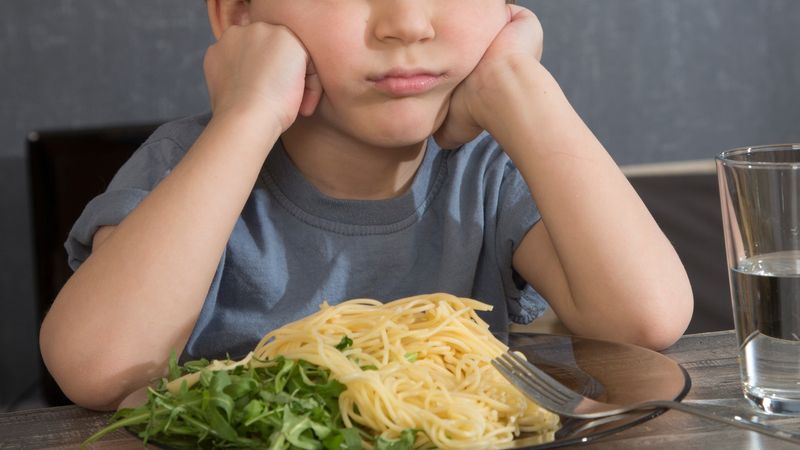
Grandmothers everywhere would be clutching their pearls at today's casual dining postures. Elbows plant themselves firmly on tables nationwide, with nary a corrective glance.
This rule actually made sense when tables were rickety affairs that might collapse with uneven weight distribution. Modern sturdy dining tables have made this concern obsolete.
5. Keeping Pets Away From The Table
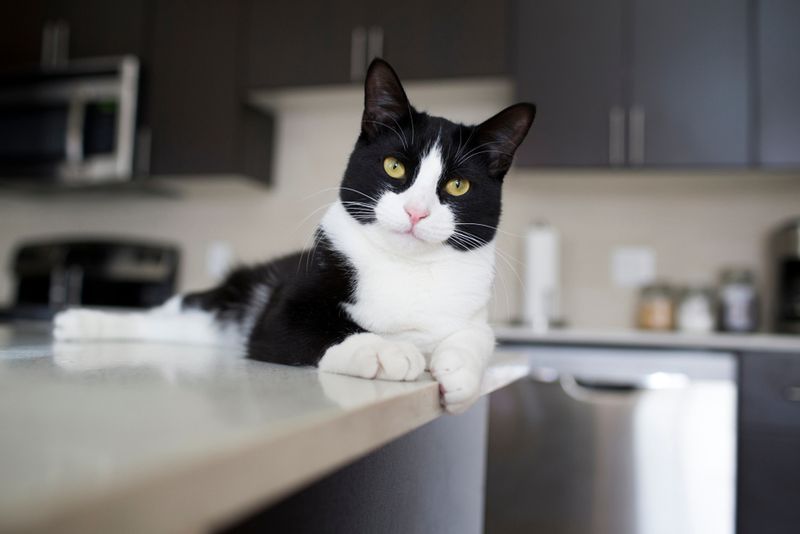
Once upon a time, pets were strictly kept away from the dinner table, no matter how cute their begging eyes were. Feeding them scraps or letting them sit nearby was considered poor manners.
Now, many households treat their pets like part of the family - and that includes mealtime. From dogs resting under chairs to cats hopping up for a sniff, the line between human and animal dining spaces has blurred completely.
6. Chewing With Mouth Closed
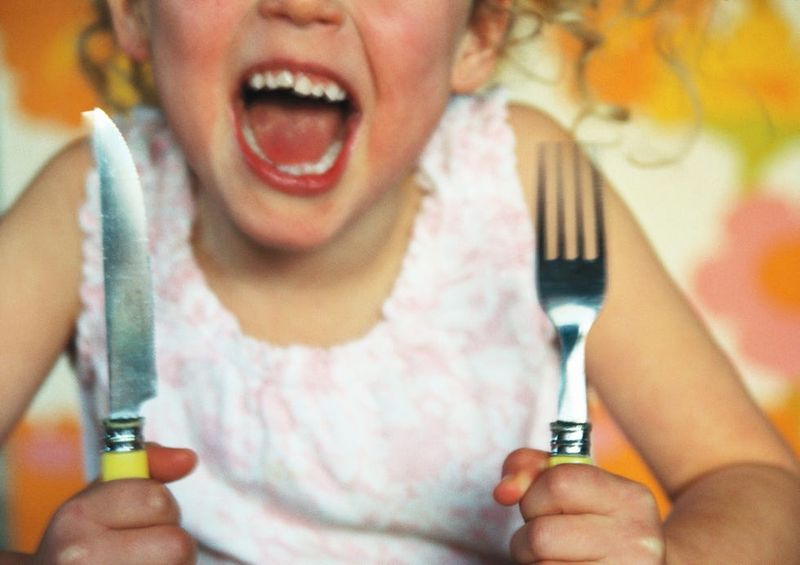
The symphony of open-mouthed chewing has become the unfortunate soundtrack to many meals. This particularly cringe-worthy abandonment of manners seems to increase with each passing year.
Beyond the visual unpleasantness, the accompanying sounds can turn a pleasant meal into an exercise in tolerance. Yet remarkably few seem bothered enough to correct it.
7. No Phones At The Table
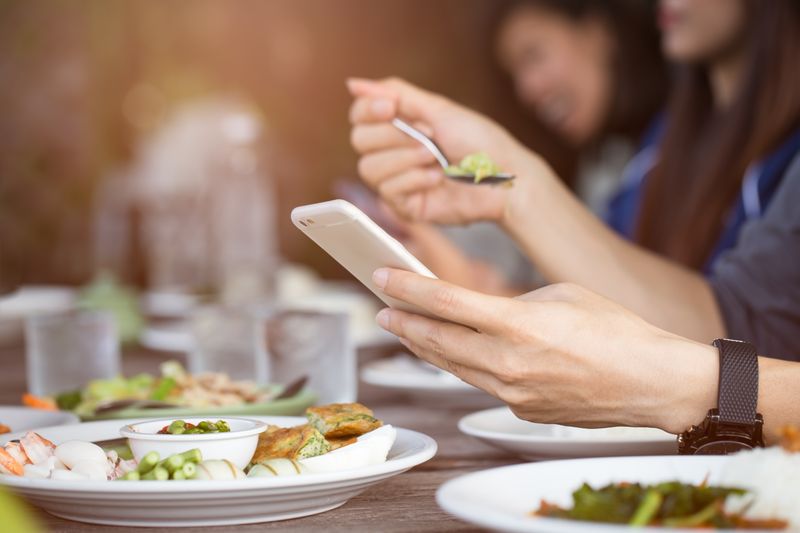
The modern dinner table resembles a tech convention with phones lined up beside plates like extra cutlery. Conversation has been replaced by scrolling, with occasional glances up from screens.
Family meals once fostered connection through conversation. Now they foster connection to WiFi, with many restaurants even providing charging stations at tables.
8. Asking To Be Excused
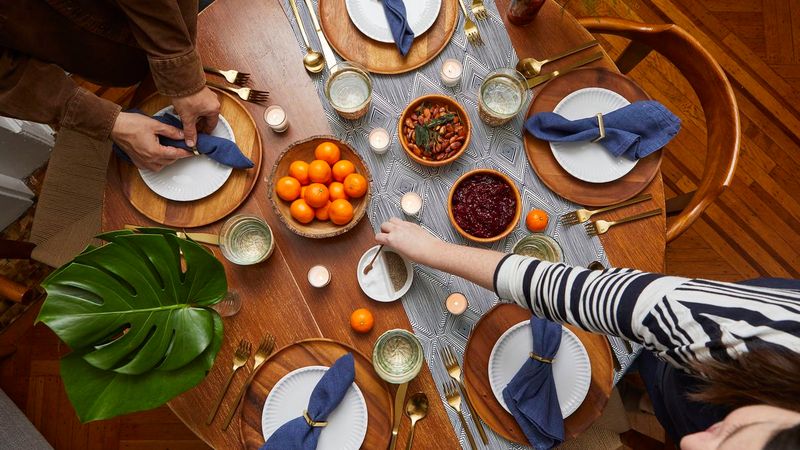
'May I be excused?' has transformed into the silent push-back of chairs and abrupt departures. Children and adults alike now wander from tables without announcement, permission, or explanation.
This small courtesy acknowledged the host's efforts and signaled respect for the shared experience. Its disappearance marks our shift toward individualistic dining practices.
9. Using Proper Utensils
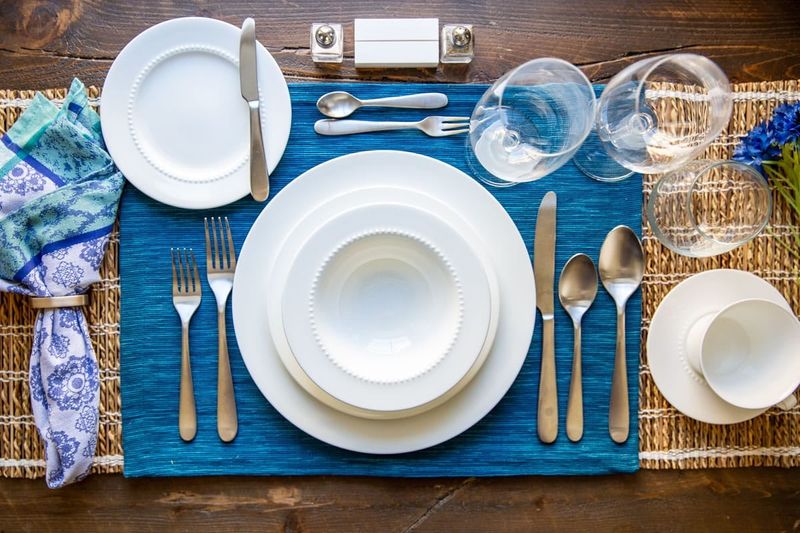
Fish forks, salad knives, and dessert spoons might as well be ancient artifacts. Most diners now grab whatever utensil is closest, regardless of its intended purpose.
Formal place settings with multiple utensils cause visible panic in younger generations. The complex choreography of working from outside in has been simplified to 'one fork fits all.'
10. Not Reaching Across The Table
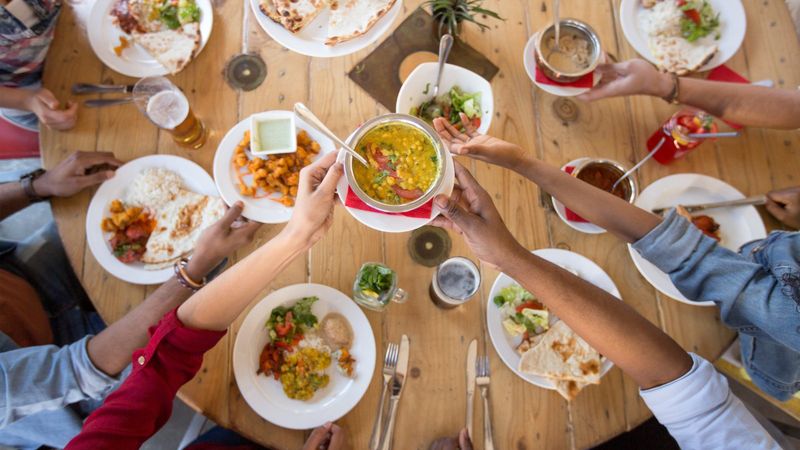
Arms stretch across tables like tentacles, grabbing salt, bread, and condiments without a second thought. The polite "please pass the..." request has nearly vanished from dining vocabulary.
Watch any restaurant and you'll spot the reach-and-grab maneuver repeatedly. Personal space apparently ends where desired food items begin.
11. Waiting For The Host To Begin
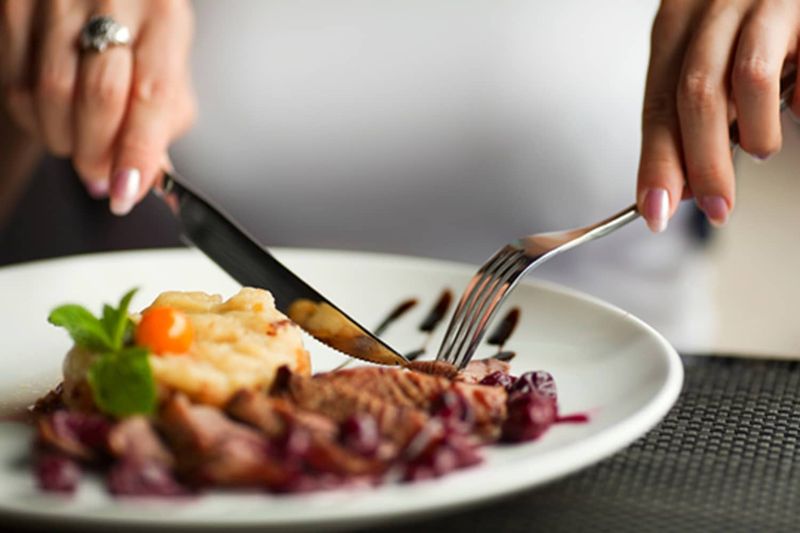
The ceremonial moment when the host lifts their fork, signaling everyone to begin, has largely disappeared. These days, whoever receives their food first typically dives right in.
This subtle power dynamic once reinforced social hierarchies and respected the host's efforts. Modern egalitarian attitudes (and cooling food concerns) have rendered it obsolete.
12. No Hats At The Table

Baseball caps, beanies, and all manner of headgear now remain firmly in place during meals. The traditional removal of hats as a sign of respect has been relegated to history books.
This rule originated from medieval knights removing helmets to show peaceful intentions. Today's diners apparently feel no need to demonstrate they won't suddenly attack their dining companions.
13. Keeping Conversations Pleasant
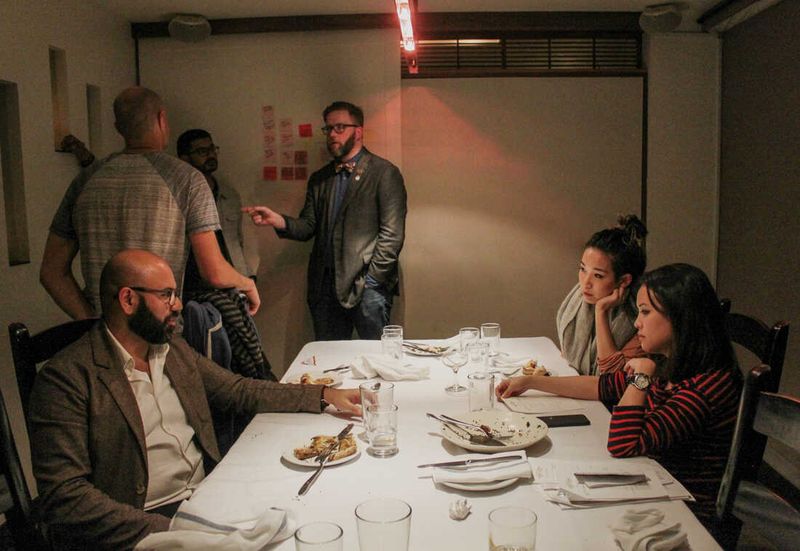
Politics, religion, and money discussions now dominate dinner tables, replacing the careful avoidance of controversial topics that etiquette once demanded. Heated debates frequently overshadow the actual meal.
The old guard's insistence on keeping dinner conversation light and agreeable seems quaint in our confrontational era. Many now consider meals the perfect time for ideological sparring.
14. Not Blowing On Hot Food
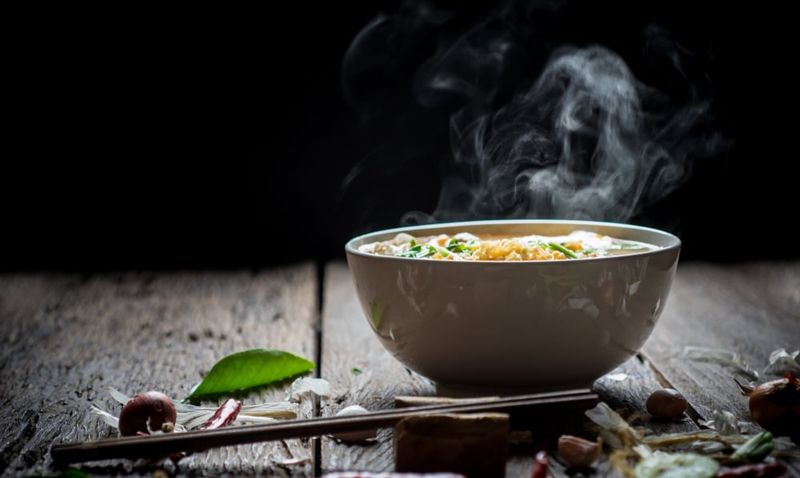
The gentle art of patience has been replaced by the hurricane-force blowing of soup and tea. Proper cooling techniques once involved delicate stirring or simply waiting.
Children learn by example, so this particular breach of etiquette perpetuates itself. The sound of collective food-cooling now provides background noise in many restaurants.
15. Cutting One Bite At A Time
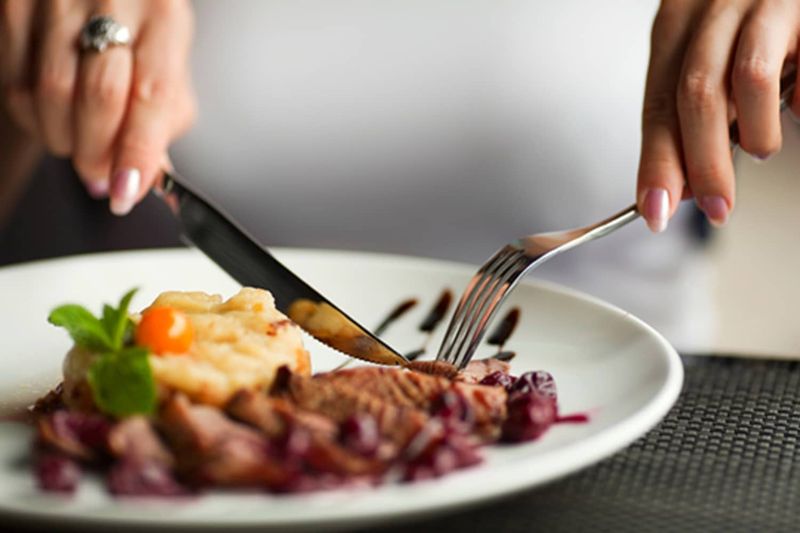
The methodical approach of cutting just one bite, then setting down the knife before eating has largely disappeared. Many diners now hack their entire meal into pieces immediately, creating a plate of pre-cut morsels.
This particular rule originated from preventing threatening knife-wielding at medieval tables. Modern diners prefer efficiency over these outdated safety concerns.
16. Not Slurping Or Making Noise
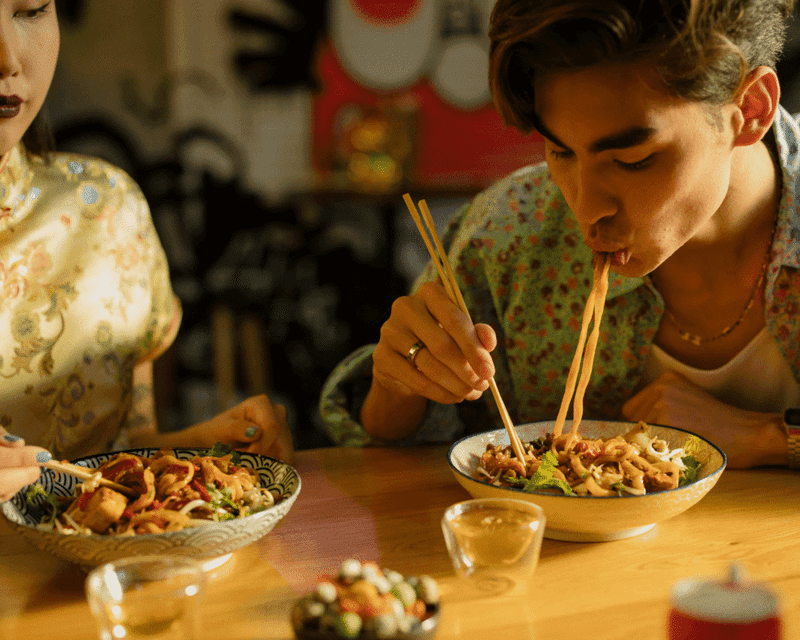
Soundtracks to modern meals often include enthusiastic slurping, crunching, and various other audio effects once considered the height of rudeness. Some cultures actually encourage slurping, but British tradition firmly opposed it.
The boundary between acceptable and unacceptable dining sounds continues to blur. Many people seem genuinely unaware their eating noises bother others.
17. Saying "Thank You" To The Cook
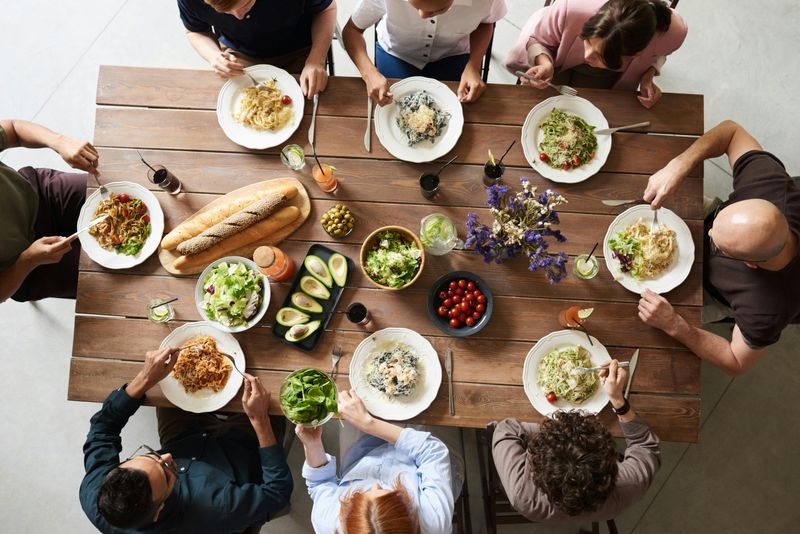
The simple acknowledgment of someone's cooking efforts through a sincere "thank you" has become surprisingly rare. Many diners finish meals and walk away without expressing appreciation.
Whether at home or in restaurants, food preparation requires time and care. This small courtesy costs nothing yet means everything to those who've worked to feed others.