








The 1920s was a time of innovation, but food safety wasn’t quite what it is today. Back then, people ate all kinds of surprising foods - some of which would definitely make us pause now. From questionable preservation methods to ingredients we’d never dream of consuming today, the 1920s had a culinary world all its own.
If you’re curious about how people dined in the past, get ready for a fascinating (and slightly shocking) look at some of the dishes that graced their tables.
This article is for informational and entertaining purposes only. Food safety standards and practices have drastically evolved since the 1920s to ensure healthier eating today.
1. Potted Meat Paste
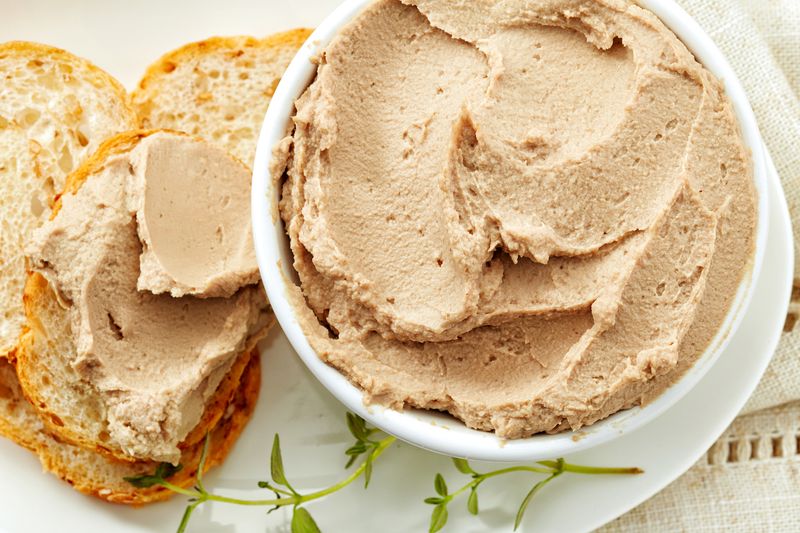
Preserved meat ground into a spreadable paste was a staple in 1920s larders across Britain. Manufacturers mixed various meat scraps with fat and spices, then sealed them in jars without modern sterilisation methods.
The lack of proper temperature controls meant bacteria could thrive inside these containers. Families often kept these jars for months, unaware of the dangers lurking within. Food poisoning from contaminated potted meats was unfortunately common during this era.
2. Raw Milk And Unpasteurised Dairy
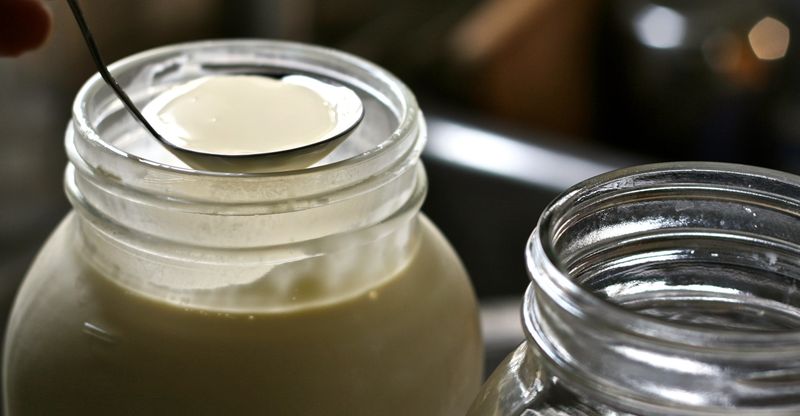
Fresh milk arrived daily at doorsteps, completely unpasteurised and brimming with potential pathogens. Tuberculosis, typhoid fever, and scarlet fever spread easily through contaminated dairy products.
Pasteurisation existed but wasn't mandatory or widespread in the early 1920s. Children drank raw milk at every meal, never suspecting the invisible threats. Thousands fell ill annually from diseases that proper heat treatment could have prevented entirely.
3. Tinned Offal (Including Tripe And Animal Heads)
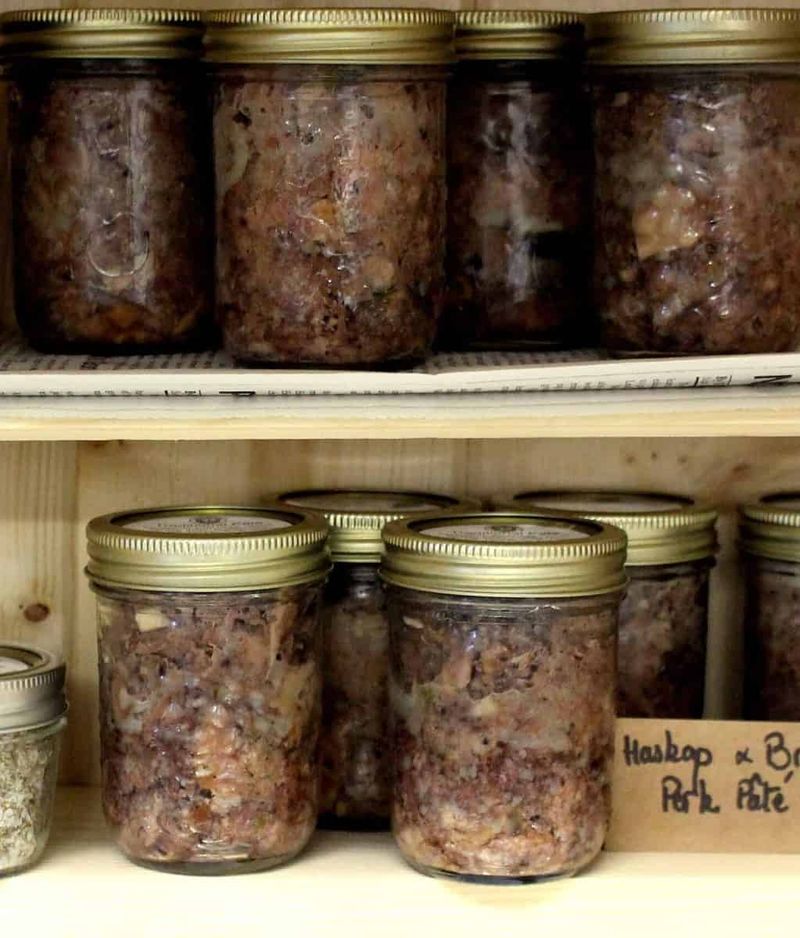
Canned animal organs, stomach linings, and even entire heads filled grocery shelves as affordable protein sources. Processing facilities operated with minimal hygiene standards, allowing contamination during the canning process.
Tripe tins sometimes contained harmful bacteria that survived inadequate heating. Animal heads were chopped and tinned with eyes, brains, and tongues intact. Modern food inspectors would be horrified by the conditions under which these products were manufactured and sold.
4. Plover Eggs
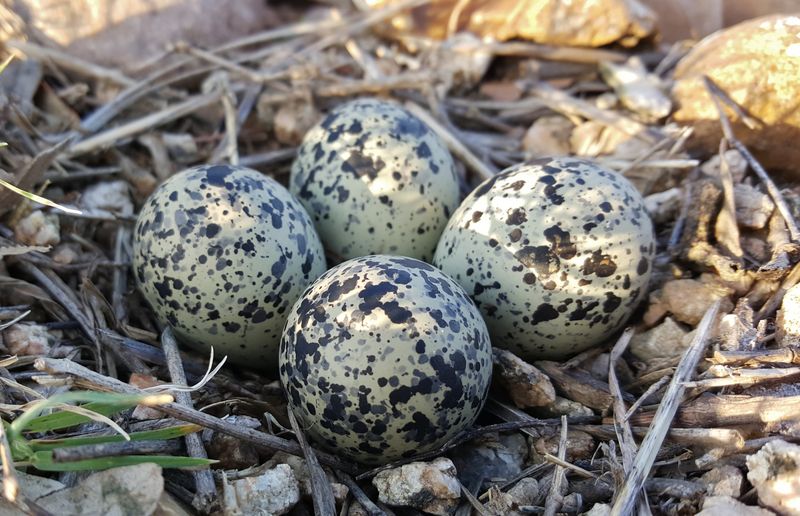
Wild bird eggs were considered a delicacy among the upper classes during the 1920s. Plover eggs, collected from nests in coastal areas, appeared on fancy restaurant menus and at society gatherings.
Nobody tested these eggs for freshness or contamination before consumption. Salmonella risks ran high, especially since plovers nested in muddy, bacteria-rich environments. The practice eventually declined as bird populations dwindled and health concerns mounted.
5. Brown Windsor Soup
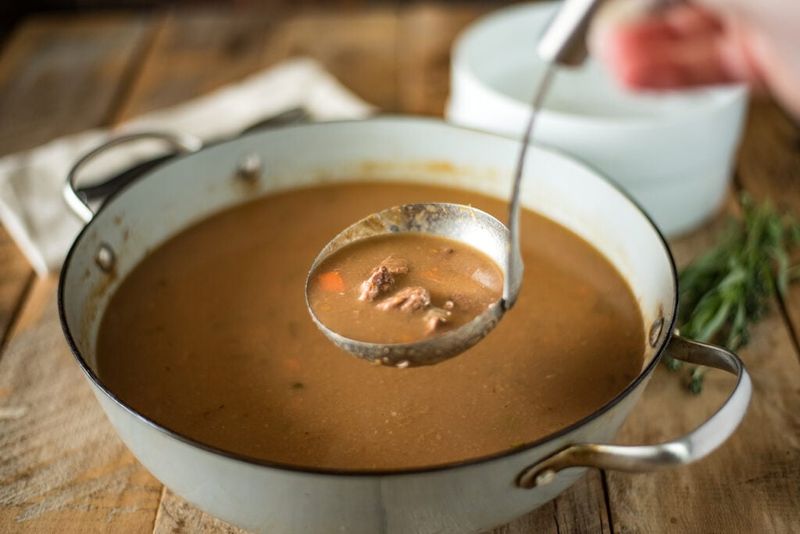
This thick, murky soup became notorious for its questionable ingredients and mysterious preparation methods. Restaurants and hotels served it regularly, often using leftover meat scraps of dubious origin and age.
The dark brown colour conveniently masked spoiled ingredients and poor-quality meat. Chefs added excessive amounts of browning agents and flour to hide imperfections. Diners never quite knew what animal parts had been stirred into their steaming bowls.
6. Adulterated Sweets With Industrial Additives
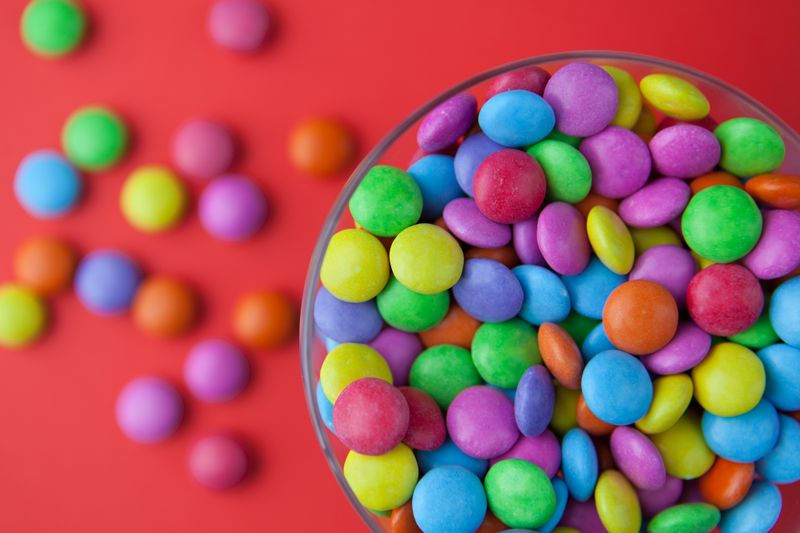
Brightly coloured confectionery attracted children, but many sweets contained dangerous industrial chemicals. Manufacturers used lead chromate for yellow hues, copper arsenite for green, and mercury compounds for red shades.
These toxic additives caused serious illness and, in some cases, led to severe health complications. Regulations didn't exist to prevent such practices, and profit mattered more than safety. Children suffered stomach pains, poisoning, and long-term health problems from their favourite treats.
7. Game Meats (Wild Birds And Feathered Game)
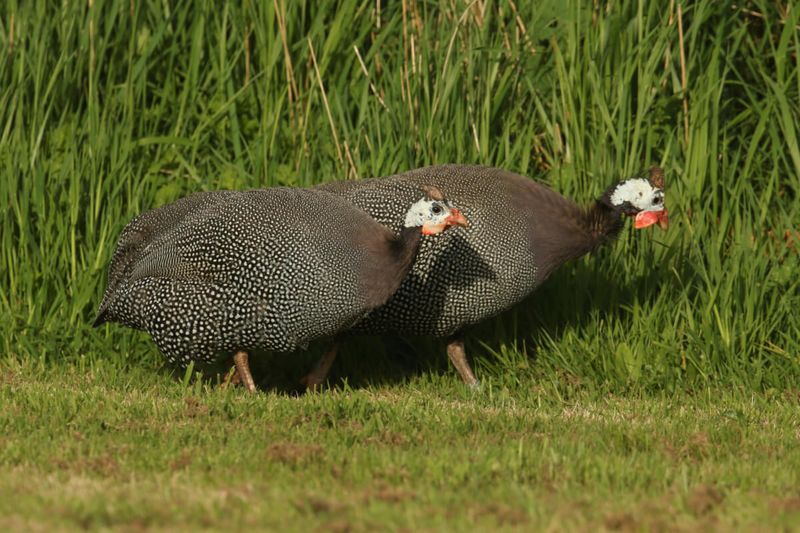
Pheasant, grouse, and other wild birds hung for days or weeks to develop flavour through controlled decomposition. Butchers displayed these birds openly, allowing flies and bacteria to settle on the exposed flesh.
Wealthy families prided themselves on properly aged game, not realising the health hazards. The birds often hung until maggots appeared, which some considered a sign of perfect readiness. Modern food safety officers would immediately condemn such practices.
8. Gelatinous Meats From Animal By‑Products
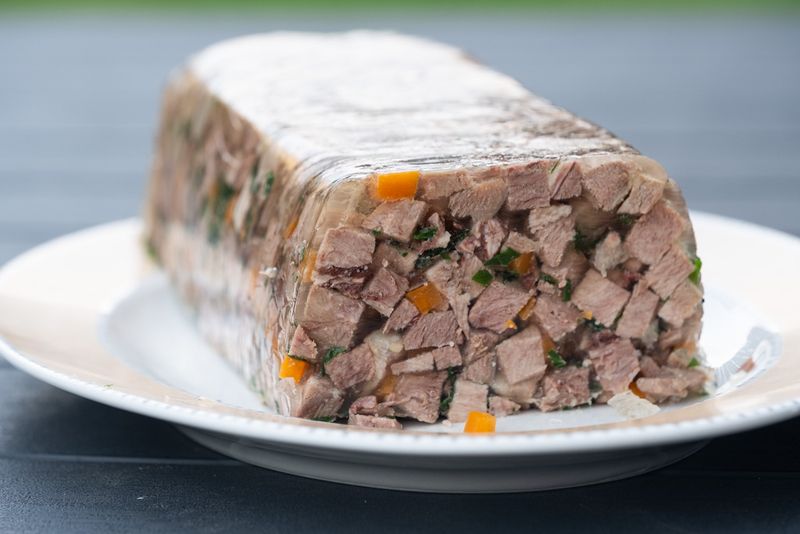
Jellied meats made from hooves, bones, and connective tissue appeared at many meals as economical dishes. Cooks boiled these scraps for hours to extract gelatine, creating wobbly, translucent loaves.
The by-products came from slaughterhouses with minimal inspection or cleaning standards. Contamination occurred easily during the lengthy preparation process. These dishes often contained gristle, cartilage, and unidentifiable bits that modern diners would find completely unappetising and potentially unsafe.
9. Home‑Canned Meats With Botulism Risk
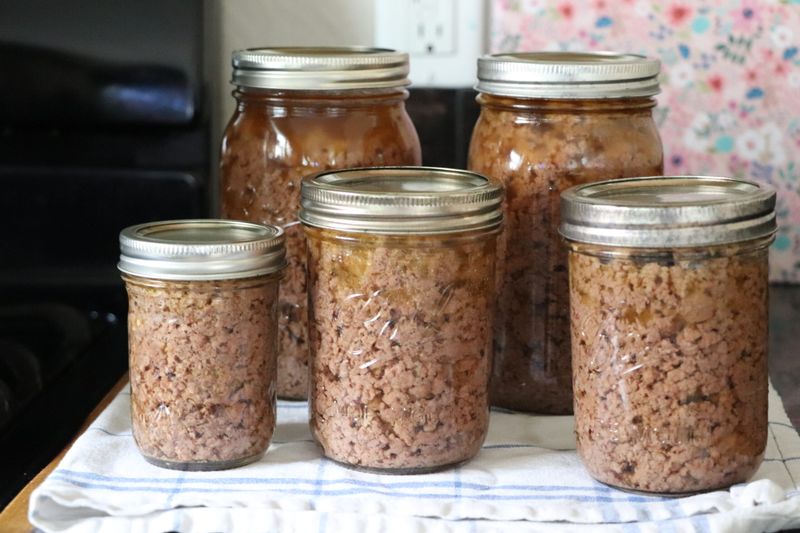
Families often preserved meat at home using basic canning methods that couldn’t destroy botulism spores. Pressure canners weren't widely available, so people used boiling water baths that reached insufficient temperatures.
Botulism poisoning caused paralysis and, in the most serious cases, resulted in life-threatening conditions. Jars sealed with wax or basic lids allowed contamination to occur. Entire families sometimes fell ill after sharing a single jar of home-preserved beef or chicken.