



Supermarkets have turned shopping into a science, carefully designing layouts and promotions that encourage you to spend more than you intended.
From product placement on the shelves to tempting special offers, these strategies are surprisingly effective at guiding what ends up in your trolley. Knowing how these tactics work can help you shop more mindfully and stick to your budget.
This article is for general informational purposes only. Supermarket layouts, promotions, and pricing strategies may vary by location and retailer.
1. Eye-Level Product Placement
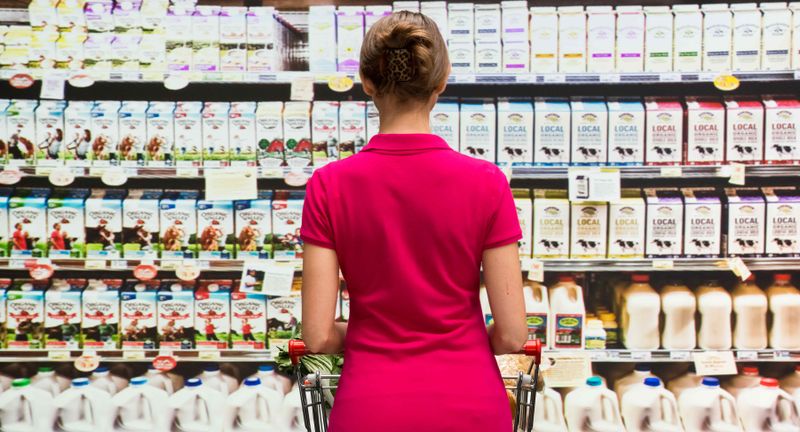
Retailers call it the 'golden zone' – that sweet spot between your chest and eye level where the priciest products live. Walk down any aisle in Sainsbury's or ASDA, and you'll notice premium brands sitting pretty at eye height.
Meanwhile, budget options are banished to the bottom shelves, forcing you to crouch like you're doing yoga. Supermarkets know we're lazy shoppers who grab what's easiest to reach, so they charge brands top dollar for prime real estate.
2. End-of-Aisle Displays
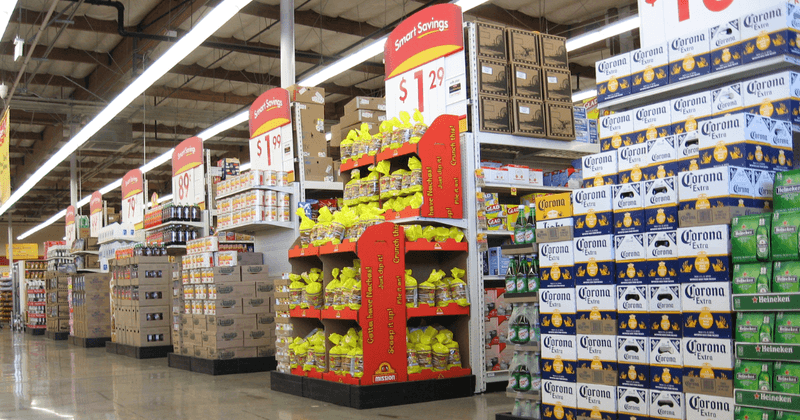
Those towering displays at the end of aisles aren't just convenient – they're psychological goldmines. Your brain automatically assumes anything displayed so prominently must be a cracking deal.
In reality, these 'gondola ends' often feature regular-priced items or products the store needs to shift quickly. That massive display of biscuits blocking half the aisle? Probably not the bargain your mind thinks it is, but the prominent placement tricks you into thinking you're getting something special.
3. Bigger Trolleys
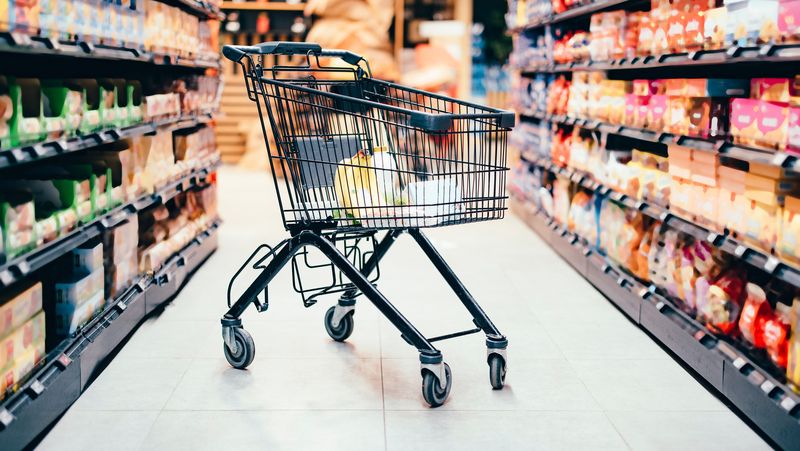
Remember those dinky trolleys from decades past? Modern supermarket trolleys are absolutely massive, and there's a sneaky reason why. Studies show that larger trolleys make people buy significantly more stuff – it's called the 'shopping cart effect.'
When your trolley looks half-empty with just your essentials rattling around the bottom, you subconsciously feel compelled to fill the space. It's like having a huge plate at a buffet – somehow you always manage to fill it up completely.
4. Strategic Store Layouts
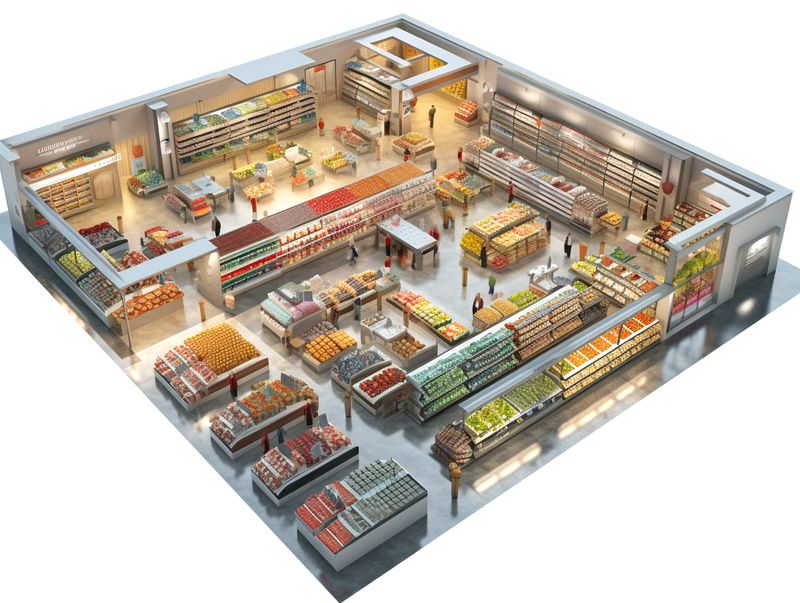
Ever noticed how milk, bread, and other essentials are scattered to the four corners of the shop? That's no accident, mate. Supermarkets deliberately place everyday necessities far apart to force you on a trek through tempting aisles.
The longer route means more opportunities to spot something you fancy. Plus, they often put the bakery near the entrance and checkout queues snake past magazines and chocolate – all calculated moves to maximise your spending journey through their carefully crafted maze.
5. Background Music
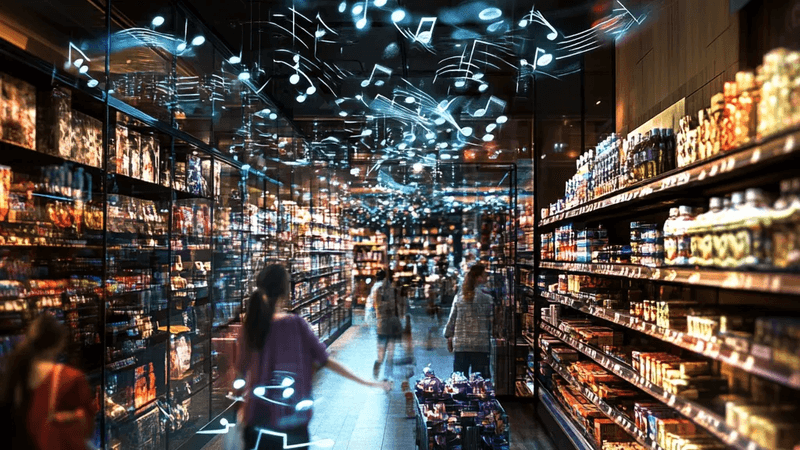
That gentle background music isn't just for ambience – it's a spending weapon. Slow, relaxing tunes make shoppers move more leisurely through the store, increasing the time spent browsing and buying.
Fast-paced music during busy periods keeps queues moving efficiently, whilst classical music apparently makes people feel more sophisticated and willing to spend on premium products. Some stores even adjust the tempo throughout the day to manipulate shopping behaviour. Clever psychological soundtrack engineering disguised as pleasant shopping atmosphere.
6. Multi-Buy Deals
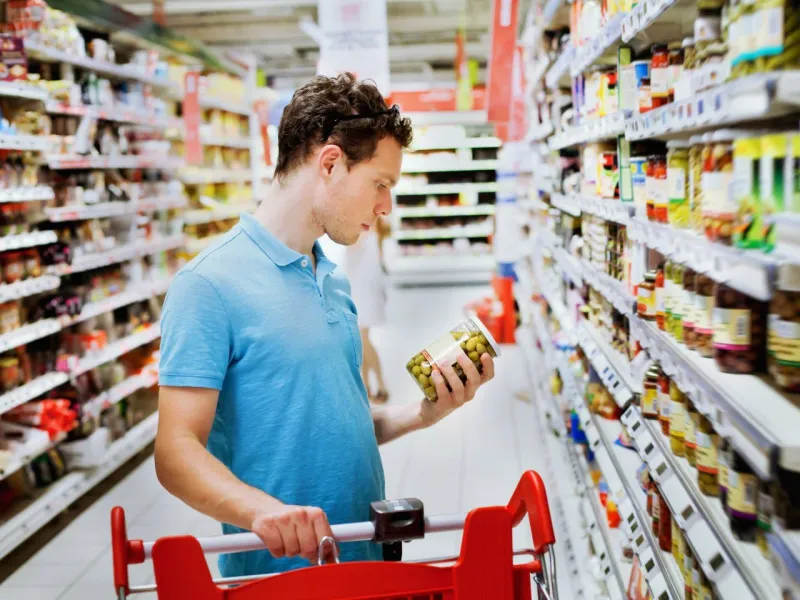
Those '3 for 2' offers seem like brilliant bargains, don't they? Here's the catch – you often end up buying more than you actually need or would normally purchase.
Supermarkets know that once you've committed to a multi-buy deal, you feel obligated to hit the target number even if you only wanted one item originally. Research shows people frequently buy extra products they don't need just to qualify for deals, spending more overall than if they'd simply bought what they planned.
7. Freshly Baked Smells
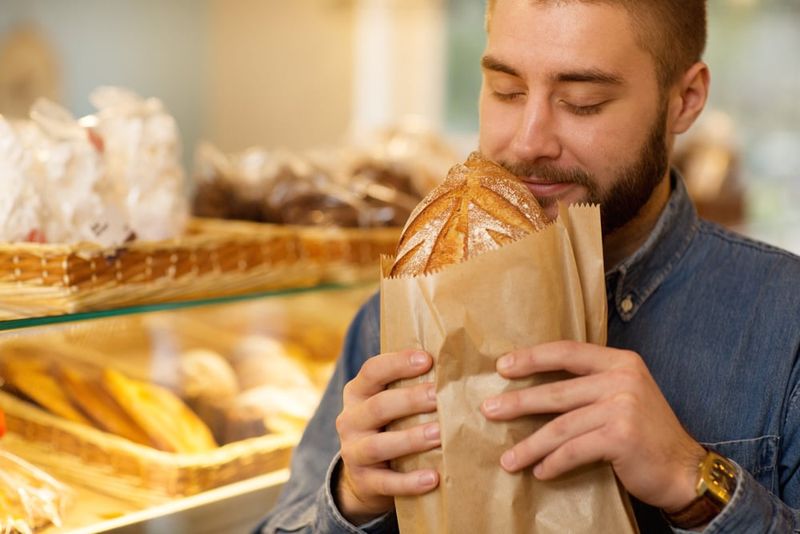
That heavenly aroma of fresh bread wafting through the store isn't entirely natural. Many supermarkets use scent machines or time their baking specifically to create appetising smells that make you hungry.
When you're hungry, you buy more food – especially indulgent treats. Some stores even pipe artificial bakery scents through their ventilation systems. The smell of warm croissants or fresh cookies triggers emotional responses and childhood memories, making you more likely to purchase comfort foods and impulse buys throughout your shop.
8. Seasonal Displays
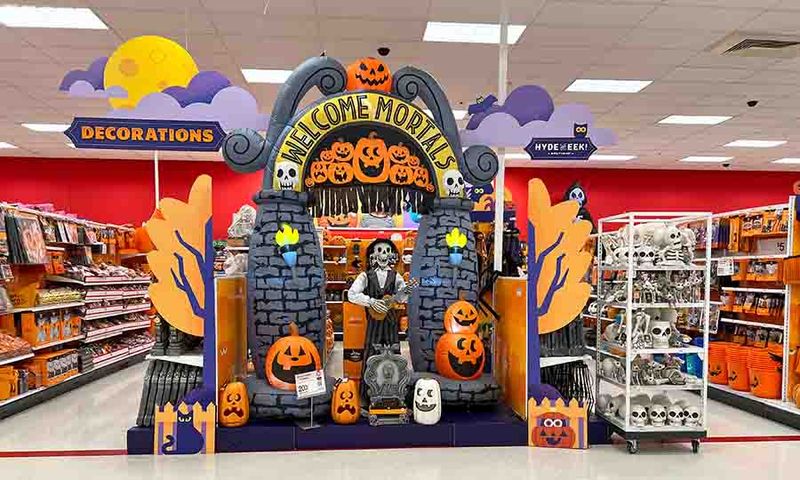
Halloween decorations in September? Christmas stuff in October? Supermarkets jump the gun on seasonal displays because urgency sells. Early seasonal merchandising creates a sense that you need to prepare now or miss out.
These displays tap into our fear of being unprepared for celebrations and social occasions. Seeing Easter eggs in January makes you think about upcoming events, triggering purchases for holidays that are still months away. It's psychological preparation disguised as helpful early shopping convenience, encouraging spending well before necessary.