










Supermarket meal deals have become a familiar part of lunchtime routines across the UK, offering a quick and predictable option for busy days.
While the format looks similar from store to store, the details can vary widely, from pricing and portion sizes to product choice and availability.
Understanding these differences helps shoppers make more informed decisions based on value, preference, and convenience.
Small variations in ranges, own-brand options, and promotional structures can noticeably affect what ends up in the basket.
All information is provided for general interest only.
Prices, product availability, and meal deal formats may vary by store, location, and promotion period.
Photos are for illustrative purposes only.
What Counts As A Meal Deal At Each Supermarket
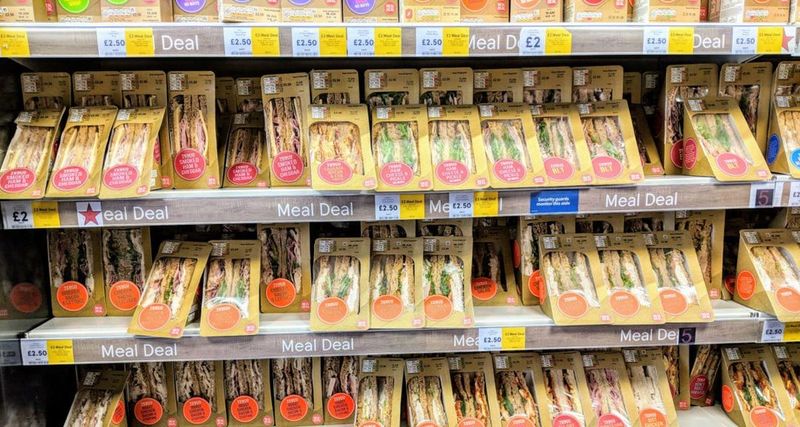
Most UK supermarkets follow the classic formula: pick a main, a snack, and a drink for one bundled price. Sounds simple, right?
But here's where it gets interesting. Tesco, Sainsbury's, and Morrisons stick to the traditional three-item setup, whilst Asda throws a curveball with their "3 for 2" approach where the cheapest item is free.
Boots and Co-op keep it straightforward too, though their qualifying items differ slightly.
Waitrose plays in a pricier league but includes premium options.
Always check what's actually included before you queue – some fancy sandwiches or posh drinks might not qualify, leaving you paying extra at the till.
Price Differences Across Major UK Chains
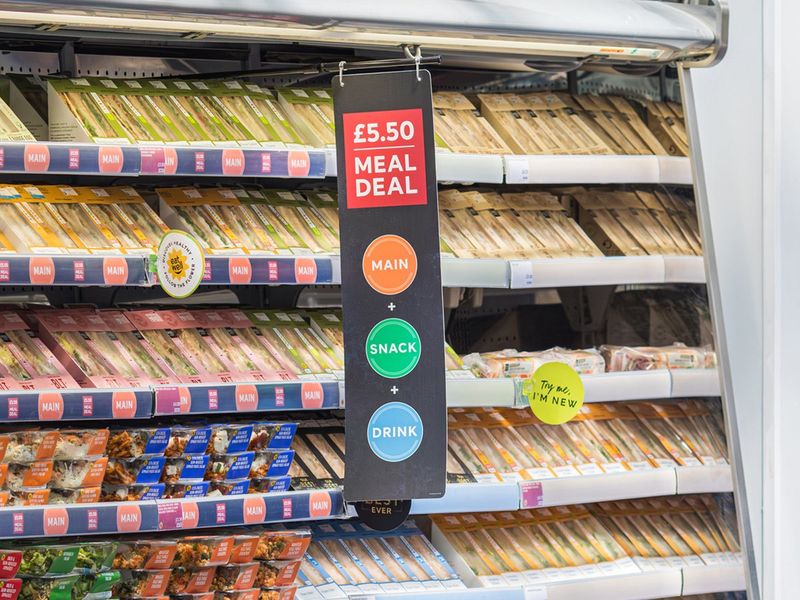
Here's the thing about meal deal prices: they're all over the shop, literally.
Tesco wins the budget battle at £3.40 with a Clubcard, whilst Waitrose sits at a fiver without needing membership points.
Sainsbury's, Morrisons, and Co-op hover around £3.50 if you've got their loyalty cards.
Boots charges £3.60 with an Advantage Card, which isn't terrible considering their city-centre locations.
Without loyalty cards, you're looking at steeper prices – sometimes up to £5 or more.
The catch?
You need to sign up for these schemes, which means handing over your email and getting marketing messages.
Worth it for daily savers, though.
Main Options And Portion Sizes Compared
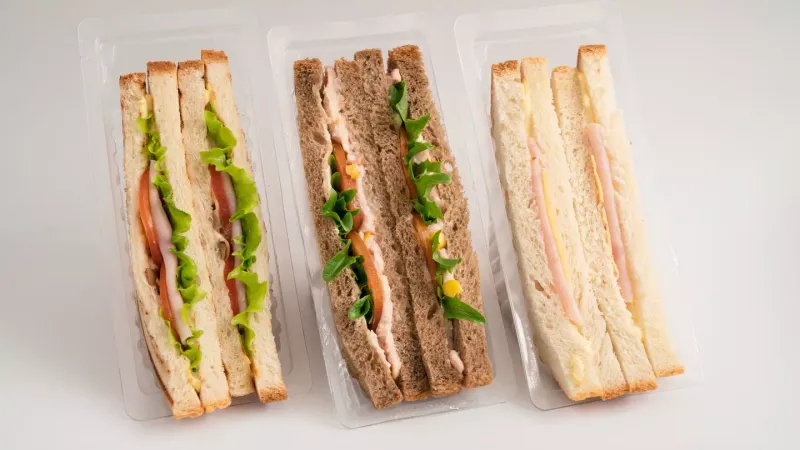
Portion sizes can make or break your lunchtime satisfaction.
Morrisons tends to be generous with their sandwich fillings, whilst some Tesco options can feel a bit stingy on the protein.
Sainsbury's strikes a decent middle ground with consistently sized portions.
Waitrose naturally goes upmarket with thicker bread and fancier ingredients like brie or smoked salmon.
Boots focuses on lighter, health-conscious portions that might leave hungrier folks wanting more.
Wraps generally pack more filling than sandwiches across all chains.
Sushi boxes vary wildly – some chains offer eight pieces, others just six.
Check the weight on the label if you're properly starving.
Snack Variety And Healthier Choices
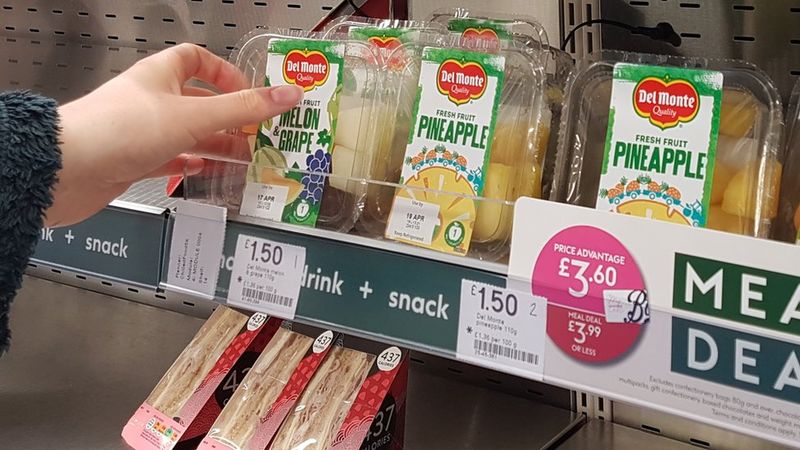
Crisps are the classic choice, but thankfully there's more on offer these days.
Fruit pots, yogurts, and protein bars have muscled their way into most meal deals, giving you alternatives when you're trying to be good.
Boots leads the pack for healthy snacks with options like edamame beans and veggie sticks.
Tesco and Sainsbury's offer decent fruit selections, though availability can be patchy by afternoon.
Morrisons includes some cake bars and flapjacks if you fancy something sweet.
The trick is getting there early – the good snacks vanish fast, leaving you with prawn cocktail crisps nobody wanted.
Drink Selection And Brand Availability
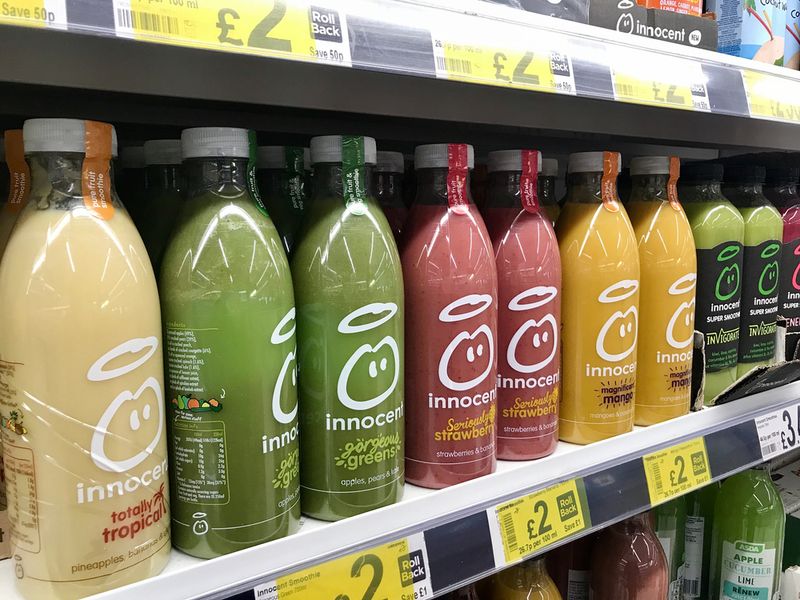
Drink selection separates the decent meal deals from the brilliant ones.
Tesco and Sainsbury's include big-name brands like Coca-Cola and Innocent smoothies, which can cost £2+ alone.
Morrisons offers similar branded choices, making their deals genuinely worth having.
Waitrose naturally stocks premium drinks, whilst Boots includes their own fancy juice blends and protein shakes.
Watch out for size restrictions, though.
Some chains only include smaller bottles in meal deals, whilst full-size drinks cost extra.
Energy drinks are hit-and-miss – Tesco includes them, but Sainsbury's can be selective.
Coffee also counts at most places, perfect for afternoon pick-me-ups.
Value For Money Versus Convenience
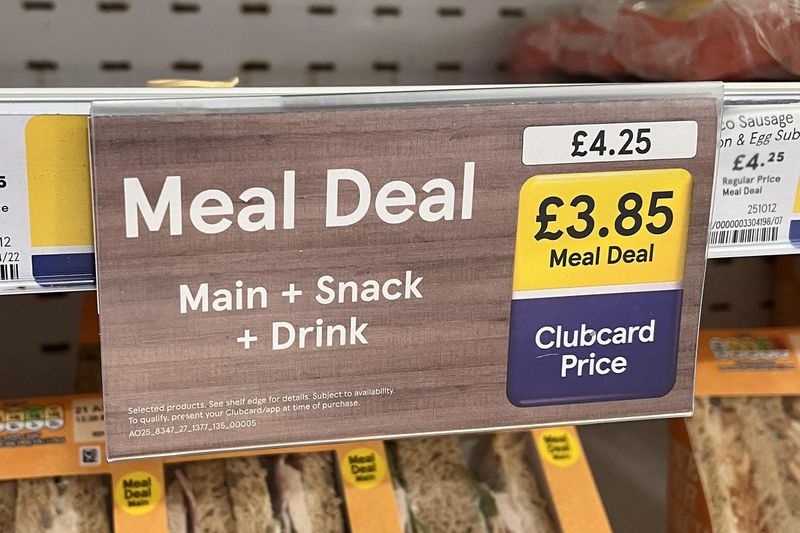
Maximum savings reach up to £5.30 at Tesco and Morrisons if you pick the priciest qualifying items.
That's proper value when a sandwich alone might cost £3.50.
But here's the reality check: are you actually choosing what you want, or just what maximizes savings?
Sometimes grabbing exactly what you fancy from the reduced section works out cheaper.
Convenience matters too.
If there's a Boots next to your office but Tesco's a ten-minute walk, that extra 20p might be worth it.
Time is money, after all. Plus, meal deals beat most high-street lunch spots on price, even the pricier ones.
Vegetarian And Plant-Based Options
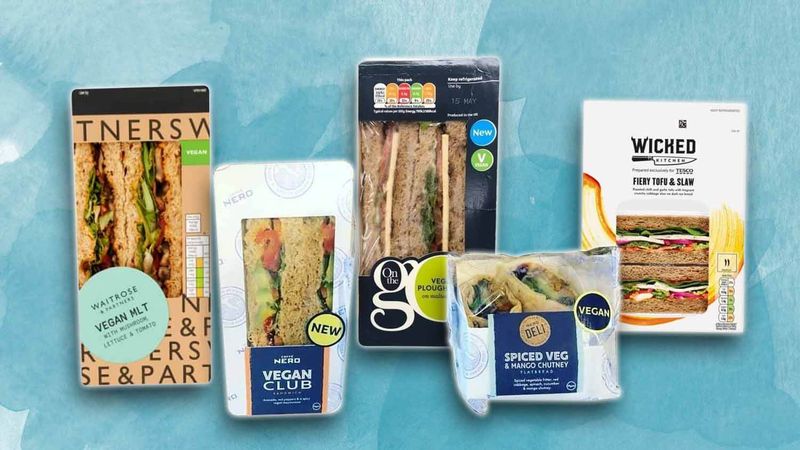
Plant-based eating has properly taken off, and meal deals have caught up.
Every major chain now offers veggie and vegan mains, from falafel wraps to no-chicken sandwiches.
Sainsbury's and Tesco lead with diverse vegan options, including plant-based sushi rolls.
Morrisons has upped their game recently with mock-meat sandwiches that actually taste decent.
Boots caters well to plant-based diets with clearly labeled options.
The snag?
Vegan choices can sell out quickly, especially in busy locations.
Get there early or you'll be stuck with egg mayo.
Also, check ingredients carefully – some "vegetarian" items contain dairy or eggs if you're strictly vegan.
Own-Brand Versus Branded Items

Own-brand items dominate meal deal mains – sandwiches, wraps, and salads are almost always supermarket-made.
Quality varies massively, though.
Waitrose own-brand rivals premium stuff, whilst budget chains can be hit-and-miss.
Snacks and drinks are where brands shine.
Walkers crisps, Innocent smoothies, and Coca-Cola add perceived value that makes deals feel like bargains.
Some chains like Aldi don't do traditional meal deals but offer permanently low prices on own-brand items instead.
Tesco balances both brilliantly, mixing their decent own-brand sandwiches with recognizable drink brands.
The psychological win of getting a "proper" Coke makes the deal feel better, even if own-brand cola tastes similar.
Availability In City And Travel Locations
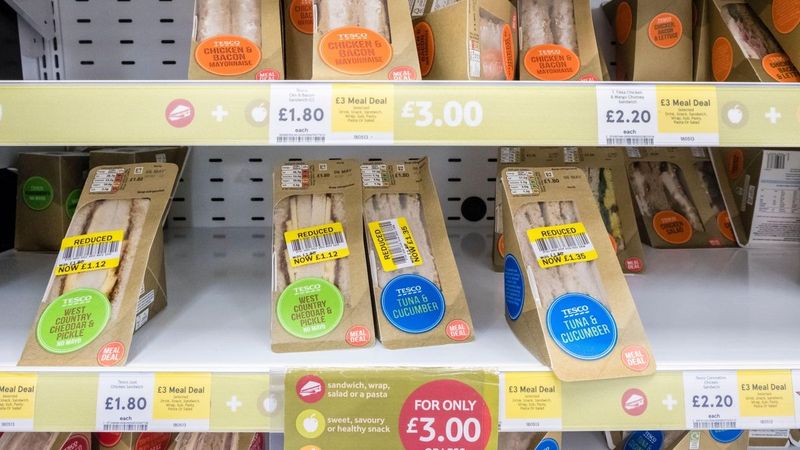
Location massively affects your meal deal experience.
City-centre branches of Boots and Tesco Metro stores are everywhere, making them convenient for office workers and students.
Train stations and service stations stock meal deals too, but often at inflated prices or with limited selections.
Motorway services particularly take the mick with pricing.
Smaller convenience stores might not honor the same deals as larger supermarkets, so always check before assuming.
London has the best availability and variety, whilst rural areas might only have one option.
Airport branches?
Forget it – they rarely participate in meal deals, leaving you paying full whack for a sad sandwich.
Packaging And Sustainability Considerations

Meal deals generate tons of packaging waste – literally.
Most sandwiches come in plastic containers, crisps in foil bags, and drinks in plastic bottles.
Not exactly eco-friendly when you're doing it daily.
Some chains are improving.
Sainsbury's and Co-op have introduced more recyclable packaging, whilst Waitrose uses less plastic overall.
Boots offers reusable cup discounts if you bring your own for drinks.
The reality?
Convenience often trumps sustainability for rushed lunchtimes.
If you care about waste, consider bringing reusable containers and decanting your meal, or skip meal deals for homemade lunches.
Small changes add up when millions grab meal deals weekly across Britain.