



As we get older, choosing the right foods can make a big difference to how we feel day to day. While some superfoods truly help support heart health, bone strength, and overall wellbeing, others aren’t as beneficial as they seem.
This guide highlights eight nutrient-rich foods that can help seniors stay healthy and active – and four that might do more harm than good, despite their wholesome image.
This article is for general informational purposes only. Individual nutritional needs and health conditions may vary. Always consult a qualified healthcare professional or registered dietitian for personalised advice. Photos are for illustrative purposes only.
1. Blueberries
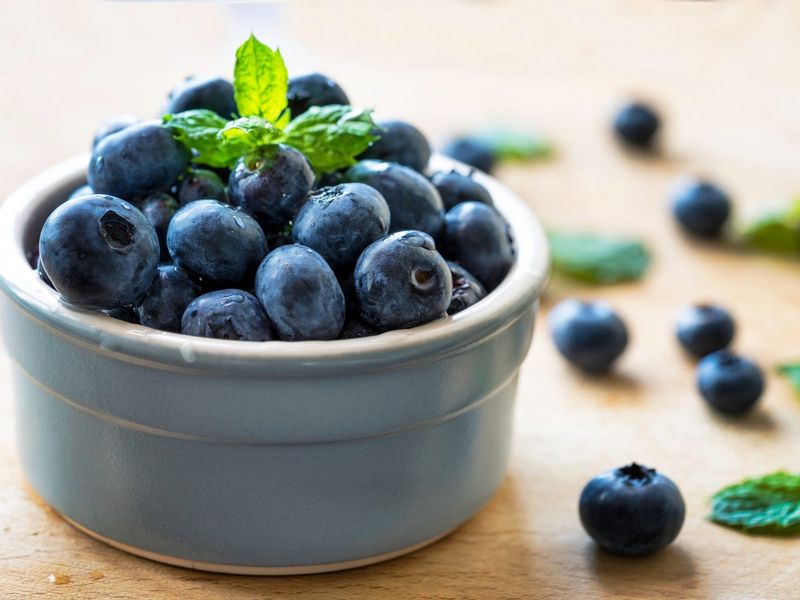
Ever wonder why your gran always had a punnet of these in the fridge? Blueberries pack more antioxidants than almost any other fruit you'll find at Tesco or Sainsbury's, which means they're brilliant for keeping your brain sharp and your memory intact.
Research from nutritionists shows that eating blueberries regularly can help reduce inflammation and may even lower the risk of heart disease. They're dead easy to add to porridge, yogurt, or even a cheeky crumble.
Fresh or frozen, they're equally nutritious, so stock up when they're on offer and keep your grey matter in top form.
2. Oats
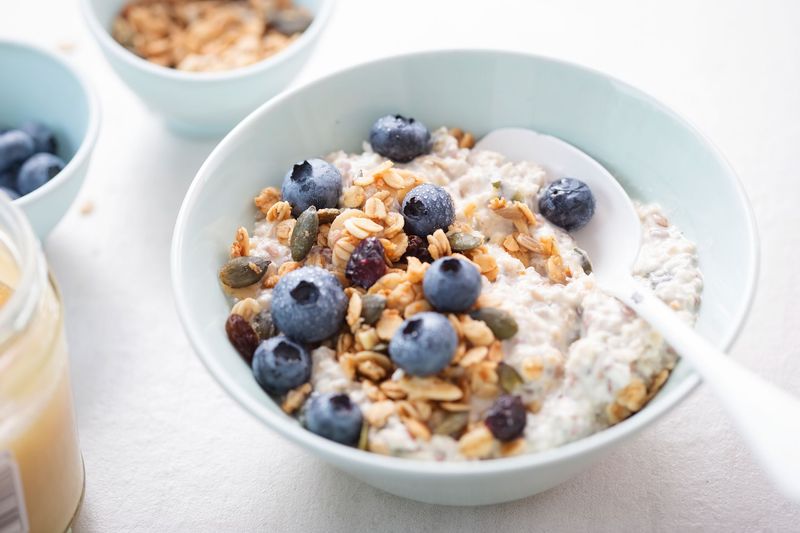
A proper British breakfast staple, oats have been fuelling mornings for generations, and for good reason. They're loaded with soluble fibre that helps keep cholesterol levels in check and your digestive system running smoothly.
Doctors often recommend oats to seniors because they release energy slowly, preventing those mid-morning crashes that leave you reaching for biscuits. Whether you prefer them as porridge, in flapjacks, or mixed into smoothies, they're wonderfully versatile.
Plus, they're ridiculously cheap and available everywhere from corner shops to Waitrose, making healthy eating accessible for everyone.
3. Spinach
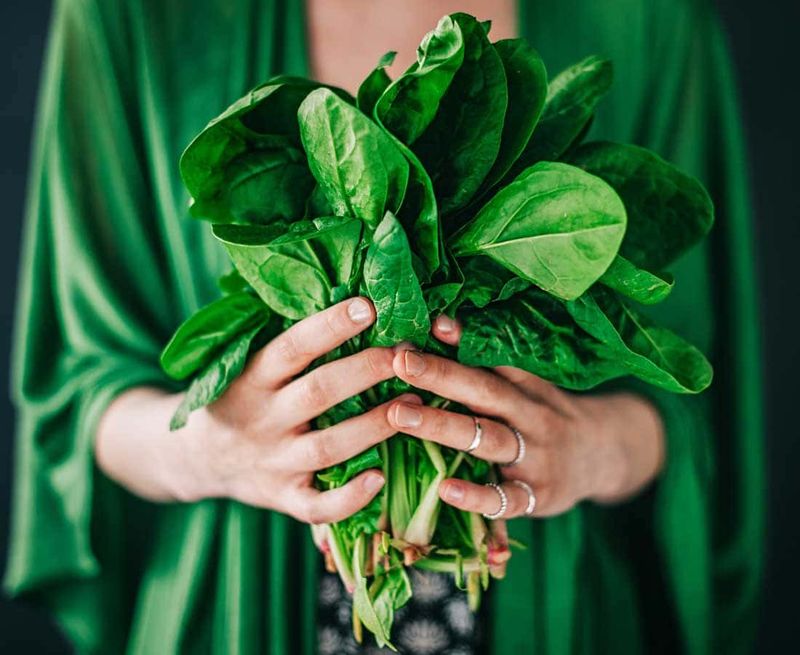
Popeye was onto something, though you don't need to eat it straight from the tin like he did. Spinach is absolutely bursting with iron, calcium, and vitamins A and K, all of which become increasingly important as bones start to feel their age.
Nutritionists love recommending spinach because it supports bone density and helps maintain healthy vision. You can wilt it into pasta, toss it in a salad, or sneak it into a Sunday roast alongside your Yorkshire puddings.
Fresh bags are available year-round at every supermarket, making it one of the easiest greens to incorporate into your daily routine.
4. Salmon
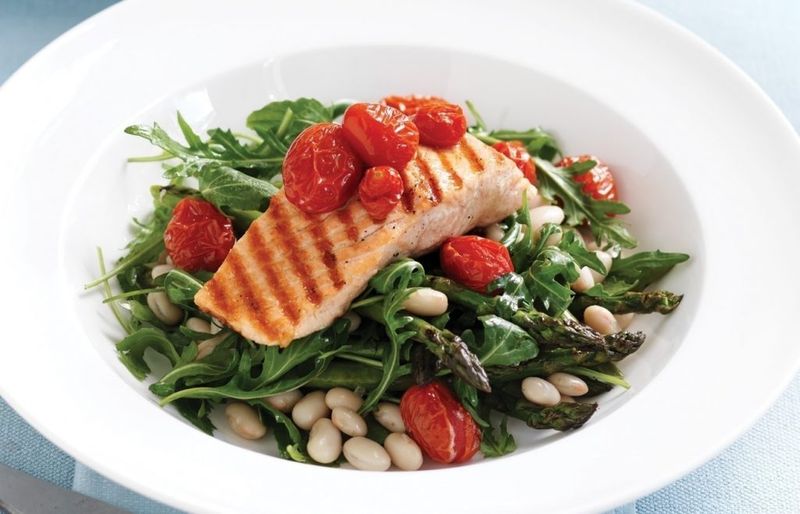
Fancy a bit of fish that actually does you good? Salmon is swimming with omega-3 fatty acids, which are absolute champions when it comes to heart health and reducing joint inflammation.
Doctors frequently suggest oily fish like salmon to seniors because it supports brain function and may help prevent cognitive decline. Whether you grab a fresh fillet from the fishmonger or pick up a tin from Aldi, you're getting quality nutrition.
Try it grilled with a squeeze of lemon, flaked into a jacket potato, or even on a bagel for a proper treat that your body will thank you for.
5. Greek Yogurt
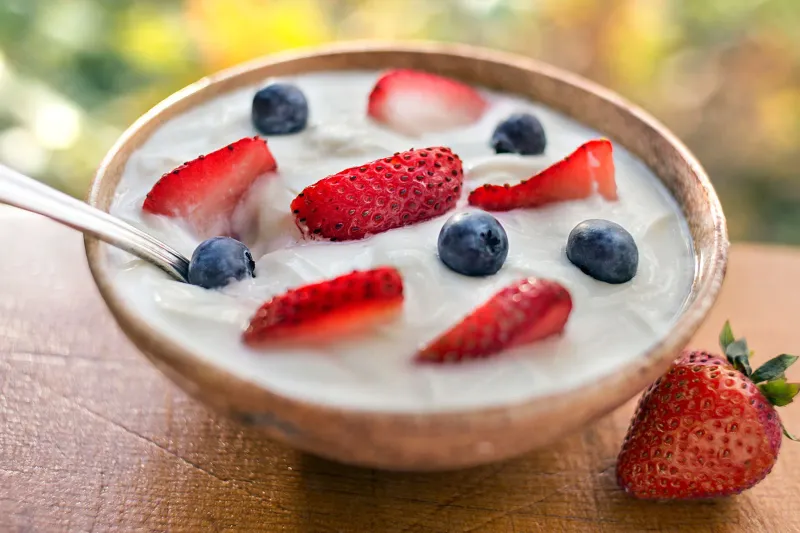
Thicker and creamier than your standard yogurt, Greek yogurt has become a staple in British fridges for good reason. It's packed with protein and probiotics, which help maintain muscle mass and keep your gut happy as you age.
Nutritionists point out that the live cultures in Greek yogurt support digestive health, something that becomes trickier with each passing year. It's brilliant on its own, dolloped onto fruit, or used as a healthier substitute for cream in recipes.
Available in every supermarket from Morrisons to Marks & Spencer, it's an effortless way to boost your daily protein intake without much fuss.
6. Walnuts
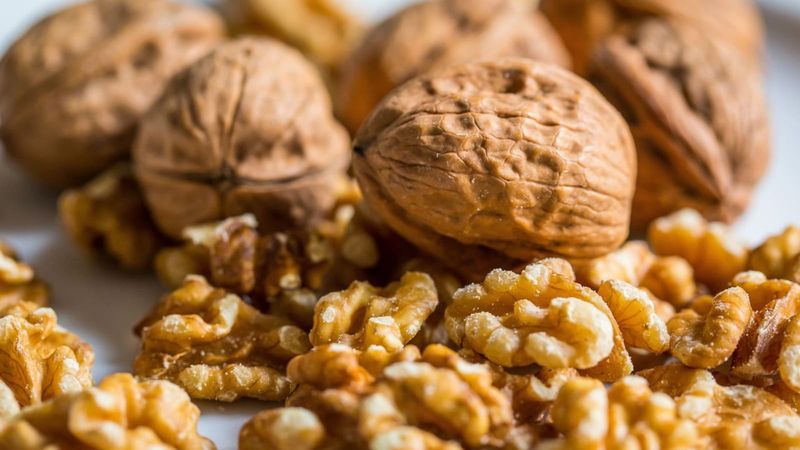
Look past their wrinkly appearance and you'll find one of nature's cleverest little packages. Walnuts are absolutely brilliant for brain health, containing omega-3s and antioxidants that help keep your mind sharp and your heart ticking along nicely.
Doctors often recommend a small handful daily because they can help lower bad cholesterol and reduce inflammation throughout the body. Toss them into salads, bake them into banana bread, or simply munch them as a mid-afternoon snack.
They're widely available across British supermarkets and health food shops, making them an easy addition to any senior's diet without breaking the bank.
7. Sweet Potatoes
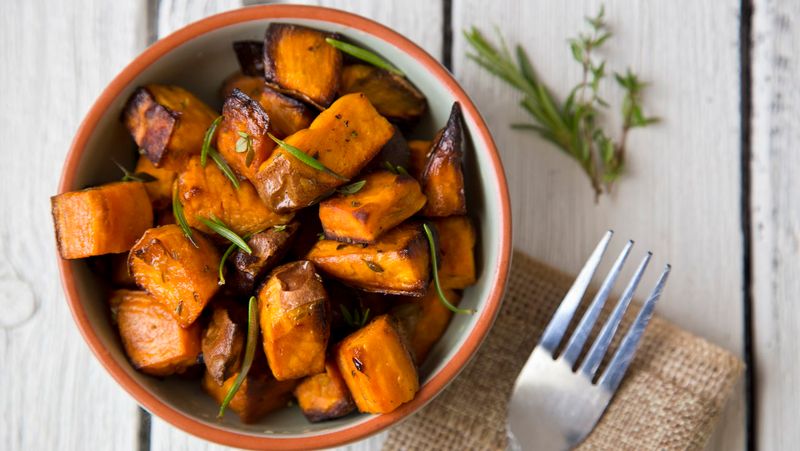
Once considered exotic, sweet potatoes have become a regular sight in British kitchens, and they're a nutritional powerhouse for older adults. Loaded with beta-carotene, fibre, and vitamins, they support eye health and keep blood sugar levels steadier than regular spuds.
Nutritionists appreciate how they provide sustained energy without the spike and crash of white potatoes. Roast them with a bit of rosemary, mash them for a colourful side dish, or slice them into wedges for a healthier chip alternative.
Available at every major supermarket, they're affordable, versatile, and genuinely delicious in ways that make eating well feel like a treat rather than a chore.
8. Broccoli
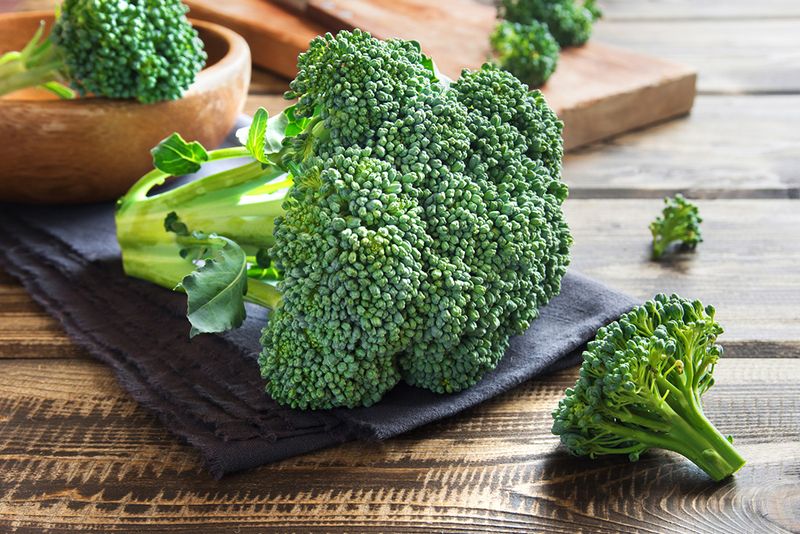
Love it or hate it from childhood dinners, broccoli deserves another chance as you get older. This cruciferous veg is absolutely stuffed with vitamins C and K, plus compounds that may help protect against certain cancers according to medical research.
Doctors often recommend broccoli to seniors because it supports bone health and boosts the immune system when it needs it most. Steam it lightly to preserve nutrients, roast it with garlic for extra flavour, or toss it into stir-fries and pasta dishes.
Fresh or frozen from any British supermarket, it's one of the most reliable vegetables you can count on for keeping your body in fighting form.
9. Grapefruit
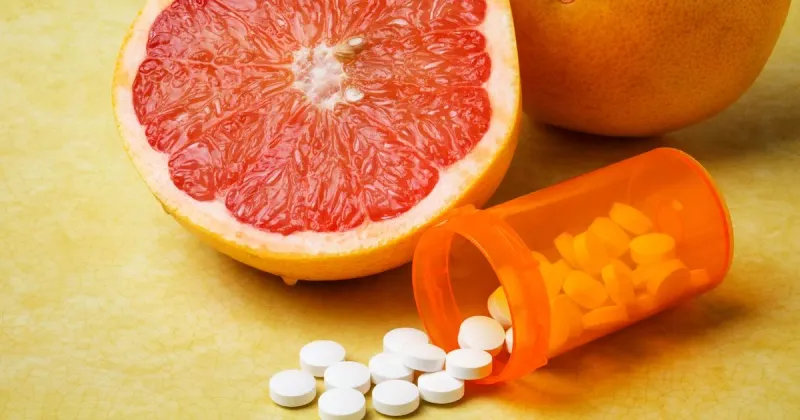
Sounds healthy, looks refreshing, but here's the catch: grapefruit can seriously interfere with dozens of common medications that seniors often take. This includes statins, blood pressure tablets, and even some antihistamines, potentially making them too strong or completely ineffective.
Doctors and pharmacists consistently warn older patients about this hidden danger because the consequences can be genuinely serious. The fruit contains compounds that mess with how your liver processes certain drugs, which isn't worth the risk.
If you're on any regular medication, it's best to skip the grapefruit altogether and choose safer citrus options like oranges or satsumas from your local shop instead.
10. Coconut Oil
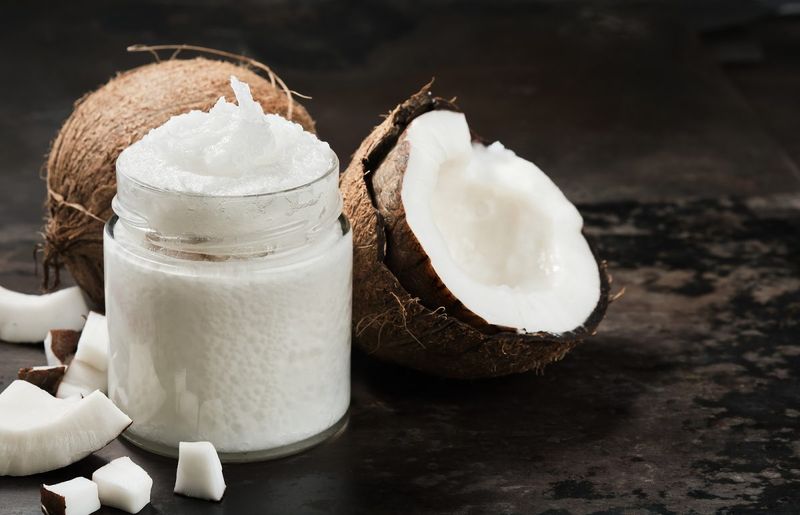
Despite its trendy reputation, coconut oil isn't the miracle cure it's been made out to be, especially for older hearts. It's absolutely loaded with saturated fat, roughly 90%, which is even higher than butter and can raise bad cholesterol levels.
Nutritionists caution seniors against using it regularly because heart health becomes increasingly important with age, and coconut oil works against that goal. Whilst it's fine occasionally in cooking, it shouldn't replace healthier options like olive or rapeseed oil.
British health authorities recommend limiting saturated fat intake, so save the coconut oil for the occasional recipe and stick with proven heart-friendly fats for everyday use instead.
11. Processed Protein Bars
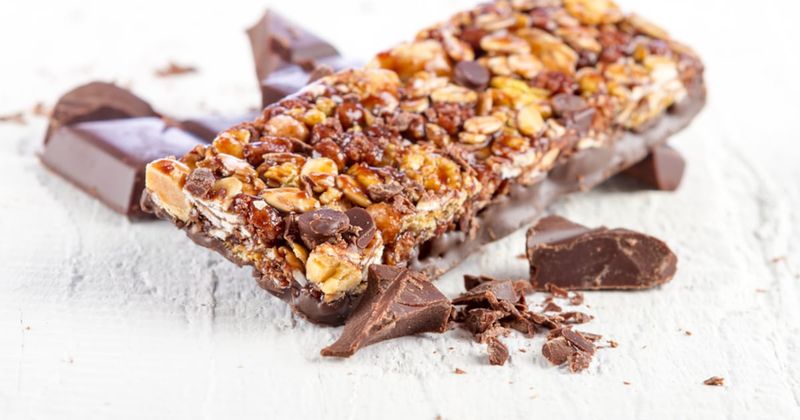
They're marketed as healthy snacks, but most protein bars you'll find at Boots or the supermarket are basically glorified chocolate bars in disguise. Many are absolutely stuffed with sugar, artificial sweeteners, and additives that do your body no favours.
Nutritionists warn that seniors should read labels carefully because these bars often contain more sugar than a doughnut, plus ingredients that can upset digestion. The protein content rarely justifies the rubbish that comes with it.
Instead, opt for a handful of nuts, a boiled egg, or proper food that doesn't need a chemistry degree to understand the ingredients list on the back.
12. Agave Syrup
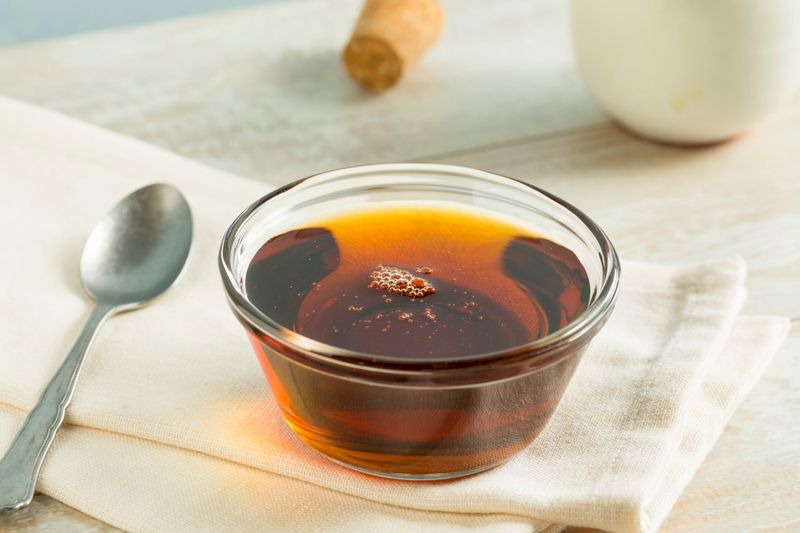
Marketed as a natural, healthy alternative to sugar, agave syrup is actually one of the sneakiest culprits in the sweetener aisle. It contains extremely high levels of fructose, even more than high-fructose corn syrup, which can wreak havoc on your liver and blood sugar.
Doctors caution seniors against falling for the health halo around agave because it can contribute to insulin resistance and weight gain. Just because it comes from a plant doesn't mean it's good for you.
If you need a sweetener, a small amount of proper honey or even a tiny bit of regular sugar is honestly a better choice than this overhyped syrup.