






Halloween isn’t just about sweets and costumes - in some places, it’s a time to enjoy foods that are downright bizarre. From eerie treats to dishes with spooky backstories, different countries have their own way of giving you a little fright at the dinner table. If you think pumpkin pie is adventurous, wait until you see what’s on these menus.
This article is for general informational purposes only. Food traditions and recipes can vary between regions and families, and availability may differ depending on where you live.
1. Barmbrack - Ireland

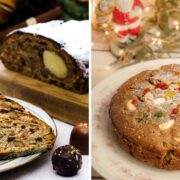
This fruity tea bread holds secrets within its sweet, spiced dough. Irish families bake small objects like rings, coins, or bits of cloth inside, and whatever you find in your slice supposedly predicts your future.
Finding a ring means marriage is coming soon, whilst a coin promises wealth. The tradition dates back centuries, making teatime during Halloween quite exciting for everyone gathered around the table.
2. Soul Cakes - United Kingdom

Children once went door-to-door singing songs in exchange for these spiced biscuits, a practice called 'souling' that predates modern trick-or-treating. Each cake represented a soul released from purgatory, according to medieval Christian belief.
Flavoured with allspice, nutmeg, and cinnamon, they're marked with a cross on top. Poor families would receive these treats from wealthier households, creating a bond between social classes during the autumn season.
3. Pan De Muerto - Mexico

Shaped to represent bones and decorated with dough 'tears,' this sweet bread honours deceased loved ones during Día de los Muertos celebrations. The round top symbolises a skull, whilst the crossed pieces represent bones.
Families place it on home altars alongside photographs and favourite foods of those who've passed away. Flavoured with orange blossom water and anise, it's both a tribute and a delicious treat shared amongst living relatives.
4. Colcannon - Ireland

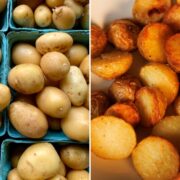
Mashed potatoes mixed with cabbage or kale might sound ordinary, but this dish transforms into something magical on Halloween night. Irish tradition involves hiding charms inside - whoever finds the ring will marry within the year.
Served with a well of melted butter in the centre, it's comfort food with a fortune-telling twist. Some families still leave a bowl out for wandering spirits, hoping to keep them satisfied and friendly throughout the dark autumn evening.
5. Huesos De Santo - Spain

These marzipan tubes literally translate to 'saint's bones,' making them perfectly macabre for All Saints' Day celebrations. Filled with sweet egg yolk cream, they're shaped like tiny bone segments and coated in sugar syrup.
Spanish bakeries display them in shop windows throughout late October and early November. The almond paste exterior contrasts beautifully with the rich, golden filling inside, creating a treat that's both visually striking and utterly delicious for autumn gatherings.
6. Fave Dei Morti - Italy

Resembling fava beans, these crunchy almond biscuits commemorate the dead during early November. Ancient Romans believed fava beans contained the souls of the deceased, making them sacred offerings at gravesites.
Italian bakers continue this tradition by creating bean-shaped cookies from almond flour, egg whites, and sugar. They're intentionally hard and dry, meant to be dunked in coffee or sweet dessert liquid. Different regions add their own special touches with lemon zest or cinnamon.
7. Candy-Coated Apples - United States

Autumn fairs and Halloween parties wouldn’t feel complete without these glossy red apples. Coated in a crisp sugar shell, they blend tart fruit with sweet crunch for a treat that’s both nostalgic and satisfying.
The idea began in early twentieth-century New Jersey when a candy maker experimented with red cinnamon syrup for his shop window. It soon caught on across America, becoming a seasonal favourite that signals the start of sweater weather.
8. Pão-Por-Deus - Portugal

Portuguese children traditionally go door-to-door on All Saints' Day requesting these sweet bread rolls, singing 'bread for God' in exchange. Neighbours prepare batches filled with raisins, nuts, and sometimes candied fruits.
This custom predates Halloween trick-or-treating by centuries, originating from medieval Christian charity practices. Families compete to make the most generous and delicious offerings, strengthening community bonds whilst honouring religious traditions during the autumn season when harvests are celebrated.
9. Mogette Beans Of Vendée - France

These creamy white beans are a beloved speciality from France’s Vendée region. Traditionally served with ham or spread on toast with butter, they’re a comforting autumn dish rather than a Halloween one.
Locals take pride in their protected geographical status, which ensures only beans grown in this area earn the name. Their mild, nutty flavour and soft texture make them a cherished part of regional French cooking.