





The 1970s were a wild time for British kitchens – when experimental food pairings ruled dinner tables and convenience reigned supreme. From jelly-laden salads to tinned creations that stretched the imagination, these quirky combos were once considered the height of sophistication.
They might raise a few eyebrows today, but they capture a time when home cooking was bold, colourful, and proudly unconventional.
This article is for general informational and entertainment purposes only. Food availability, preparation methods, and public tastes have changed over time. Some dishes mentioned may no longer be widely produced or recommended by modern dietary standards. Photos are for illustrative purposes only.
1. Crisp Sandwich

Nothing screamed 'proper British ingenuity' quite like slapping a handful of crisps between two slices of buttered white bread. What started as a quick snack became a lunchbox legend, with purists debating whether to use ready salted or cheese and onion flavour.
The magic lay in the satisfying crunch against soft, buttered bread. Some families elevated the experience with a squeeze of salad cream or a sprinkle of salt. Even today, crisp butties hold a special place in the hearts of those who grew up in that glorious decade of questionable culinary choices.
2. Cheese And Pineapple Hedgehog
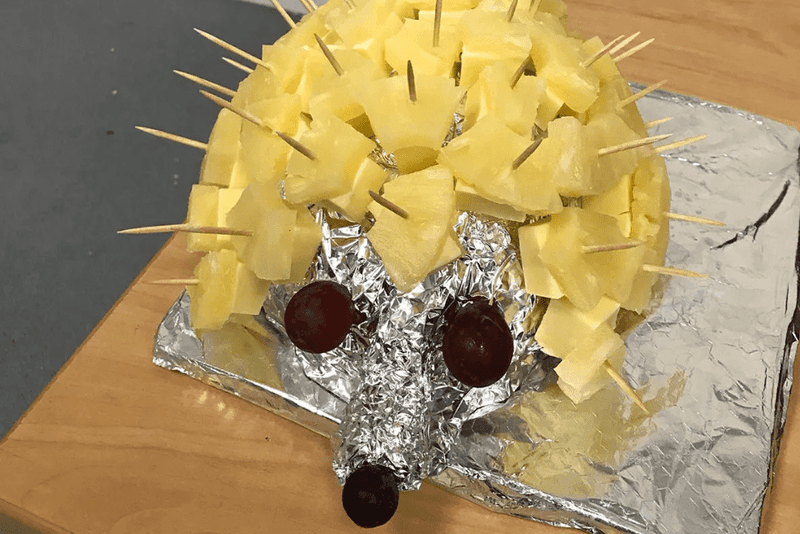
Picture a suburban dinner party where sophistication meant stabbing chunks of tinned pineapple and cheddar onto cocktail sticks arranged in a grapefruit. This spiky centrepiece dominated buffet tables throughout the decade, promising exotic flavours to guests who'd never travelled further than Blackpool.
The sweet and savoury combo divided opinion sharply. Enthusiasts adored the tropical twist, whilst traditionalists quietly questioned why fruit belonged anywhere near proper cheese. Despite the controversy, no self-respecting 1970s hostess would dream of throwing a gathering without one proudly displayed.
3. Jellied Eels
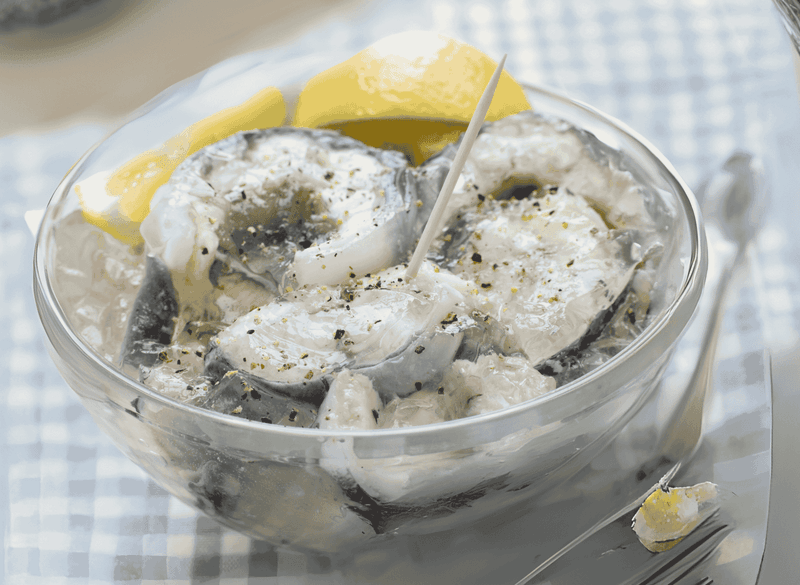
Long before the 1970s, East End Londoners had been tucking into eels suspended in wobbly aspic, but the decade saw this delicacy reach peak popularity in pie and mash shops. The cold, gelatinous texture wasn't for everyone, yet regulars swore by the dish's unique flavour.
Preparation involved boiling eels until their natural collagen created that distinctive jelly. Seasoned with vinegar, white pepper, and a pinch of nutmeg, the result looked rather unappetising to newcomers. Still, devoted fans defended jellied eels as proper working-class fare with centuries of London heritage behind it.
4. Angel Delight
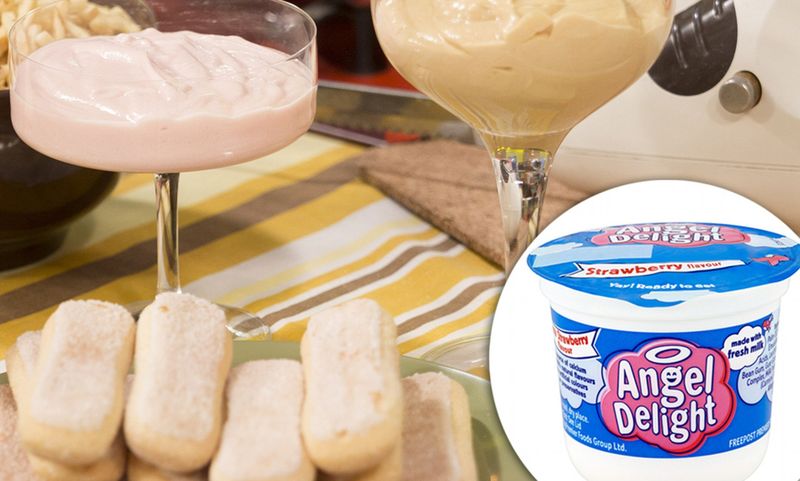
Before Jamie Oliver and artisan puddings, British families relied on powdered desserts that transformed into fluffy mousse with just milk and vigorous whisking. Angel Delight arrived in flavours like butterscotch, strawberry, and chocolate, promising instant pudding perfection in minutes.
Children adored watching the powder magically thicken into clouds of sweetness. Mums appreciated the convenience after long days without modern kitchen gadgets. The artificial flavours and lurid colours might horrify health-conscious parents today, but back then, Angel Delight represented culinary progress and a guaranteed way to get kids excited about dessert time.
5. Arctic Roll
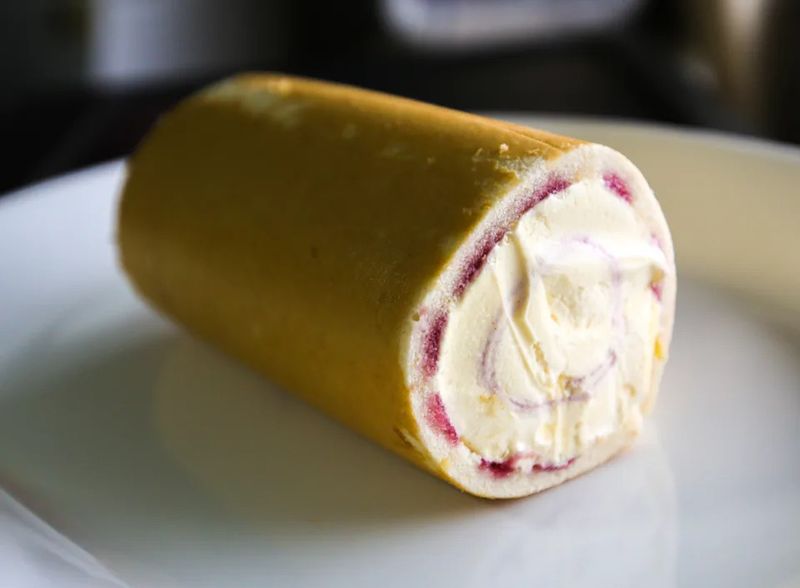
When freezers became standard in British homes, Arctic Roll emerged as the ultimate dinner party finale. This cylindrical marvel combined thin sponge cake, raspberry jam, and vanilla ice cream in a perfect spiral that somehow stayed frozen until serving time.
Slicing through revealed satisfying layers that impressed guests with minimal effort from the host. Birds Eye dominated the market, making Arctic Roll synonymous with sophisticated entertaining. The sponge often turned slightly chewy from freezing, but nobody seemed to mind. It represented modern convenience meeting traditional British pudding expectations in one frosty package.
6. Prawn Cocktail
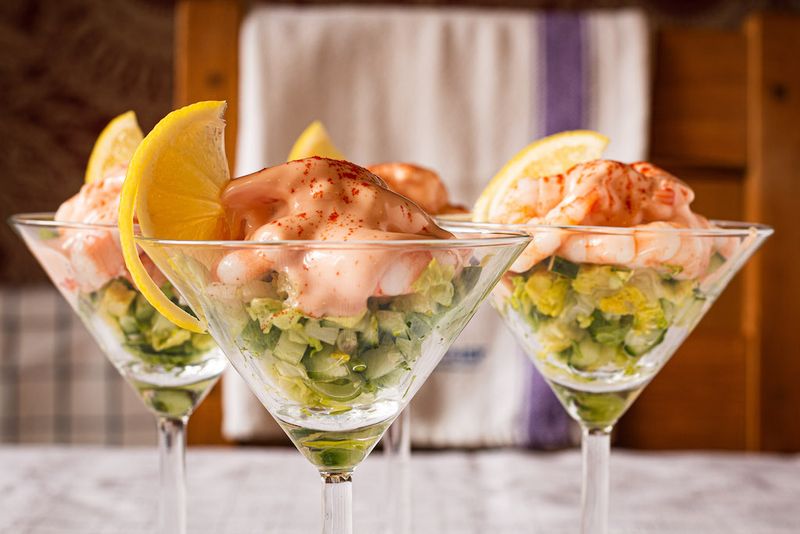
Forget avocado toast; the 1970s belonged to prawns drowning in Marie Rose sauce, perched atop shredded iceberg lettuce in a fancy glass. This starter screamed elegance at every Berni Inn and steakhouse across Britain, making diners feel positively cosmopolitan.
The sauce, a simple blend of mayonnaise, tomato ketchup, and Worcestershire sauce, transformed frozen prawns into something special. A sprinkle of paprika and a lemon wedge completed the presentation. Though considered dated now, prawn cocktail remains the ultimate nostalgic symbol of when eating out meant three courses and proper napkins folded into triangles.
7. Tuna And Mayonnaise With Beans On A Jacket Potato
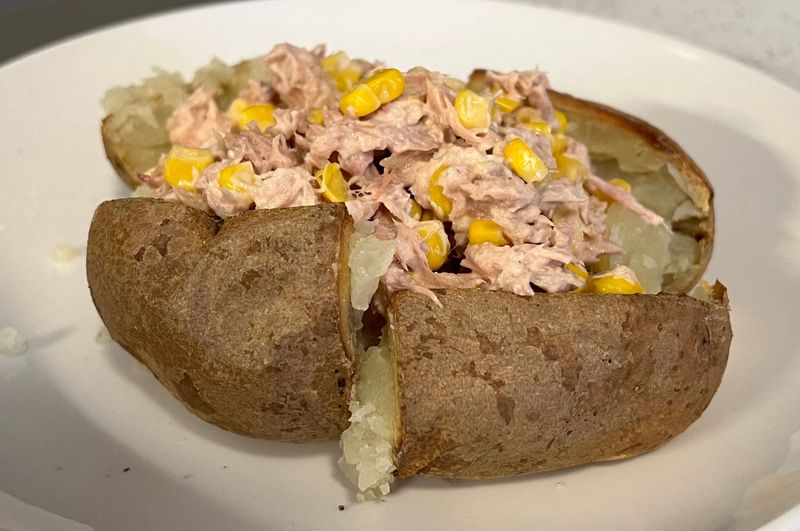
Someone in 1970s Britain looked at a perfectly good jacket potato and thought it needed both tinned tuna mixed with mayonnaise and a generous dollop of baked beans. This carb-heavy combo became a cafe staple, offering filling sustenance for workers on lunch breaks.
The combination sounds utterly mad to modern sensibilities, yet it provided protein, vegetables (sort of), and comfort in one steaming spud. The beans added sweetness and moisture, whilst the tuna mayo brought creamy richness. Together, they created a peculiar harmony that kept bellies full and prices reasonable during uncertain economic times.
8. Vesta Curries
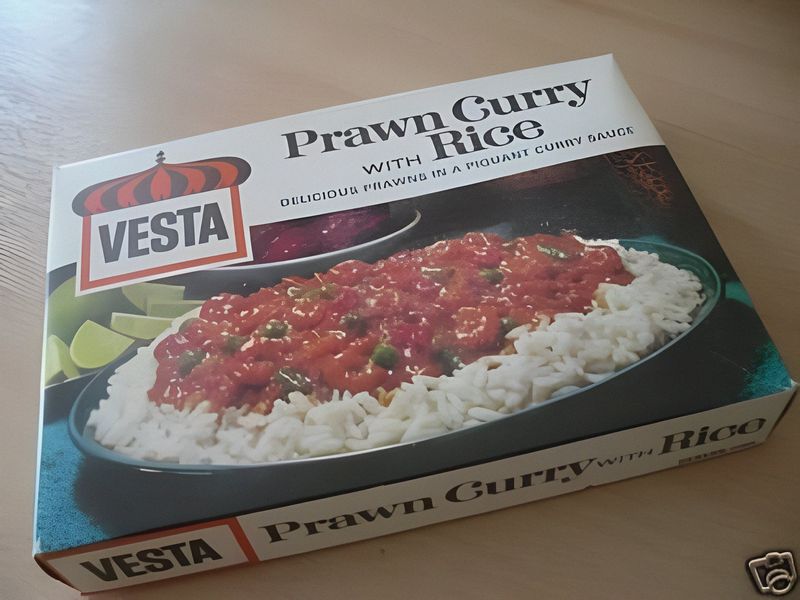
Before every high street had an Indian takeaway, families craving exotic flavours turned to Vesta dried curry packets. These boxes promised authentic taste from distant lands, though the reality involved reconstituting mysterious powder and crunchy noodles with boiling water.
The rice came in a separate sachet, expanding dramatically when cooked. Flavours like beef curry and chicken supreme bore little resemblance to actual Indian cuisine, but they represented adventure for Brits who'd barely encountered spices beyond black pepper. Vesta made families feel worldly and daring, even if the result tasted more like Britain than Bombay.
9. Meat Paste Sandwiches
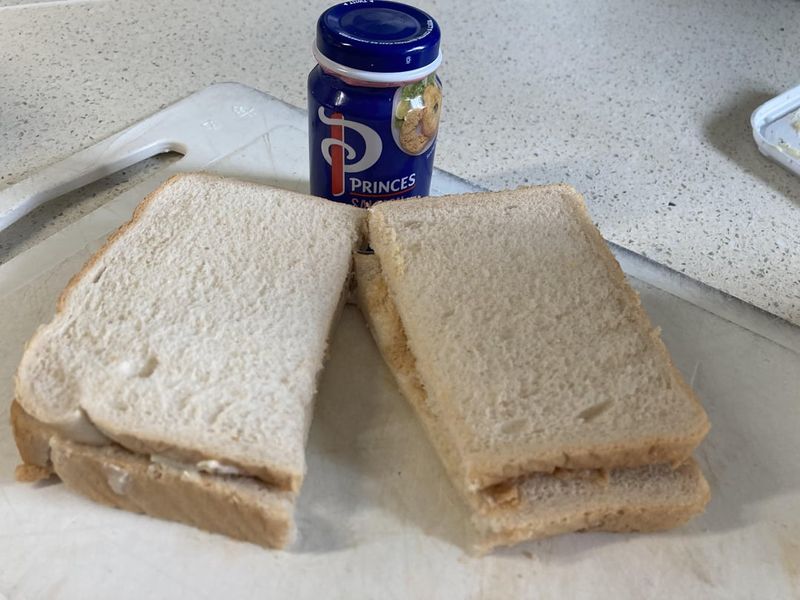
Jars of suspiciously brown paste made from mechanically recovered meat filled school lunchboxes throughout the decade. Brands like Shippam's offered chicken, ham, and beef varieties that spread easily on buttered bread, creating sandwiches of questionable nutritional value but undeniable convenience.
The texture resembled something between pâté and wallpaper paste, yet children rarely complained. Parents appreciated the long shelf life and low cost. These sandwiches represented post-war frugality persisting into more prosperous times, proving that Brits weren't quite ready to abandon wartime habits, even when better options existed.
10. Swiss Cheese Fondue
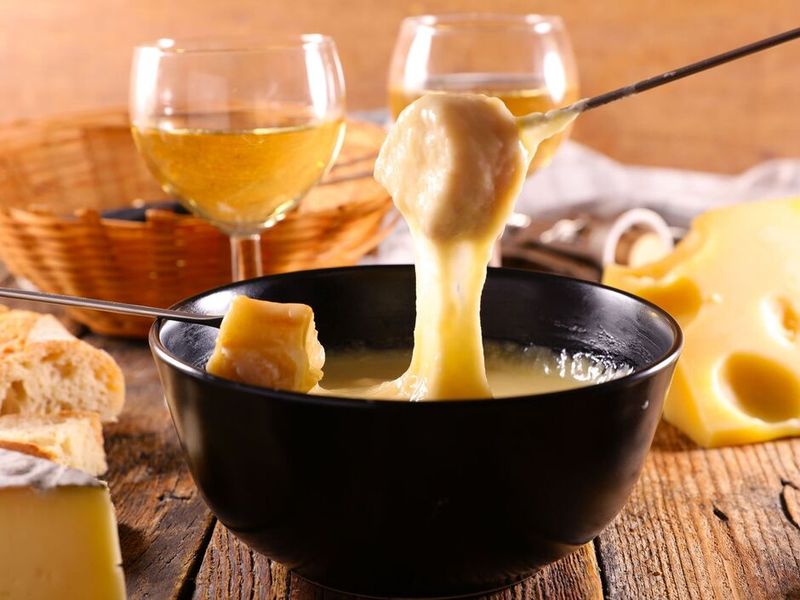
Few things felt fancier in the 1970s than gathering around a bubbling pot of melted cheese armed with skewers and cubes of bread. Swiss cheese fondue became the ultimate dinner party showstopper, even if the mix of various beverages, garlic, and gooey cheese wasn’t exactly everyone’s cup of tea.
It was equal parts social event and culinary experiment, with guests happily dipping anything they could find – from vegetables to bits of sausage – into the molten mix.