











Cast your mind back to the supermarket shelves of the early millennium and you’ll probably remember plenty of products proudly labelled as better for you.
Many of them sounded sensible at the time, even if the reality was a little more complicated once ingredients were properly understood.
Food trends shift quickly, and what once felt clever can now seem slightly baffling.
This is a light-hearted look at the items that shaped lunchboxes, breakfast tables, and shopping trolleys during that era.
All information is provided for general interest only. Nutritional advice and product formulations change over time, and individual dietary needs may vary.
1. Fat-Free Yoghurt

Back in the day, fat-free yoghurt felt like a clever shortcut to eating lighter without giving up familiar flavours.
Some versions compensated for lost richness with added sweeteners or flavourings to keep them appealing on the shelf.
While fat does play a role in satiety and vitamin absorption, overall balance matters more than cutting one ingredient entirely.
It’s a good reminder that labels don’t always tell the full story of how filling or nourishing something really is.
2. Margarine Spreads

Adverts claimed margarine was the heart-healthy swap for butter, championing its plant-based origins and lower saturated fat content.
What they didn't shout about were the trans fats lurking inside many brands.
These artificial fats actually increased bad cholesterol levels, doing the opposite of what the packaging promised for your cardiovascular health.
3. Bottled Fruit Juice

Pouring a glass felt like drinking pure sunshine and vitamins, with labels boasting about real fruit content and no added nasties.
The reality? Most bottles contained as much sugar as fizzy drinks, minus the fibre that whole fruit provides.
Your blood sugar spiked rapidly after each glass, followed by an energy crash that left you sluggish.
4. Cereal Bars
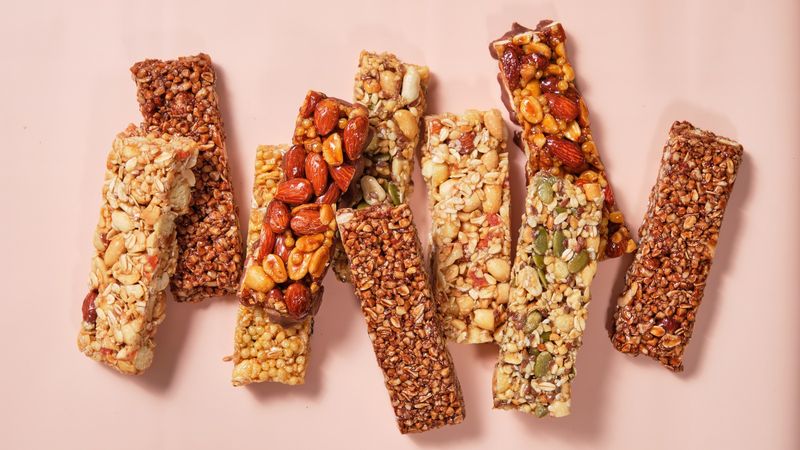
Cereal bars became the go-to grab-and-go breakfast for rushed mornings and busy school runs.
The packaging often leaned heavily on wholesome imagery like oats, fruit, and energy-boosting claims.
A closer look at ingredients frequently revealed added sugars and chocolate coatings that pushed them closer to a sweet snack than a balanced bite.
They were convenient and tasty, but not always the nourishing choice many shoppers believed at the time.
5. Rice Cakes
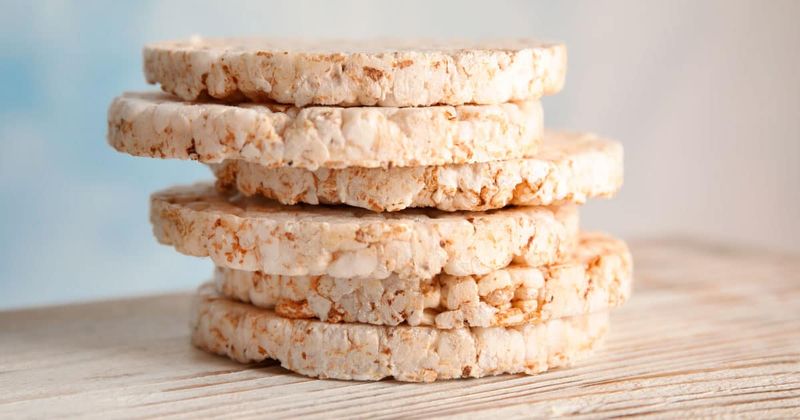
Rice cakes earned their diet-food reputation thanks to their light texture and low calorie count.
They mainly provide quick carbohydrates rather than a wide mix of nutrients, which means they don’t offer much staying power on their own.
Pairing them with protein or healthy fats often made them more satisfying and practical as a snack.
On their own, they were more of a crunchy filler than a well-rounded option.
6. Low-Fat Muffins
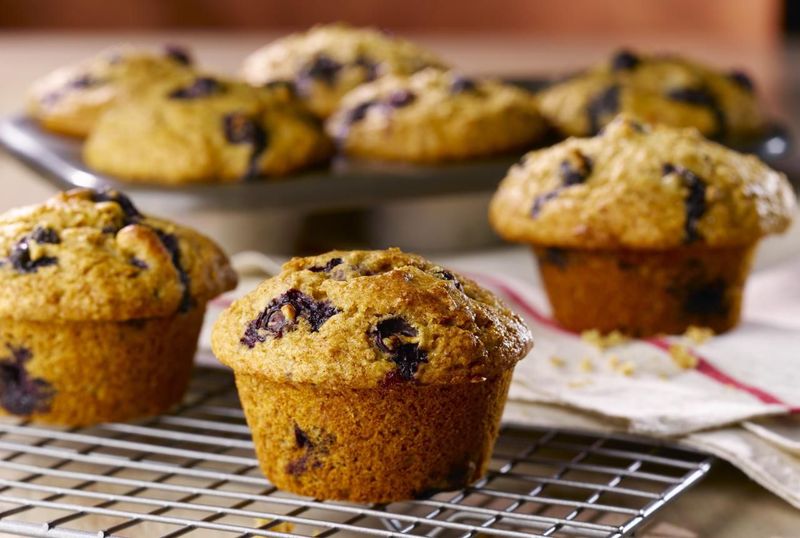
Low-fat muffins looked like a smart café choice when you wanted something sweet without the guilt factor.
To keep texture and flavour appealing, recipes often leaned more heavily on refined flour and added sugars.
That meant the overall nutritional profile wasn’t always as light as the label suggested.
They tasted comforting and indulgent, but they weren’t necessarily the everyday health win many people assumed.
7. Flavoured Yoghurts
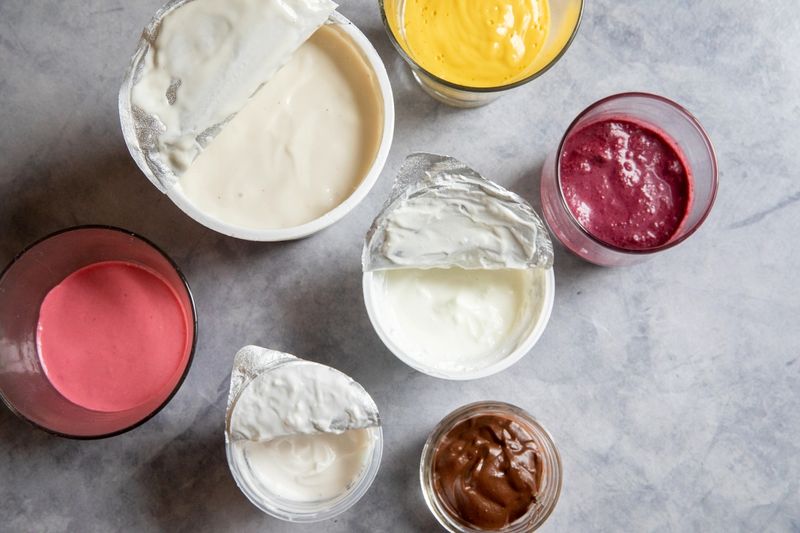
Strawberry, peach, and toffee varieties lined the chilled aisle, each pot promising a creamy treat that counted as health food.
Beneath those fruity swirls hid alarming amounts of added sugar, artificial colours, and thickening agents.
The actual fruit content was minimal, often just concentrated juice or flavouring that bore little resemblance to real berries or tropical delights.
8. Granola
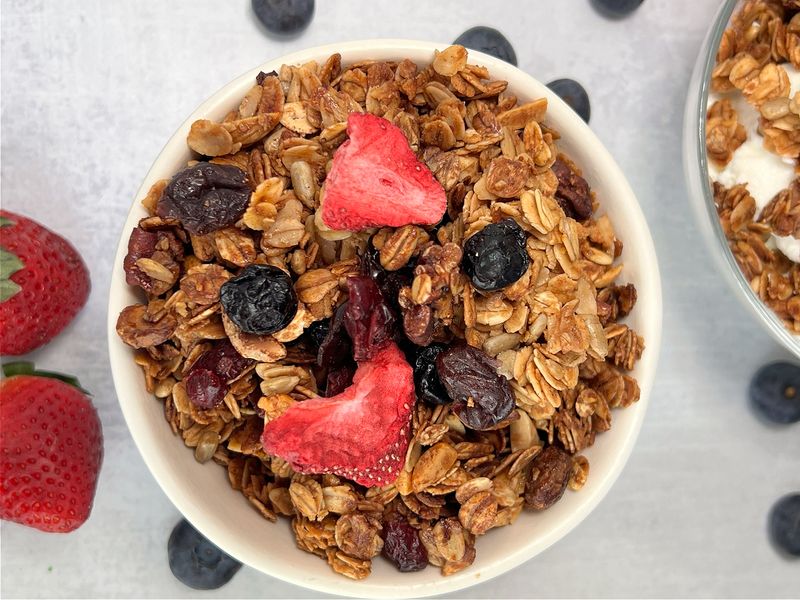
Granola built a healthy reputation thanks to its mix of oats, nuts, and dried fruit.
Many shop versions were also combined with oils and sweet binders that quietly increased calorie density.
Portion sizes made a big difference, as it was easy to pour more than intended into a bowl.
It remained tasty and filling, but moderation mattered more than most shoppers realised.
9. Pasta Salads With Low-Fat Dressing
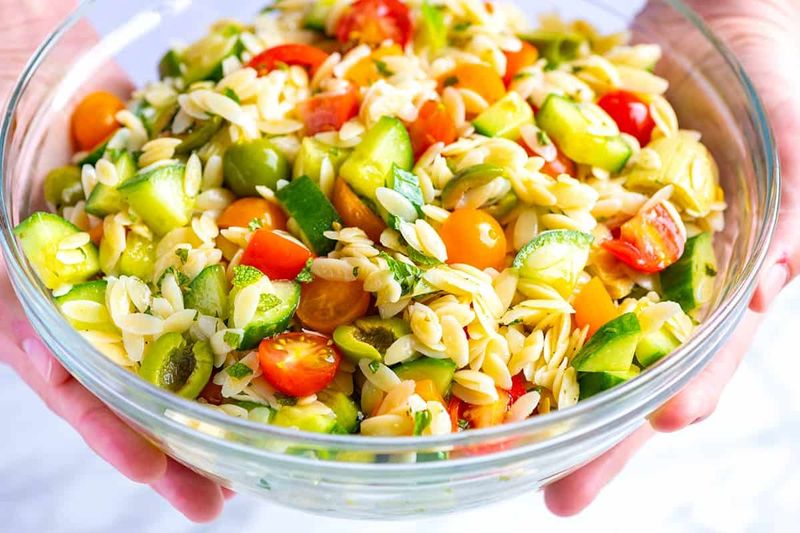
Pasta salads became a popular lunch option thanks to their colourful presentation and convenient grab-and-go appeal.
Low-fat dressings often relied on extra sugar, salt, or thickeners to keep flavour and texture balanced.
White pasta still provides energy, but it doesn’t offer as much fibre as wholegrain alternatives.
Combined together, these bowls sometimes delivered more quick carbs and sweetness than shoppers expected from a so-called healthy lunch.