









Kidney stones aren’t just painful – they can be surprisingly common, especially if your diet isn’t doing your kidneys any favours. Certain everyday foods, from salty snacks to leafy greens, can quietly increase your risk of developing these tiny but troublesome crystals.
On the other hand, plenty of ingredients can help keep things flowing smoothly and reduce your chances of future flare-ups. Knowing which foods fall into which camp can make all the difference to your kidney health – and your comfort.
This article is for general informational purposes only and should not be taken as medical or nutritional advice. Kidney stone risks vary depending on individual health conditions, medications, and genetics. Always consult a qualified healthcare professional or registered dietitian before making significant changes to your diet or treating kidney-related symptoms.
1. Salt-Heavy Snacks Can Be Silent Troublemakers
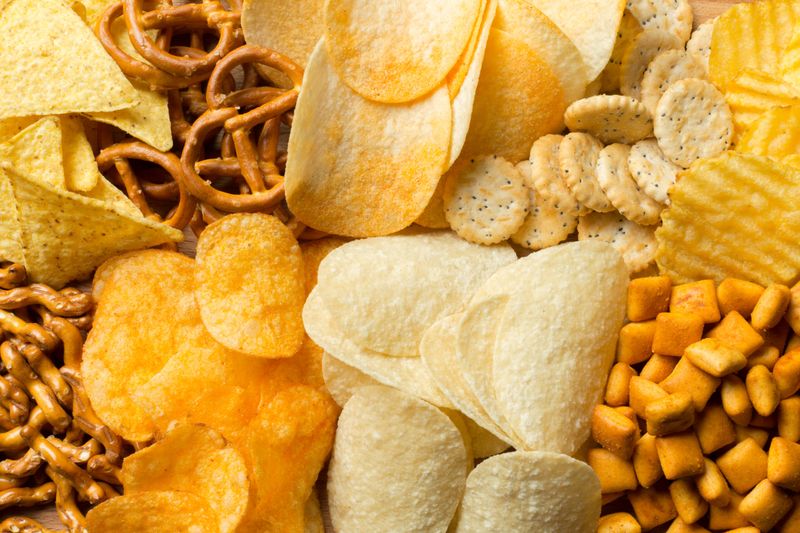
Crisps, salted nuts, and processed meats pack a sodium punch that increases calcium in your urine. When this happens, your risk of developing calcium oxalate stones jumps significantly.
Many people consume twice the recommended daily sodium without realising it. Hidden salt lurks in restaurant meals, tinned soups, and even breakfast cereals. Cutting back gradually helps your taste buds adjust to less salty flavours.
2. Spinach Hides A Stone-Forming Secret
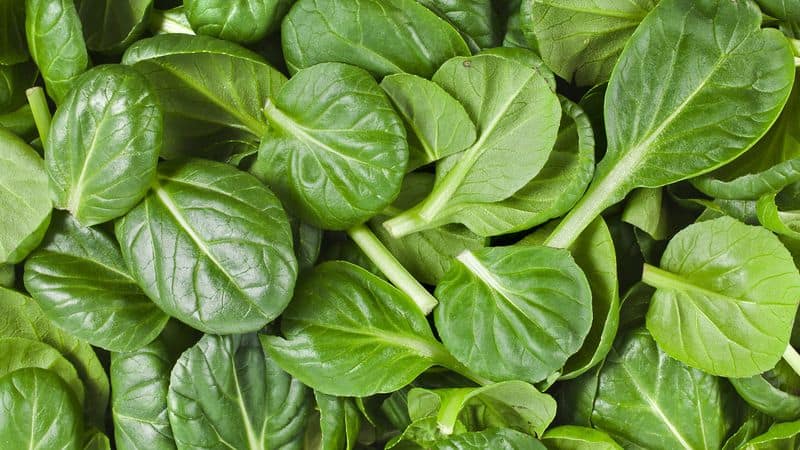
Surprisingly, this nutritional powerhouse contains high levels of oxalate, a compound that binds with calcium to form the most common type of kidney stones. Regular consumption can increase your risk substantially.
Cooking spinach actually concentrates the oxalates rather than reducing them. If you have a history of calcium oxalate stones, consider swapping spinach for kale or cabbage, which provide similar nutrients with much lower oxalate levels.
3. Fizzy Drinks Create The Perfect Storm

Cola and other fizzy drinks often contain phosphoric acid, which alters urine chemistry and promotes stone formation. The dark colas are particularly problematic compared to lighter-coloured fizzy drinks.
Many sodas also contain high fructose corn syrup, another kidney stone risk factor. Research shows that just two colas daily can double your risk of developing stones. Replacing these drinks with water or herbal tea makes an enormous difference.
4. Rhubarb's Hidden Danger For Stone Formers
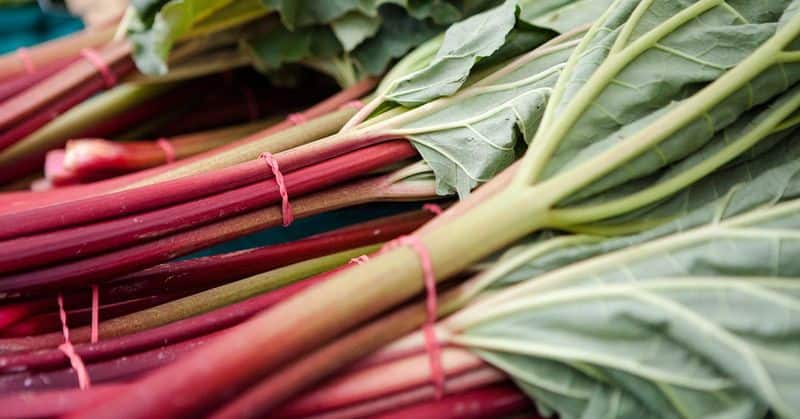
Beloved in British puddings, rhubarb contains extremely high oxalate levels that can trigger stone formation in susceptible people. The stems contain less oxalate than the leaves, but still pack a considerable amount.
Traditional rhubarb crumble might need to become an occasional treat rather than a regular dessert. If you've had stones before, consider alternative fruit-based puddings with berries or apples, which have significantly lower oxalate content.
5. Beetroot's Beautiful Colour Hides A Risk
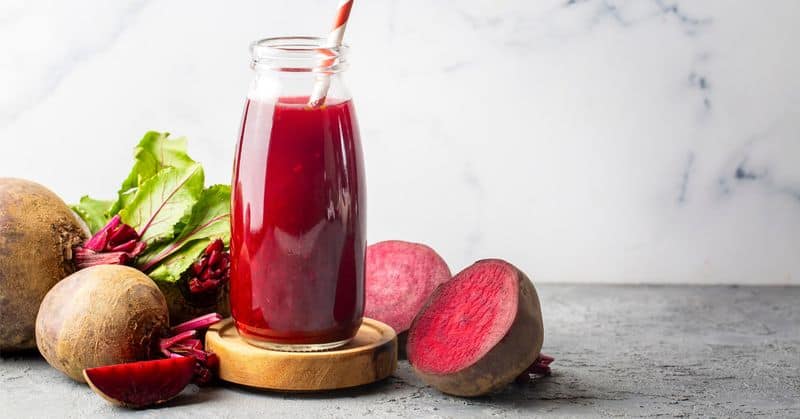
The vibrant purple-red vegetable contains substantial oxalates that can contribute to kidney stone formation. Its intense pigments might temporarily colour urine pink, but the real concern lies in its stone-forming potential.
Roasted beetroot salads and beetroot juice have become trendy health foods. However, if you're prone to kidney stones, limit consumption or pair with calcium-rich foods during the same meal to help bind oxalates in the digestive tract.
6. Chocolate Lovers Face A Bitter Truth
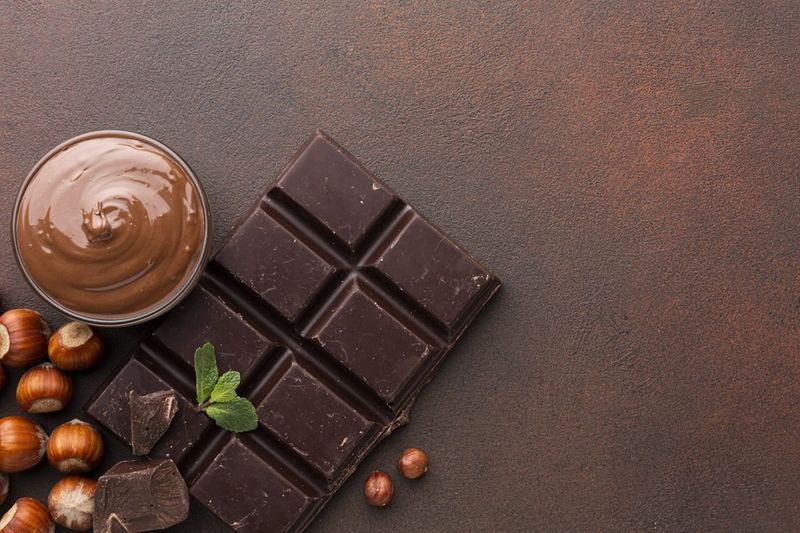
That delicious bar of chocolate contains oxalates that can contribute to kidney stone formation. Dark chocolate typically contains more oxalates than milk chocolate, creating a frustrating dilemma for health-conscious chocolate fans.
The cocoa powder in hot chocolate and chocolate biscuits also contains these compounds. Moderation becomes key rather than elimination. Pairing chocolate with milk or calcium-rich foods can help reduce oxalate absorption in your digestive system.
7. Red Meat Lovers, Take Note
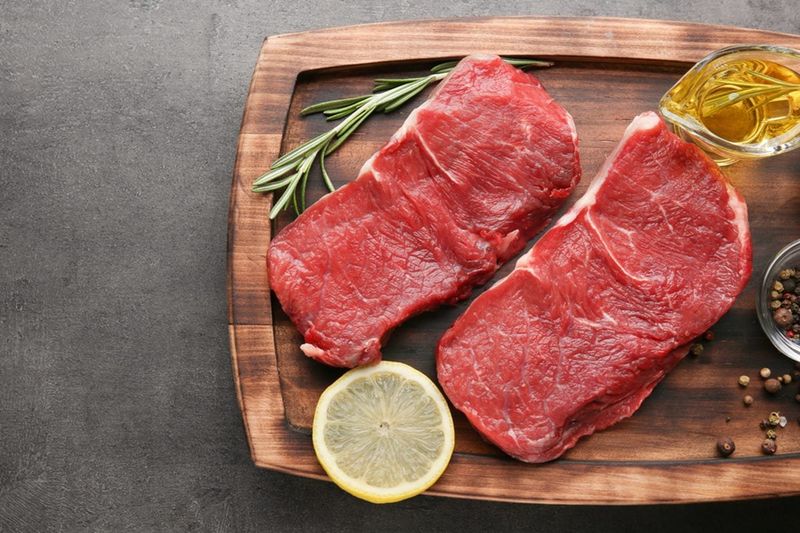
If you’re a fan of steak nights and bacon butties, here’s something worth knowing – eating too much red or processed meat can raise your risk of developing kidney stones. Animal protein increases uric acid levels in the body, which can lead to the formation of uric acid stones over time.
It’s not about cutting meat out completely, but about balance. Try mixing in more plant-based proteins like lentils, chickpeas, or tofu a few times a week. Your kidneys will thank you – and so will your heart and digestion.
8. Peanut Butter's Sticky Situation
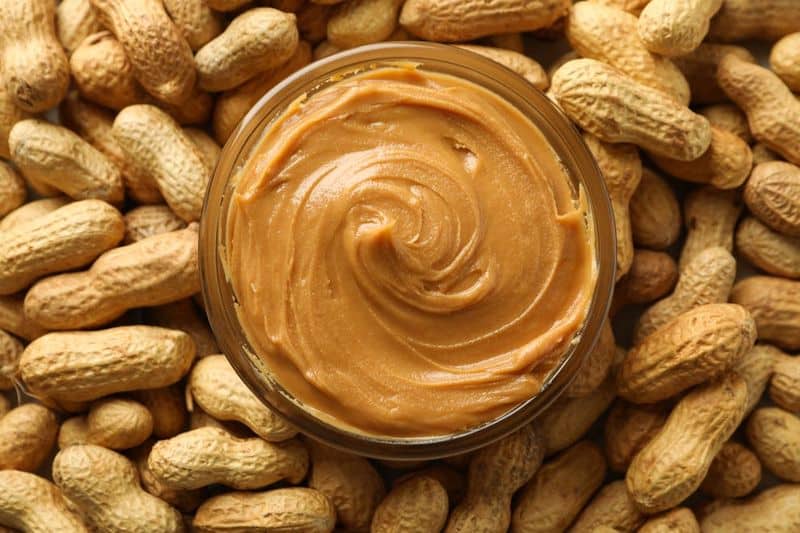
This protein-packed spread contains moderate to high levels of oxalate. Just two tablespoons of peanut butter can contain around 13mg of oxalates, making it problematic for regular consumption if you're prone to stones.
Almond butter contains even higher oxalate levels than peanut butter. Consider cashew or macadamia nut butter as lower-oxalate alternatives. These options provide similar nutritional benefits without the same kidney stone risk.
9. Sweet Potatoes Pack An Oxalate Punch
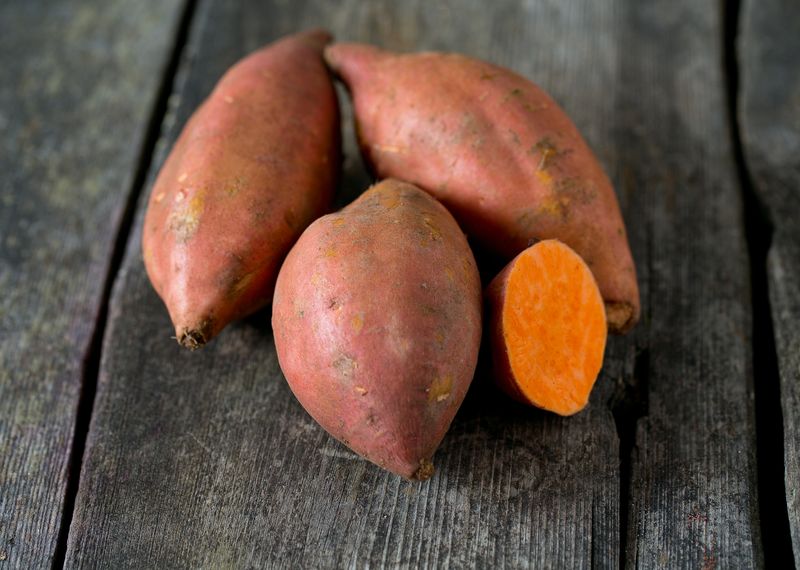
Despite their nutritional benefits, sweet potatoes contain significant oxalate levels that can contribute to kidney stone formation. A medium baked sweet potato contains approximately 28mg of oxalates.
The vibrant orange colour comes from beta-carotene, which is excellent for health. However, if you have a history of kidney stones, consider white potatoes as an alternative, as they contain substantially fewer oxalates while still providing potassium and other nutrients.
10. Lemon Water Acts As Nature's Stone Shield

Starting your day with lemon water provides citrate, which helps prevent calcium from binding with other compounds that form stones. The citric acid actually makes urine less favourable for stone formation.
Unlike orange or grapefruit juice, lemon juice doesn't contain significant oxalates. Adding just half a lemon to your water bottle can increase urinary citrate levels. This simple habit creates a protective effect that lasts throughout the day.
11. Watermelon Flushes Away Stone Risks
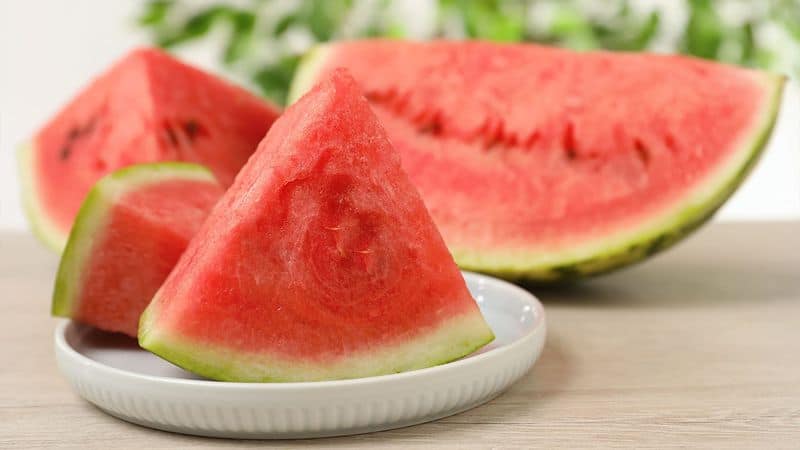
This summer fruit consists of 92% water, making it excellent for increasing urine volume and flushing potential stone-forming substances through your system. Higher fluid intake remains one of the most effective stone prevention strategies.
Watermelon also contains potassium, which helps balance the sodium in your diet. The natural sweetness makes it a perfect replacement for sugary treats. Try freezing watermelon chunks for a refreshing alternative to ice lollies in hot weather.
12. Calcium-Rich Yoghurt Offers Surprising Protection
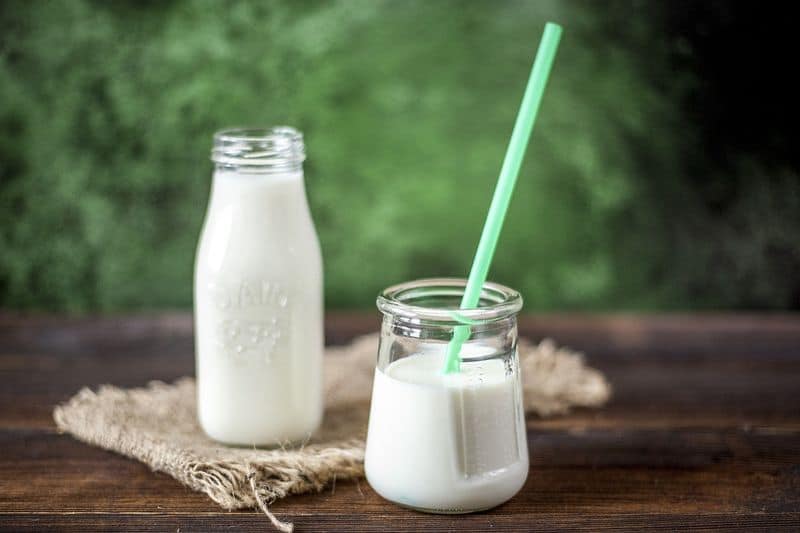
Contrary to what you might expect, calcium-rich foods like yoghurt actually help prevent kidney stones. The calcium binds with oxalates in your digestive system, preventing their absorption into the bloodstream.
Greek yoghurt provides substantial calcium with the added benefit of probiotics. These beneficial bacteria support gut health and may help reduce stone risk. Choose plain varieties without added sugars for maximum benefit, then add fresh berries for flavour.
13. Bananas Provide Potassium Power Against Stones
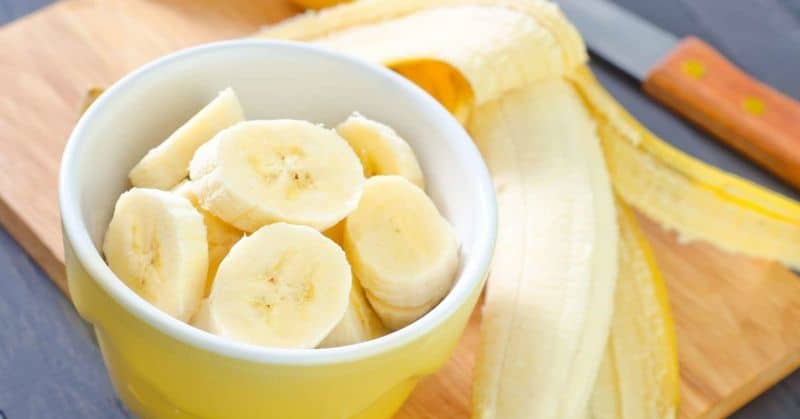
The humble banana contains potassium citrate, similar to medications prescribed to prevent kidney stones. This compound helps neutralise acids in urine that can lead to stone formation.
A medium banana provides about 422mg of potassium. People who consume potassium-rich diets generally have fewer kidney stones than those who don't. The convenient packaging makes bananas an easy addition to your daily routine for stone prevention.
14. Pumpkin Seeds Pack A Protective Punch
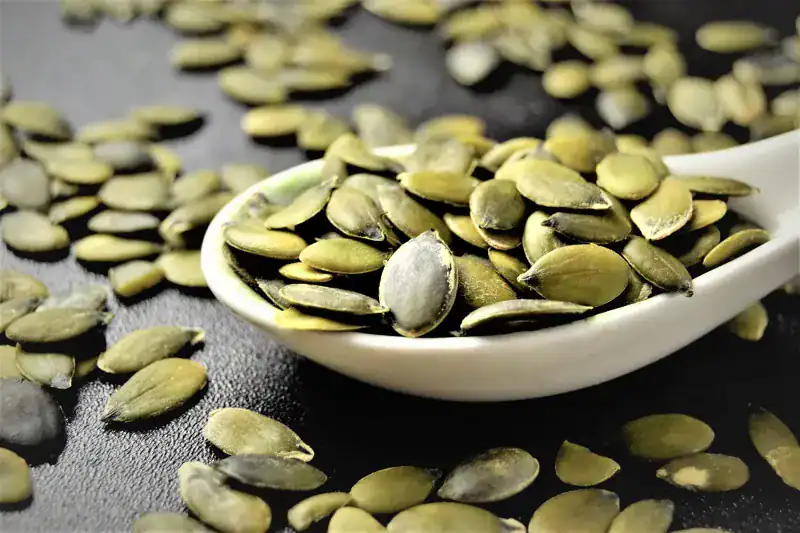
These small green seeds are rich in phosphorus, a mineral that helps prevent calcium stones from forming. They also contain magnesium, which has been linked to lower stone risk in multiple studies.
Just a handful of pumpkin seeds provides nearly 40% of your daily magnesium needs. Sprinkle them on salads, blend into smoothies, or enjoy as a snack. Their slightly chewy texture and nutty flavour make them an enjoyable addition to many meals.
15. White Rice Offers A Low-Oxalate Grain Option

Unlike brown rice and other whole grains, white rice contains minimal oxalates, making it a safer choice for those with kidney stone concerns. Its gentle cooking process removes the outer layers where most oxalates concentrate.
While nutritionists often recommend brown rice for fibre, white rice serves as a better option for stone formers. Basmati varieties have a lower glycemic index than short-grain varieties, making them a smarter choice for overall health.
16. Herbal Tea Creates A Stone-Fighting Brew
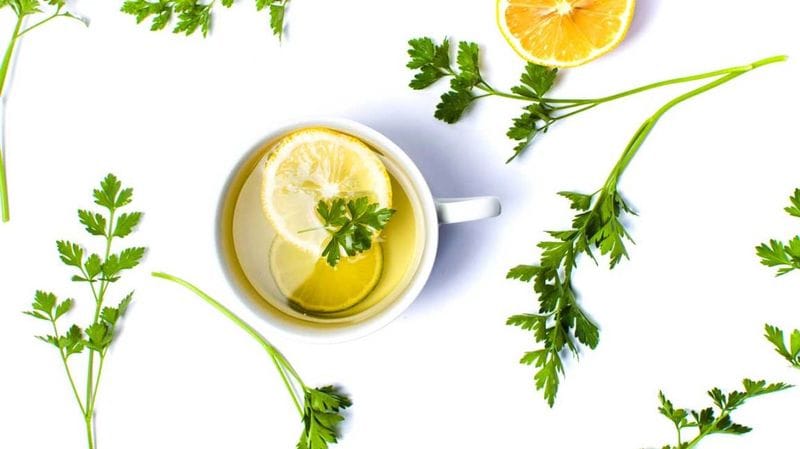
Certain herbal teas like dandelion root and nettle leaf have traditionally been used to support kidney health and prevent stone formation. These natural brews increase urine output while providing beneficial plant compounds.
Chamomile tea offers anti-inflammatory properties that may benefit the urinary tract. Avoid black tea, which contains significant oxalates. Making the switch to herbal varieties provides hydration benefits while potentially reducing stone risk.
17. Cucumbers Keep Things Flowing Smoothly
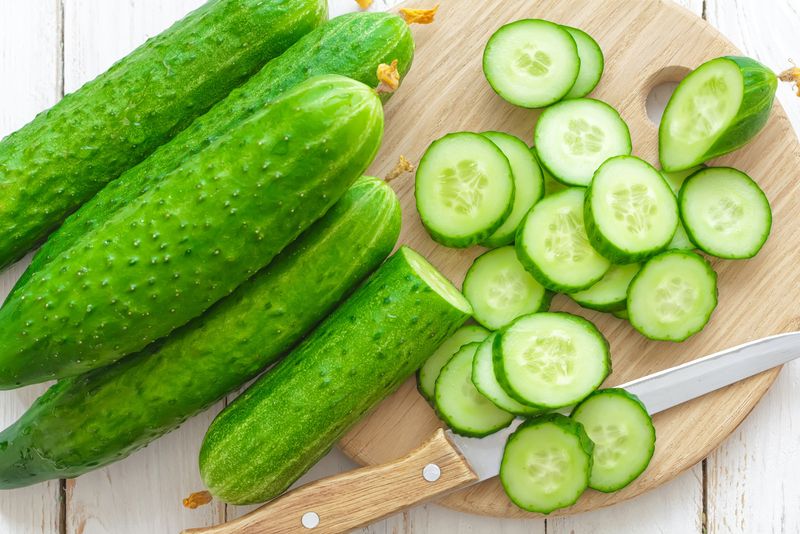
Light, hydrating, and refreshingly crisp, cucumbers do far more than add crunch to your salad. They’re packed with water and essential minerals that help your kidneys flush out excess salt and toxins before they can form troublesome crystals.
Their natural diuretic effect encourages healthy urine flow, reducing the concentration of minerals that can clump together. Whether sliced in a salad or blended into a cooling smoothie, cucumbers are one of the simplest ways to keep your kidneys happy and hydrated.