











You head into the shop with good intentions, yet somehow the total at the till always feels higher than planned. Tiny everyday choices, often made on autopilot, quietly nudge the bill upward without drawing much attention.
Spotting those habits can be oddly satisfying, especially when small tweaks start stretching the weekly budget further than expected.
This content is provided for general interest and reflects common shopping behaviours rather than individual spending patterns. Prices, promotions, and product availability may vary by retailer and location.
1. Shopping Without A List

Walking into a supermarket without a list is like setting off on a road trip without a map. You'll probably get somewhere, but it might not be where you intended.
Without a clear plan, you're more likely to grab things you don't need, forget what you actually came for, and end up making another trip later. Studies show shoppers without lists spend significantly more than those who stick to one.
2. Buying Branded Instead Of Own-Label

Brand loyalty can quietly push your food bill higher without you really noticing. Own-label products often offer similar everyday quality at a lower price point.
The packaging may look simpler, but the contents frequently perform just as well for basic cooking and cupboard staples. Swapping a few regular items over can add up to meaningful savings over time.
Once you get used to it, the difference on the receipt becomes far more satisfying than the logo on the packet.
3. Grabbing Snacks At The Checkout
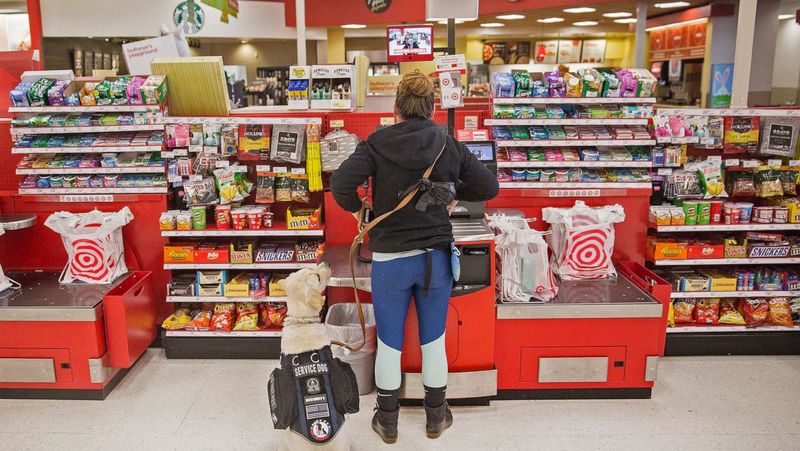
Those chocolate bars and crisps lining the checkout queue aren’t there by accident. Supermarkets place tempting treats right where you’re waiting and most likely to make a last-minute decision.
A pack of gum here or a small snack there feels harmless in the moment. Over time, those little extras quietly inflate the overall spend.
Being aware of the trap makes it much easier to walk past without adding anything extra to the basket.
4. Choosing Pre-Cut Fruit And Vegetables
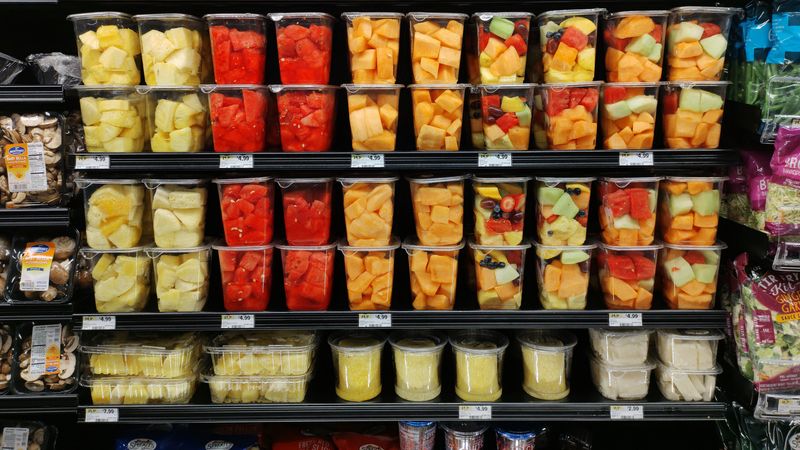
Pre-chopped fruit and veg look convenient, but you’re paying extra for the prep work. Whole produce usually offers better value and often keeps fresher for longer at home.
Ready-cut packs also tend to come with more packaging, which adds to the cost and waste. A sharp knife and a few spare minutes can stretch the food budget much further.
Once it becomes routine, the savings feel surprisingly noticeable.
5. Buying Individual Portions Instead Of Multipacks

Grabbing single servings of yoghurt, crisps, or juice boxes might feel convenient, but the price per unit is shockingly high compared to buying in bulk. A six-pack of crisps costs far less than six individual bags bought separately.
If you prefer smaller portions, buy the bigger pack and divide it yourself at home. Your wallet will thank you, and you'll create less plastic waste too.
6. Shopping While Hungry
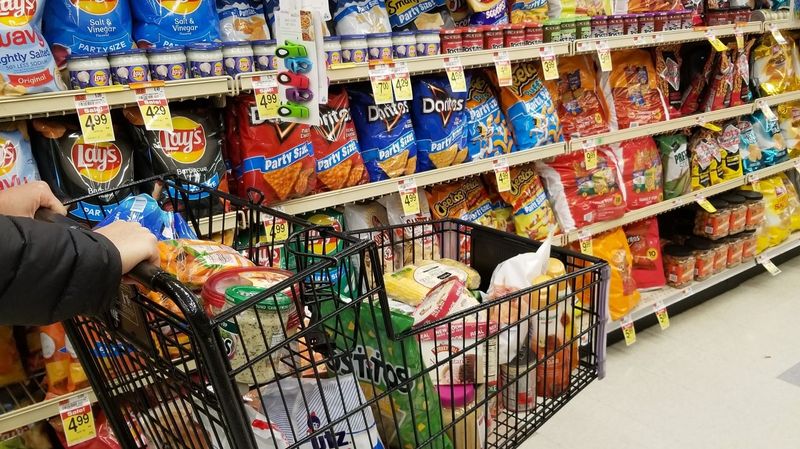
Never go food shopping on an empty stomach - it's one of the oldest rules in the book, and for good reason. When you're hungry, everything looks delicious and necessary.
Research proves that hungry shoppers buy more high-calorie, expensive treats they wouldn't normally choose. Have a snack or a meal before heading to the shops, and you'll stick to your list much more easily, saving both money and regret.
7. Ignoring Unit Price Labels

Those tiny labels on supermarket shelves showing price per 100g or per litre are your secret weapon for smart shopping. Many people ignore them and just look at the total price, missing out on better deals.
A bigger pack isn't always better value, and sometimes smaller sizes are on special offer. Checking unit prices takes seconds but can reveal which product genuinely saves you money.
8. Overbuying Fresh Produce
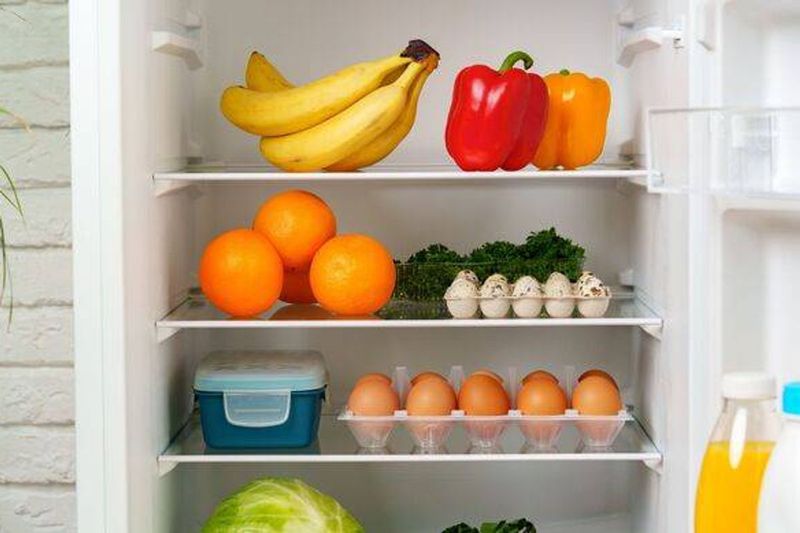
Enthusiasm for healthy eating can backfire when you buy mountains of fresh fruit and veg that go off before you can use them. Those bananas turning brown and that wilted lettuce represent money literally rotting away.
Be realistic about what you'll actually eat in a week. Buying less more often, or choosing frozen alternatives, means less waste and lower bills.
Frozen veg is just as nutritious and lasts for months.
9. Letting Food Go To Waste
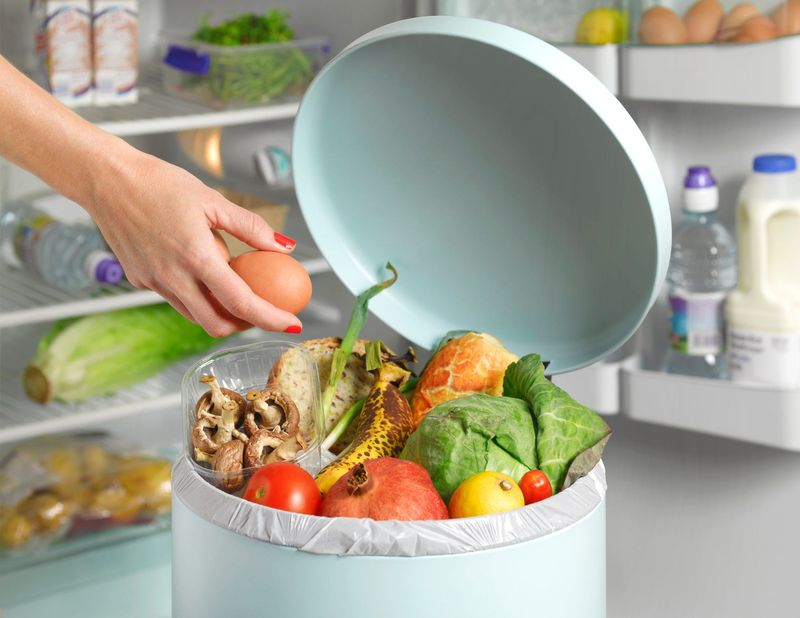
Did you know the average UK family throws away £700 worth of food every year? That's not just sad for the planet - it's heartbreaking for your bank account.
Meal planning, proper storage, and using leftovers creatively can dramatically cut waste. Check use-by dates regularly, freeze what you won't use in time, and get creative with leftover ingredients.
Every bit of food saved is money kept in your pocket.
10. Picking Premium Ready Meals
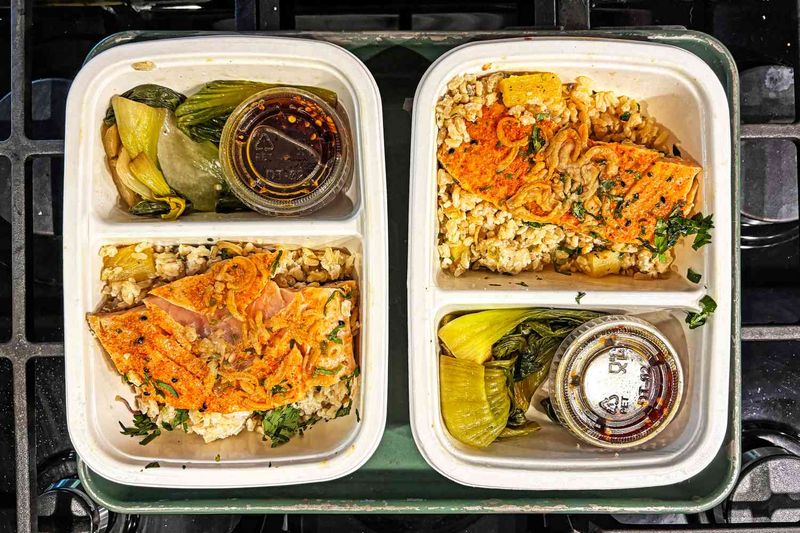
Those fancy ready meals with gourmet descriptions and posh packaging are tempting, especially after a long day. But you're paying restaurant prices for supermarket food.
A premium ready meal can cost £5 to £8 per person, whilst cooking the same dish from scratch might cost half that. Even buying basic ready meals instead of premium versions saves pounds.
Save the splurge for actual restaurants where you get the full experience.
11. Buying Drinks Instead Of Making Them At Home

Bottled water, fancy coffees, and pre-made smoothies add up shockingly fast. A daily shop-bought coffee costs around £3, which is over £1,000 per year.
Investing in a reusable water bottle, a decent coffee maker, or a simple blender pays for itself within weeks. Making drinks at home takes minutes and costs pennies.
Plus, you control exactly what goes in them—no hidden sugar or mystery ingredients.
12. Falling For Multi-Buy Offers You Don't Need

Three for two! Buy one get one free!
These deals feel like winning the lottery, but only if you actually need three of something. Supermarkets know these offers trigger our bargain-hunting instincts, even when we end up throwing away the extras.
Before grabbing a multi-buy, ask yourself: would I buy this many at full price? If not, it's not really a bargain - it's just clever marketing making you spend more.
13. Shopping Little And Often Instead Of Planning

Popping to the shops every couple of days might seem convenient, but it's a budget killer. Each visit means more opportunities for impulse buys, and those "quick trips" rarely stay quick.
Planning one or two bigger shops per week with a proper list keeps you focused and reduces temptation. You'll save time, petrol money, and avoid those sneaky extra purchases that happen every time you walk through the doors.
14. Choosing Convenience Over Simple Cooking
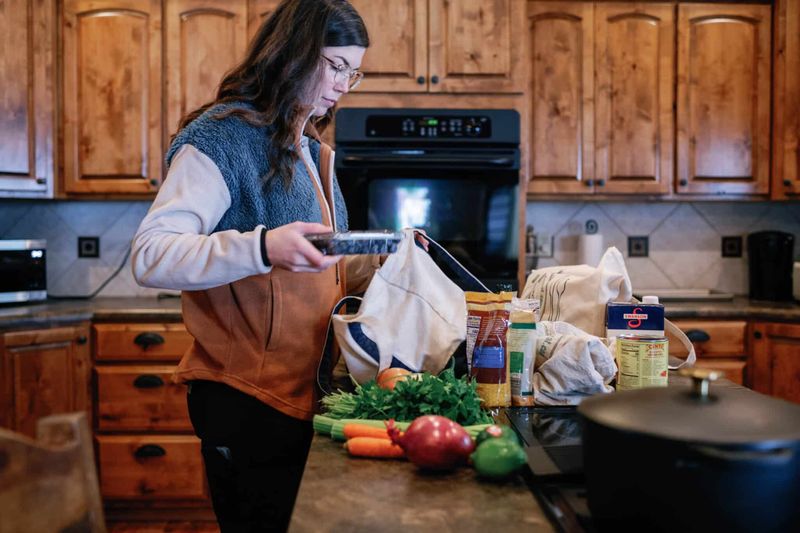
Pre-grated cheese, jar sauces, and instant rice cost significantly more than their simple alternatives. Grating your own cheese takes 30 seconds, and making a basic tomato sauce is genuinely easier than you think.
Learning a few quick, simple cooking techniques transforms your grocery budget. You're not paying for someone else's labour, and homemade versions often taste better anyway.
Start with one or two swaps and watch the savings grow.
15. Not Checking What's Already In The Cupboard
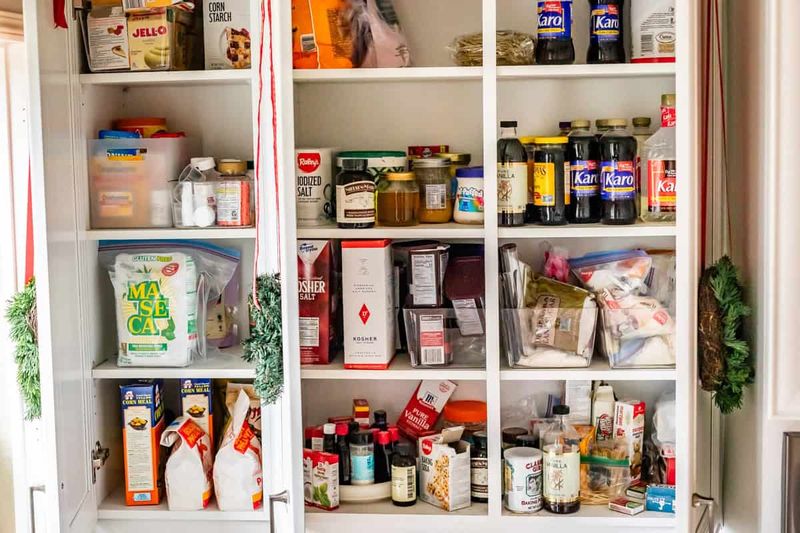
How many tins of chopped tomatoes do you actually own? If you're not sure, you're probably buying duplicates and wasting money on things already sitting at home.
Before making your shopping list, take five minutes to check your cupboards, fridge, and freezer. You'll avoid buying doubles, discover forgotten ingredients to use up, and might even find you need less than you thought.
It's the simplest money-saving habit that hardly anyone does.