









Everyday meals in Britain often revolve around a familiar set of ingredients that feel easy, reliable, and routine. Beyond those staples, supermarket shelves are filled with simple foods that tend to be overlooked, not because they are unfamiliar, but because habits rarely shift.
Some have quietly fallen out of favour, while others are seen as occasional rather than everyday choices. Looking at these foods offers a useful snapshot of how convenience, familiarity, and routine shape what ends up on the plate.
All information is provided for general interest only. Taste, appearance, and availability may vary.
Photos are for illustrative purposes only.
1. Lentils
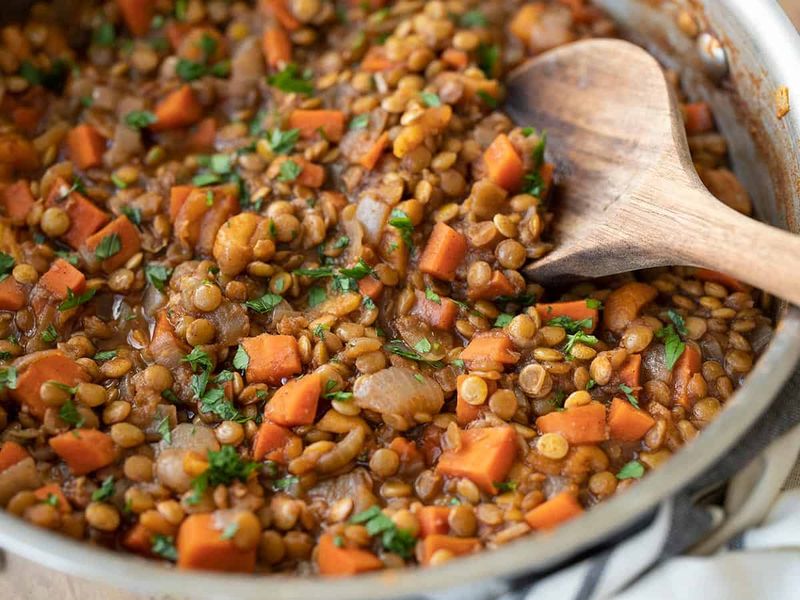
Red, green, brown, or Puy – lentils come in enough varieties to keep your weeknight dinners interesting for months. They cook faster than most beans, need no soaking, and soak up whatever spices or stock you throw their way.
Plant-based protein and fibre make them brilliant for keeping you full without the heaviness of meat. Toss them into curries, blend them into thick soups, or mix them cold through salads with a zingy dressing.
Budget-friendly and endlessly adaptable, lentils deserve a permanent spot in the pantry rather than gathering dust at the back.
2. Pearl Barley
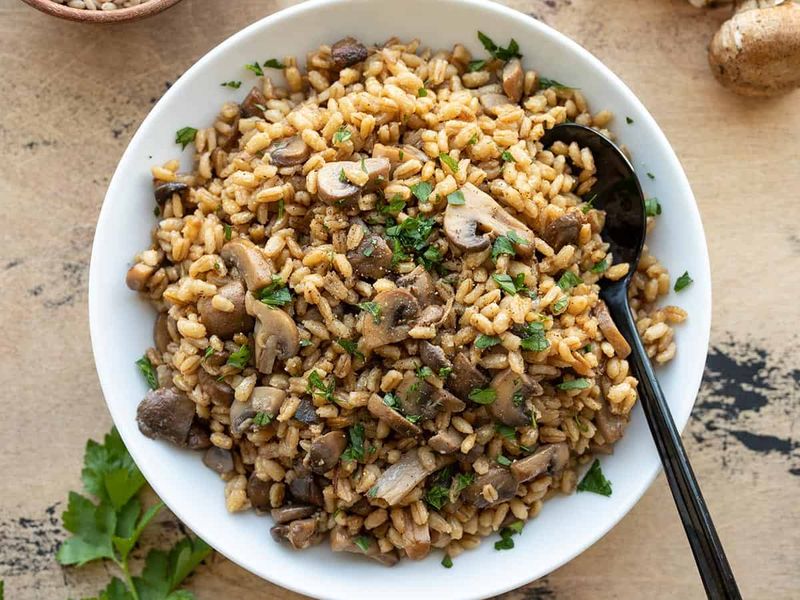
Chewy, nutty, and criminally underused, pearl barley brings proper texture to dishes that rice just can't match. It holds its shape beautifully in stews and soups, turning a basic broth into something hearty and satisfying.
Rich in soluble fibre, it helps regulate blood sugar levels and keeps your digestive system ticking along nicely. Try it stirred into a mushroom risotto for earthy depth, or tossed warm through roasted vegetables with a drizzle of olive oil.
Once you discover its versatility, you'll wonder why it's been hiding in the grains aisle all this time.
3. Sardines

Tinned sardines might not win beauty contests, but they're absolute nutritional powerhouses. Packed with omega-3 fatty acids, calcium from those tiny edible bones, and vitamin D, they're one of the most affordable ways to boost your health.
Mash them onto hot buttered toast with a squeeze of lemon, stir them through pasta with chilli and garlic, or grill fresh ones if you fancy something special. Their strong flavour mellows beautifully with the right accompaniments.
Sustainable, convenient, and genuinely delicious when done right, sardines deserve better than being overlooked for pricier fish.
4. Beetroot
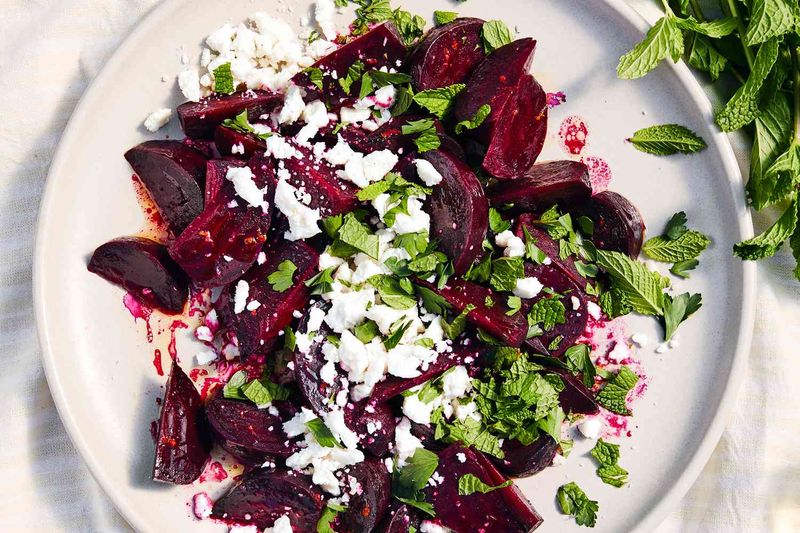
That vibrant purple root vegetable brings earthy sweetness and a splash of colour to plates that desperately need livening up. Loaded with antioxidants and nitrates that support healthy blood pressure, beetroot does more than just look pretty.
Roast wedges with olive oil until caramelised, grate raw into salads for crunch, or blend into hummus for a striking pink dip. The flavour pairs brilliantly with goat's cheese, walnuts, and balsamic vinegar.
Fresh beetroot beats the vacuum-packed stuff any day, and once you get past the purple-stained fingers, you'll be hooked on its versatility.
5. Cabbage
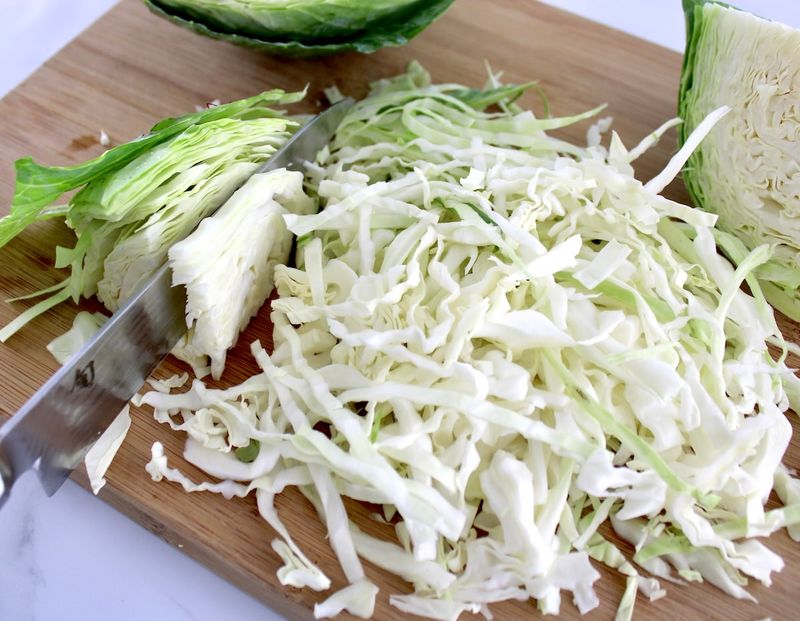
Cabbage has suffered from a serious image problem, mostly thanks to memories of overboiled, sulphurous school dinners. But when treated with respect, it transforms into something genuinely tasty.
Shred it finely for crunchy coleslaw, braise red cabbage slowly with apples for a sweet-sour side, or stir-fry it quickly to keep the bite. It's ridiculously cheap, lasts ages in the fridge, and works across cuisines from British to Korean.
High in vitamin C and fibre, this humble brassica deserves redemption. Give it another chance with proper seasoning and cooking techniques.
6. Chickpeas
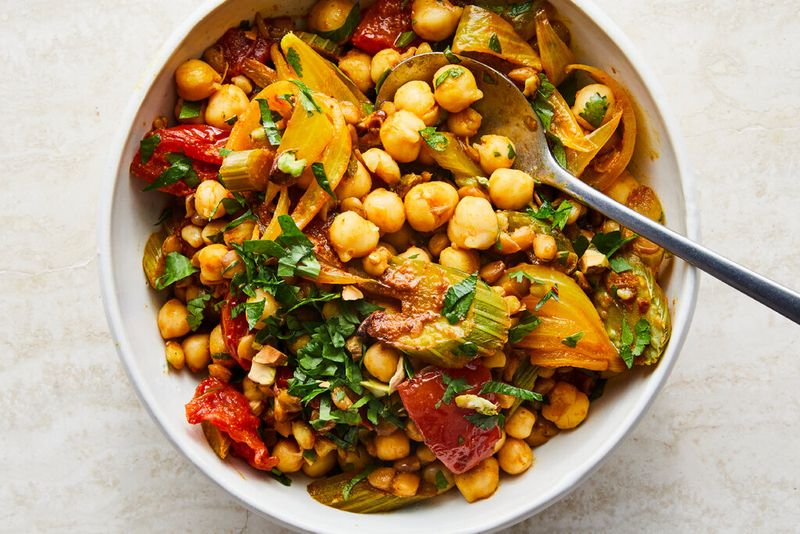
Beyond the occasional tin lurking at the back of the cupboard, chickpeas rarely feature in British home cooking. That's a shame because these nutty little legumes are brilliant at bulking out meals without meat.
Roast them crispy with spices for addictive snacking, blitz them into silky hummus, or simmer them in tomato-based curries where they soak up all the flavours. They're packed with protein and fibre, keeping hunger at bay for hours.
Tinned versions are convenient, but dried chickpeas cooked from scratch have better texture and flavour if you've got the time.
7. Split Peas
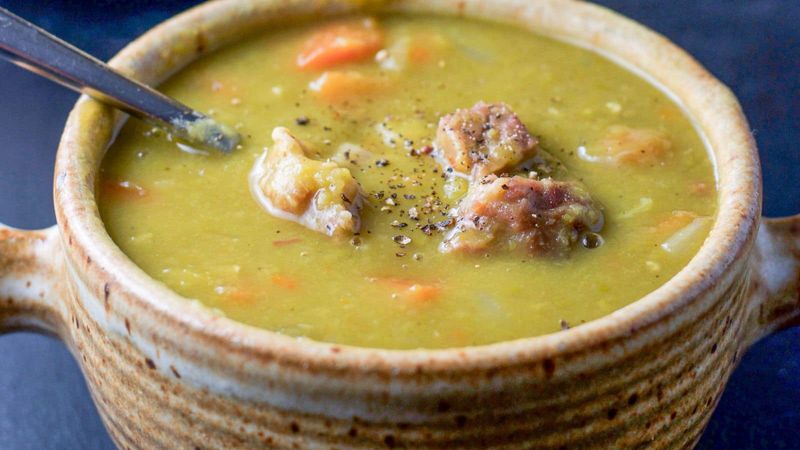
Split peas might remind you of mushy peas from the chippy, but they're capable of so much more than that fluorescent green side dish. These little powerhouses break down beautifully into thick, comforting soups.
Yellow or green varieties both work brilliantly in traditional pea and ham soup, or try them in Indian dhal with turmeric and cumin. They're incredibly cheap, need no soaking, and cook down into creamy goodness in under an hour.
High in protein and fibre, split peas make budget meals feel hearty and satisfying without any fancy ingredients or techniques required.
8. Swede
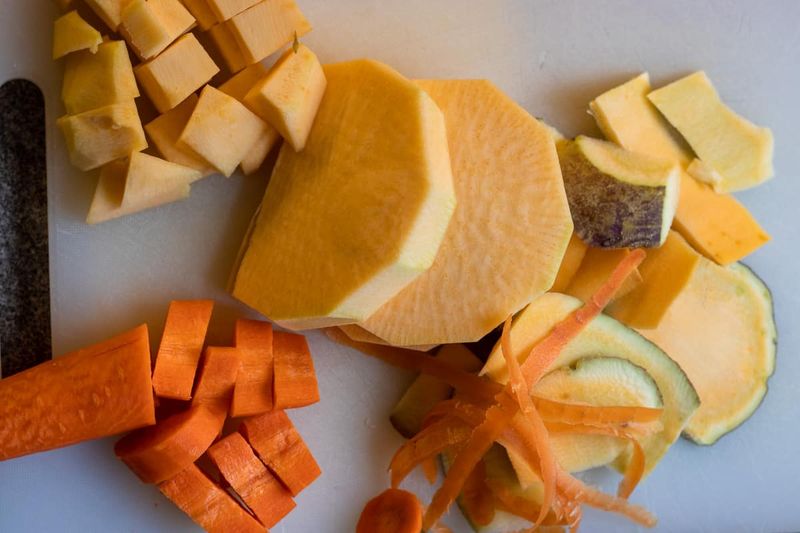
Often confused with turnips and relegated to Christmas dinner mash, swede deserves year-round appreciation. This orange-fleshed root vegetable has a subtle sweetness and peppery edge that works in loads of dishes.
Roast chunks alongside other root veg until caramelised, mash it with butter and black pepper, or add it to stews where it holds its shape nicely. It's packed with vitamin C and fibre whilst being naturally low in calories.
Swede takes a bit of effort to peel through that tough skin, but the flavour payoff makes it worthwhile for winter comfort food.
9. Anchovies
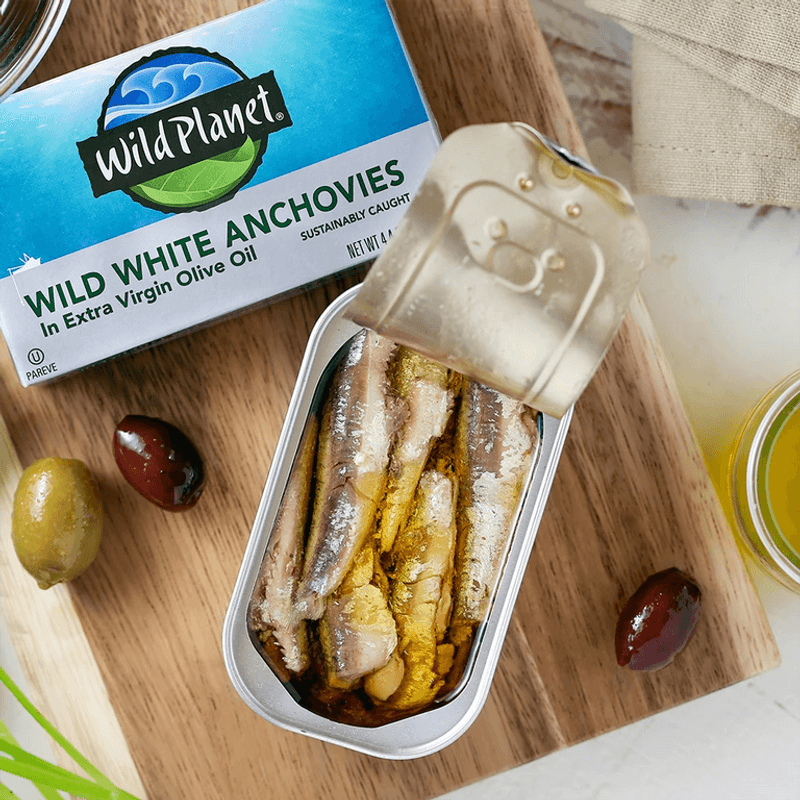
Mention anchovies and watch people's faces scrunch up, but these tiny fish are secret weapons in the kitchen. They don't make dishes taste fishy – instead, they add deep, savoury umami that elevates everything.
Melt a couple into pasta sauces, mash them into butter for steak, or drape them over pizza for salty punch. They're loaded with omega-3s and calcium, making them nutritional heroes despite their small size.
Once you understand how to use them properly, anchovies become indispensable for adding complexity to simple dishes without overpowering other flavours.
10. Oats (Beyond Breakfast)

Porridge for breakfast is standard, but oats have talents that extend far beyond the morning bowl. Their mild flavour and binding properties make them surprisingly versatile throughout the day.
Blitz them into flour for baking, stir them into meatballs or burgers as a binder, or use them to thicken soups and stews naturally. They're brilliant in crumble toppings, flapjacks, and even savoury dishes where breadcrumbs might usually go.
Packed with soluble fibre that supports heart health, oats are cheap, long-lasting, and deserve exploration beyond their breakfast reputation.
11. Kale
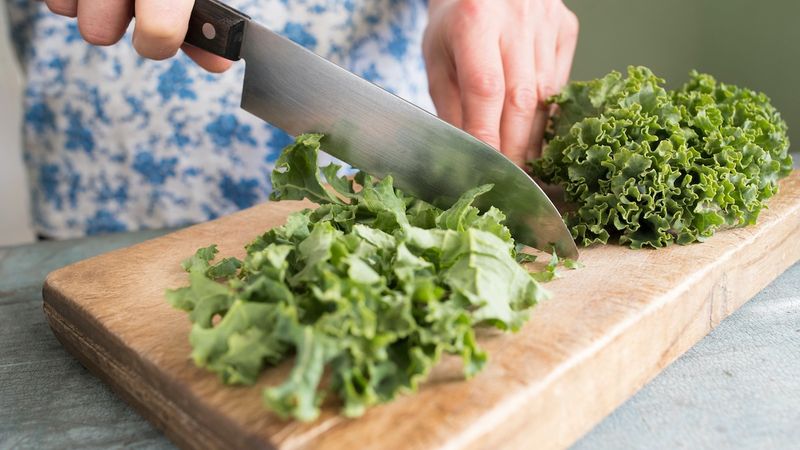
Kale had its trendy superfood moment, then seemingly vanished from everyday cooking as quickly as it arrived. But this hardy green genuinely earns its nutritional reputation.
Strip the leaves from tough stems, then massage raw kale with lemon juice to soften it for salads, or sauté it quickly with garlic until just wilted. It holds up brilliantly in soups without turning to mush, unlike spinach.
Loaded with vitamins A, C, and K, kale brings proper nutrition and a satisfying texture. Once you nail the preparation, it's far tastier than its health-food reputation suggests.
12. Courgettes
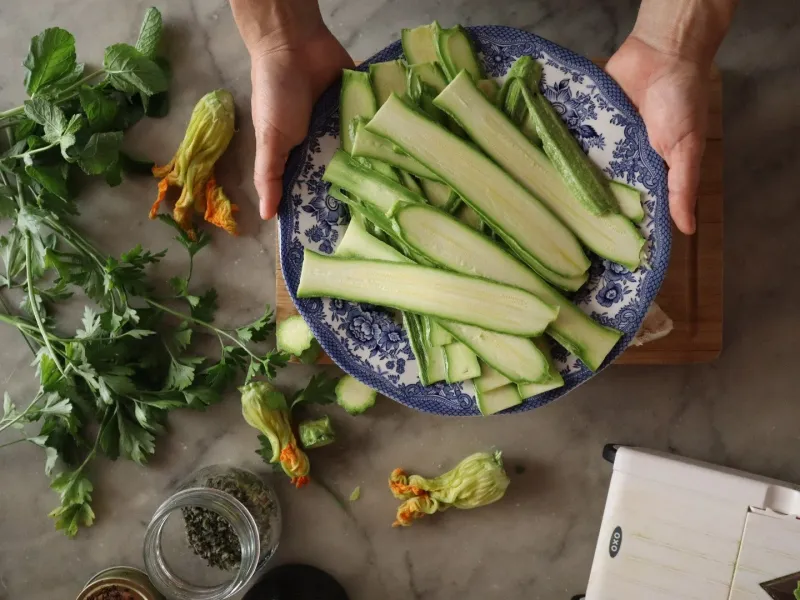
Courgettes appear in summer then disappear from our plates for the rest of the year, which seems wasteful given how versatile they are. These mild-mannered vegetables absorb flavours brilliantly and cook in minutes.
Slice them into ribbons for pasta alternatives, grate them into fritters or cakes for hidden veg, or griddle thick rounds until charred and tender. They're low in calories but high in vitamin C and potassium.
The key is not to overcook them into watery mush. Quick, high-heat cooking keeps their texture intact and flavour concentrated.