











Fruit often feels like the easiest breakfast choice – quick, familiar, and naturally sweet. Yet the timing and type of fruit you eat in the morning can influence how steady your energy feels as the day unfolds.
Some fruits digest quickly and may leave you reaching for a snack soon after, while others pair more effectively with breakfast staples to support fullness and balance. Paying attention to fibre content, natural sugars, and how fruit is combined with other foods can make a noticeable difference.
Understanding which options tend to work best in the morning helps turn a rushed habit into a more considered start to the day.
This article is for general information only and does not replace personalised dietary advice. Individual needs and responses to foods vary.
For specific health concerns or dietary conditions, consult a qualified healthcare professional. Food quality, ripeness, and availability may also differ.
How Fruit Affects Energy Levels In The Morning
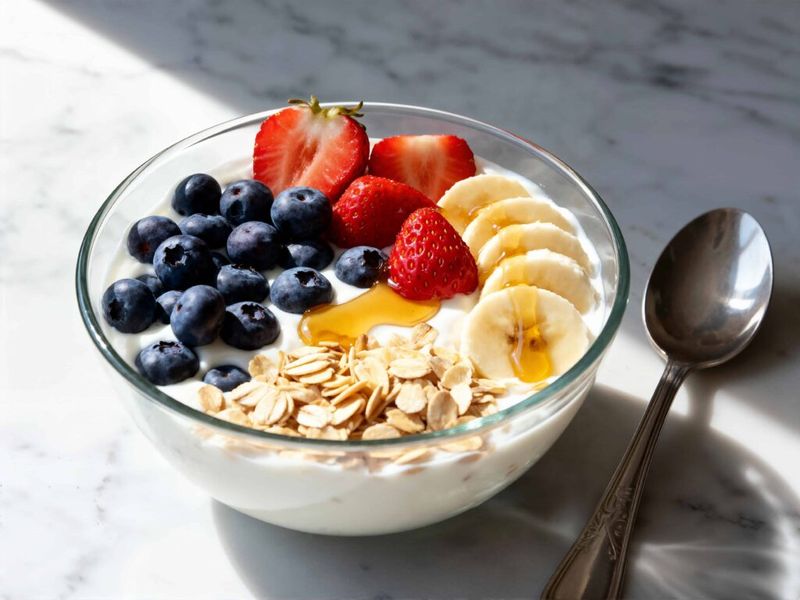
Natural sugars in fruit hit your bloodstream fairly quickly, giving you that initial energy boost when you first wake up. Fructose, the main sugar in most fruits, gets processed differently than table sugar, but it still raises your blood glucose levels.
The trick is understanding that some fruits spike your energy fast then drop you just as quickly. Pairing fruit with something that slows digestion, like a handful of nuts or a dollop of yoghurt, helps maintain steadier energy throughout your morning rather than experiencing that dreaded mid-morning crash that sends you hunting for biscuits.
The Role Of Fibre In A Fruit-Based Breakfast
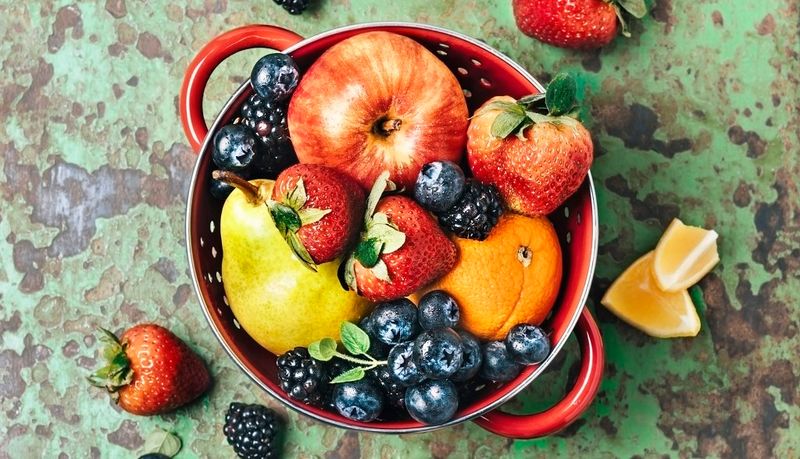
Fibre is absolutely brilliant for keeping your digestive system happy and your appetite under control. Fruits with their skin on, like apples and pears, pack loads more fibre than their peeled counterparts.
This magical nutrient slows down how quickly sugar enters your bloodstream, preventing those energy spikes and crashes. Raspberries, blackberries, and pears are particularly fibre-rich champions.
A single pear can contain about six grams of fibre, which is roughly a quarter of your daily needs. Eating whole fruit rather than blending it preserves more of that valuable fibre structure too.
Fruits That Pair Well With Protein And Fats
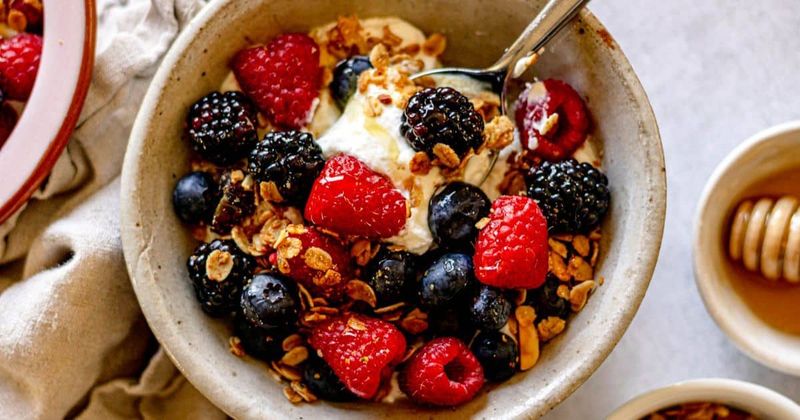
Bananas with almond butter are practically a match made in breakfast heaven. Adding protein and healthy fats to your fruit transforms it from a quick snack into a proper meal that actually sustains you.
Berries stirred into Greek yoghurt, apple slices with cheese, or pear wedges alongside a handful of walnuts all create that perfect balance. The protein and fat slow down digestion, meaning the natural sugars release more gradually.
This combination keeps your blood sugar stable and your tummy satisfied for hours, rather than leaving you ravenous by ten o'clock.
Which Fruits Are Gentler On An Empty Stomach
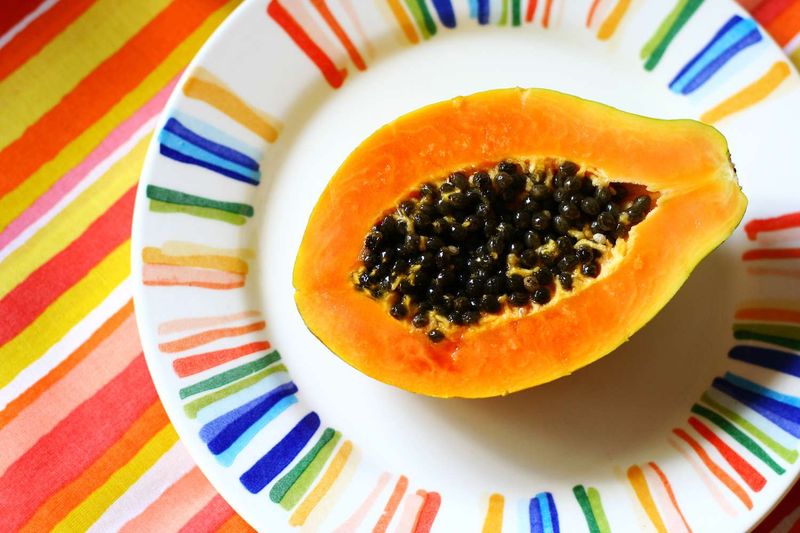
Papayas and bananas are absolute legends when it comes to being kind to your empty stomach. Papayas contain enzymes that actually help break down protein and ease digestion, whilst bananas coat your stomach lining with a protective layer.
Watermelon is another gentle option because it is mostly water and easy to digest. Avoid highly acidic fruits like oranges or grapefruit first thing if you are prone to heartburn or sensitivity.
Some people find that melons work brilliantly on their own, eaten before other foods, as they digest incredibly quickly.
Balancing Fruit With Other Breakfast Foods

Think of fruit as the supporting actor rather than the entire show. A few berries alongside scrambled eggs and wholegrain toast creates a far more balanced plate than fruit alone.
Adding vegetables to your morning meal, like spinach in an omelette with a side of strawberries, provides even more nutrients and fibre. The combination of complex carbohydrates, protein, healthy fats, and fruit gives your body everything it needs for sustained energy.
Fruit should complement your breakfast, not dominate it, especially if you have got a busy morning ahead requiring proper fuel.
Whole Fruit Versus Fruit Juice In The Morning
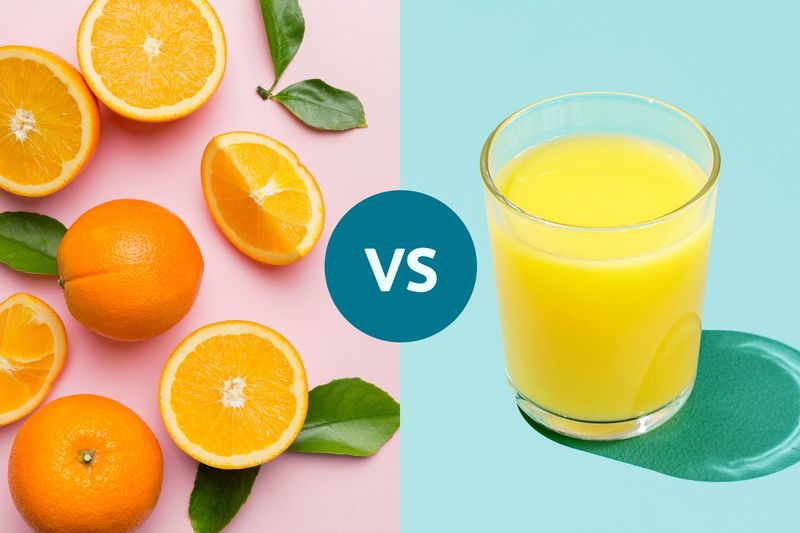
Here is the truth: fruit juice is basically sugar water with vitamins. When you juice an orange, you strip away all that valuable fibre and concentrate the sugars into a glass.
Your body processes juice almost like a soft drink, causing rapid blood sugar spikes. Eating a whole orange, however, gives you fibre that slows absorption, plus you feel more satisfied from actually chewing something.
Even fresh-squeezed juice lacks the benefits of whole fruit. If you love juice, treat it as an occasional thing rather than a daily habit, and always eat something substantial alongside it.
Portion Size And Timing Considerations
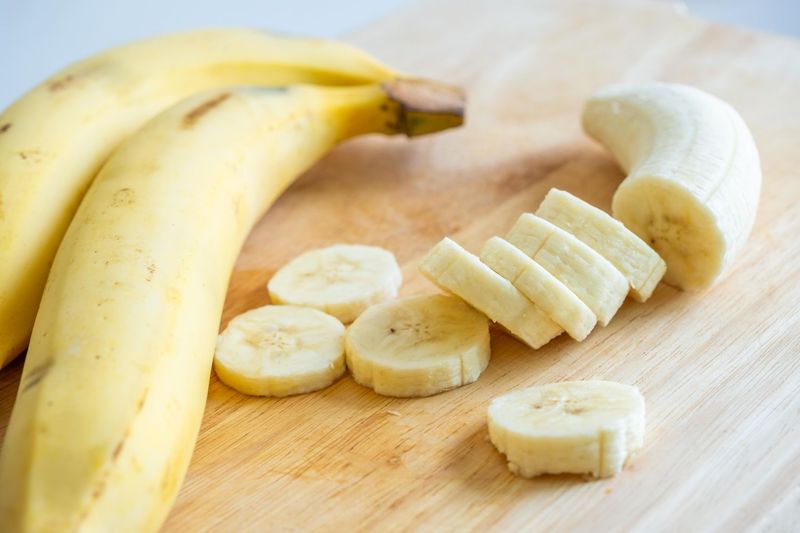
A single medium apple or banana, or about a cup of berries, makes a sensible portion for breakfast. Going overboard with fruit, even healthy fruit, can mean consuming more sugar than your body needs in one sitting.
Timing matters too. Eating fruit at the start of your meal, rather than saving it for pudding, can help with digestion for some people.
Others prefer fruit between meals as a snack. Experiment to see what works for your body, but generally keeping portions moderate and pairing fruit with other foods creates the best results for energy and satisfaction.
Fruits That Help You Feel Full For Longer
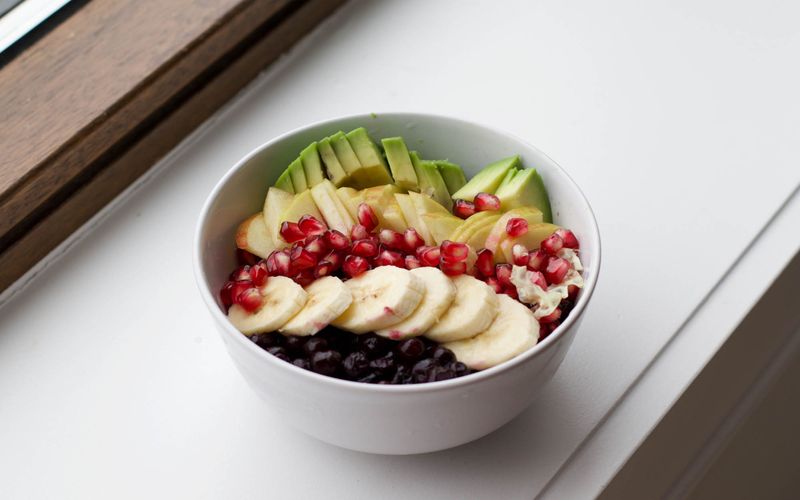
Avocados are technically fruit, and they are absolute champions at keeping hunger at bay thanks to their healthy fats and fibre. Apples with their skin on also rank highly for satiety because of their fibre content and satisfying crunch.
Pears work similarly, whilst berries provide volume and fibre without excessive calories. The key is choosing fruits with substantial fibre content and eating them with the skin when possible.
Combining these filling fruits with a bit of protein creates an even more satisfying breakfast that will not leave you eyeing the biscuit tin before lunch rolls around.
Seasonal Fruits To Consider At Breakfast
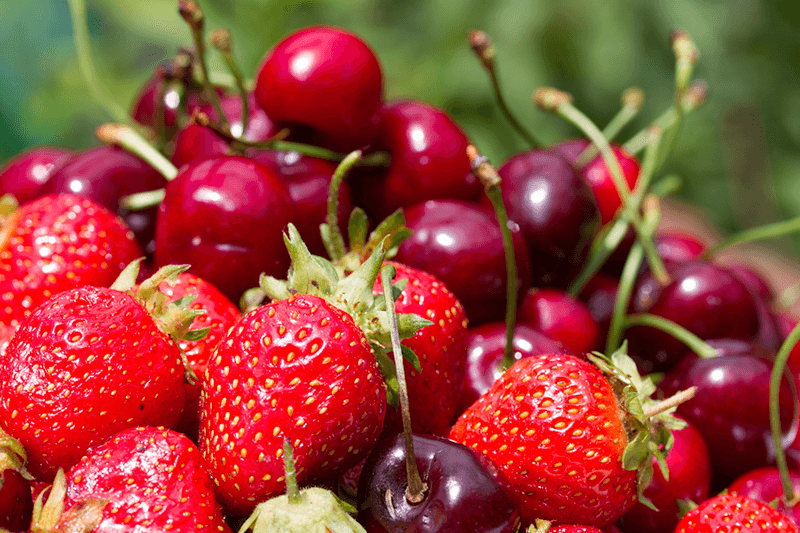
Summer brings brilliant British strawberries and raspberries that taste infinitely better than imported winter versions. Autumn delivers crisp apples and juicy pears at their absolute peak flavour and nutritional value.
Winter citrus fruits like clementines provide a vitamin C boost when you need it most. Spring offers early rhubarb, which works beautifully stewed with a touch of honey over porridge.
Seasonal fruit is fresher, tastier, cheaper, and better for the environment. Plus, eating what is naturally available helps you vary your fruit intake throughout the year rather than defaulting to the same options constantly.
When Fruit Might Not Suit Everyone At Breakfast
If you have diabetes or prediabetes, eating fruit alone in the morning can cause problematic blood sugar swings. People with irritable bowel syndrome might find certain fruits trigger uncomfortable symptoms, particularly high-FODMAP options like apples or cherries.
Those managing their weight need to be mindful that fruit still contains calories and can stimulate appetite in some individuals. If you experience bloating, digestive discomfort, or energy crashes after morning fruit, it is worth chatting with a healthcare professional about your specific situation.
What works brilliantly for one person might not suit another at all.