





Shortbread is often seen as a simple accompaniment to tea, yet its place in Scottish food culture runs much deeper.
Marked each year on 6 January, National Shortbread Day offers a timely reminder of how closely this bake is tied to tradition, celebration, and everyday life in Scotland.
Over centuries, shortbread became associated with special occasions, regional identity, and family practices passed down through generations.
Many of these traditions grew from practical choices rather than formal recipes, shaping how shortbread was made and shared across the country.
This article explores some of the lesser-known traditions behind Scottish shortbread and how they continue to influence the way it is enjoyed today.
All information is provided for general interest only.
Traditions, recipes, and practices may vary by region and family.
Photos are for illustrative purposes only.
Shortbread Was Once Reserved For Special Occasions
Back in the day, shortbread wasn't something you'd munch on a Tuesday afternoon.
Butter was pricey, flour wasn't cheap, and sugar?
That was practically gold.
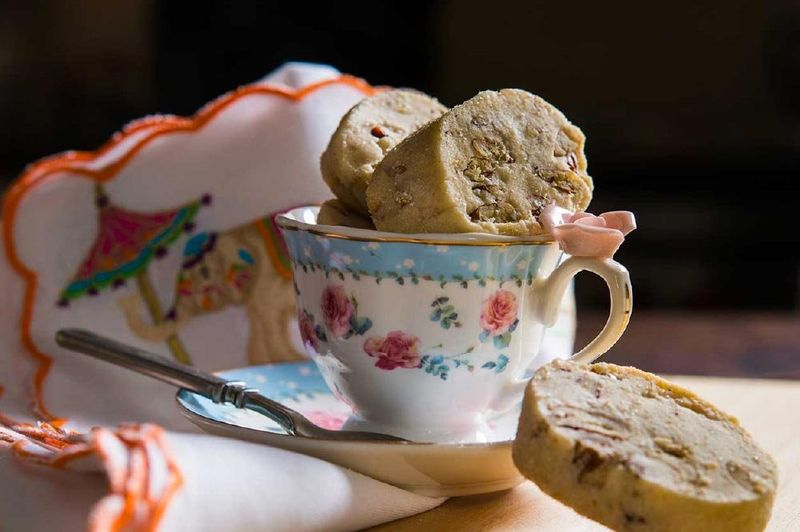
Families saved their best ingredients for life's big moments – weddings, Christmas, and of course, New Year.
In Shetland, brides even had decorated shortbread cakes broken over their heads for good luck as they crossed the threshold of their new home.
This wasn't just a biscuit; it was a symbol of celebration, prosperity, and sharing joy with the people who mattered most.
Butter Quality Shaped Regional Shortbread Styles
Ever wonder why shortbread from one Scottish region tastes different from another?
Butter quality was the secret.
Highland butter, rich and creamy from grass-fed cattle, produced a golden, flavourful shortbread.
Lowland butter might have been lighter, creating a paler biscuit with a subtler taste.
Bakers worked with what their local farms provided, and each area developed its own signature style.
Geography didn't just shape the landscape – it shaped the flavour of every bite.
Your gran's recipe might taste different from your mate's simply because their ancestors lived miles apart.
Scottish Regions Favoured Different Shortbread Shapes
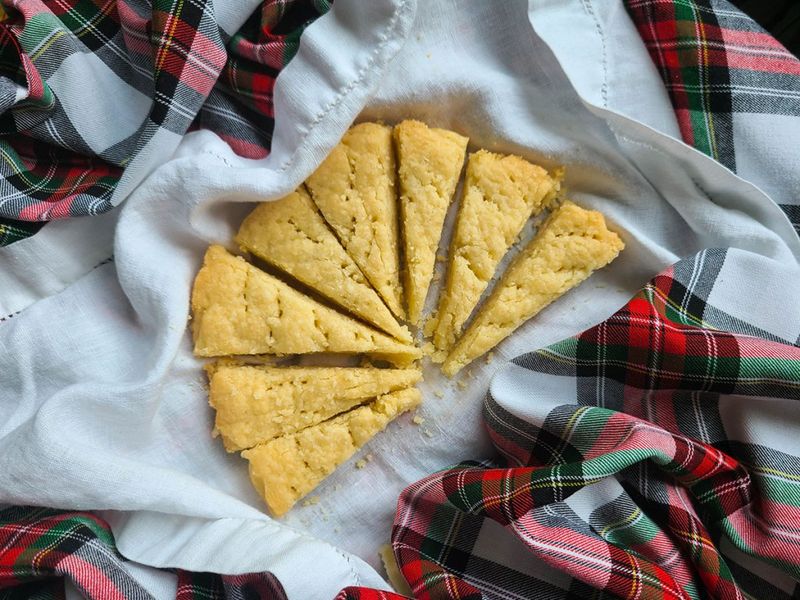
Shape wasn't just about aesthetics – it was about identity.
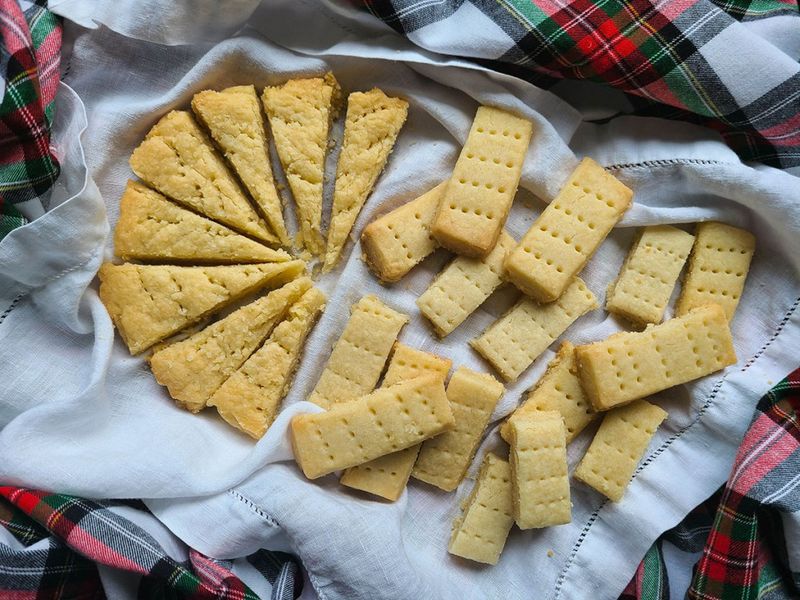
Petticoat tails, those elegant wedges cut from a large circle, were favoured in certain areas and linked to royal courts.
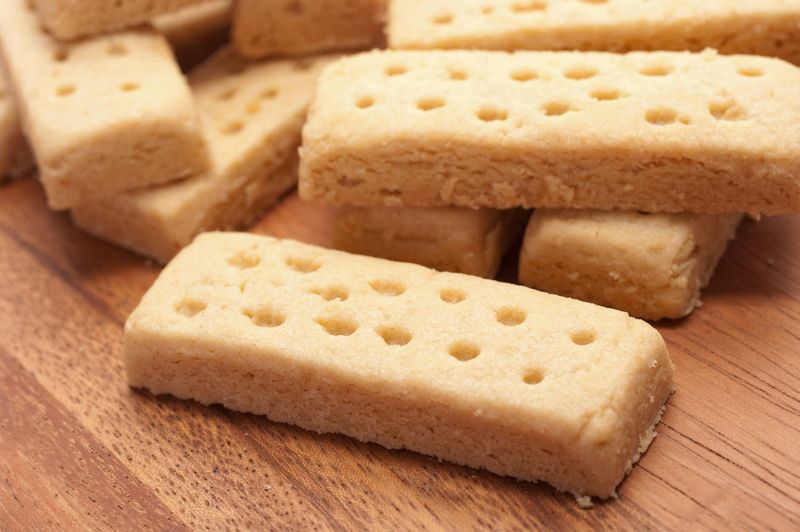
Shortbread rounds were practical for individual servings, whilst fingers became the go-to for easy sharing at gatherings.
Each shape had its purpose, and families often stuck loyally to one style for generations.
The shape you baked said something about where you came from and what traditions your family held dear. It was regional pride, baked into every crumb.
Traditional Shortbread Was Often Hand-Shaped
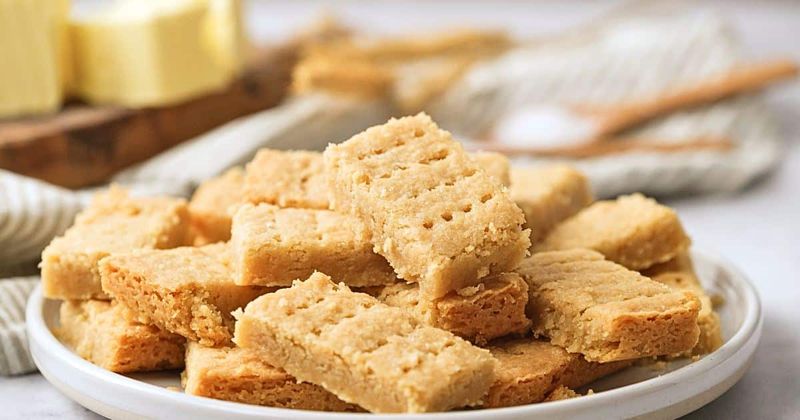
Long before biscuit cutters and fancy moulds, Scottish bakers shaped shortbread by hand.
Fingers pressed dough into circles, wooden spoons carved decorative patterns, and fork tines pricked the surface to prevent puffing.
This hands-on approach meant no two batches were identical.
Each bore the baker's personal touch – a slight irregularity here, a unique edge there.
Hand-shaping wasn't just practical; it was intimate.
Every biscuit carried the warmth of the hands that made it, turning a simple recipe into something deeply personal and unmistakably homemade.
The Classic Three-Ingredient Recipe Was Strictly Kept
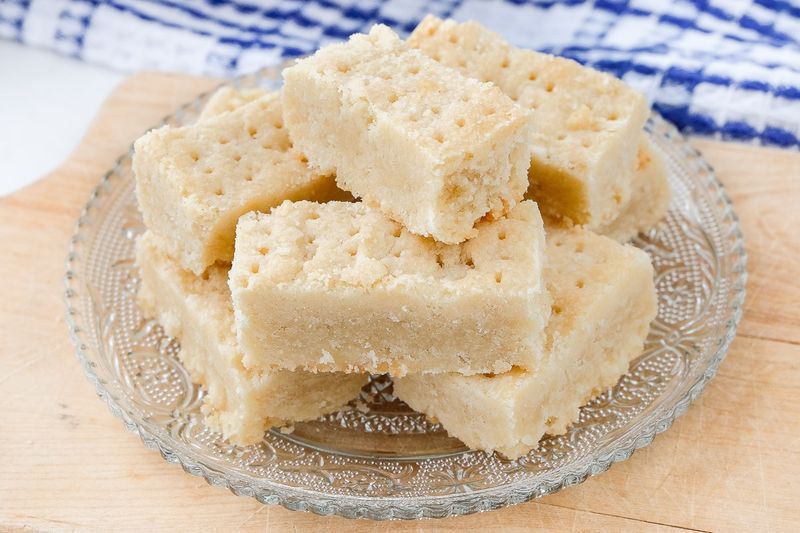
Butter, flour, and sugar. That's it. No frills, no extras, no room for error.
Scottish bakers guarded these proportions like treasure, tweaking ratios ever so slightly to achieve their family's signature texture.
Too much butter?
Greasy.
Too little?
Dry and crumbly in the wrong way.
Getting it right was an art form passed down through generations.
Simplicity was the point.
With only three ingredients, there was nowhere to hide.
Every element had to shine, and the baker's skill made all the difference between good shortbread and unforgettable shortbread.
Petticoat Tails Have Historical Significance
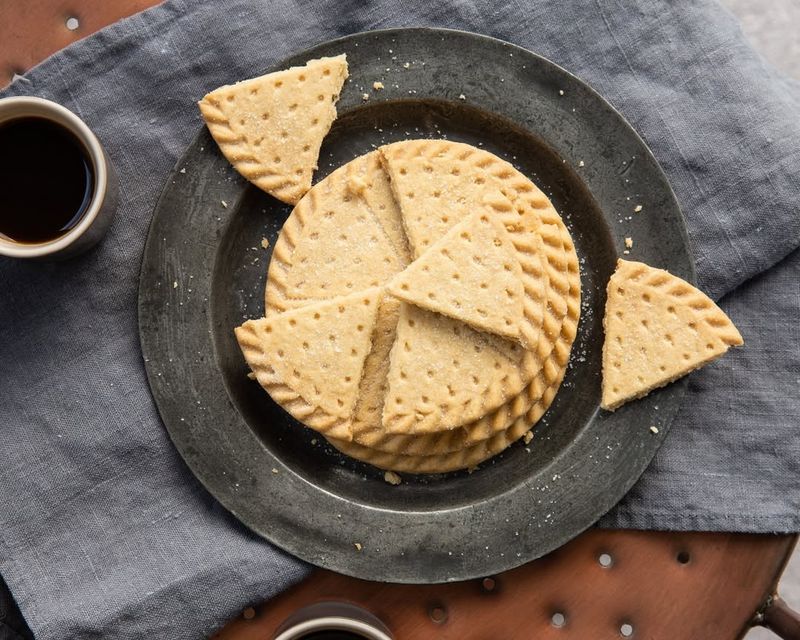
The name alone sparks curiosity.
Some reckon petticoat tails got their name from their resemblance to the shape of a lady's petticoat spreading out.
Others believe it's a twist on the French "petites gatelles," meaning little cakes.
Mary, Queen of Scots, adored this thin, crisp, caraway-flavoured version back in the 16th century, elevating shortbread to royal status.
Whether the origin is fashion or French, petticoat tails remain a link to Scotland's regal past, proving that even biscuits can carry centuries of history in their delicate, buttery layers.
Shortbread Played A Role In Hogmanay Traditions
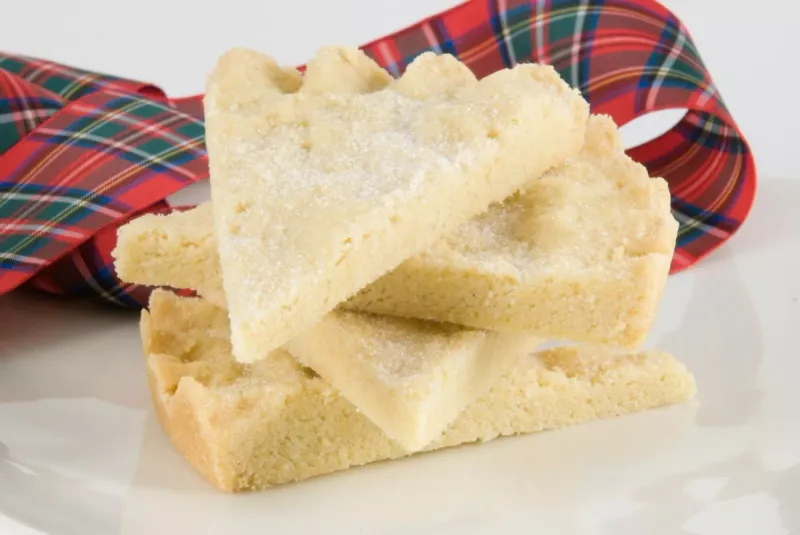
When the clock struck midnight on Hogmanay, the first person to cross your threshold – the first footer – carried gifts to bring luck for the year ahead.
Shortbread was always among them.
Offering this buttery treat symbolised hospitality, warmth, and hope for prosperity.
It wasn't just a snack; it was a blessing baked into biscuit form, shared in the spirit of new beginnings.
Generations of Scots have welcomed the New Year with shortbread in hand, keeping this delicious tradition alive and proving that good luck tastes remarkably like butter and sugar.
Family Recipes Were Passed Down Orally
Forget written recipes – shortbread secrets lived in memory and muscle.
Grans taught daughters by feel, not measurements.
A pinch of this, a handful of that, and "you'll know it's right when it looks like this."
This oral tradition meant recipes evolved slightly with each generation, adapting to personal taste and available ingredients.
Nothing was rigid; everything was intuitive.
The beauty of this method?
Each family's shortbread became truly unique, carrying whispers of ancestors' hands and the unspoken love baked into every crumbly, buttery bite.