











Gordon Ramsay might be known for his fiery temper, but when it comes to the kitchen, he’s all about precision, discipline, and getting the basics right. His approach to cooking is as sharp as his famous critiques, and it’s no surprise that these kitchen rules have helped him become one of the world’s top chefs.
If you’re ready to take your culinary skills to the next level, these principles might just be the secret sauce you’ve been missing.
This article is for general information and inspiration. Cooking styles and tips can vary based on individual preferences, and results may differ depending on experience and equipment used.
1. Fresh Ingredients Are Non-Negotiable
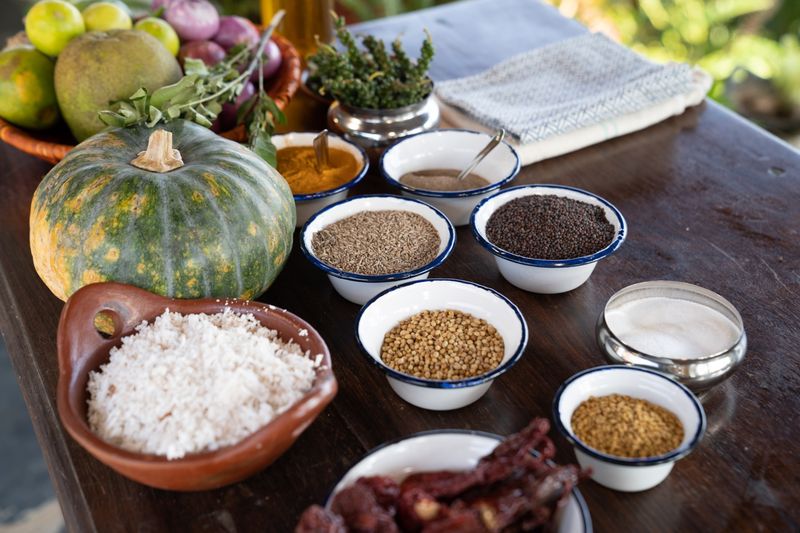
Ramsay's kitchen philosophy begins and ends with quality ingredients. He'd rather serve nothing than dish up something made with subpar produce. The chef regularly visits local markets at dawn to handpick the freshest offerings before they're snapped up by other chefs.
His restaurants maintain relationships with specialist suppliers who understand his exacting standards. Nothing enters a Ramsay kitchen unless it's at peak freshness and flavour. "The quality of the ingredients dictates the quality of the dish" is practically tattooed on every chef who works under him.
2. Master The Basics Before Getting Fancy
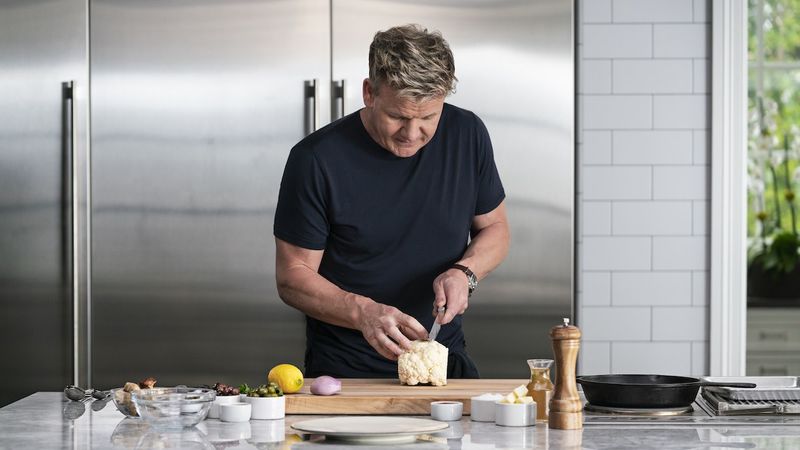
Fancy techniques mean nothing if you can't nail the fundamentals. Ramsay insists his chefs perfect basic skills like properly cooking an egg or making the perfect risotto before attempting more complex dishes.
When training new kitchen staff, he often tests them with seemingly simple tasks – perfectly seasoning a piece of fish or achieving the ideal sear on a steak. Many a chef has faltered under his watchful eye while attempting these 'basic' challenges.
This philosophy extends to home cooks too. In his masterclasses, Ramsay emphasises that understanding core techniques creates the foundation for all good cooking.
3. Taste Everything, Always

A spoon is as essential to Ramsay as a knife. He's constantly tasting, adjusting, and refining flavours throughout the cooking process. Nothing leaves his kitchen without passing his personal taste test.
Famously, Ramsay once sacked a chef who sent out an unseasoned dish without tasting it first. "How can you know it's perfect if you haven't tried it?" he bellowed across the kitchen. It's a lesson his staff never forget.
This habit extends beyond just seasoning – it's about understanding how flavours develop and change during cooking. Even after decades in professional kitchens, Ramsay never skips this crucial step.
4. Organisation Is Everything
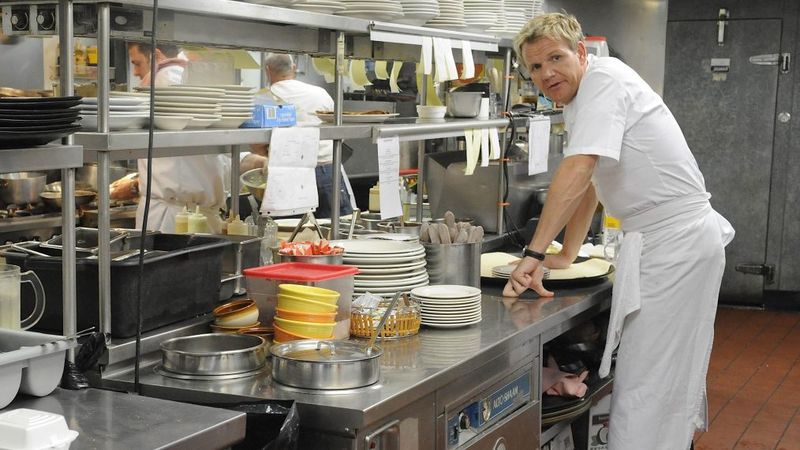
"Messy kitchen, messy mind" might as well be stitched onto Ramsay's chef whites. His kitchens operate with military precision – ingredients prepped, tools arranged, and stations spotless. This meticulous organisation allows his team to handle the chaos of service hours.
The French call this 'mise en place' – everything in its place – and Ramsay considers it sacred. Chefs who work for him learn quickly that disorganisation is unacceptable.
Even his home kitchen follows these principles. Visitors often remark how immaculate his workspace remains, even mid-cooking. For Ramsay, organisation isn't just about cleanliness; it's about respecting the craft.
5. Respect The Protein
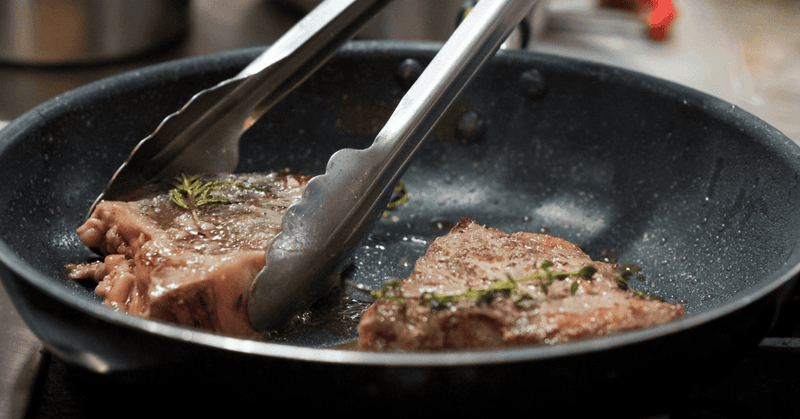
Watching Ramsay handle meat, fish or poultry is like observing a craftsman with precious materials. He treats each protein with profound respect – from proper butchering techniques to perfect cooking methods.
One of his most repeated lessons involves resting meat after cooking. "You've put all this effort into cooking it perfectly – why ruin it by cutting too soon?" he often asks. This patience allows juices to redistribute, resulting in more flavourful, succulent dishes.
Waste is another cardinal sin in Ramsay's kitchen. His chefs learn to utilise every part of an animal, from nose to tail, creating stocks, sauces and accompaniments from what others might discard.
6. Consistency Trumps Brilliance

A flash of culinary genius means little to Ramsay if it can't be reproduced consistently. His restaurants thrive on delivering the same exceptional quality whether it's a Tuesday lunch or Saturday dinner rush.
Kitchen staff quickly learn that consistency is non-negotiable. A chef might create a stunning dish once, but unless they can execute it perfectly every time, it won't make Ramsay's menu.
This principle shapes his approach to recipes too. Each dish has exacting standards and precise methods that must be followed religiously. While creativity is valued, reliability is what builds restaurant reputations – something Ramsay understands better than most.
7. Keep It Simple, Make It Perfect
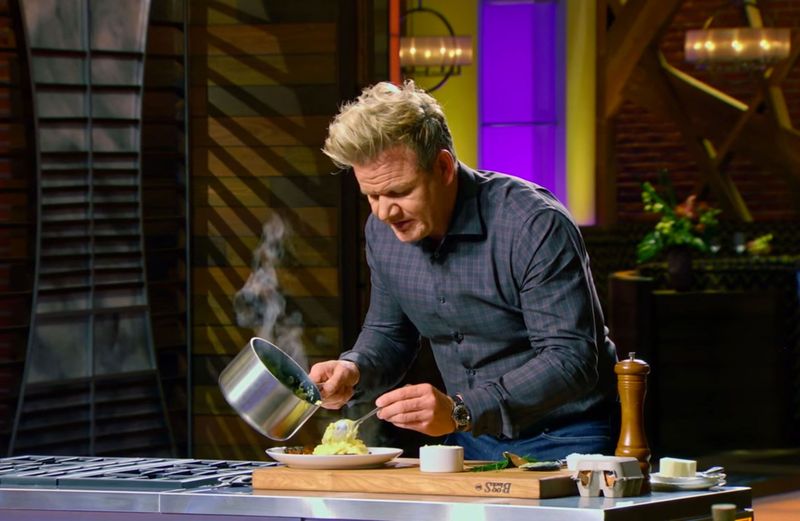
Ramsay believes simplicity reveals true culinary skill. While molecular gastronomy and elaborate presentations have their place, his signature dishes often feature just a handful of ingredients prepared flawlessly.
His famous beef Wellington isn't revolutionary – it's a classic executed with absolute precision. The same applies to his scrambled eggs, which have become legendary despite using just eggs, butter, and seasoning.
"When you use fewer ingredients, each one must be perfect," he often reminds his chefs. This philosophy strips cooking back to its essence: enhancing natural flavours rather than masking them with complexity. It's perhaps the most challenging approach of all – nowhere to hide mistakes when a dish has only three components.
8. Never Stop Learning

Despite his status, Ramsay remains a perpetual student of food. He regularly travels to learn new techniques and discover ingredients, bringing fresh inspiration back to his kitchens.
Staff who've worked alongside him note his genuine curiosity. He'll quiz local chefs about traditional methods or spend hours perfecting an unfamiliar technique. This hunger for knowledge keeps his cooking relevant and exciting decades into his career.
Ramsay encourages this same mindset in his team. Chefs in his kitchens are given opportunities to stage (intern) at other restaurants, attend food events, and expand their culinary horizons. His message is clear: the moment you think you know everything is the moment your food starts to suffer.
9. Communication Is Key
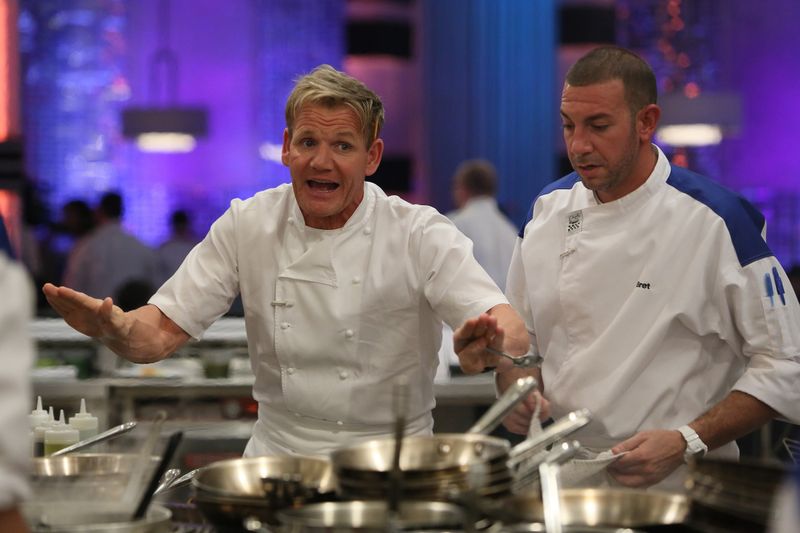
Behind the televised shouting matches lies Ramsay's true communication style – direct, clear, and purpose-driven. His kitchen brigades function like well-oiled machines because everyone understands exactly what's expected.
Calls of "Yes, Chef!" echo through his kitchens not just as acknowledgment but as confirmation that instructions have been understood. Miscommunication can ruin dishes and destroy service, a risk Ramsay refuses to take.
Former staff often mention how precise his feedback is – never vague criticisms but specific points for improvement. Even when delivering his famous tongue-lashings, there's always a clear message about what went wrong and how to fix it. This clarity, harsh as it sometimes seems, has shaped countless successful chefs.
10. Passion Or Nothing
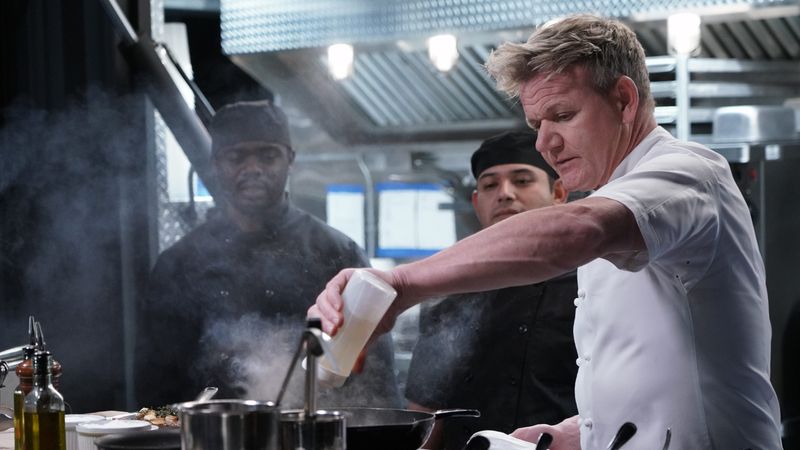
Perhaps Ramsay's most fundamental rule is that cooking requires absolute passion. His infamous temper stems not from cruelty but from genuine frustration when he sees potential squandered by lack of commitment.
"If you're not passionate about food, get out of my kitchen," he's been known to say. For Ramsay, half-hearted cooking is worse than no cooking at all. This intensity has driven away many who weren't truly committed to the craft.
Those who share his fire, however, find in Ramsay a mentor who will push them to achieve things they never thought possible. His kitchens may be pressure cookers, but they've forged some of the industry's brightest talents – all united by the unwavering passion their mentor demands.
11. Use A Sharp Knife
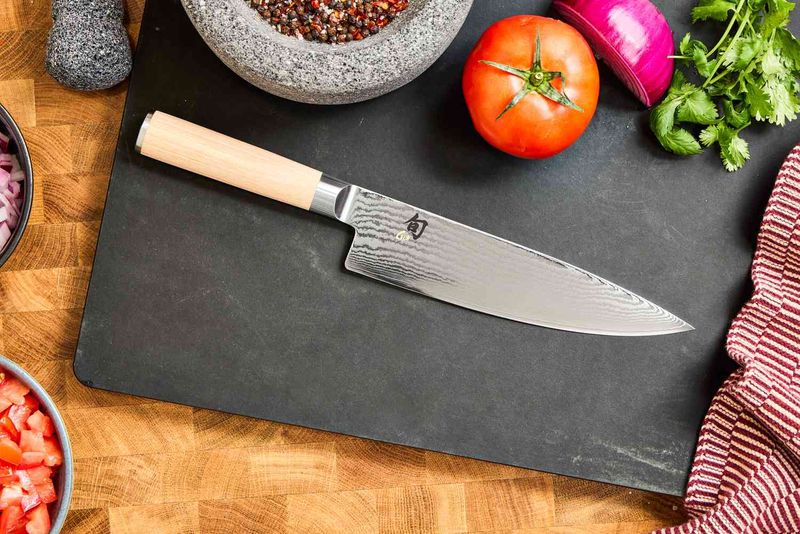
Ramsay is a huge advocate for using sharp knives in the kitchen. A dull knife is not only inefficient, but also dangerous. Ramsay often stresses that a sharp knife is essential for precision and speed, and helps to ensure that ingredients are cut cleanly, which preserves their texture and taste. In his kitchen, a dull knife is considered unacceptable because it compromises both safety and quality.
Sharp knives also reduce the risk of accidents, as they allow for better control. Ramsay believes that investing in quality knives and keeping them sharp is one of the simplest ways to improve your cooking.
12. Respect The Time It Takes To Cook
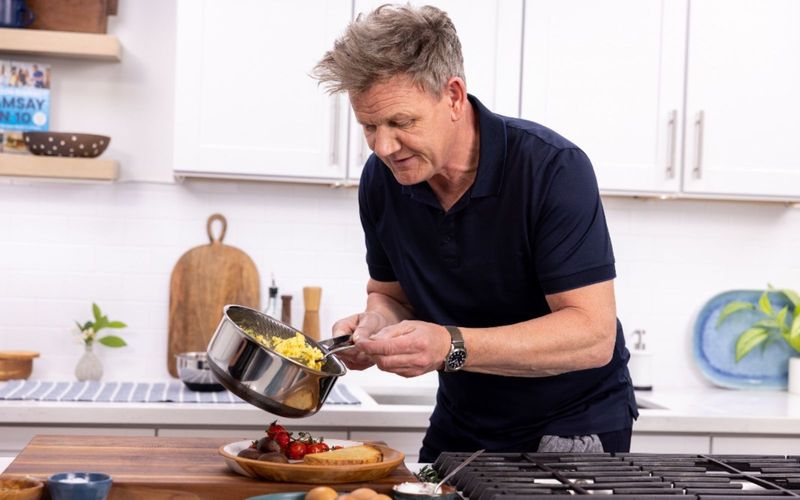
Gordon Ramsay believes that every dish deserves the time it takes to cook properly. He’s known to remind his chefs that great dishes aren’t rushed - whether it’s allowing a sauce to simmer or letting meat rest after it’s been cooked.
Ramsay firmly believes that patience is key to perfecting any dish. The best meals are those that are given time and care, rather than trying to cut corners for the sake of speed. By respecting the cooking process, you elevate the dish’s flavours and textures.
Rushing results in compromises, and Ramsay’s kitchen operates on the principle that great food cannot be made in a hurry.