










There’s something special about retro British dishes - some bring back fond memories of family gatherings, while others make us question what we were thinking in the first place.
While some of these classics definitely deserve a revival, there are others we’re more than happy to leave in the past. Curious to see which ones we’re championing and which we’re happily waving goodbye to?
This article is for fun and culinary inspiration. Food preferences and trends shift, and what’s a hit with one generation might not be with another.
1. Retro British Dishes That Deserve A Comeback
Retro British dishes have a special place in our culinary history, evoking fond memories of family gatherings and classic comfort food. While some of these dishes may have faded into obscurity, they still hold a unique charm that deserves a revival in modern kitchens.
The next four dishes are the retro British dishes that deserve a comeback.
2. Coronation Chicken
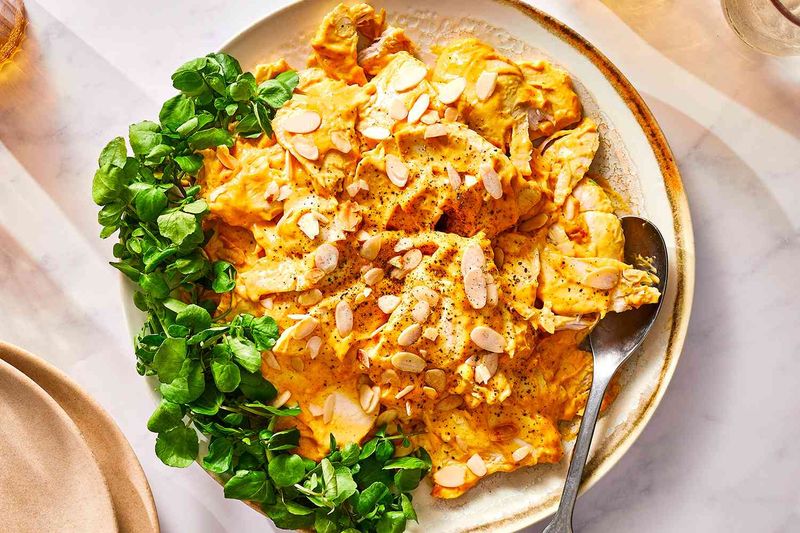
Created for Queen Elizabeth II's coronation in 1953, this curried chicken salad brings royal flavour to any gathering. Creamy, mildly spiced, and surprisingly versatile, it works brilliantly in sandwiches or served over rice.
The blend of sweet and savoury notes appeals to adventurous eaters without overwhelming sensitive palates. Perfect for picnics, packed lunches, or buffet tables, this dish adds colour and excitement.
3. Steak And Kidney Pie
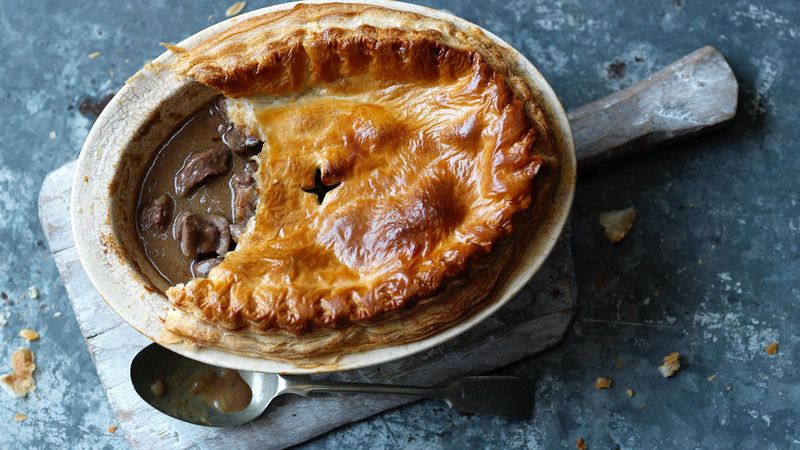
Rich gravy, tender chunks of beef, and savoury kidneys baked beneath golden pastry represent proper British comfort food. Generations grew up enjoying this hearty meal on cold evenings, and it deserves recognition today.
Though kidney might sound unusual to younger cooks, it adds incredible depth of flavour to the filling. Served with mashed potatoes and vegetables, this pie satisfies hungry families completely.
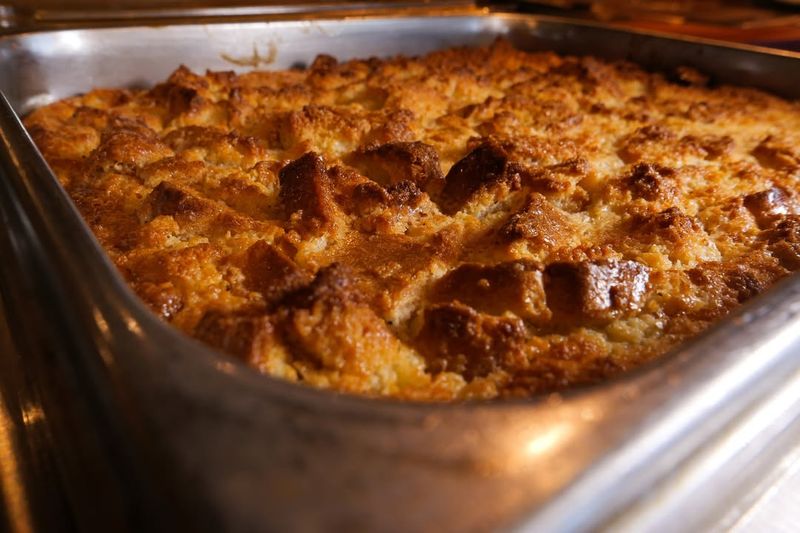
4. Bread And Butter Pudding
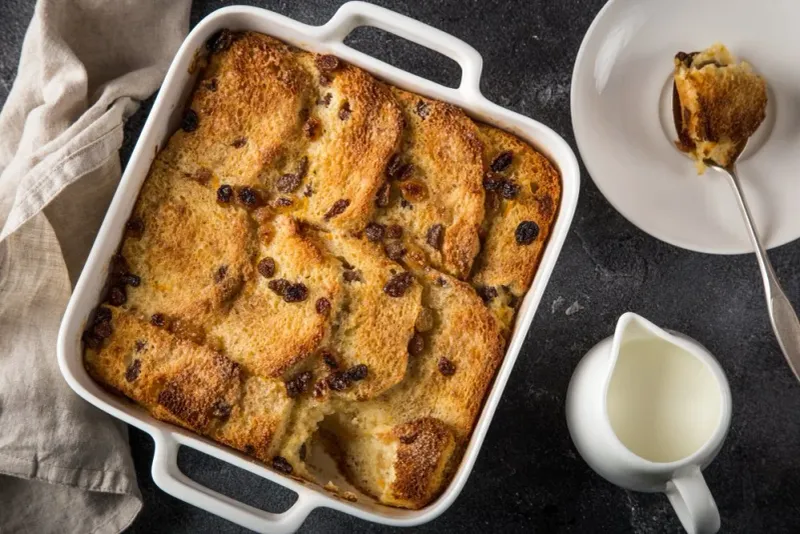
Buttered bread soaked in sweet custard and baked until golden transforms simple ingredients into pure comfort. Originally designed to use up stale bread, this pudding proves waste-not cooking can taste absolutely brilliant.
Warm from the oven with a sprinkle of cinnamon, it fills homes with irresistible aromas. Budget-friendly and easy to prepare, families can customise it with chocolate chips or dried fruit.
5. Lancashire Hotpot
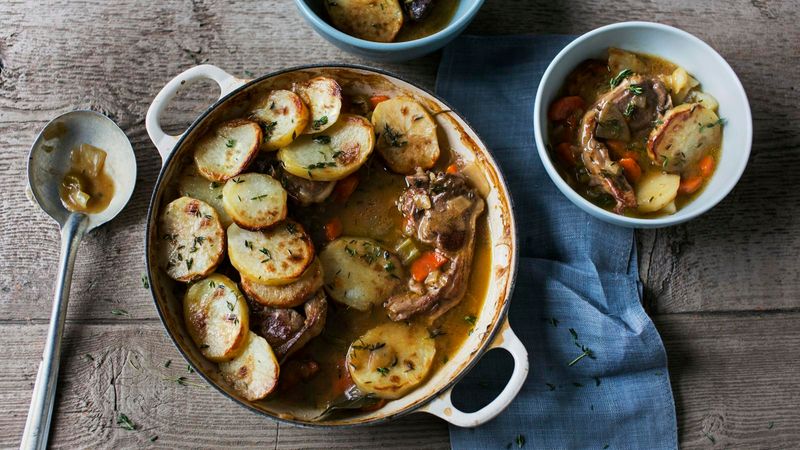
Layers of lamb, onions, and sliced potatoes slowly cooked until meltingly tender create this northern English masterpiece. Born in working-class kitchens, this one-pot wonder fed families affordably and deliciously for generations.
The crispy potato topping contrasts beautifully with the rich, meaty base underneath. Minimal preparation and maximum flavour make it perfect for busy weeknights.
Regional specialities like this deserve celebration and regular appearances on dining tables nationwide.
6. Retro British Dishes We're Glad Are Gone
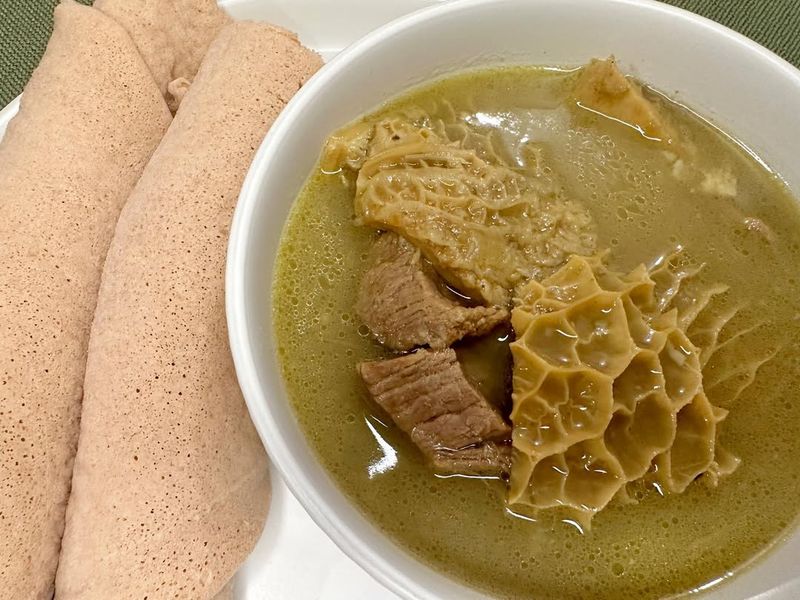
Some retro British dishes, though once beloved, have not aged well and are better left in the past. While they may have been popular in their time, modern palates often find them less appealing due to their unusual ingredients or textures.
The next five dishes are the retro British dishes we’re glad are gone.
7. Jellied Eels
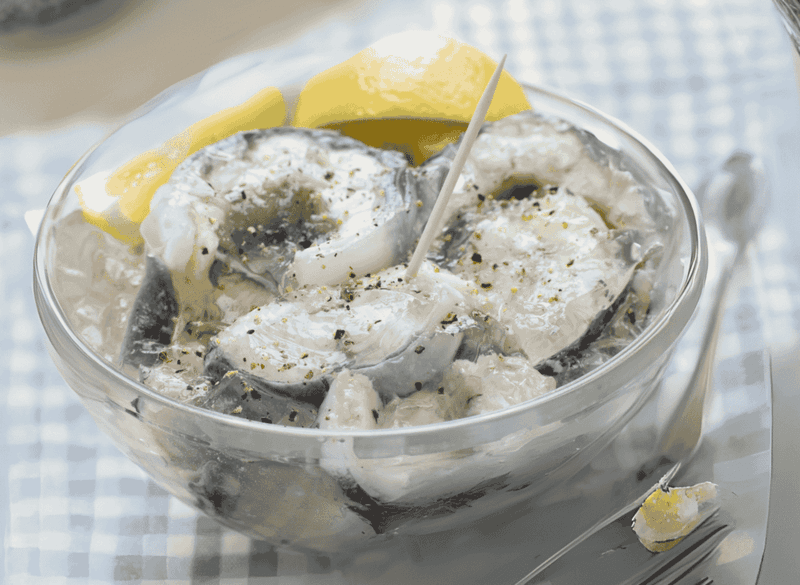
Popular in Victorian London, these wobbly chunks of eel suspended in savoury jelly provoke strong reactions from modern diners. Cold, gelatinous, and fishy, this East End speciality struggles to win over contemporary taste buds.
Whilst historically important to working-class communities, the texture and appearance challenge most people today. Even adventurous eaters often find the slippery consistency off-putting.
Some traditions are better appreciated in museums than on dinner plates nowadays.
8. Boiled Cow Heel
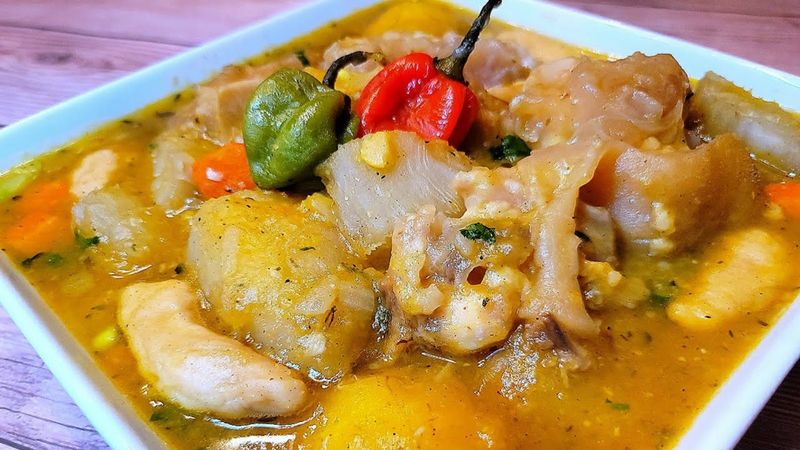
Once considered economical protein for struggling families, boiled cow heel offered nutrition when little else was available. Gelatinous, bony, and requiring hours of cooking, this dish represents desperate times rather than culinary excellence.
Modern shoppers have access to far more appealing protein sources at reasonable prices. The unappetising appearance and chewy texture make it understandably unpopular today.
Historical curiosity doesn't translate into something worth reviving for contemporary tables.
9. Mock Turtle Soup
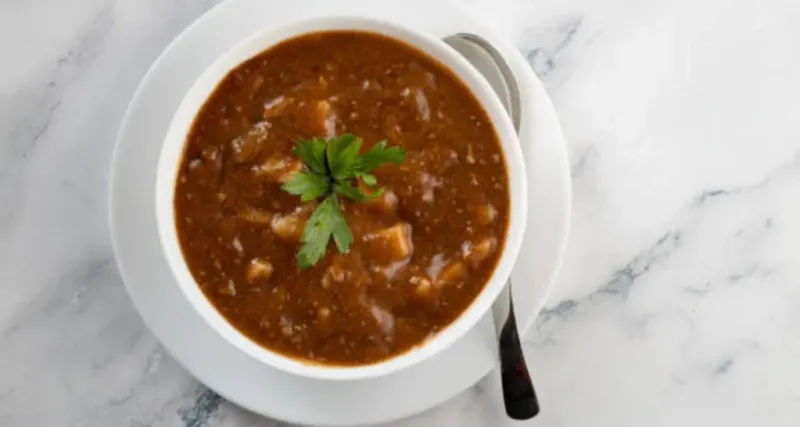
Created as an affordable substitute for expensive turtle soup, this concoction used calf's head to mimic the original flavour. Complex preparation and unusual ingredients made it a peculiar choice even in its heyday.
The idea of simmering a calf's head for hours sounds unappealing to modern sensibilities. Whilst historically fascinating, the effort required produces questionable rewards.
10. Tripe And Onions
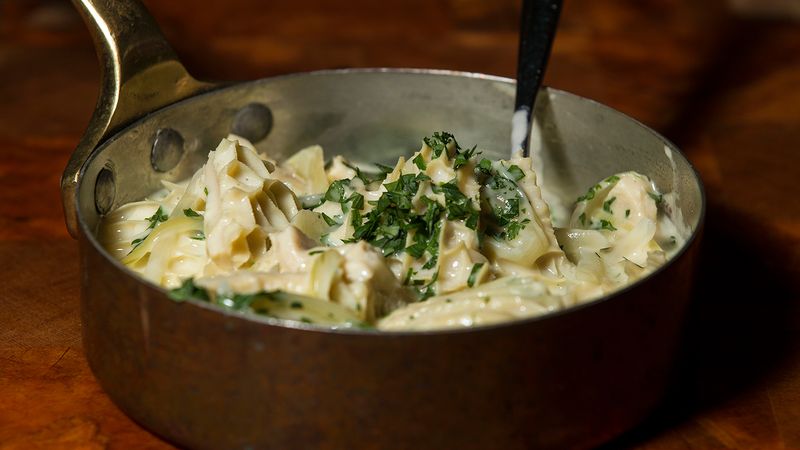
Stomach lining simmered with onions in white sauce might sound medieval, but it appeared regularly on British tables until recently. The rubbery texture and mild flavour failed to excite even when prepared perfectly.
Whilst some older generations remember it fondly, younger diners rarely develop appreciation for this acquired taste. Nutritional value doesn't compensate for the challenging chewiness.
11. Bread Sauce With Lumps
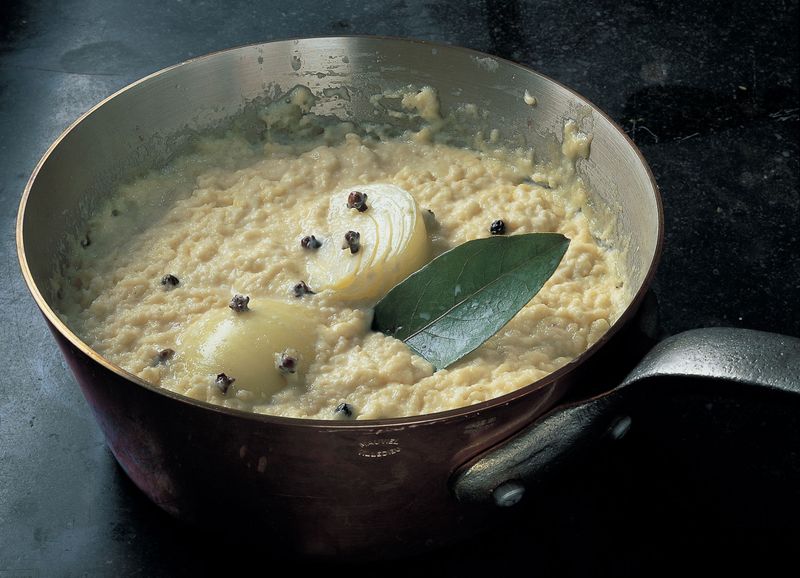
Accompanying roast poultry, bread sauce should be smooth and creamy, but inexperienced cooks often produced lumpy, unappetising results. When properly made, it offers pleasant flavour, but clumpy versions ruined many festive meals.
Modern gravies and cranberry sauce provide superior alternatives without the risk of disappointing texture. The effort required rarely justifies the mediocre outcome.
Improved recipes exist, but lumpy versions deserve to stay forgotten forever.