









A Burns Night table can look wonderfully different depending on where you happen to be celebrating across Scotland. Local ingredients, family traditions, and regional cooking styles quietly influence how familiar dishes are prepared and presented.
Some areas lean into rustic simplicity, while others add refined touches that reflect local pride and creativity. Exploring these regional differences adds a whole new layer of appreciation to a much-loved celebration.
This content reflects general cultural and culinary observations. Traditions, recipes, and presentation may vary by region, household, and availability of ingredients, and photos are for illustrative purposes only.
1. Highlands Traditional Supper
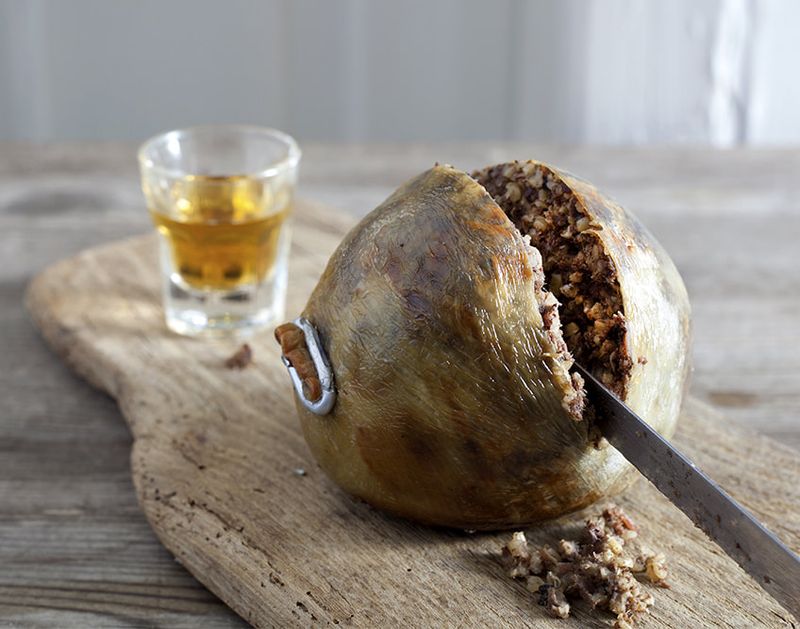
In the remote glens and mountain villages, Burns Night suppers stay true to age-old recipes passed down through generations. Families gather round tables laden with thick-cut haggis made from locally reared lamb, served alongside creamy mashed neeps and buttery tatties.
Venison often makes an appearance as a starter, reflecting the abundant wildlife of the region. Cranachan, a dessert of whipped cream, oats, raspberries, and honey, finishes the meal with Highland sweetness that perfectly balances the savoury richness.
2. Lowlands Family-Style Menu
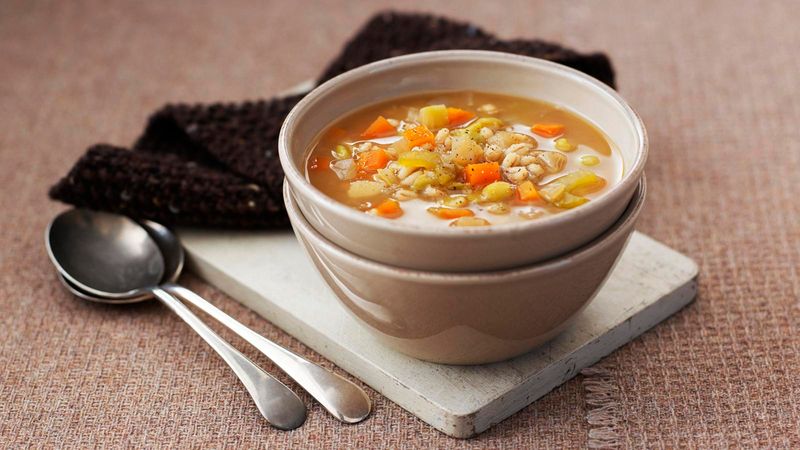
Lowland celebrations embrace a warm, communal atmosphere where large platters are shared amongst friends and family. Haggis takes centre stage, but it's often accompanied by Scotch broth as a hearty starter, warming everyone up before the main event.
Homemade oatcakes and crowdie cheese appear on the table, offering lighter bites between courses. Clootie dumpling, a spiced fruit pudding steamed in cloth, provides a comforting end to the evening, reminding diners of childhood treats and cosy kitchen memories.
3. Island Seafood Influences
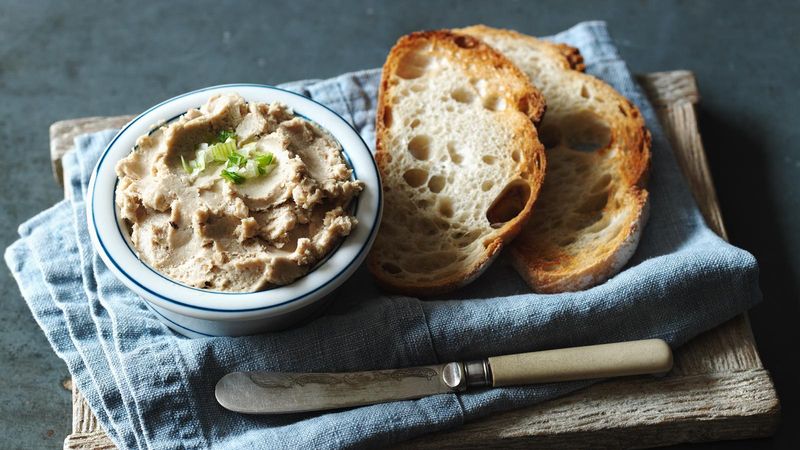
On Scotland's windswept islands, Burns Night menus proudly showcase the ocean's bounty alongside traditional fare. Smoked mackerel pâté or fresh oysters often start the meal, celebrating the pristine waters surrounding these remote communities.
Haggis might be paired with buttery langoustines or scallops, creating a surf-and-turf experience unique to island life. Seaweed bread and locally foraged samphire add distinctive coastal flavours, whilst traditional tablet made with sea salt provides a sweet, crunchy finale that tastes of home.
4. Aberdeenshire Farmhouse Favourites
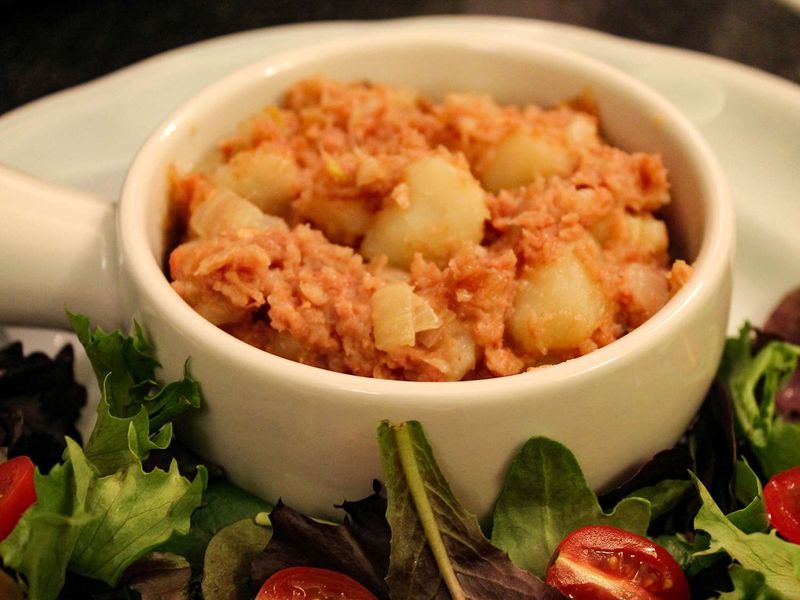
Aberdeenshire's agricultural heritage shines through in Burns Night celebrations that champion farm-fresh ingredients. Haggis here is often made with beef from Aberdeen Angus cattle, giving it a richer, more robust flavour that locals swear by.
Stovies - a comforting dish of potatoes, onions, and leftover meat - sometimes replace neeps as a side, reflecting thrifty farming traditions. Butteries, the region's flaky, buttery rolls, accompany the meal, whilst homemade tablet and shortbread round off the feast with Aberdeen's trademark generosity and warmth.
5. Glasgow Modern Twists
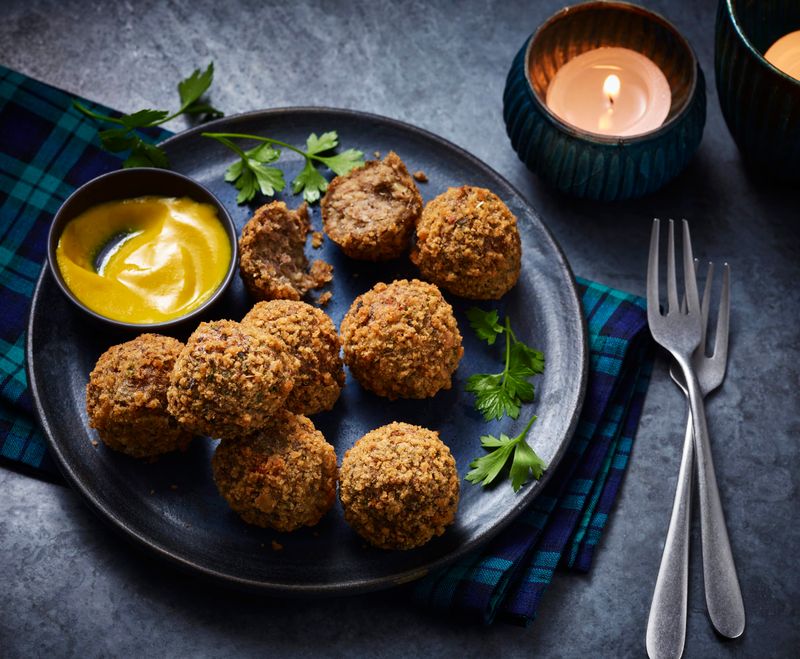
Glasgow’s lively food scene has reimagined Burns Night with creative flair and contemporary presentation. Haggis bonbons served with rich peppercorn or herb sauces offer a playful starter that still respects tradition.
Deconstructed haggis plates often feature carefully arranged elements that highlight flavour and texture in a modern way. Plant-based haggis options have also become popular, using lentils, mushrooms, and warming spices to welcome a wider range of diners.
Desserts sometimes lean towards inventive touches like citrus sorbets or chocolate creations that keep the meal feeling fresh and current.
6. Edinburgh Formal Dining Styles
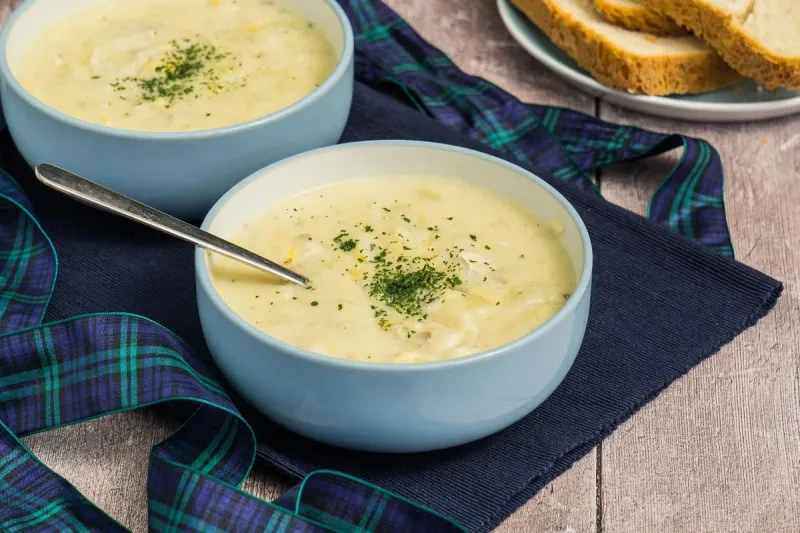
Edinburgh’s Burns Night celebrations often lean towards elegant, multi-course dining in historic buildings and formal settings. Cullen skink frequently appears as a refined starter, setting a polished tone for the evening.
Haggis is piped in ceremonially and presented with carefully plated neeps and tatties that reflect restaurant-level attention to detail. Cranachan may be served in individual glasses with neatly layered textures that feel both traditional and stylish.
The overall experience focuses on atmosphere, presentation, and a sense of occasion that elevates the celebration without losing its cultural roots.
7. Borders Seasonal Ingredients
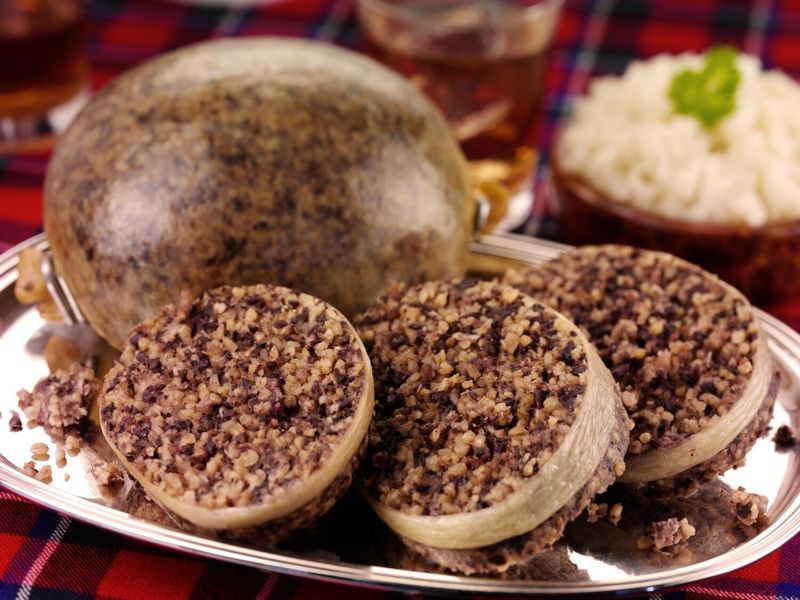
The Scottish Borders region celebrates Burns Night by showcasing whatever the season offers from local farms and gardens. Winter root vegetables like parsnips and carrots join neeps and tatties, adding colour and variety to traditional plates.
Haggis might be made with Border lamb, known for its tender texture and delicate flavour. Wild garlic, when in season, gets stirred into mashed potatoes, whilst foraged mushrooms enhance gravies and sauces.
Desserts feature preserved summer berries or poached pears, connecting diners to the land's natural rhythm throughout the year.