






Britain’s bakeries are filled with traditions that vary from county to county, each one holding recipes passed down through generations.
From buttery shortbreads in Shropshire to rich puddings in the North, some bakes remain local secrets, known only to those lucky enough to grow up with them.
Others have made their way into cafés and bakeries across the country, earning national and even international love.
Together, they tell the story of Britain’s baking heritage, where old favourites meet modern trends.
This article is for general interest only.
Recipes, ingredients, and availability may vary depending on region and bakery.
Photos are for illustrative purposes only.
Regional British Bakes You Learn From Locals
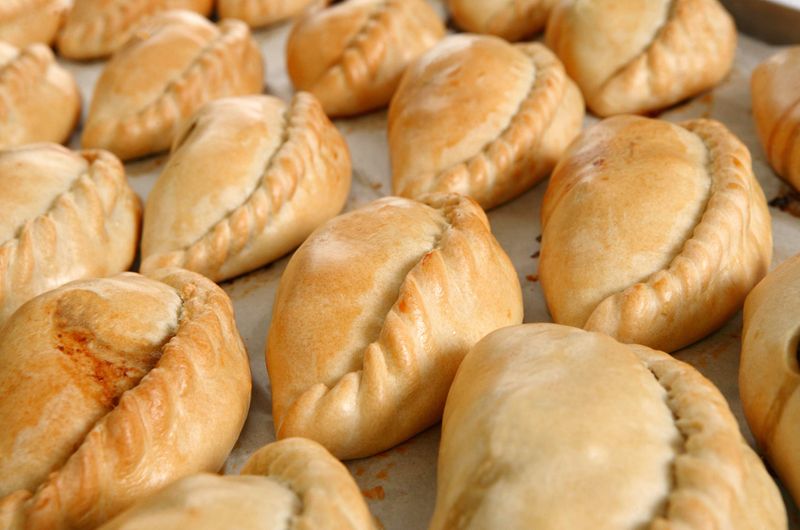
Venture beyond the high street chains and you'll discover bakes that belong to specific corners of Britain, guarded fiercely by locals who've been making them for centuries.
These aren't the sort of treats you'll find in every supermarket.
Regional bakes carry the flavour of their birthplace, shaped by local ingredients, old family recipes, and baking traditions that refuse to fade.
Each one tells a story about the people and places that created them, offering a proper taste of British heritage you won't get anywhere else.
1. Banbury Cake
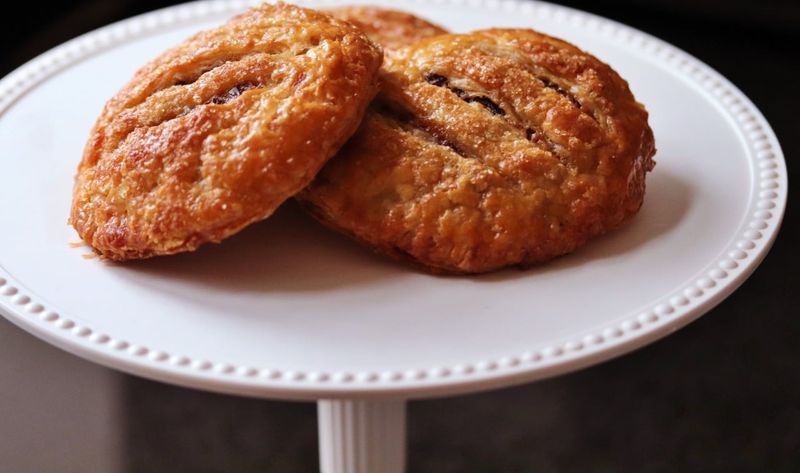
Oxfordshire's answer to the pastry question comes wrapped in flaky layers concealing a spiced currant filling that's been pleasing palates since the 16th century.
Flat, oval, and marked with three slashes across the top, Banbury cakes bear a distinctive look that sets them apart from their fruity pastry cousins.
The filling packs warmth from mixed spice and a slight citrus tang from candied peel.
Locals prefer them slightly warm, when the pastry shatters at first bite and the filling releases its aromatic steam.
2. Yorkshire Parkin
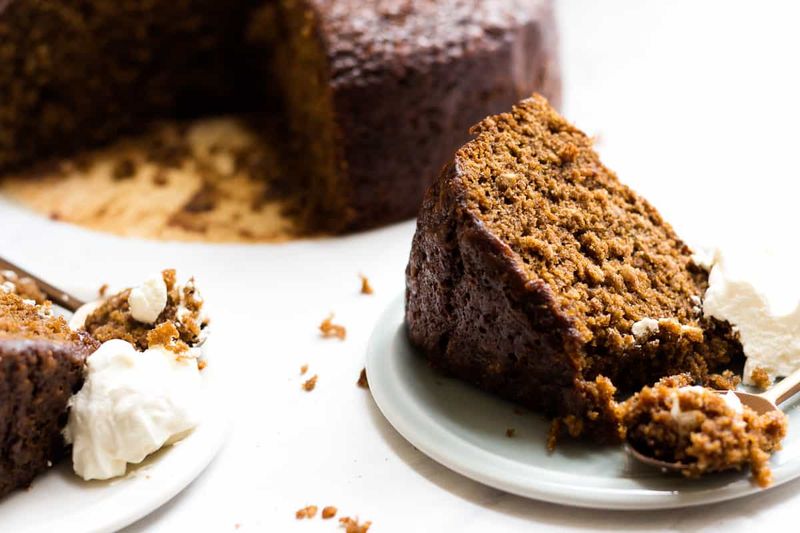
Come Bonfire Night, Yorkshire folk bring out their parkin tins, but this dark, sticky ginger cake deserves attention all year round.
Oatmeal gives it a unique texture that's denser than regular cake, whilst black treacle and golden syrup create that signature deep, almost molasses-like sweetness.
Ground ginger adds proper warmth without overwhelming heat.
The magic happens when you wrap it up and leave it for a few days – parkin actually improves with age, becoming stickier and more flavourful as time passes.
3. Heavy Cake (Hevva Cake)
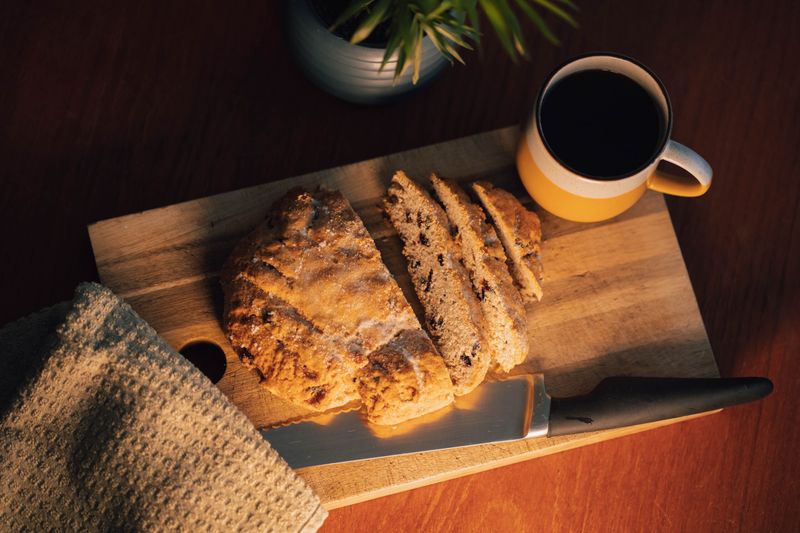
Cornish fishermen's wives once baked these to celebrate a good catch, waving towels from clifftops whilst shouting 'Hevva!' to signal the pilchard shoals had arrived.
This sturdy saffron-scented cake carries currents and a distinctive criss-cross pattern scored into its golden surface before baking.
It's called 'heavy' not because it sits like a brick, but from the old Cornish fishing term.
The saffron threads give it a subtle floral note and sunshine-yellow hue that brightens any Cornish cream tea.
4. Manchester Tart
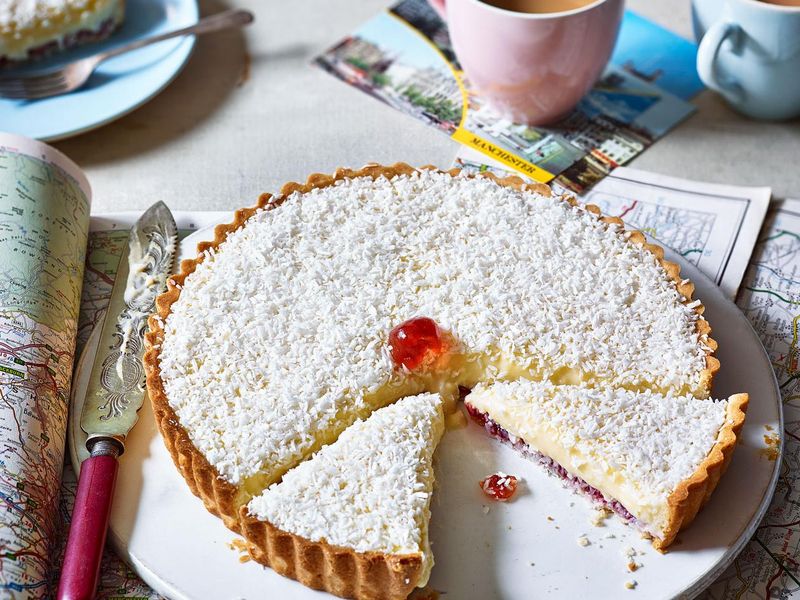
School dinner nostalgia hits differently when it comes in pastry form, and Manchester tart brings back memories of lunchtime puddings for generations of Mancunians.
A shortcrust base gets spread with raspberry jam, then covered with thick custard and topped with desiccated coconut – simple layers that somehow create pure comfort.
Some versions add a handful of banana slices beneath the custard for extra sweetness.
It's unassuming, unpretentious, and utterly satisfying, much like Manchester itself.
5. Shrewsbury Cake
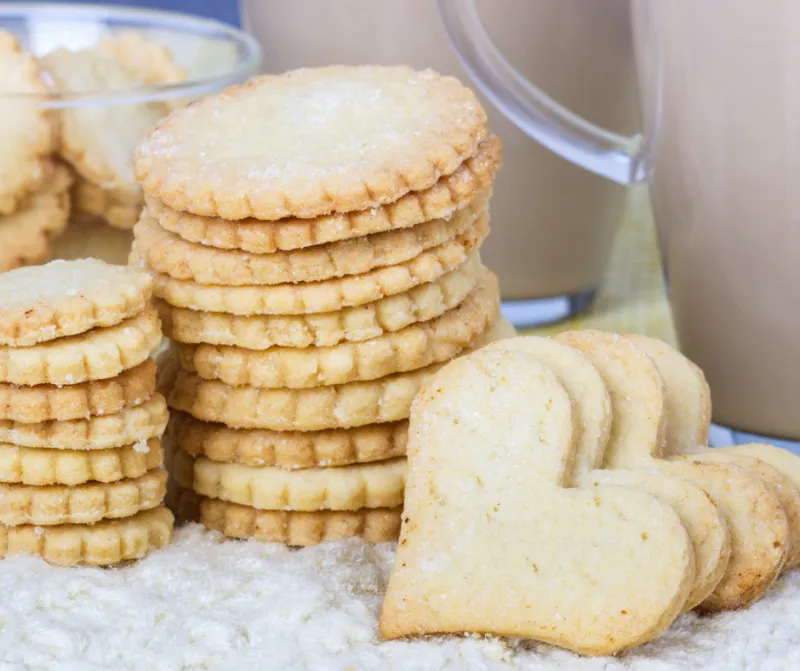
Don't let the name fool you – these are biscuits, not cakes, and they've been Shropshire's pride since the 1700s.
Thick, round, and wonderfully crumbly, Shrewsbury cakes blend butter shortbread with subtle spices and a hint of rose water that gives them an almost Turkish Delight character.
They're sturdier than your average biscuit, designed to survive journeys in coat pockets.
Caraway seeds sometimes make an appearance, adding a gentle aniseed note that divides opinion amongst traditionalists.
6. Eccles Cake
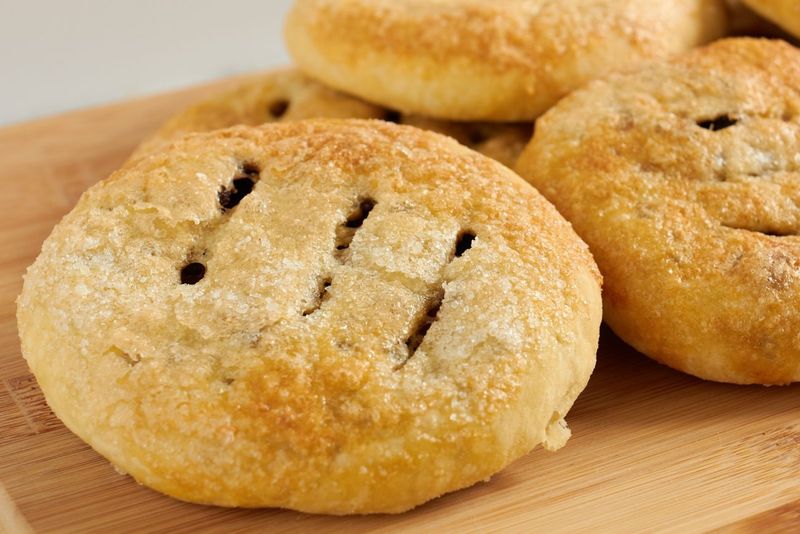
Lancashire's contribution to the pastry hall of fame packs more currants per square inch than seems physically possible, all wrapped in buttery puff pastry that shatters gloriously.
Three small slashes across the golden dome let steam escape whilst baking and give Eccles cakes their recognizable appearance.
The filling combines dried fruit with butter, sugar, and warming spices into something that's simultaneously sweet, rich, and slightly spiced.
They're best eaten fresh from the bakery, still warm enough to melt cheese if you're feeling adventurous.
Trendy Treats Everybody Loves
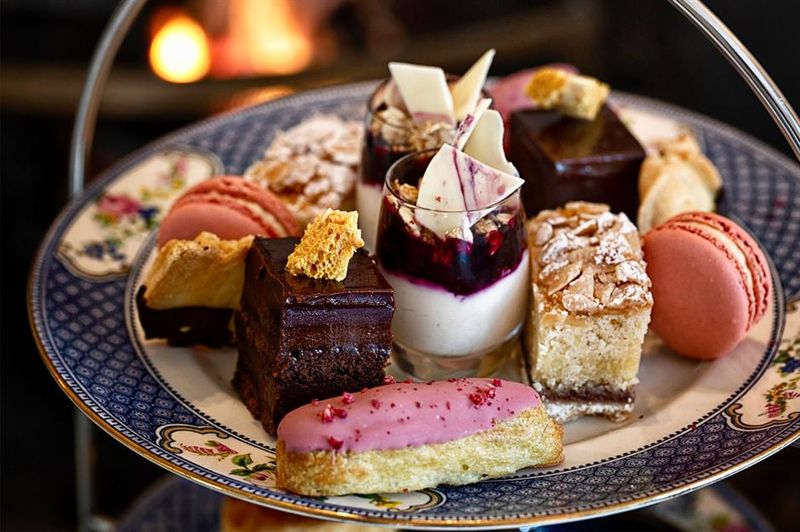
Whilst regional specialities hold their ground in local bakeries, certain British bakes transcended their origins to become nationwide favourites that appear on every café menu and afternoon tea spread.
These are the crowd-pleasers, the safe bets, the treats that tourists specifically seek out when visiting Britain.
They've earned their popularity through decades of consistent deliciousness, becoming ambassadors for British baking around the world.
Whether you're in Cornwall or Cumbria, you'll find these beloved classics ready to satisfy your sweet tooth.
7. Victoria Sponge
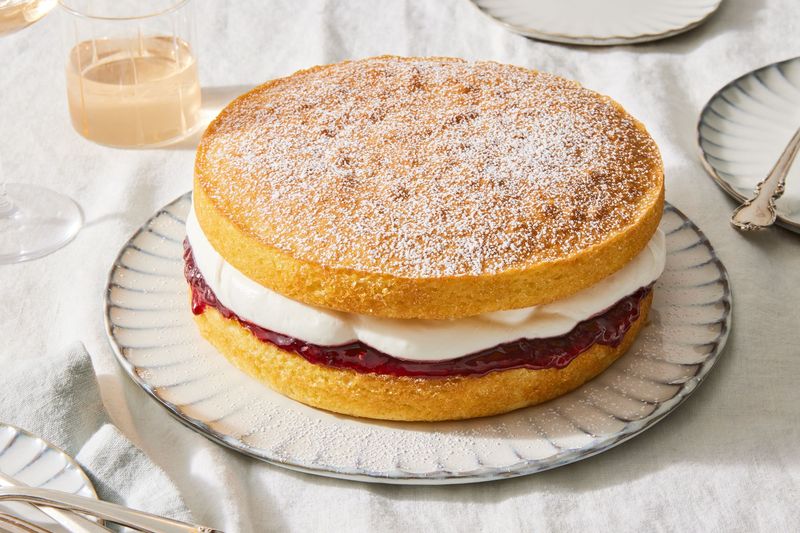
Named after Queen Victoria herself, who apparently enjoyed a slice with her afternoon tea, this cake represents British baking at its most elegant yet accessible.
Two light, golden sponge layers sandwich raspberry jam and whipped cream (or buttercream, depending on your allegiance) in perfect harmony.
The top gets a simple dusting of icing sugar – no fancy decorations needed when the cake itself is this good.
Getting the sponge properly light and even takes practice, but the result is pure teatime perfection.
8. Sticky Toffee Pudding
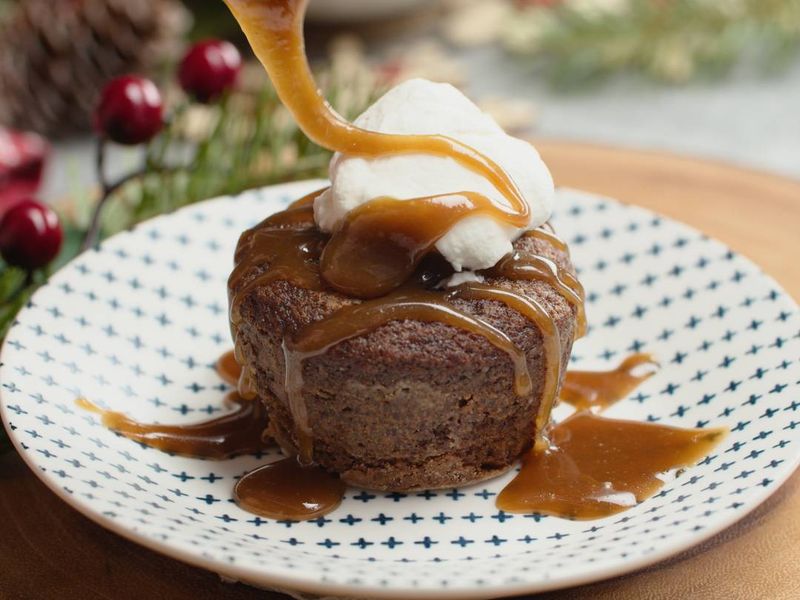
Possibly the most comforting dessert ever created, sticky toffee pudding turns chopped dates into something that feels like a warm hug in pudding form.
The moist sponge gets absolutely drenched in toffee sauce – not just drizzled, but properly soaked until it's almost indecent.
Dates provide natural sweetness and incredible moisture that keeps this pudding tender days after baking.
Serve it warm with vanilla ice cream or custard, and watch the sauce pool around the edges into liquid gold.
9. Welsh Cakes
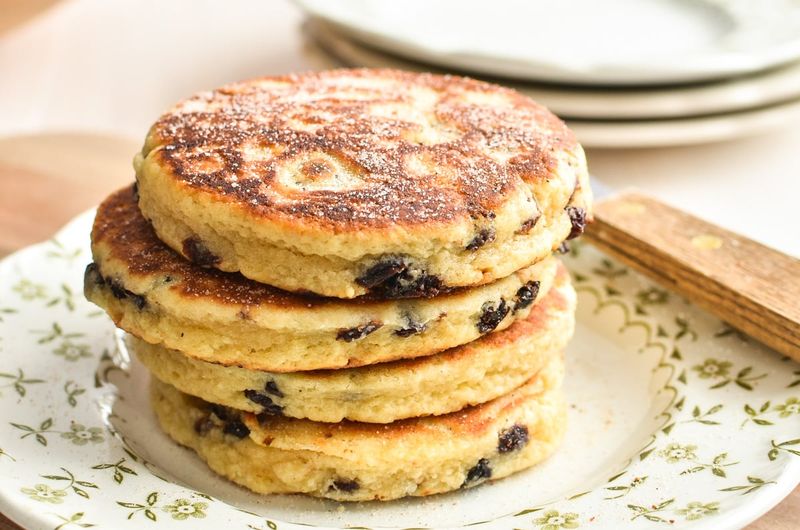
Somewhere between a scone, a pancake, and a biscuit lives the Welsh cake, cooked on a griddle rather than baked in an oven like its cousins.
These small, round treats emerge from the bakestone with characteristic scorch marks, studded with currants and lightly spiced with cinnamon or mixed spice.
They're best eaten warm, dusted with caster sugar whilst still soft from the griddle.
Unlike most bakes, Welsh cakes taste completely different when fresh versus cooled – both versions have loyal fans.