










Ever wondered what dinner looks like across the globe? Food is the universal language that connects us all, regardless of borders or backgrounds.
These mouth-watering recipes will transport your taste buds to faraway lands without leaving your kitchen.
Grab your apron and passport - we're about to embark on a culinary adventure!
1. Spaghetti Carbonara (Italy)
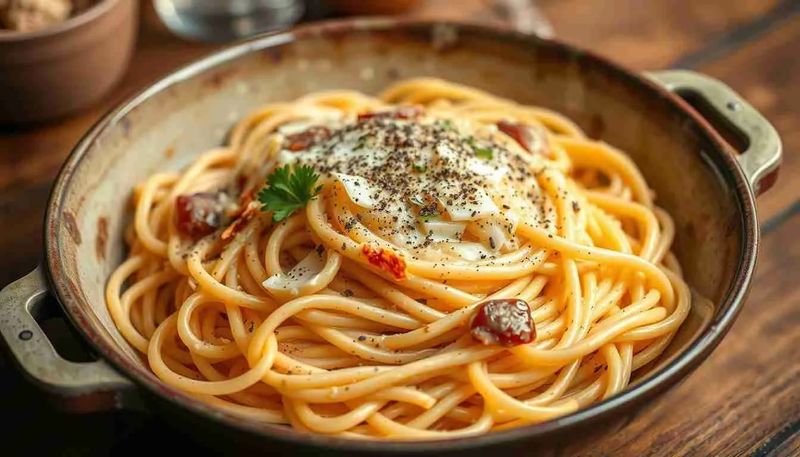
Silky strands of pasta coated in a velvety sauce that comes together with just eggs, cheese, and crispy pancetta. No cream needed for this Roman classic! The trick lies in tossing the hot pasta quickly to create that signature creamy texture without scrambling the eggs.
Dating back to the mid-20th century, this dish possibly originated among charcoal workers—'carbonari' in Italian - who needed simple, satisfying meals after long days.
2. Chicken Tikka Masala (India)
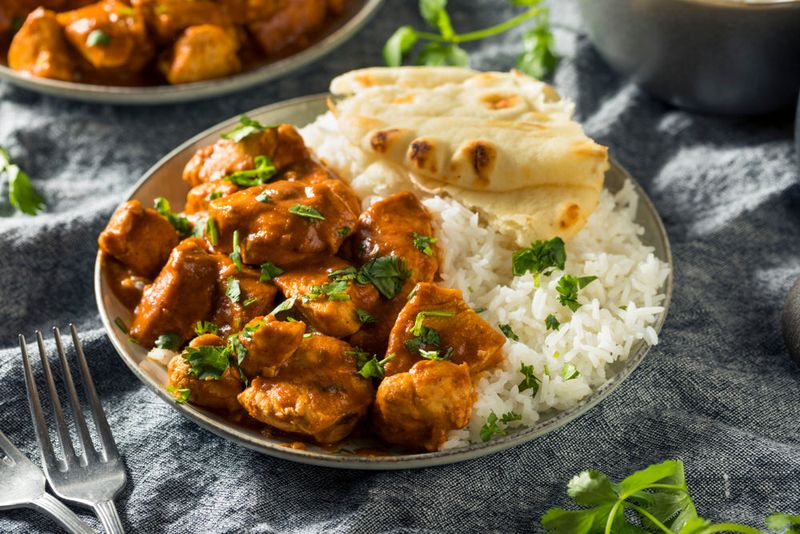
Tender chunks of chicken first marinated in yogurt and spices, then roasted and simmered in a luscious tomato sauce. The vibrant orange color comes from the blend of spices including turmeric, paprika, and garam masala.
Contrary to popular belief, this dish was likely invented in Britain by South Asian chefs, making it a brilliant example of culinary fusion that's now beloved worldwide.
3. Beef Bulgogi (South Korea)
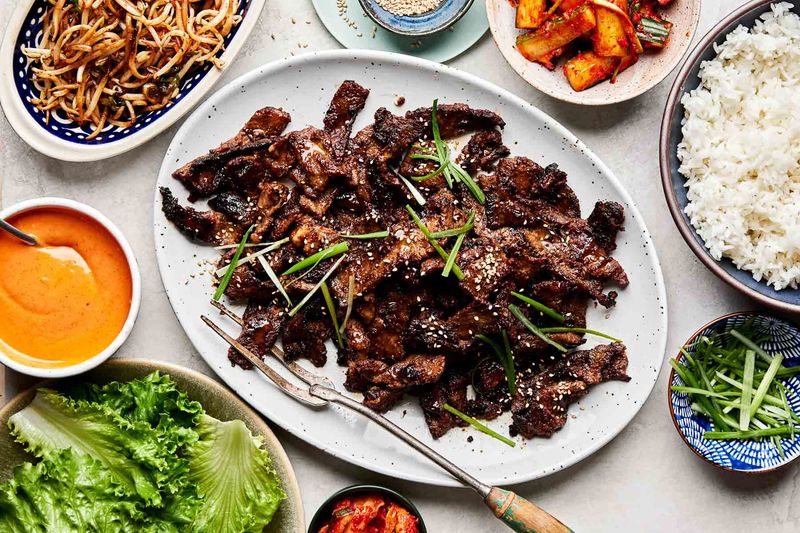
Paper-thin slices of beef dance in a sweet-savory marinade of soy sauce, brown sugar, Asian pear, and sesame oil. After soaking up all that flavor, the meat is quickly grilled to caramelized perfection.
Translating to 'fire meat' in Korean, bulgogi dates back to the Goguryeo era (37 BCE-668 CE), making it one of the oldest continuously prepared dishes in the world.
4. Fish Tacos (Mexico)
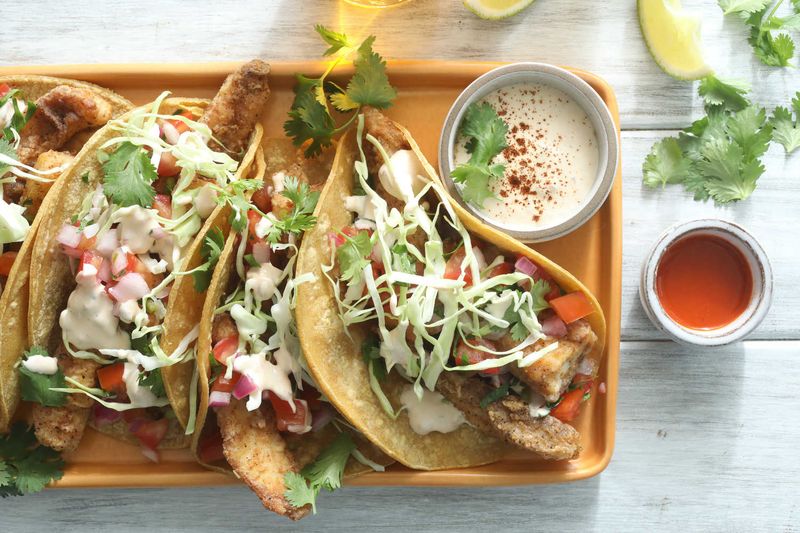
Crispy battered fish nestled in warm corn tortillas, topped with crunchy cabbage slaw and a zippy lime crema. The contrast between the hot fish and cool toppings creates a textural wonderland in your mouth.
Originating in the coastal regions of Baja California, these tacos were inspired by Japanese fishermen who introduced tempura-style cooking techniques to Mexican seafood cuisine in the 1950s.
5. Ratatouille (France)
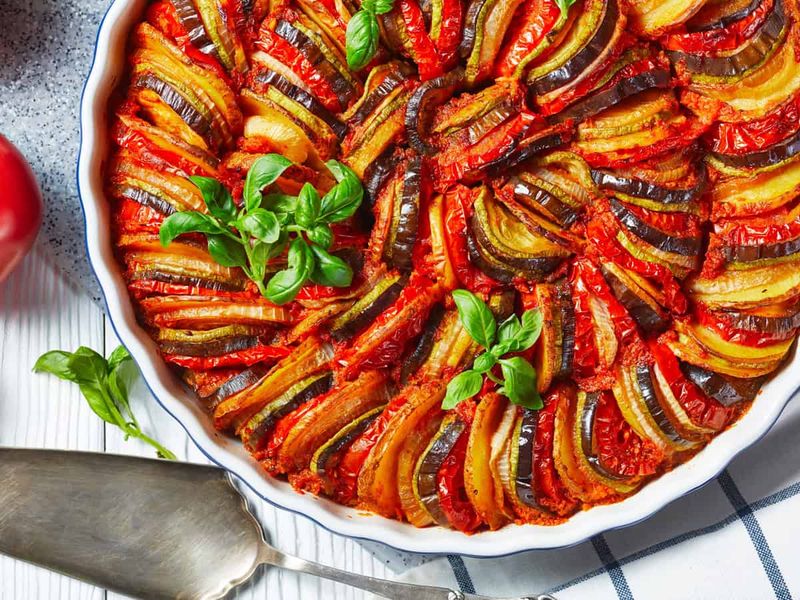
Summer vegetables layered in concentric circles create this stunning Provençal masterpiece. Aubergine, courgette, peppers, and tomatoes meld together in herby olive oil, developing rich flavors as they slowly roast.
Originally a humble peasant dish from Nice, ratatouille (meaning 'to stir up') was designed to use up abundant summer garden harvests. The fancy spiral arrangement seen in films is actually a modern interpretation called 'confit byaldi'.
6. Moroccan Chickpea Stew (Morocco)
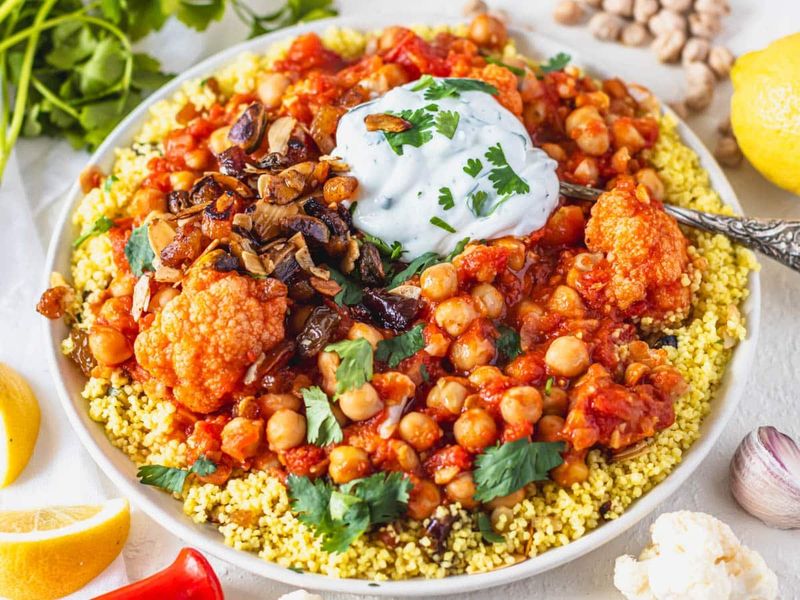
Aromatic spices like cumin, coriander, and cinnamon transform humble chickpeas into an exotic one-pot wonder. Slow-simmered with tomatoes and sweet potatoes, the flavors deepen and meld beautifully.
Served over fluffy couscous and topped with fresh mint and a dollop of yogurt, this hearty vegetarian dish exemplifies Morocco's talent for balancing sweet and savory notes in perfect harmony.
7. Pad Thai (Thailand)
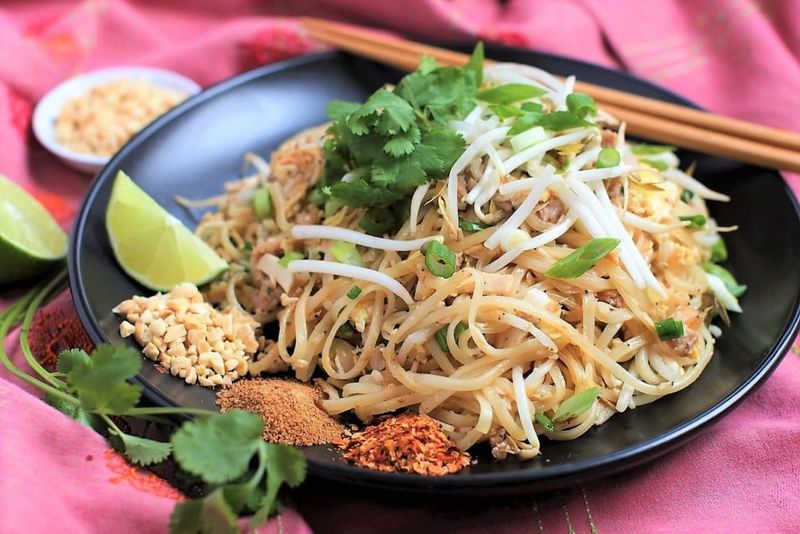
Chewy rice noodles tossed in a hot wok with a sweet-sour-salty sauce that caramelizes slightly, creating those coveted charred bits. The magic happens when tamarind paste meets fish sauce and palm sugar.
Bean sprouts add fresh crunch while crushed peanuts bring richness. Created in the 1930s as part of Thailand's national identity campaign, this street food staple cleverly solved rice shortages by popularizing noodles instead.
8. Falafel Wraps (Middle East)
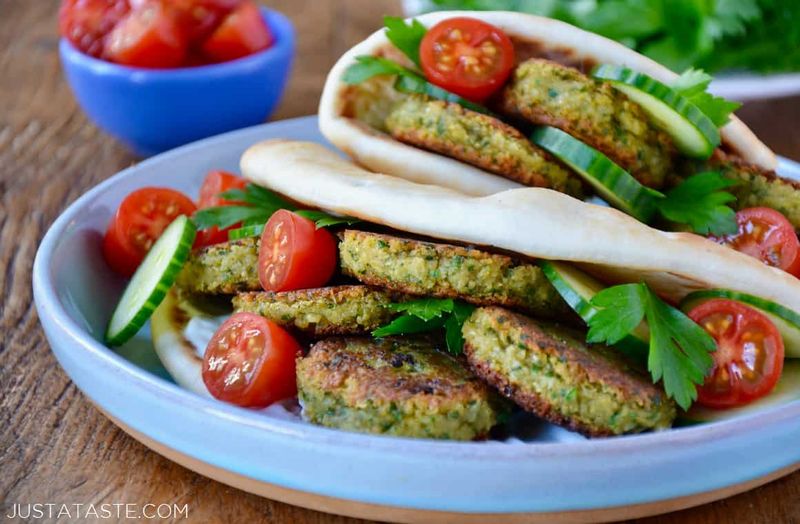
Crispy-on-the-outside, fluffy-on-the-inside chickpea fritters wrapped in warm flatbread with a rainbow of toppings. The secret to perfect falafel? Starting with dried chickpeas, never canned, and loading the mixture with fresh herbs.
These protein-packed bites have fueled Middle Eastern communities for centuries. Originally from Egypt, falafel spread throughout the Levant region, with each country developing its own signature spice blend and accompaniments.
9. Jollof Rice (West Africa)
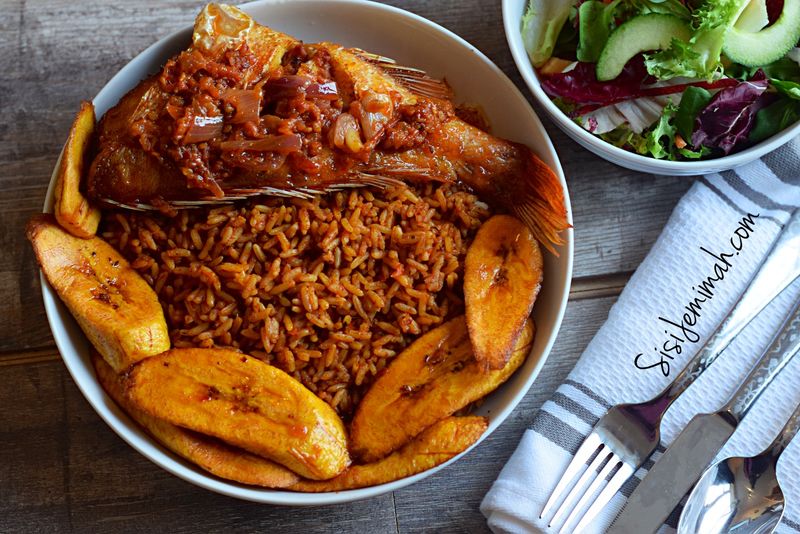
Vibrant red rice infused with tomatoes, peppers, and a complex blend of spices that vary from region to region. Long-grain rice soaks up all that flavor as it gently cooks in the aromatic base.
The source of friendly rivalry between Nigeria and Ghana, each country claims their version reigns supreme. This one-pot celebration dish is essential at West African gatherings, where it's often paired with fried plantains and grilled chicken.
10. Sushi Rolls (Japan)
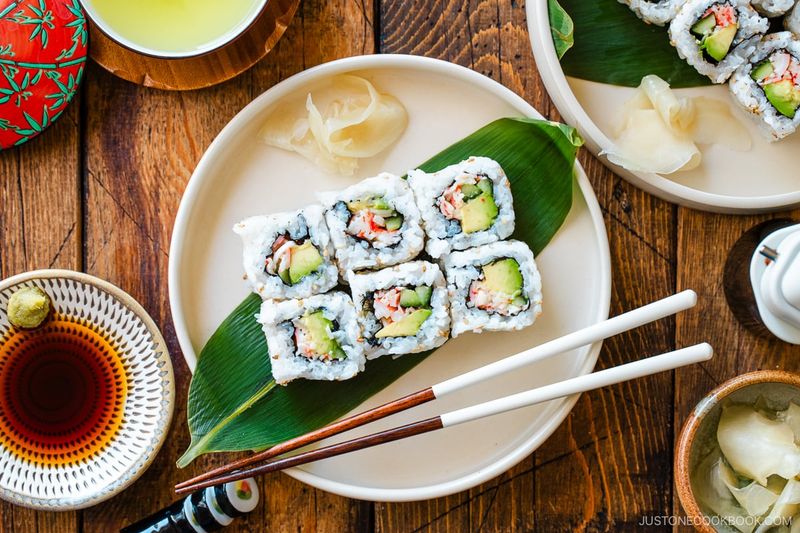
Perfectly seasoned rice hugs fresh ingredients in a seaweed embrace, creating edible art in bite-sized pieces. The balance of vinegared rice, crisp vegetables, and sometimes raw fish showcases Japan's reverence for simple, quality ingredients.
Originally a preservation method where fish was fermented in rice, sushi evolved into the fresh preparation we know today during the Edo period. The rice was once discarded after preserving the fish!
11. Swedish Meatballs (Sweden)
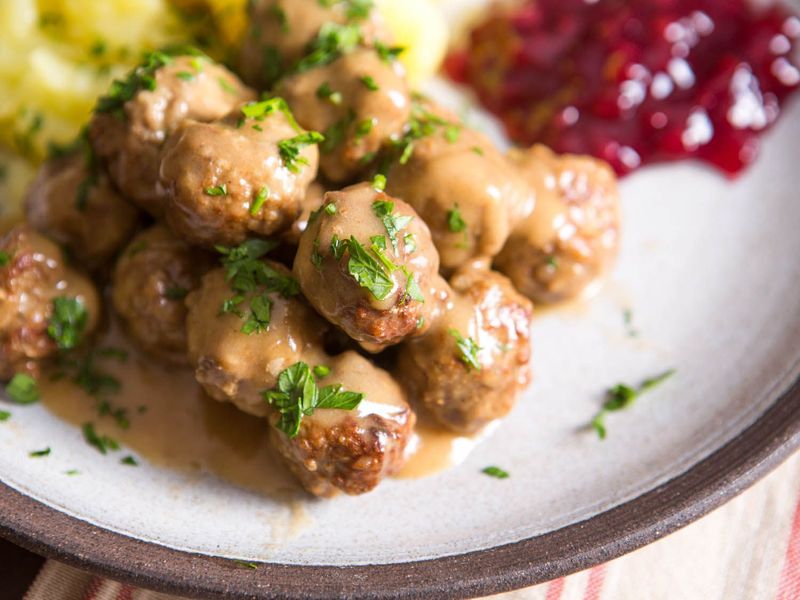
Petite orbs of seasoned beef and pork, gently spiced with nutmeg and allspice, then smothered in a velvety gravy. Unlike their Italian cousins, these Scandinavian treasures embrace warm spices rather than herbs.
Traditionally served with lingonberry jam, whose tart brightness cuts through the rich sauce perfectly. Swedish families guard their meatball recipes jealously, passing down techniques for achieving that signature light texture through generations.
12. Shakshuka (North Africa)
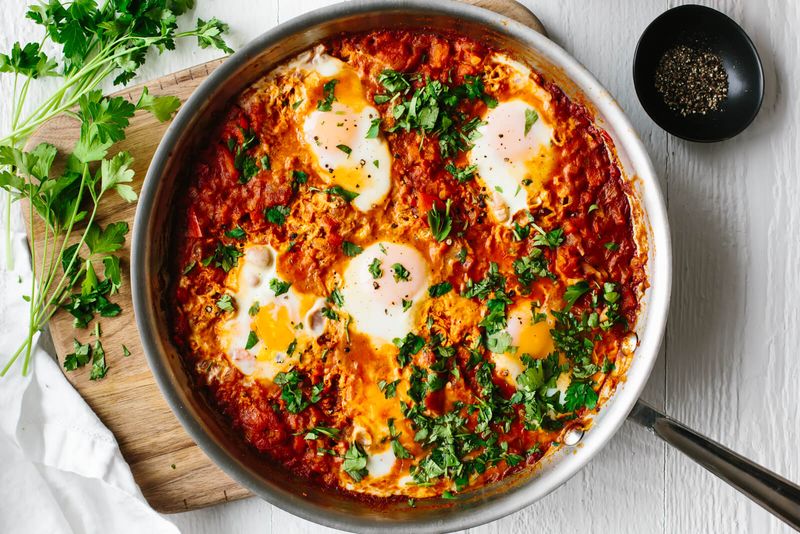
Eggs poached directly in a bubbling cauldron of spiced tomato sauce create this rustic one-pan wonder. The yolks remain gloriously runny, ready to burst and mingle with the aromatic sauce when pierced.
Born in Tunisia and embraced throughout North Africa and the Middle East, shakshuka (meaning 'mixture') was traditionally eaten from the communal cooking pan. Modern versions might include feta cheese or spicy merguez sausage for extra flavor.
13. Goulash (Hungary)
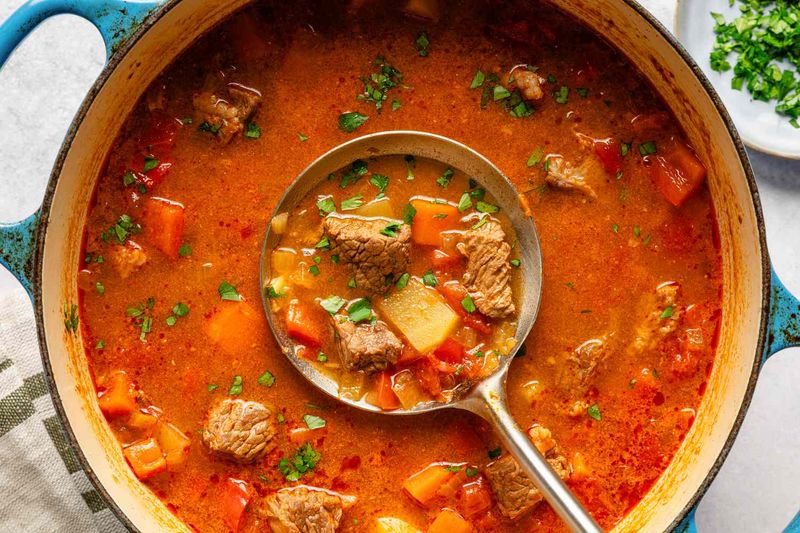
Ruby-red paprika transforms this hearty stew into Hungary's national treasure. Tender chunks of beef simmer slowly with onions and peppers until the flavors meld into something greater than their parts.
Originally cooked by Magyar shepherds over open fires in cast iron kettles, authentic goulash is somewhere between a soup and a stew. The distinctive smoky-sweet flavor comes from using genuine Hungarian paprika, which bears little resemblance to the dusty supermarket variety.
14. Vietnamese Pho (Vietnam)
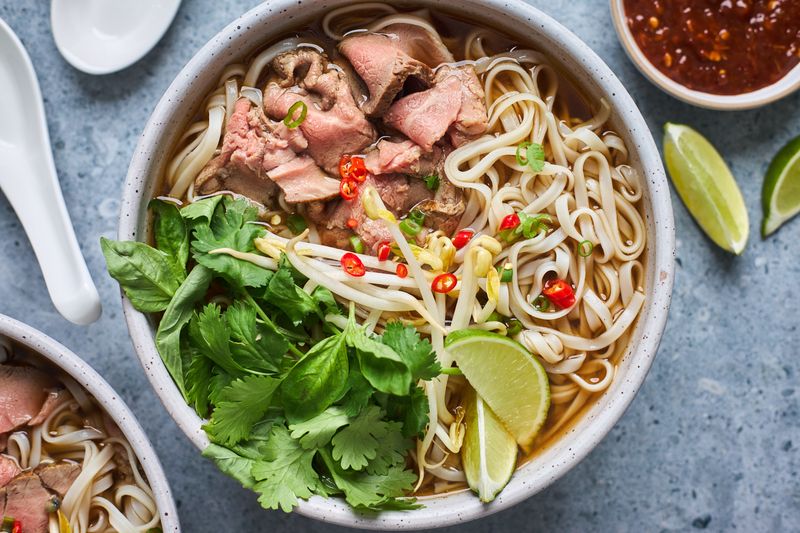
Clear yet complex beef broth simmered for hours with charred ginger, star anise, and cinnamon cradles delicate rice noodles and thinly sliced meat. The real magic happens at the table, where each diner customizes their bowl with handfuls of fresh herbs and condiments.
Born in northern Vietnam in the early 20th century, pho reflects the country's history—the French influence brought beef consumption, while Chinese trade introduced the rice noodles and spices.
15. Greek Moussaka (Greece)
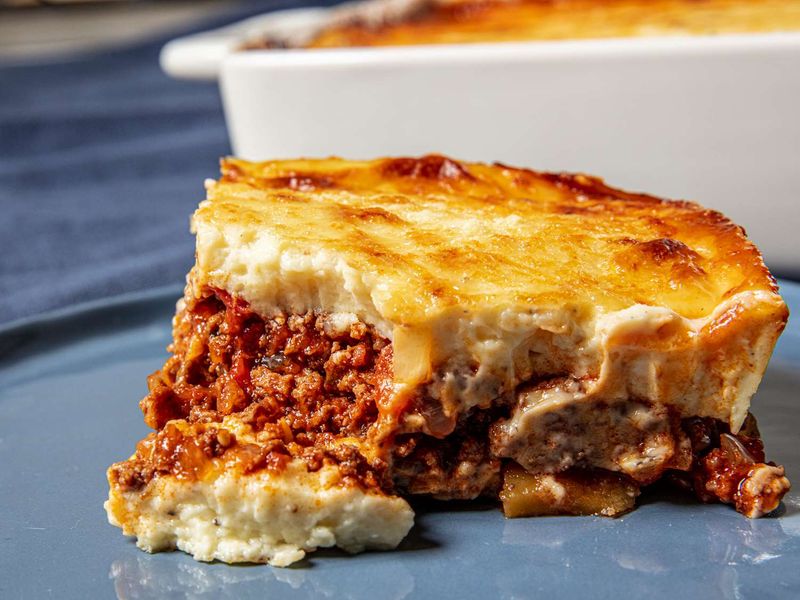
Layers of velvety eggplant, savory spiced lamb, and potatoes unite under a cloud of creamy béchamel sauce. When baked until golden and bubbling, the components transform into a cohesive dish that's greater than the sum of its parts.
Though often considered quintessentially Greek, moussaka was actually refined into its current form by chef Nikolaos Tselementes in the 1920s, who added the French béchamel topping to make it more appealing to Western palates.
16. Jamaican Jerk Chicken (Jamaica)
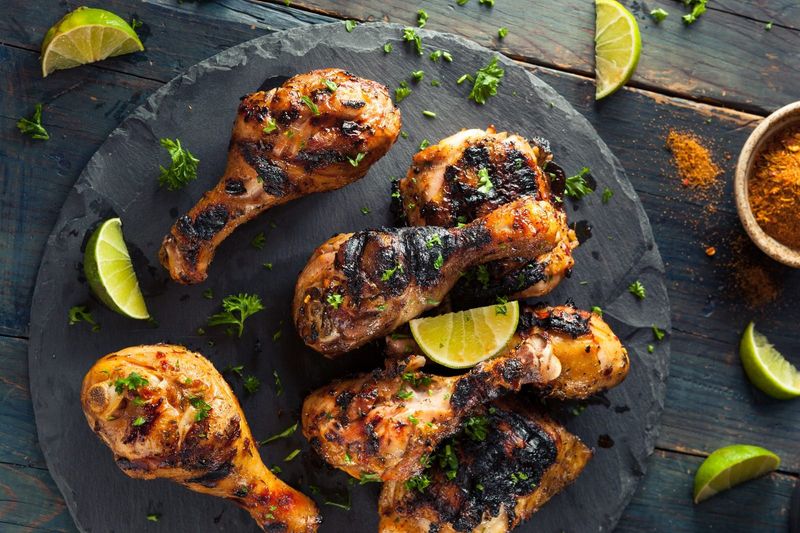
Chicken marinated in a fiery paste of Scotch bonnet peppers, allspice, thyme, and ginger develops an intoxicating aroma when grilled over pimento wood. The skin caramelizes into a blackened crust while the meat remains juicy and tender.
Developed by Maroons (escaped enslaved people) who used spices to preserve meat and disguise cooking smells while hiding in Jamaica's mountains. Traditional jerk stands across the island still use the same smoke-and-spice technique passed down through generations.