











Eating well can feel confusing when advice changes constantly and food labels tell half a story.
Whole foods quietly cut through the noise by focusing on ingredients that are closer to how nature intended them.
Understanding why they matter can make everyday food choices feel simpler and far more satisfying.
All information is provided for general interest only and should not be taken as medical or nutritional advice. Individual dietary needs vary, and anyone with health concerns should consult a qualified healthcare professional.
1. Better Nutrient Density

Whole foods come loaded with vitamins, minerals, and antioxidants that your body actually recognises and uses efficiently.
An apple gives you fibre, vitamin C, and natural plant compounds all working together.
Processed alternatives often lose nutrients during manufacturing.
Choosing whole foods means getting more nutritional bang for every bite you take.
2. Fewer Added Ingredients

Ever flip over a packet and see twenty ingredients you can't pronounce?
Whole foods skip that entirely.
You know exactly what you're eating because there's nothing hidden.
Fewer additives mean less work for your body to process and eliminate.
It's straightforward nutrition without the chemical guesswork that comes with heavily processed options.
3. More Natural Fibre Intake
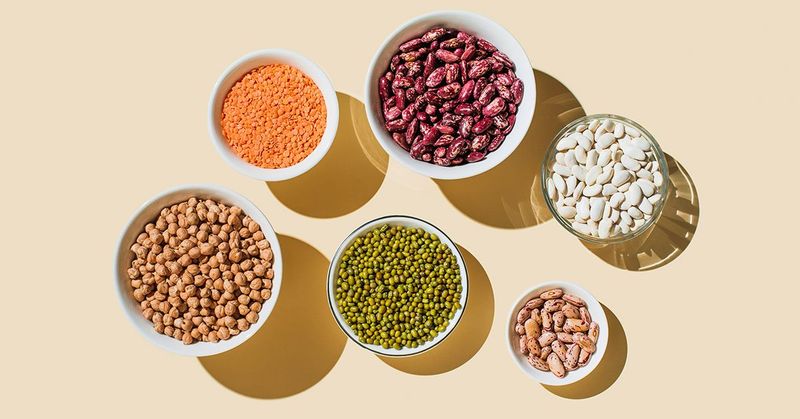
Fibre is the unsung hero of digestion, and whole foods deliver it in spades.
Beans, oats, and vegetables keep things moving smoothly through your system.
Refined foods strip away most of the fibre during processing.
Sticking with whole options ensures you're getting the roughage your gut needs to function properly and stay healthy.
4. Improved Digestive Health
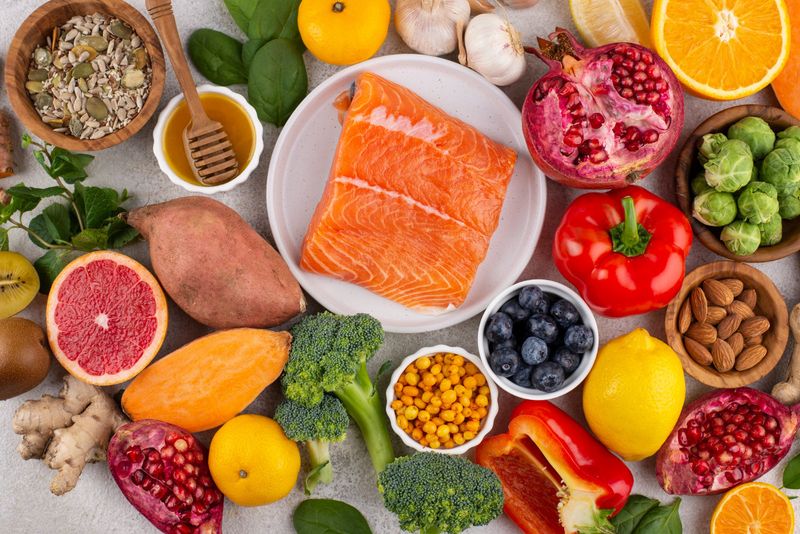
Your digestive system thrives on real, recognisable food.
Whole foods support the natural bacteria in your gut, helping everything work as it should.
Processed items can disrupt this delicate balance with additives and preservatives.
Real food feeds the good bacteria, reducing bloating and discomfort whilst promoting overall digestive wellness.
5. Better Blood Sugar Balance
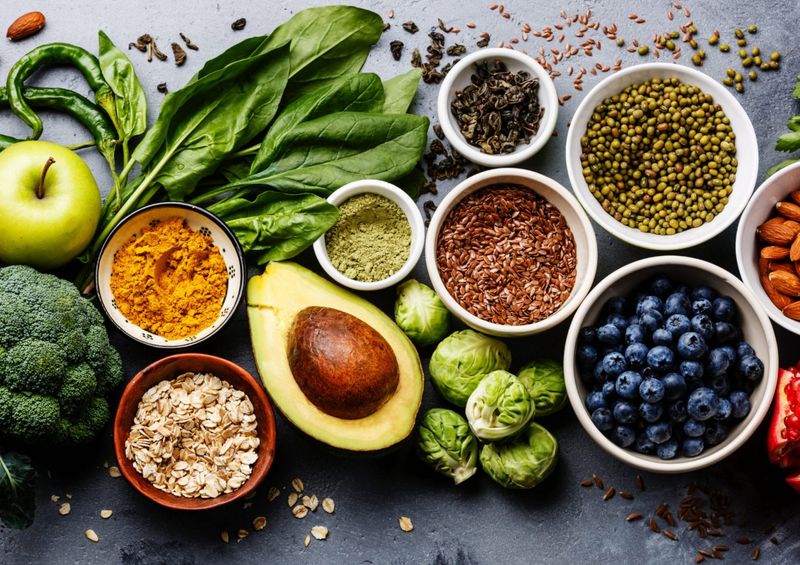
Whole foods release energy slowly, preventing the sugar spikes and crashes that leave you shaky and irritable.
Complex carbohydrates paired with natural fibre keep levels steady.
Refined foods hit your bloodstream fast, causing dramatic ups and downs.
Choosing whole options helps maintain consistent energy and reduces cravings throughout your day.
6. Longer-Lasting Energy Levels

Ever notice how a sugary snack leaves you tired an hour later?
Whole foods provide sustained fuel that keeps you going without the crash.
They contain complex nutrients that take time to digest and convert to energy.
This gradual release means you stay alert and productive for longer stretches without needing constant refuelling.
7. Stronger Connection To Hunger Cues

Whole foods help you tune into your body's natural hunger and fullness signals.
Their nutrient density satisfies you properly, so you're not constantly searching for something more.
Processed foods can override these cues with artificial flavours and additives.
Real food lets your body communicate clearly about what it needs and when it's had enough.
8. Reduced Reliance On Ultra-Processed Foods

Breaking free from ultra-processed foods becomes easier once whole foods become your go-to.
Your taste buds adjust, and suddenly, overly salty or sweet items don't appeal as much.
The more whole foods you eat, the less you crave the artificial stuff.
It's a positive cycle that supports better health without feeling like deprivation or sacrifice.
9. Supports Overall Gut Balance

Your gut contains trillions of bacteria that influence everything from mood to immunity.
Whole foods provide the prebiotics and nutrients these microbes need to flourish.
Processed foods can harm beneficial bacteria whilst feeding harmful strains.
Real, whole ingredients create an environment where good bacteria thrive, supporting your overall wellbeing from the inside out.
10. Naturally Lower In Added Sugars

Whole foods contain natural sugars that come packaged with fibre and nutrients, which slow absorption and prevent spikes.
Fruit satisfies your sweet tooth whilst nourishing your body.
Added sugars in processed items offer empty calories without benefits.
Choosing whole options means enjoying sweetness in its healthiest form, without the hidden sugars lurking in packaged goods.
11. Encourages Mindful Eating Habits

Preparing and eating whole foods requires more attention than tearing open a packet.
This naturally slows you down and makes you more aware of what you're consuming.
Mindful eating helps you enjoy food more and recognise when you're satisfied.
Whole foods support this practice by engaging your senses and encouraging a healthier relationship with meals.
12. Greater Variety Of Natural Vitamins And Minerals

Different whole foods offer unique nutritional profiles, encouraging you to eat a wider variety of vitamins and minerals.
Eating the rainbow isn't just pretty - it's practical nutrition.
Processed foods often rely on synthetic fortification rather than natural nutrients.
Whole foods deliver these essentials in their most bioavailable forms, exactly as nature intended them.
13. Supports Long-Term Eating Consistency
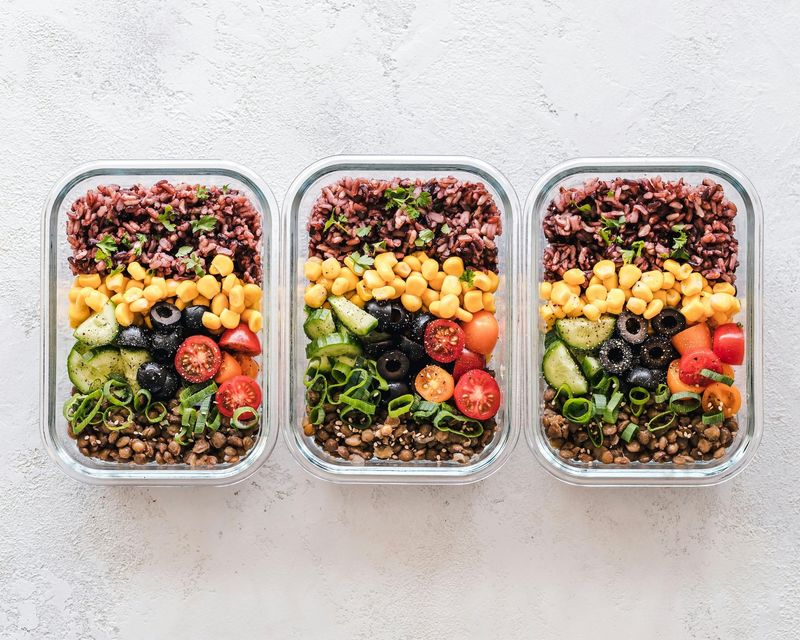
Whole foods aren't a fad diet - they're a sustainable way of eating you can maintain for life.
They're satisfying, versatile, and don't require complicated rules or restrictions.
This approach feels less like dieting and more like nourishing yourself properly.
Consistency becomes natural when you're eating real food that makes you feel good, day after day.