











Many people lace up trainers with big intentions, only to feel puzzled when progress stalls despite the effort. What ends up on the plate quietly shapes daily energy balance, hunger signals, and long-term habits in ways that workouts alone can’t always fix.
Small food choices add up faster than most expect, especially when routines get busy and convenience sneaks in. Understanding how eating patterns influence progress can make goals feel far more achievable and less frustrating.
All information is provided for general educational purposes only and is not intended as medical, fitness, or weight-loss advice. Individual results can vary depending on health status, activity level, and personal circumstances. For tailored guidance, a qualified healthcare or nutrition professional should be consulted.
1. Calorie Intake Control

Managing how much you eat is often more predictable than trying to burn off extra energy through movement alone. Portion sizes, food choices, and meal patterns quietly shape daily calorie balance in ways many people underestimate.
Small changes at the plate tend to create steady progress without needing dramatic lifestyle shifts. Being mindful of portions keeps eating habits realistic rather than exhausting.
Over time, consistency with food choices often feels easier to maintain than relying purely on exercise.
2. Portion Size Awareness

Most people underestimate how much they're actually eating, which is why portion control matters so much. Restaurant servings have grown dramatically over the past few decades, training our eyes to see oversized meals as normal.
Learning to recognise proper portions helps you eat less without feeling deprived. A simple trick is using smaller plates, which naturally reduces how much food you pile on whilst still satisfying your brain's visual expectations.
3. Hidden Sugars In Processed Foods
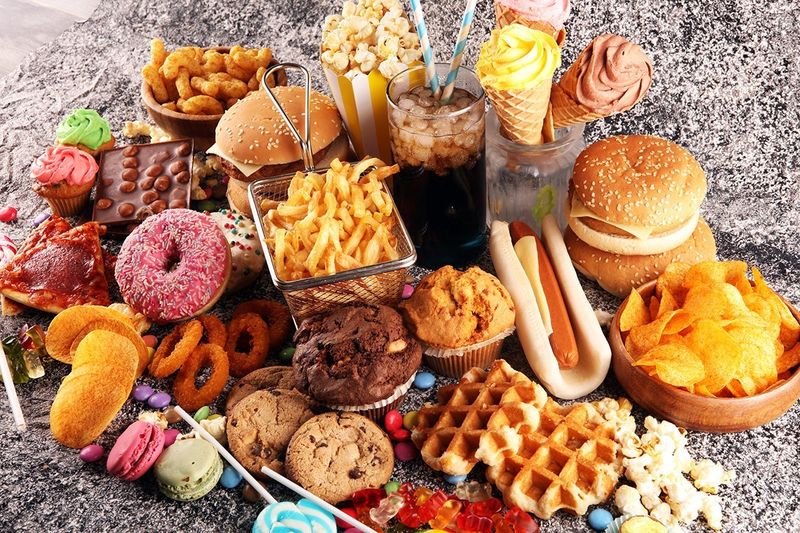
Sugars can hide in foods that don’t even taste particularly sweet, including sauces, ready meals, and packaged snacks. Ingredient lists often use several different names for sugar, which makes spotting them less straightforward.
These added sugars can increase overall calorie intake without providing much lasting fullness. Choosing more whole and minimally processed foods naturally reduces this hidden intake.
It also helps keep energy levels steadier throughout the day.
4. Liquid Calories From Drinks

Drinks can quietly contribute a surprising amount of energy because they don’t always trigger the same fullness signals as solid food. Sweetened beverages and speciality coffees are easy to consume quickly without much awareness of their impact.
The body often doesn’t compensate by reducing food intake later on. Choosing water, unsweetened tea, or simpler hot drinks can make daily intake easier to manage.
It’s a small swap that tends to feel effortless once it becomes routine.
5. Snacking Frequency
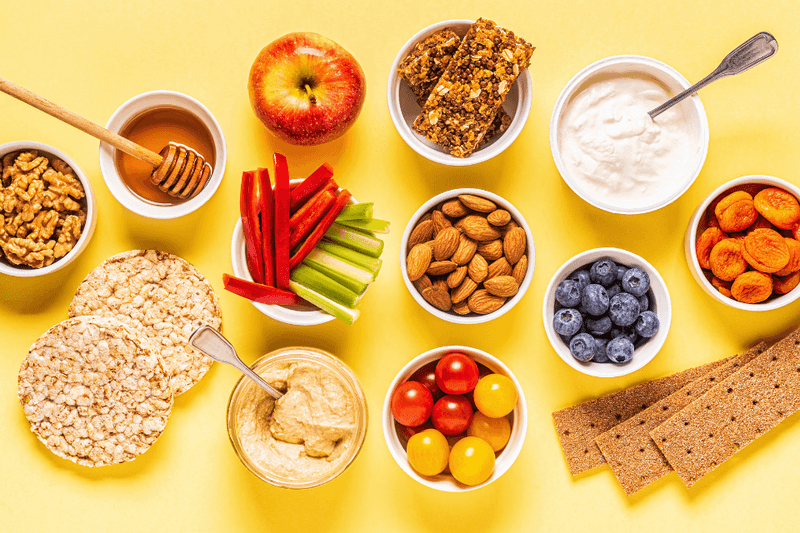
Constant grazing throughout the day adds up faster than you'd imagine, even when the snacks seem small and innocent. Each biscuit, handful of crisps, or piece of chocolate contributes calories that your brain barely registers as eating.
Reducing snack frequency gives your body time to actually use stored fat for energy between meals. Planning three proper meals instead of continuous nibbling helps control total calorie intake far more effectively than adding extra workout sessions.
6. Energy Density Of Foods
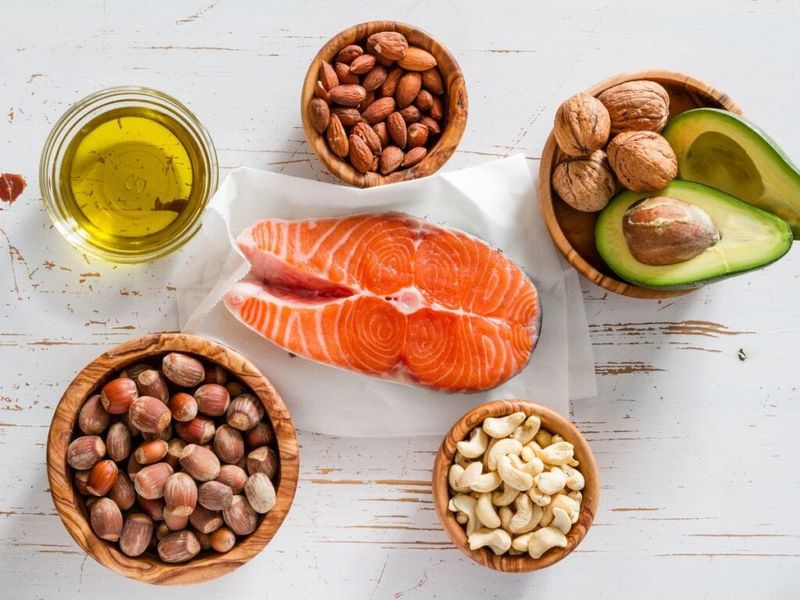
Foods with high energy density pack loads of calories into small volumes, making it ridiculously easy to overeat. A small serving of nuts or cheese can contain the same calories as a massive bowl of vegetables.
Choosing low energy-dense foods like fruits, vegetables, and lean proteins lets you eat larger, more satisfying portions whilst consuming fewer calories. This approach fills your stomach and satisfies hunger without requiring any additional physical activity to compensate.
7. Protein Intake And Satiety
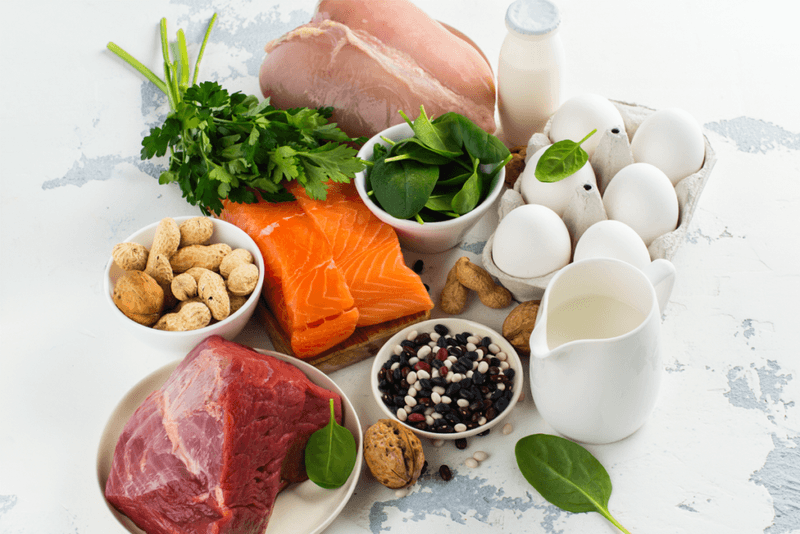
Protein is the most filling macronutrient, keeping you satisfied for hours after eating and reducing the urge to snack. When you eat adequate protein, your body releases hormones that signal fullness to your brain more effectively.
Higher protein intake also slightly increases your metabolism and helps preserve muscle mass during weight loss. Prioritising protein-rich foods like eggs, chicken, fish, and legumes naturally reduces overall calorie intake without feeling hungry or needing extra exercise.
8. Fibre Intake And Fullness
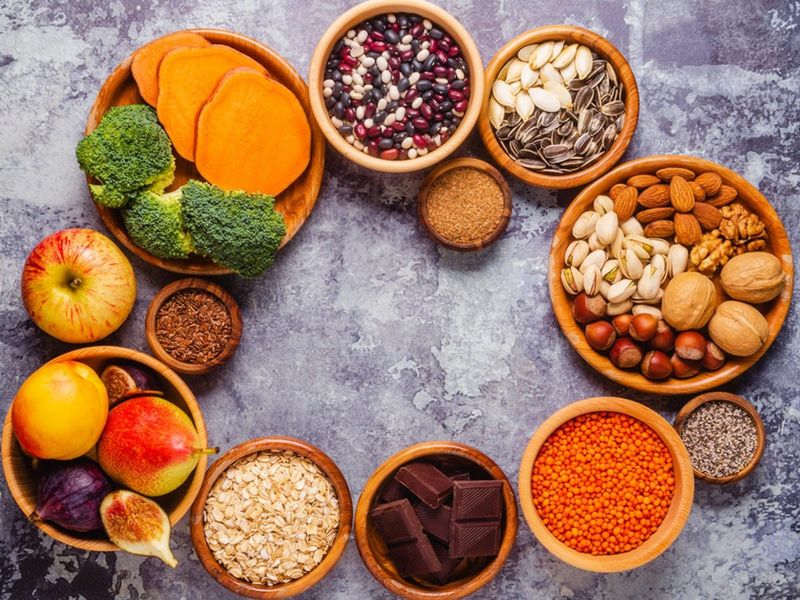
Fibre works like a sponge in your digestive system, absorbing water and expanding to create a lasting feeling of fullness. Foods rich in fibre take longer to chew and digest, naturally slowing down your eating pace.
This gives your brain time to receive fullness signals before you've overeaten. Loading up on vegetables, whole grains, and fruits means you'll feel satisfied on fewer calories, making weight loss easier without stepping foot in a gym.
9. Ultra-Processed Food Consumption
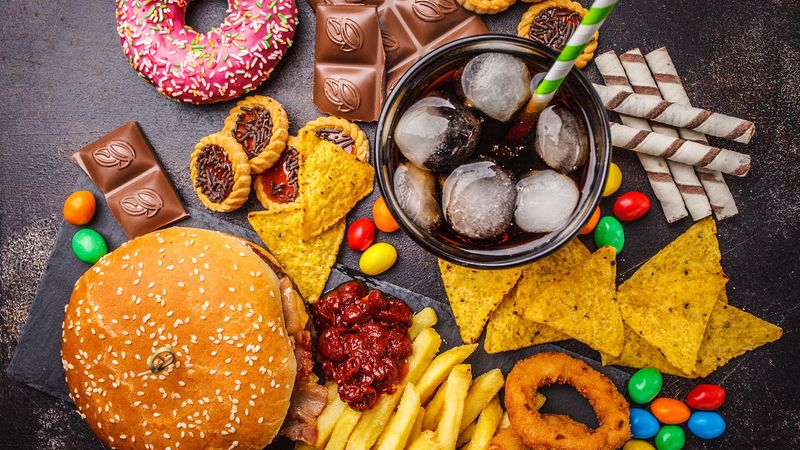
Ultra-processed foods are designed to be highly palatable, which can make portion control harder than expected. The combination of sugar, fat, salt, and texture encourages easy overconsumption in many people.
These foods also tend to be lower in fibre and protein, which normally help regulate fullness. Reducing reliance on packaged snacks and ready meals naturally shifts intake towards more satisfying options.
This often supports steadier appetite control without extra effort.
10. Meal Timing Consistency

Eating at regular times each day helps regulate your hunger hormones and prevents the ravenous feelings that lead to overeating. When meals are unpredictable, your body doesn't know when food is coming next.
This triggers increased hunger and cravings as a survival mechanism. Establishing a consistent eating schedule stabilises blood sugar levels and reduces overall calorie intake throughout the day, making weight management significantly easier without any additional physical activity required.
11. Cooking Methods And Added Fats

How food is cooked can significantly change its overall energy content. Oils, butter, and rich sauces add extra calories that are easy to underestimate during preparation.
Methods such as grilling, baking, steaming, or air frying often keep meals lighter while still delivering flavour. Becoming aware of added fats helps maintain balance without removing enjoyment from cooking.
Small adjustments in technique can quietly support long-term consistency.
12. Appetite Regulation Hormones

Your body produces hormones like leptin and ghrelin that control hunger and fullness, and your food choices directly influence these chemical messengers. Eating highly processed foods and simple carbohydrates disrupts these hormones, leaving you constantly hungry.
Whole foods, adequate protein, and healthy fats help keep these hormones balanced and working properly. When your appetite hormones function correctly, you naturally eat less without feeling deprived, making calorie control effortless compared to exercising off excess food.
13. Sleep And Hunger Regulation

Sleep plays an important role in regulating appetite hormones and daily energy levels. When rest is poor, cravings and decision-making around food often become harder to manage.
Consistent, good-quality sleep supports more stable hunger patterns and steadier mood. Feeling rested also makes it easier to stick to healthy routines throughout the day.
Sleep works best as part of a balanced lifestyle alongside sensible eating and regular movement.
14. Stress-Related Eating Patterns

Stress, boredom, and emotional pressure can influence eating habits even when physical hunger isn’t present. Comfort foods often become a coping mechanism during busy or overwhelming periods.
Recognising these patterns helps separate emotional cues from genuine hunger signals. Finding alternative ways to unwind or reset reduces the urge to snack automatically.
Over time, this creates a calmer and more intentional relationship with food.
15. Metabolic Adaptation To Calorie Intake

The body adapts gradually to long-term eating patterns rather than responding instantly to short-term changes. Very restrictive approaches can feel difficult to sustain and may affect energy levels and motivation.
Steady, balanced dietary habits tend to support a more predictable rhythm of appetite and activity. Nourishing the body consistently helps maintain everyday functioning without extremes.
Sustainable progress usually comes from patience rather than drastic swings.