









Protein often brings meat to mind, yet it shows up in far more places than most people realise.
Many everyday foods quietly contribute to protein intake without getting much attention at the shopping trolley or dinner table.
Shining a light on these overlooked options can make building balanced meals feel far more achievable.
All information is provided for general interest only and does not replace professional dietary advice. Nutritional needs differ between individuals, and food choices should be adapted accordingly.
1. Lentils

Lentils are budget-friendly, versatile, and quietly dependable when it comes to protein.
A cooked portion provides a solid protein contribution while also offering fibre that helps meals feel more filling.
They come in several varieties, each bringing a slightly different texture to soups, stews, and sauces.
Quick to cook and easy to use, lentils fit neatly into everyday meals without much planning.
2. Chickpeas
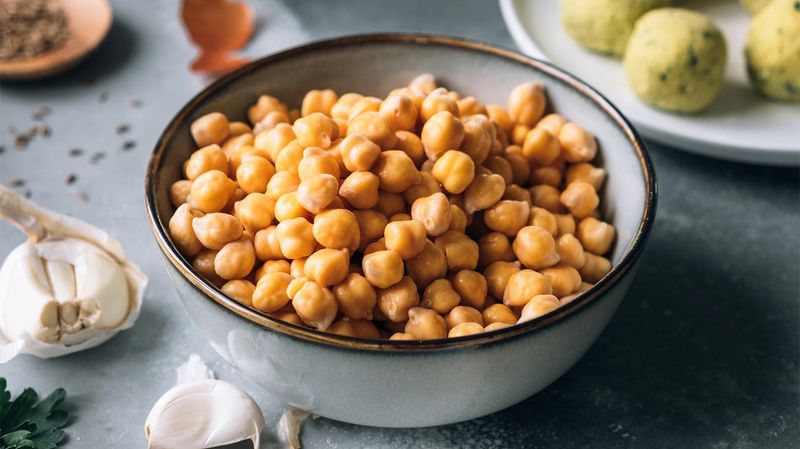
Chickpeas are a staple worth paying attention to, especially for plant-based protein.
In their dried form, they provide a substantial amount of protein alongside plenty of fibre.
Their mild, nutty flavour makes them easy to use in everything from salads to curries.
Once cooked, they become one of the most flexible ingredients you can keep in the cupboard.
3. Black Beans
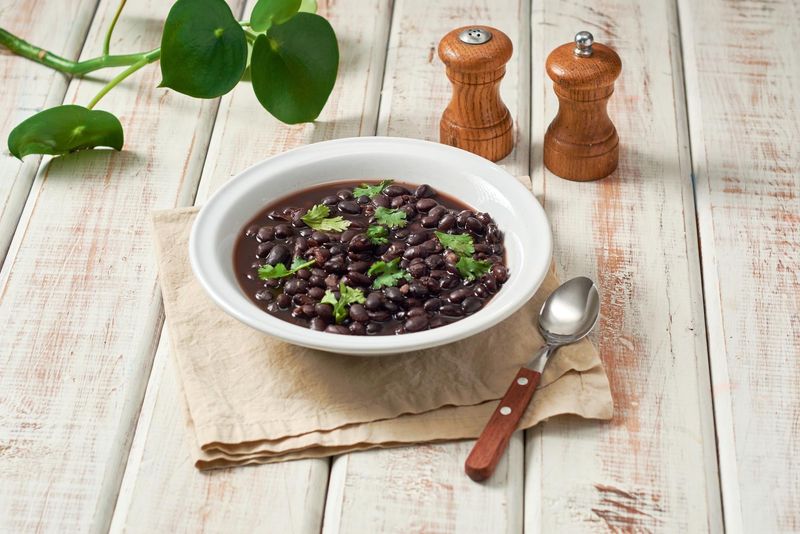
Black beans bring both richness and protein to meals, even though they rarely get centre stage in British cooking.
In dried form, they offer a high protein content that supports balanced eating.
Their creamy texture works well in soups, stews, and plant-based patties.
They’re especially useful when you want something filling that doesn’t rely on meat.
4. Butter Beans
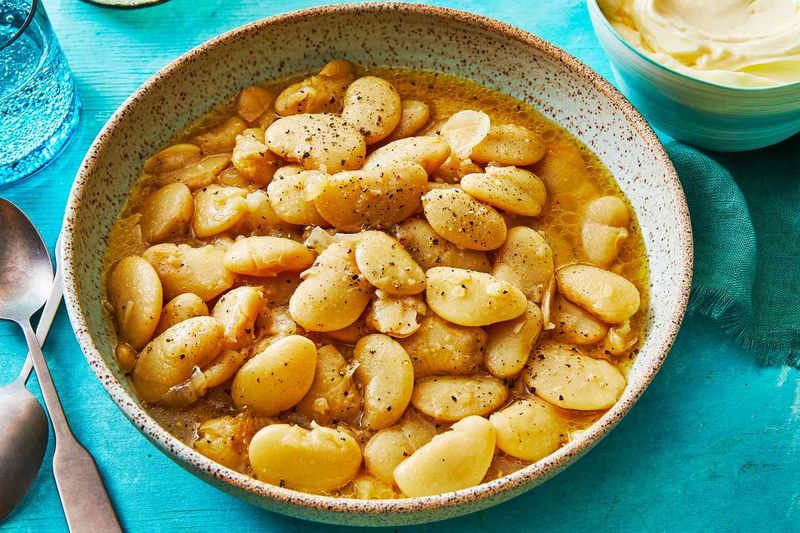
Soft, buttery, and surprisingly filling, these pale giants contain around 7 grammes of protein per 100 grammes when cooked.
Their velvety texture makes them perfect for mashing or adding to casseroles.
Toss them with garlic and rosemary for a simple side dish, or blend them into dips.
Kids often love their mild, comforting flavour too.
5. Tofu
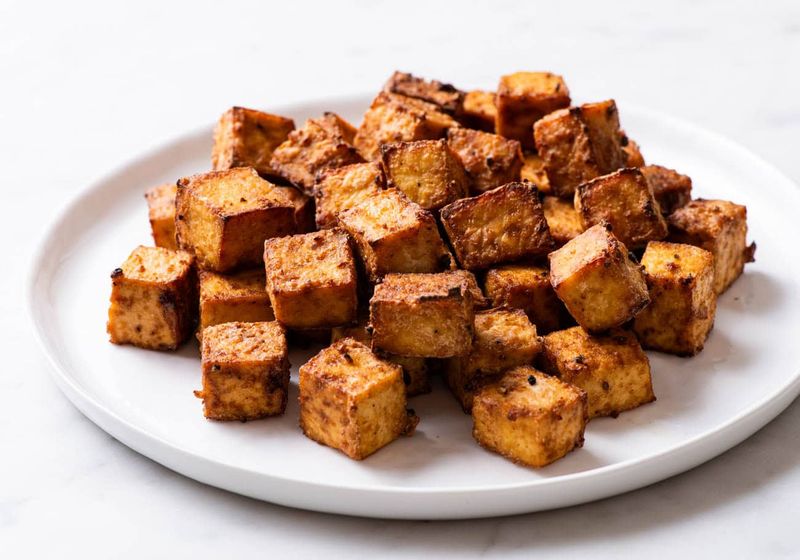
Made from soya beans, tofu packs roughly 8 grammes of protein per 100 grammes and acts like a flavour sponge.
Press it firmly, then fry until golden for a satisfying crunch.
Marinate it in soy sauce, ginger, and garlic before grilling, or crumble it into scrambles.
Once you nail the cooking technique, you'll wonder why you avoided it.
6. Tempeh
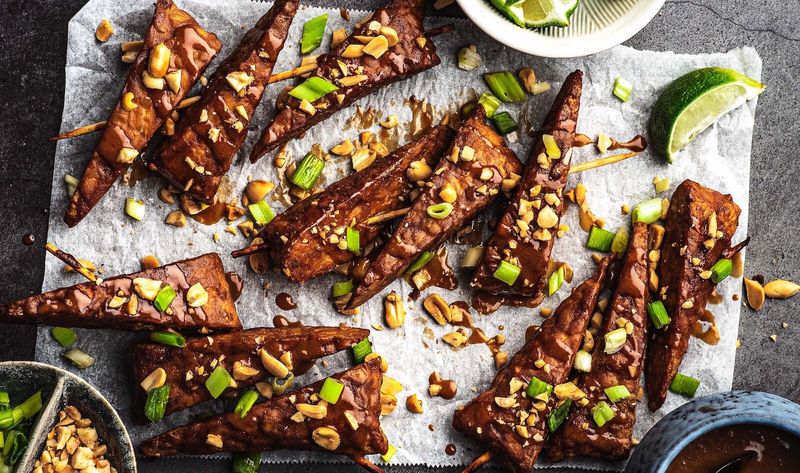
Fermented soya beans create this nutty, firm cake that delivers about 19 grammes of protein per 100 grammes.
Unlike tofu, tempeh has a distinctive earthy flavour and satisfying bite.
Slice it thinly and fry until crispy for sandwiches, or crumble it into pasta sauces.
The fermentation process also makes it easier to digest than regular soya products.
7. Edamame Beans
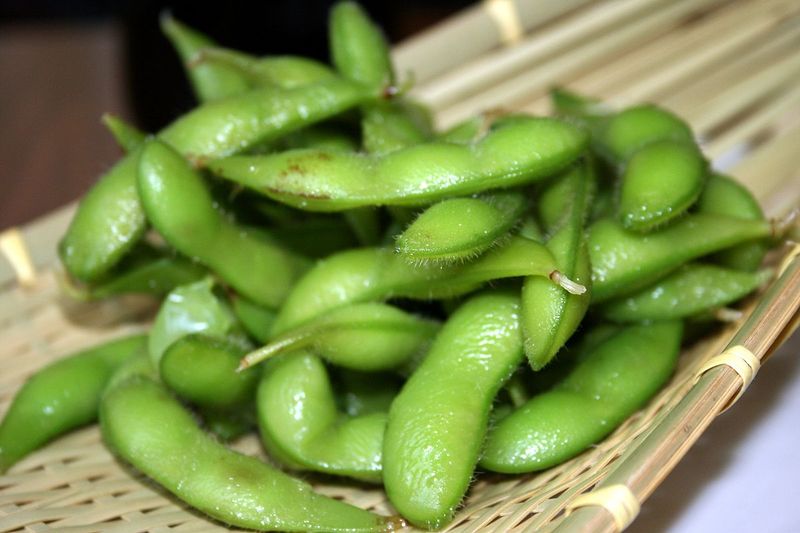
These young soya beans taste like summer in a pod.
With around 11 grammes of protein per 100 grammes, they make a brilliant snack or starter when boiled and sprinkled with sea salt.
Pop them straight from the freezer into boiling water for five minutes.
Shell them into salads, stir-fries, or rice bowls for a pop of colour and nutrition.
8. Cottage Cheese
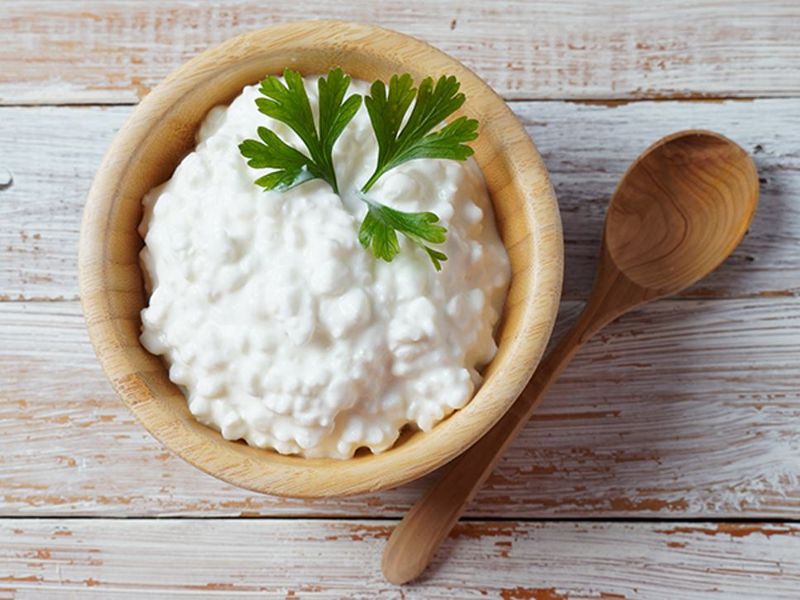
Your nan might remember this retro favourite, but it deserves a comeback.
Cottage cheese boasts roughly 11 grammes of protein per 100 grammes and works brilliantly beyond boring diet plates.
Spread it on toast with tomatoes, blend it into smoothies for creaminess, or dollop it onto baked potatoes.
The mild flavour pairs with both sweet and savoury toppings.
9. Skyr
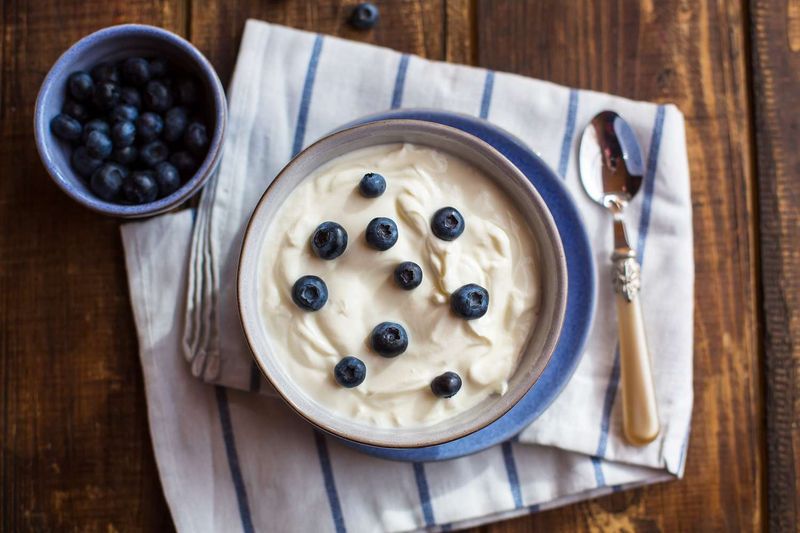
This Icelandic dairy product technically counts as cheese but eats like yogurt.
Skyr contains an impressive 10 grammes of protein per 100 grammes and barely any fat.
Its thick, creamy texture makes it perfect for breakfast bowls topped with fruit and granola.
Use it in baking to replace sour cream, or eat it straight from the pot when you need a protein boost.
10. Greek-Style Yogurt
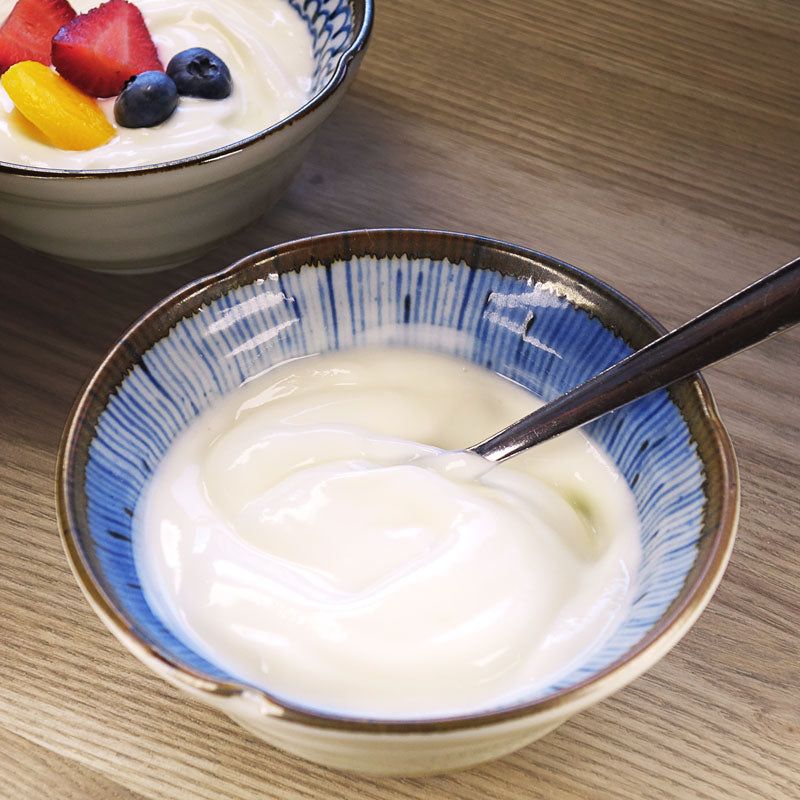
Strained to remove excess whey, Greek-style yogurt delivers about 10 grammes of protein per 100 grammes.
Its tangy richness makes it far more satisfying than regular yogurt.
Swirl it into curries instead of cream, use it as a baked potato topping, or layer it with fruit for a quick dessert.
Look for full-fat versions for the best flavour and texture.
11. Pumpkin Seeds
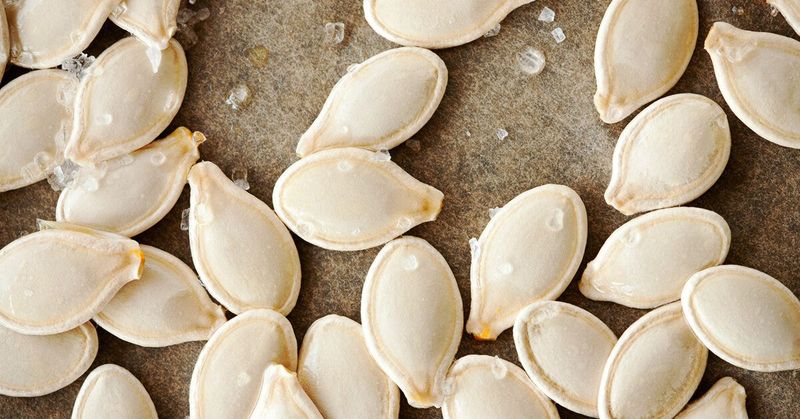
Don't toss those Halloween pumpkin innards!
The seeds contain roughly 19 grammes of protein per 100 grammes when dried.
Their slightly sweet, nutty flavour adds lovely crunch to meals.
Sprinkle them over porridge, salads, or soup for extra texture.
Roast them with spices for a moreish snack, or grind them into pesto for an interesting twist.
12. Hemp Seeds
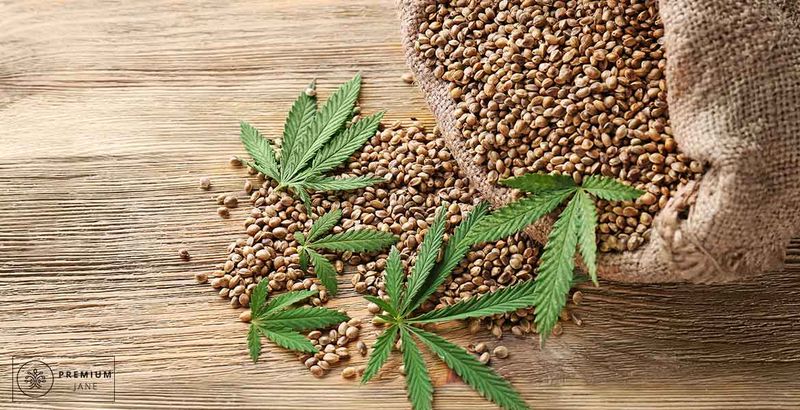
Hemp seeds may be small, but they offer a generous protein boost for their size.
They also contain all the essential amino acids, which is relatively rare among plant foods.
Their mild flavour makes them easy to sprinkle into meals without changing the taste.
Because they need no cooking, they’re an effortless way to add extra nutrition to busy days.
13. Quinoa
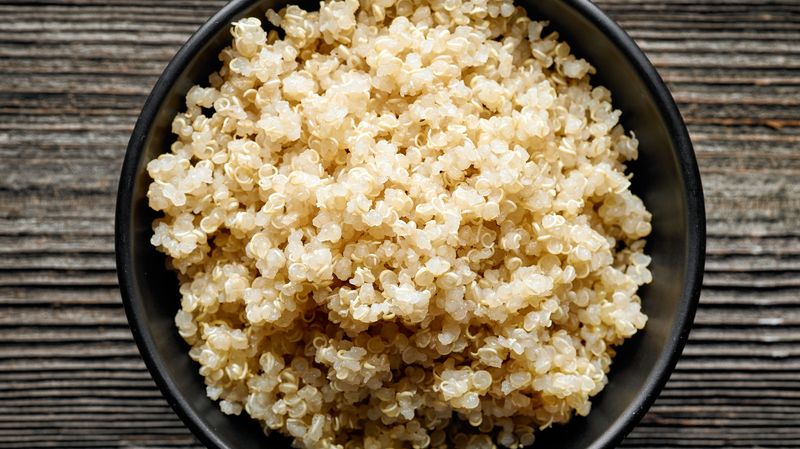
Pronounced keen-wah, this ancient grain isn't actually a grain at all but a seed.
It offers around 4 grammes of protein per 100 grammes cooked, plus all essential amino acids.
Use it instead of rice or couscous for a fluffy, slightly nutty side dish.
It cooks in just 15 minutes and works beautifully in salads, bowls, or even porridge.
14. Buckwheat
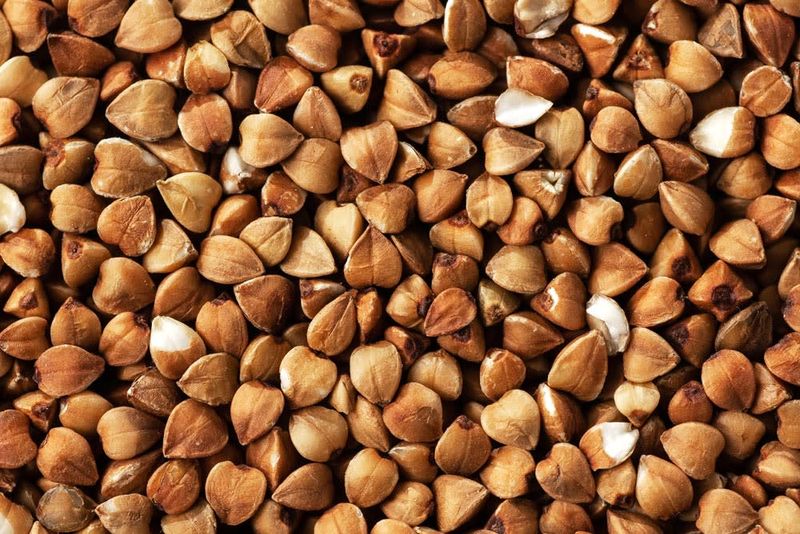
Despite its name, buckwheat contains no wheat and isn't even a grain.
These pyramid-shaped seeds deliver about 13 grammes of protein per 100 grammes dried and have a distinctive earthy flavour.
Cook the groats like porridge for breakfast, or use buckwheat flour for pancakes and noodles.
It's naturally gluten-free, making it brilliant for those avoiding wheat.
15. Sardines

Sardines are a compact source of protein, omega-3 fats, and calcium thanks to their soft edible bones.
They’re widely available and often more affordable than many larger fish.
Because they’re sold ready to eat, they make quick meals or snacks easy to pull together.
For anyone looking to boost protein without much preparation, sardines are a practical option.