









Many millennials remember stopping off at the shop after school in the early 2000s, choosing the brightest, boldest snacks on the shelf. It was a decade full of colourful flavours and sugary treats that felt like pure childhood joy.
But over time, some of those familiar favourites slowly disappeared due to changing food regulations, concerns over additives, and shifts in health guidance. The snacks may be gone, but the memories are still very much alive.
This article is for general informational and nostalgic purposes only. Product availability, ingredients, and regulations have changed over time and can vary by region. Images are for illustrative purposes and do not imply current production or endorsement.
1. Panda Pops
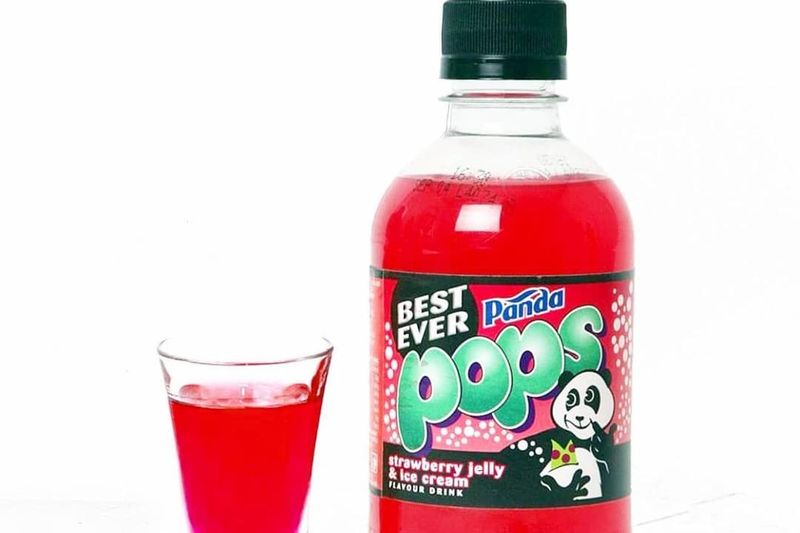
Back in the day, these fizzy drinks were absolutely everywhere in British corner shops, with their ridiculously bright colours and pocket-friendly prices. Kids loved them because they came in flavours like strawberry, cola, and cream soda, all for about 20p a pop.
The trouble started when new regulations targeting artificial colourings and sweeteners came into force. Panda Pops contained loads of the stuff that suddenly became controversial, particularly certain E numbers linked to hyperactivity in children. Rather than reformulate the entire range, the brand quietly faded from shelves around 2011, leaving a generation gutted and nostalgic for those neon-coloured bottles.
2. Yogos
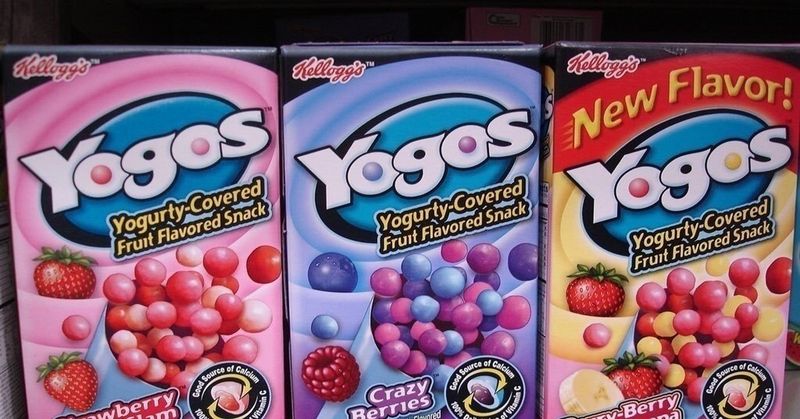
Picture this: tiny, brightly coloured balls that claimed to be yogurt-covered fruit snacks but tasted more like pure sugar magic. Yogos were marketed as a healthier option, which was laughable considering how much artificial colouring and additives they actually contained.
When stricter food labelling laws and health standards kicked in during the late 2000s, Kellogg's faced mounting pressure. The snacks were packed with controversial ingredients that didn't sit well with new regulations around children's food. By 2010, Yogos had vanished from British and American shelves alike, leaving behind only fond memories and sugar-stained fingers.
3. Pepsi Blue
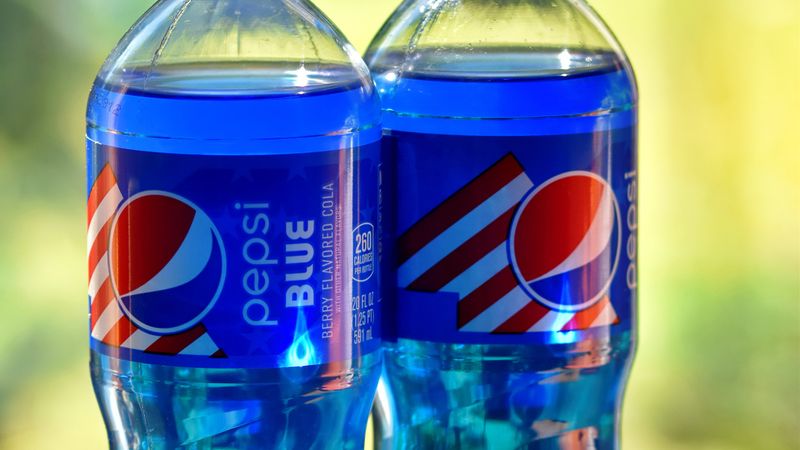
Nothing screamed early 2000s quite like a fizzy drink that looked like it belonged in a science lab. Pepsi Blue hit shelves in 2002 with its electric blue colour and berry flavour, becoming an instant cult classic among teenagers who wanted something properly outrageous.
The drink's downfall came from its reliance on Blue 1, an artificial colouring that faced increased scrutiny as health regulations tightened. Combined with concerns about high sugar content and the general shift towards more natural ingredients, Pepsi quietly discontinued the product by 2004. Nowadays, it occasionally pops up as a limited release, but those original bottles remain legendary.
4. Squeezit
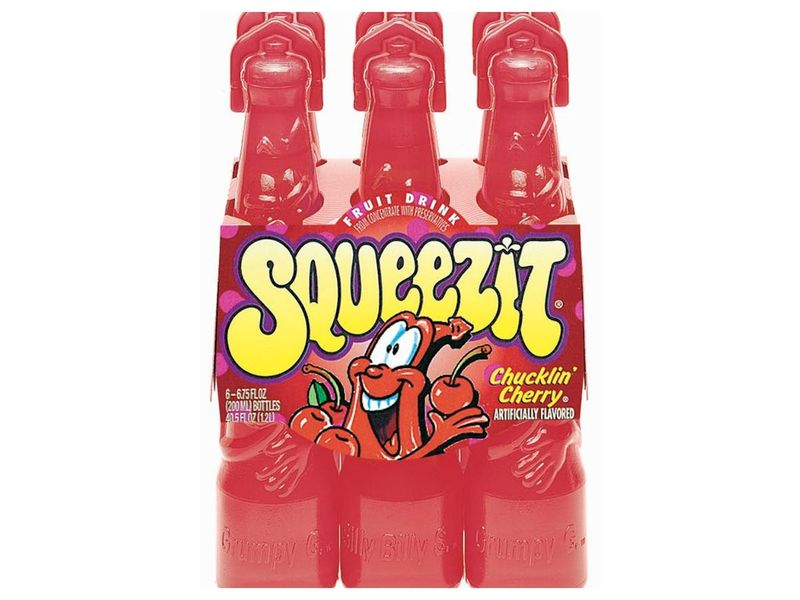
If you grew up in the 2000s, you'll remember these brilliantly designed bottles that you could actually squeeze to spray juice directly into your mouth. Squeezits were absolutely everywhere, from packed lunches to birthday parties, and they came in flavours that were more artificial than a reality TV show.
The problem was those very same artificial flavours and colours that made them so appealing. When regulations around food dyes and sugar content in children's drinks became stricter, General Mills struggled to keep up. By 2001, Squeezits had been squeezed off shelves for good, though nostalgic millennials still talk about them fondly.
5. Wonder Ball
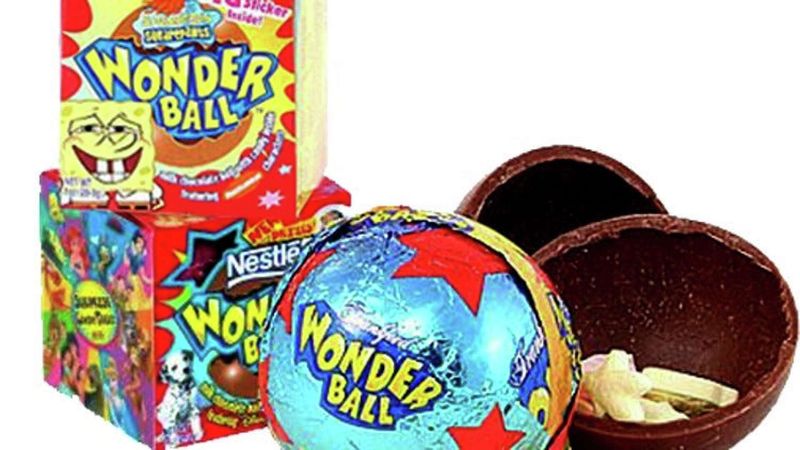
Imagine a hollow chocolate ball filled with sweets and sometimes even small toys – that was the Wonder Ball, and it was absolutely brilliant. Originally launched in the 90s, it made a comeback in the early 2000s but faced constant regulatory headaches over choking hazards and toy safety standards.
European and British toy safety regulations became increasingly strict, particularly around small parts in food products aimed at children. The combination of choking concerns and evolving food safety rules meant Wonder Balls kept getting pulled and reformulated. Eventually, Nestlé gave up entirely around 2007, though the concept occasionally resurfaces in different forms.
6. Butterfinger BB's
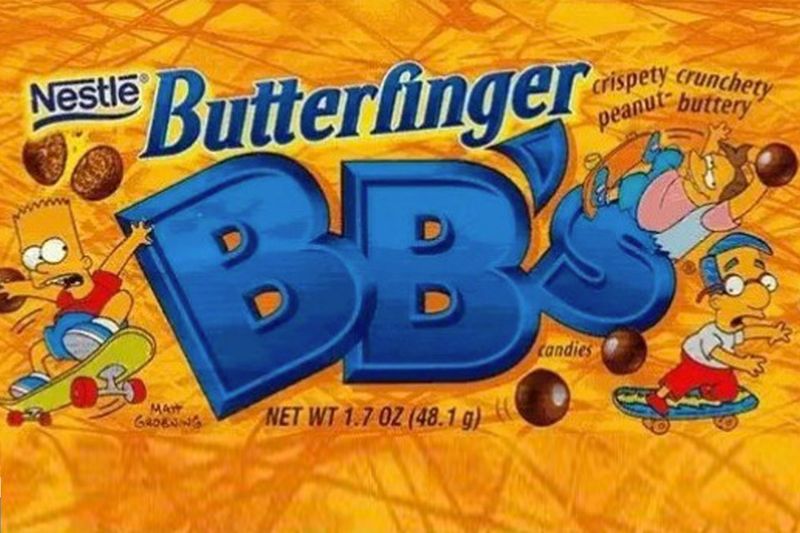
These bite-sized versions of the classic Butterfinger bar were absolutely addictive, with their crunchy peanut butter centres coated in chocolate. Launched in the 90s and hugely popular through the early 2000s, they were the perfect cinema snack or lunchbox treat.
However, changing manufacturing regulations and stricter standards around partially hydrogenated oils (trans fats) created problems. Nestlé faced pressure to reformulate or discontinue products containing these controversial ingredients. Rather than rework the recipe, Butterfinger BB's quietly disappeared from shelves around 2006, replaced eventually by Butterfinger Bites – which, let's be honest, just weren't the same.
7. Betty Crocker Fruit Snacks
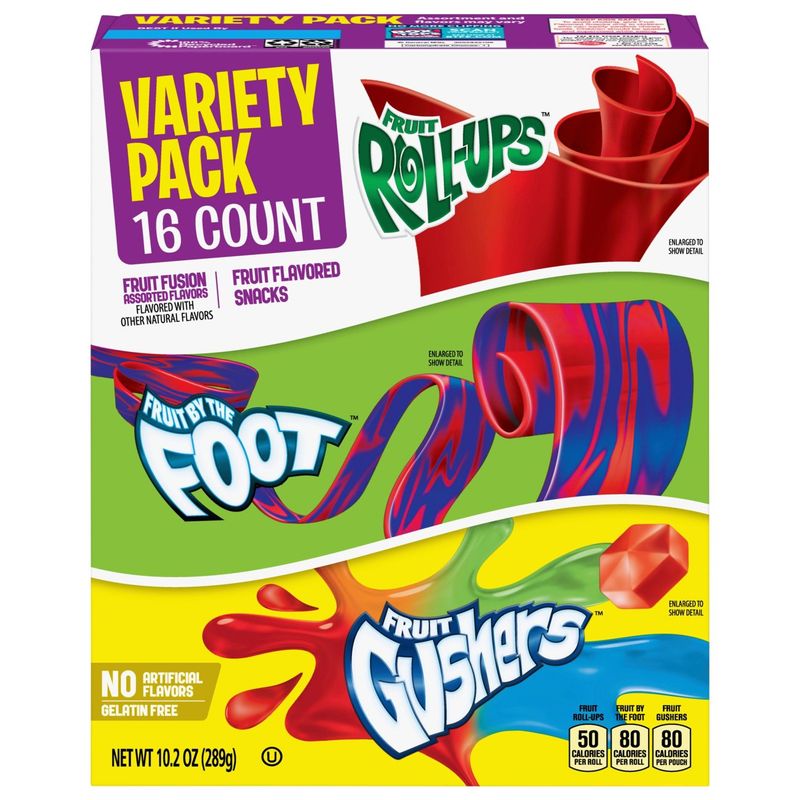
Not all Betty Crocker fruit snacks vanished, but certain varieties absolutely did – particularly those with the most outrageously bright colours and artificial flavours. Kids adored the ones shaped like cartoon characters, which were basically gummy sweets masquerading as fruit.
When regulations around artificial food dyes tightened, especially concerning certain E numbers linked to hyperactivity, manufacturers had to choose between reformulation or discontinuation. Several varieties of Betty Crocker fruit snacks containing Red 40, Yellow 5, and other controversial colourings were quietly pulled between 2008 and 2010. The remaining products switched to natural colourings, but they never quite matched that unnaturally vibrant appeal.
8. Trix Yogurt
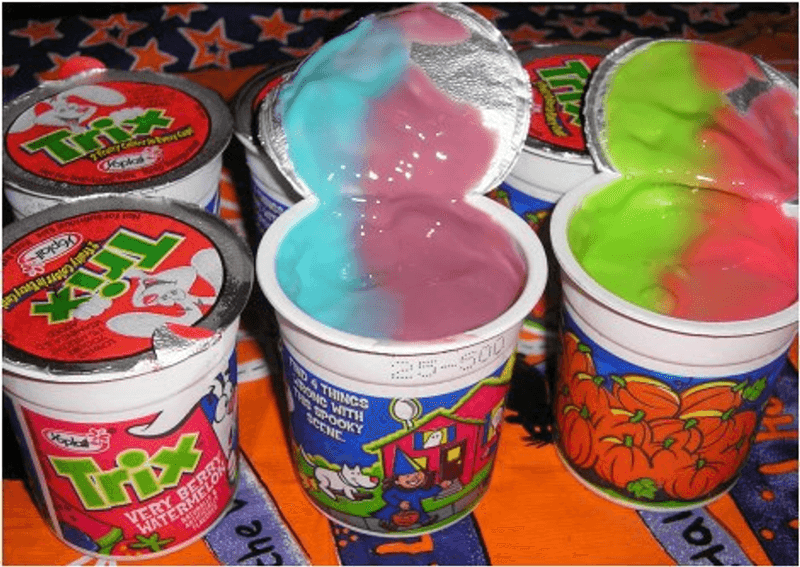
This wasn't your standard yogurt – Trix Yogurt came in ridiculously bright colours that looked more like paint than dairy, with swirls of pink, blue, and green that absolutely fascinated children. The yogurt rode the wave of fun, colourful foods that dominated the early 2000s.
As with many products on this list, artificial food colourings proved to be its undoing. When regulations around additives in children's food became stricter, and parents grew increasingly concerned about what their kids were eating, Yoplait faced pressure. By 2016, Trix Yogurt had been reformulated with natural colours, but the original vibrant version from the 2000s was long gone.
9. Cadbury's Dream White Chocolate Bar
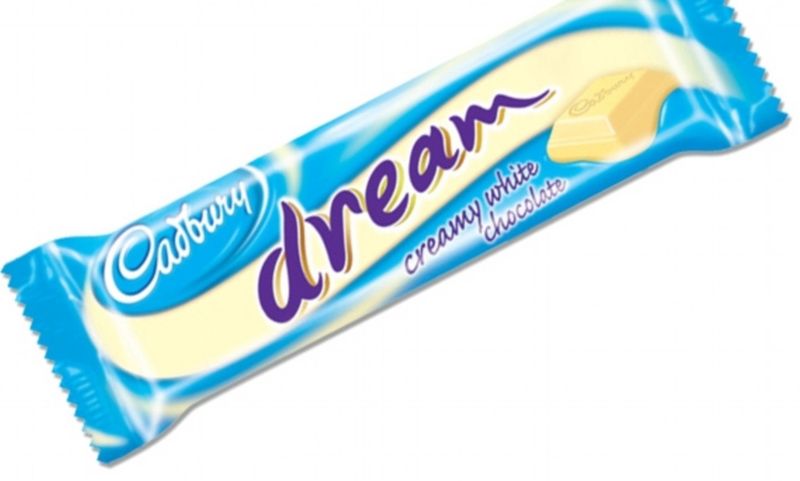
Alright, this one might surprise you – Cadbury's Dream was a proper white chocolate bar that launched in 2002 and quickly gained a devoted following. It had a creamy, sweet flavour that was different from anything else Cadbury offered at the time.
The bar contained certain vegetable fats and additives that came under scrutiny as regulations around chocolate composition and labelling tightened across Europe. Changes to what could legally be called chocolate, combined with shifting consumer preferences towards darker, less processed options, sealed its fate. By 2011, Dream bars had quietly disappeared from British shops, though Cadbury occasionally brings them back as limited editions.