









Food might be a universal language, but not every bite is spoken fluently across borders. Some everyday snacks and ingredients have landed on banned lists around the world – sometimes for safety reasons, other times due to cultural or environmental concerns.
From innocent-looking popcorn to surprisingly controversial delicacies, these bans show just how differently nations define what’s safe, ethical, or acceptable to eat.
This article is for general informational purposes only. Food regulations and bans vary by country and may change over time. Always check local import and food safety laws before travelling or purchasing restricted items. Images are for illustrative purposes and may not represent banned versions of the foods.
1. Popcorn
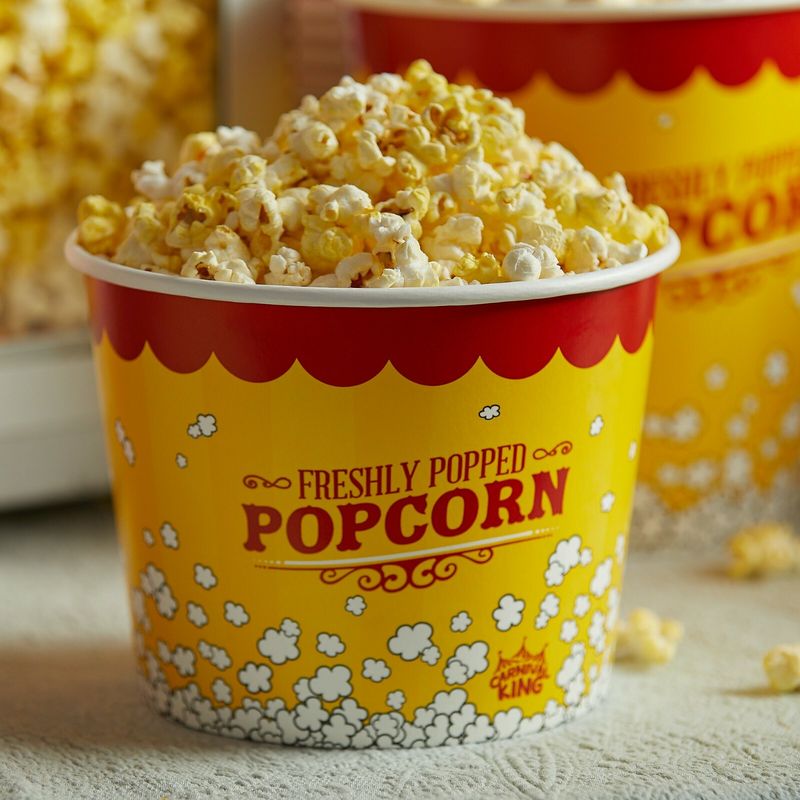
Cinema halls in parts of Saudi Arabia once found themselves in a bit of a dilemma over this beloved snack. Authorities feared that loud crunching would disturb filmgoers, leading to temporary restrictions in some venues.
While the ban wasn’t permanent, it sparked plenty of debate about cinema etiquette. The idea of watching a film without a bucket of buttered popcorn might horrify many, especially in countries where munching through the trailers is practically a tradition.
2. Haggis
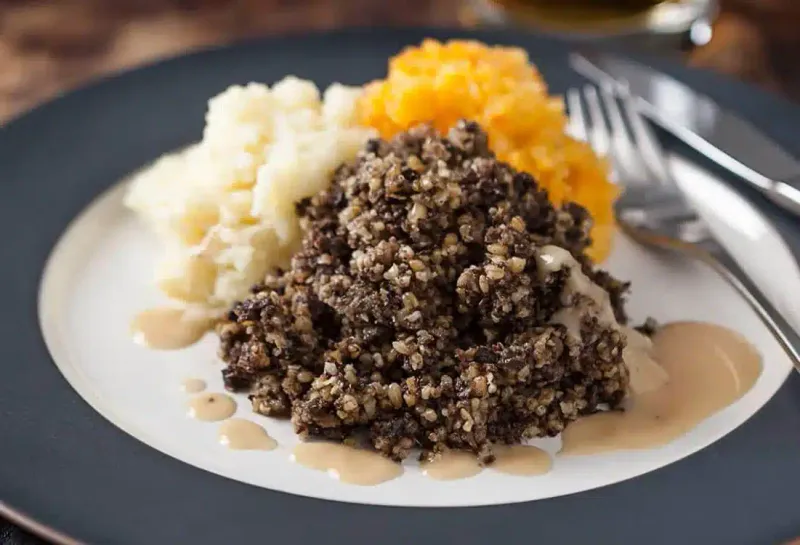
Scotland’s national dish has been banned in the United States since 1971 due to restrictions on sheep lung imports. Traditional haggis includes lung, heart, and liver mixed with oatmeal and spices, all cooked inside a sheep’s stomach.
The rule was introduced over health concerns about scrapie, a disease affecting sheep, though many call it excessive. Lung-free versions exist for export, but purists insist they’re not the real thing. For Scots abroad, an authentic Burns Night often involves smuggling in the genuine article.
3. Foie Gras
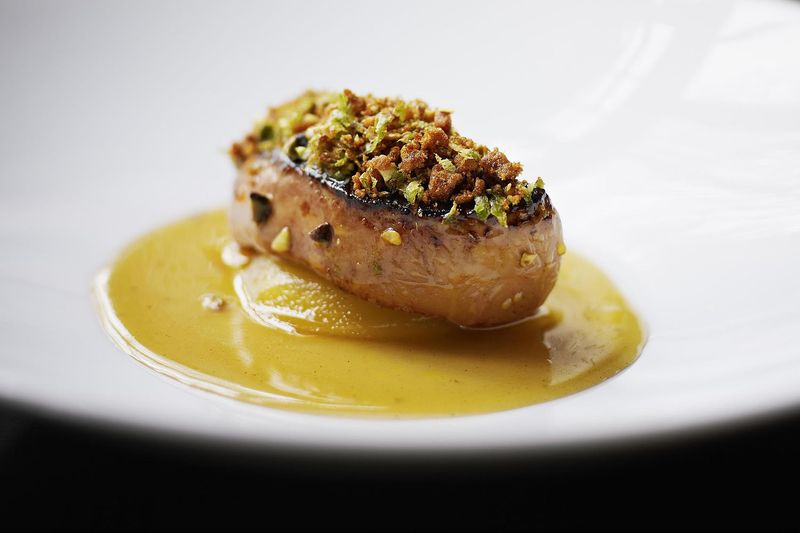
This rich French delicacy has caused controversy across the world, including in parts of the UK where its production is banned. The method of force-feeding ducks and geese to enlarge their livers raises major animal welfare concerns.
Countries such as India, Germany, and the US state of California have prohibited either production or sale. Although some chefs now experiment with cruelty-free alternatives, the ethical debate over foie gras continues to divide diners.
4. Kinder Surprise Eggs
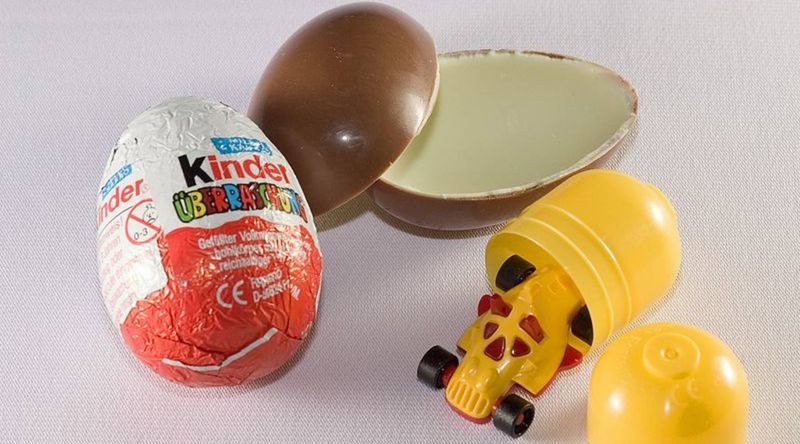
These chocolate treats have long been illegal in the United States due to a 1938 law banning non-edible objects inside food. The small plastic toys hidden inside were deemed choking hazards.
British children grew up collecting them, unaware that they’re contraband abroad. Ferrero eventually created Kinder Joy for the US market, separating the toy and the chocolate, though fans say it lacks the original magic.
5. Raw Milk
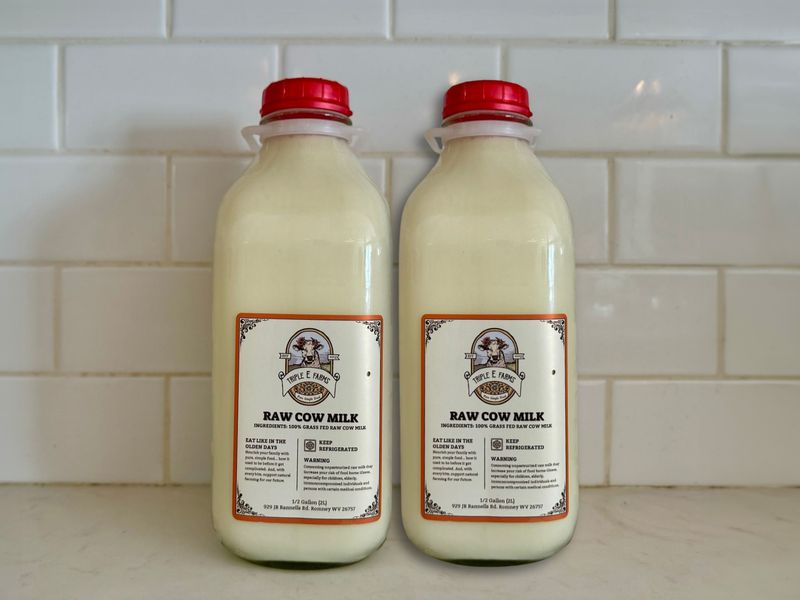
Unpasteurised milk sits in a legal grey area in many countries. It’s banned for sale in Scotland, while England allows it only under strict conditions and clear warning labels.
Health officials cite the risk of bacteria such as E. coli and salmonella, though advocates claim raw milk has superior taste and probiotics. The debate remains heated, with safety and tradition pulling in opposite directions.
6. Chewing Gum
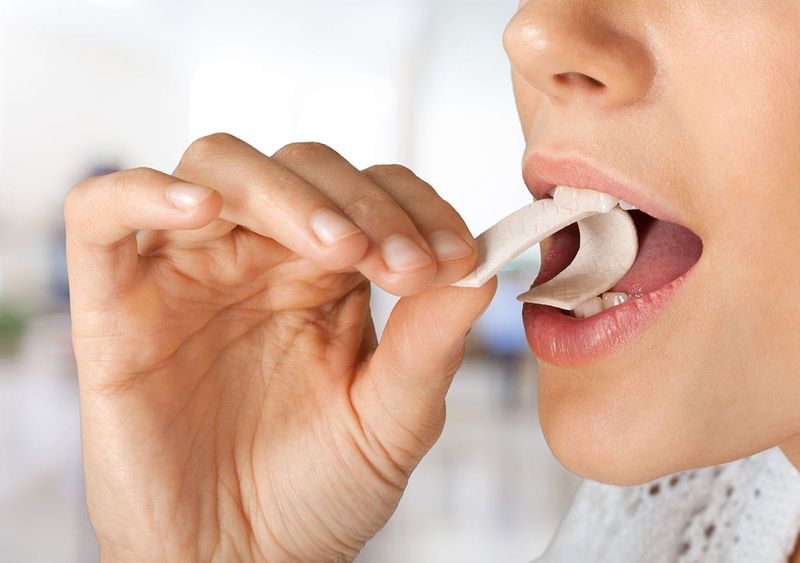
Singapore famously banned the import and sale of chewing gum in 1992 after years of frustration over gum litter on streets and public transport. Only therapeutic gum prescribed by doctors is permitted.
While the rule seems harsh, the results speak for themselves – Singapore’s spotless streets are often used as proof the policy works. Tourists who forget the rule can face fines, though enforcement has softened over time.
7. Samosas
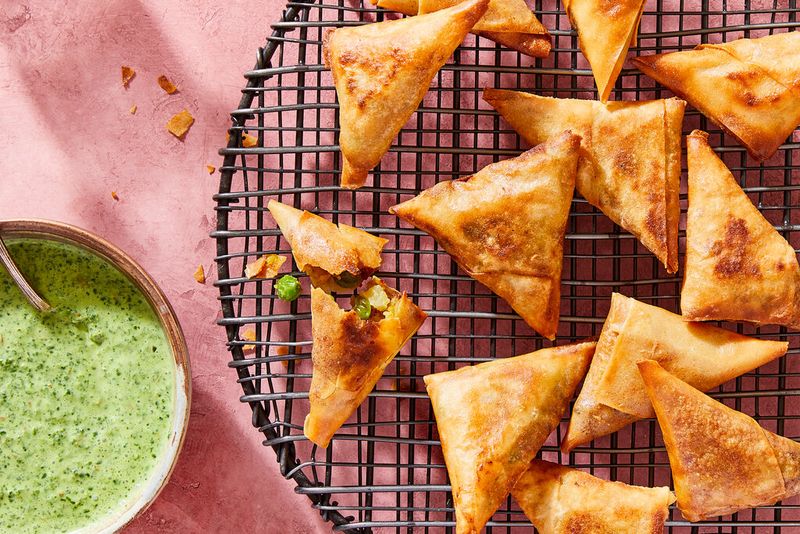
In 2011, Somalia’s Al Shabaab militants briefly banned samosas, claiming their triangular shape resembled the Christian Holy Trinity. The reasoning baffled most of the Muslim world, where the snack is loved by millions.
The ban didn’t last long and was widely mocked, but it shows how food can become caught up in ideology. Today, Somalis once again enjoy their samosas in peace.
8. Ketchup
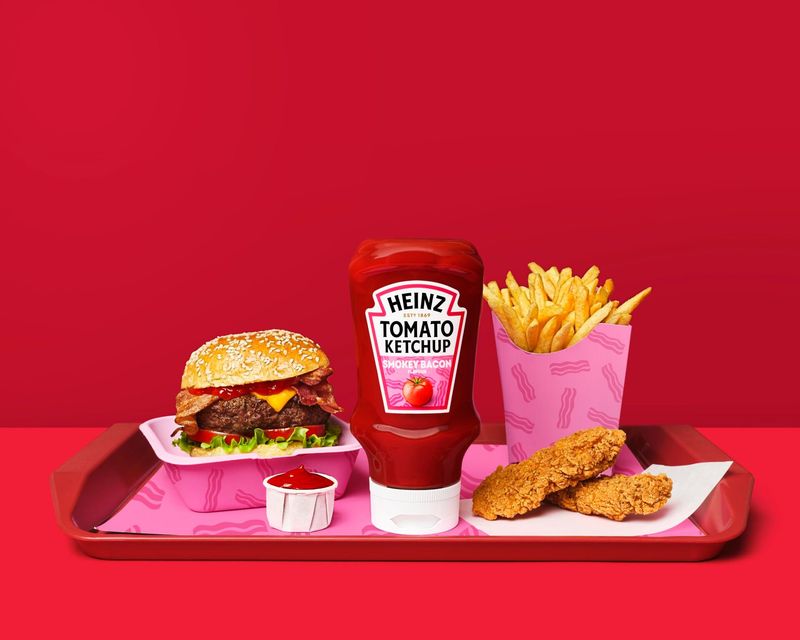
In 2011, French schools removed ketchup from canteens to protect the integrity of traditional French cuisine. Officials worried children were masking the flavours of proper meals by drowning everything in sauce.
Ketchup is still allowed with chips, but nowhere else. The move reflects France’s fierce pride in its culinary heritage – though it’s hard to imagine British pupils taking such a restriction quietly.
9. Mini Jelly Cups
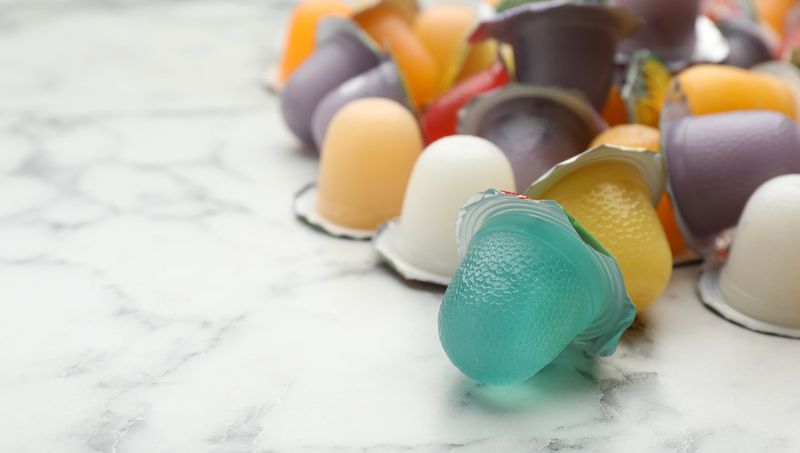
These bite-sized sweets were banned across the EU and elsewhere after choking incidents involving children and the elderly. Made with konjac, a thick plant-based gel, they can form a dangerous seal in the throat.
Despite efforts to redesign them, most countries decided the risk outweighed the reward. It’s a sobering reminder that not all cute, colourful treats are as safe as they look.
10. Irn-Bru
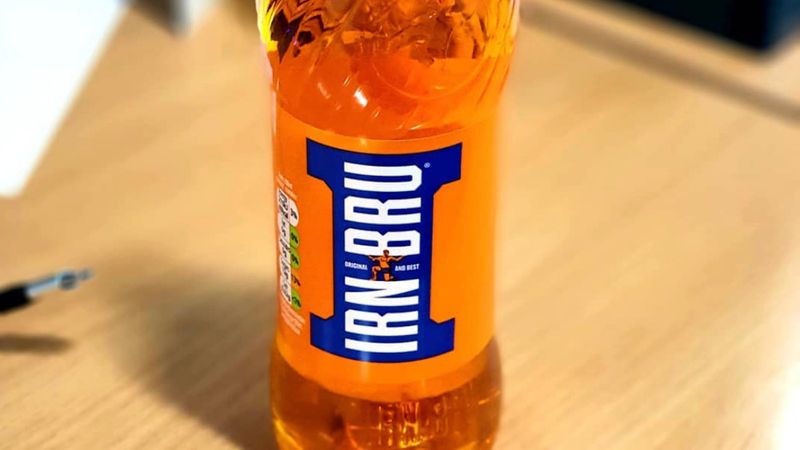
Scotland’s iconic orange fizzy drink faced temporary restrictions in Canada because of Ponceau 4R, a red food colouring linked to hyperactivity concerns. The brand reformulated its recipe for export, but loyal Scots insist it’s not the same.
For many, Irn-Bru is more than a soft drink – it’s a symbol of national pride. Any attempt to change it is met with strong resistance from fans at home and abroad.
11. Casu Marzu
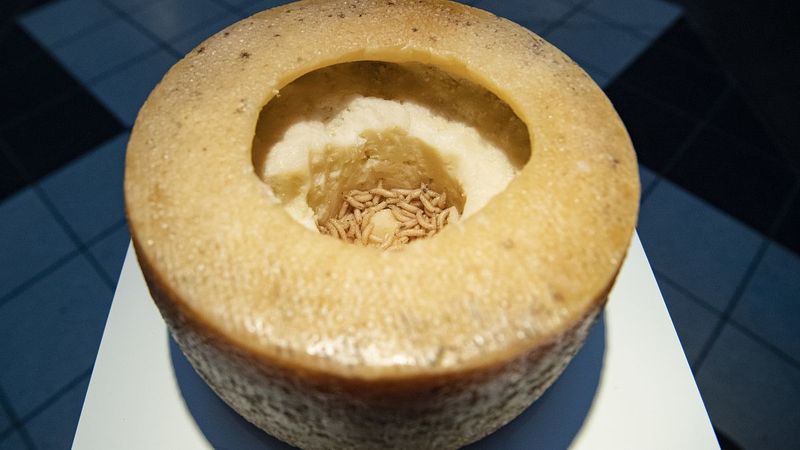
This Sardinian cheese earns its notoriety by containing live insect larvae, which soften the cheese and give it a pungent flavour. Unsurprisingly, it’s banned in most countries, including within the EU.
Health officials warn of intestinal risks, yet locals still make it secretly for those brave enough to try. It’s not for the faint-hearted – or anyone squeamish about their cheese moving on the plate.