










Pomegranates often get reduced to juice or a sprinkle of seeds, yet there is far more to this fruit than meets the eye.
Its history, structure, and cultural importance stretch back thousands of years.
A closer look reveals why it has never really gone out of style.
All information is provided for general interest only. Cultural references and food uses may vary by region.
1. Pomegranate Is Botanically A Berry
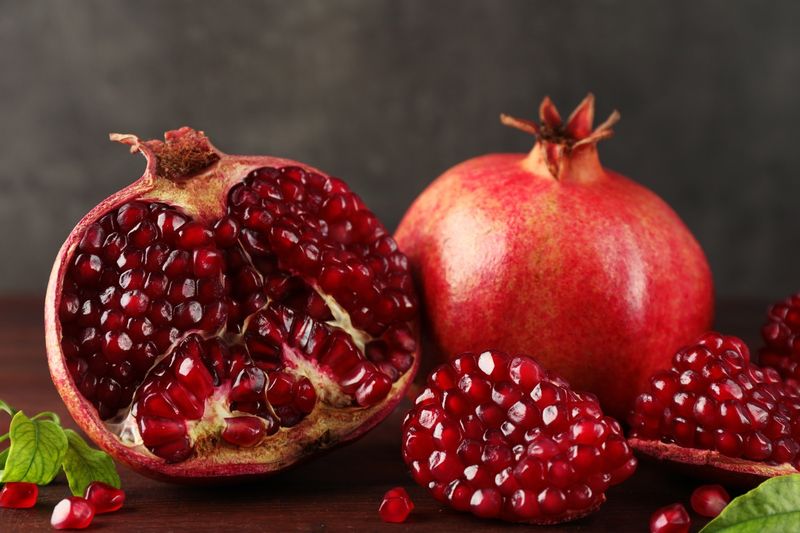
Believe it or not, this large, leathery-skinned fruit is technically classified as a berry.
Botanists call it a "berry" because it develops from a single flower with one ovary and has seeds embedded in fleshy tissue.
Most people think of strawberries or blueberries when they hear "berry," but pomegranates fit the scientific definition perfectly.
Next time someone questions your fruit knowledge, you can impress them with this fun botanical tidbit!
2. Each Pomegranate Can Contain Hundreds Of Seeds
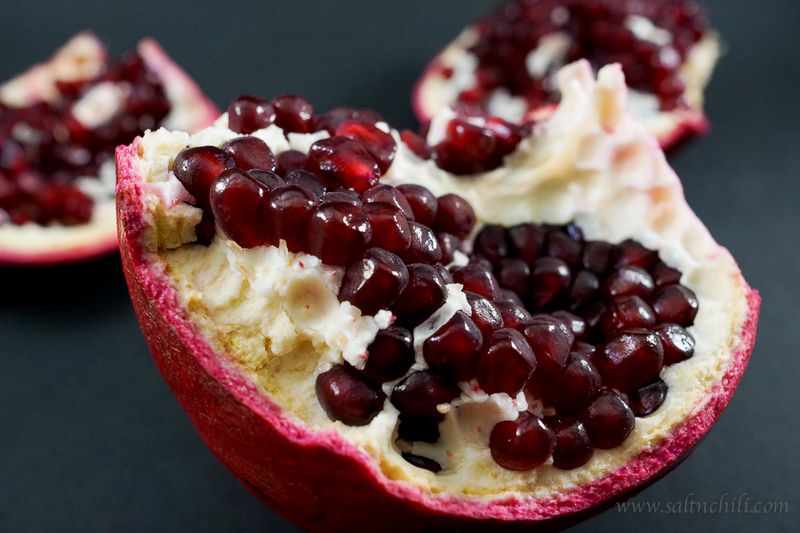
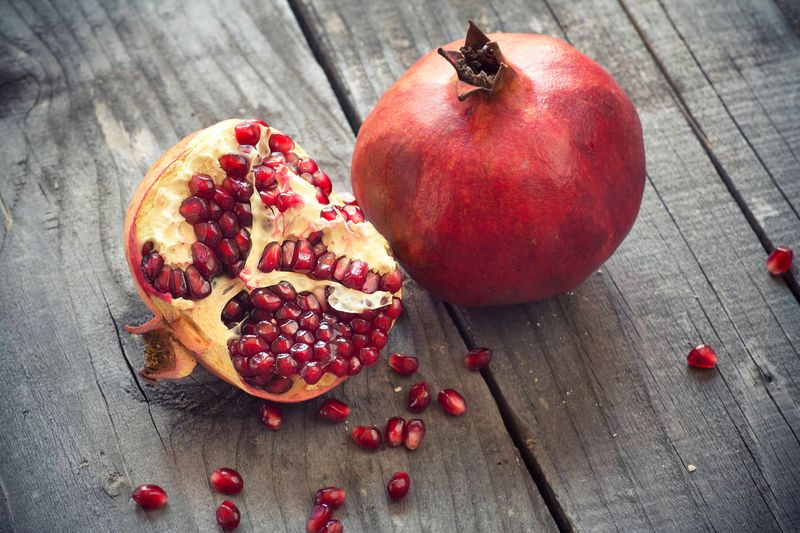
A pomegranate typically contains several hundred edible arils packed closely together inside the fruit.
The exact number varies depending on the size, variety, and growing conditions of the pomegranate.
Larger fruits naturally hold more arils than smaller ones.
This dense interior is one reason pomegranates have long been linked with abundance in many cultures.
3. The Edible Seeds Are Called Arils
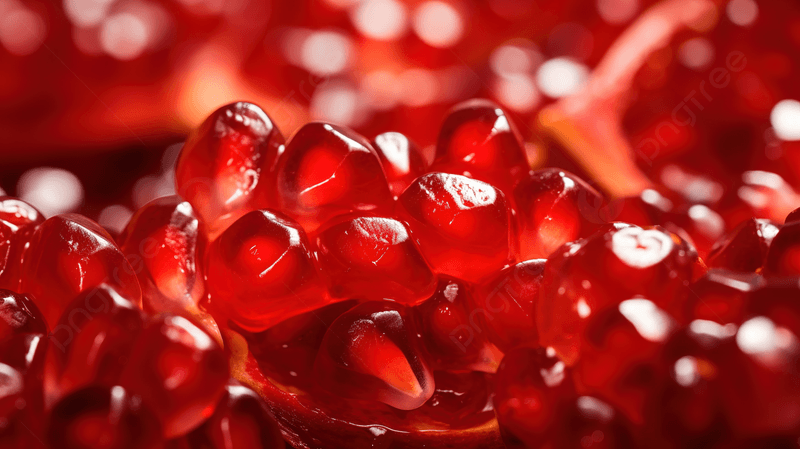
Those juicy, ruby-red bits you eat aren't just seeds - they're called arils.
An aril is the seed surrounded by a translucent, juice-filled sac that bursts with flavour when you bite down.
The actual seed is the hard bit in the centre, but the whole package together is what makes pomegranates so delicious.
Knowing the proper name makes you sound like a true fruit connoisseur at your next dinner party!
4. Pomegranates Have Been Cultivated For Over Four Thousand Years
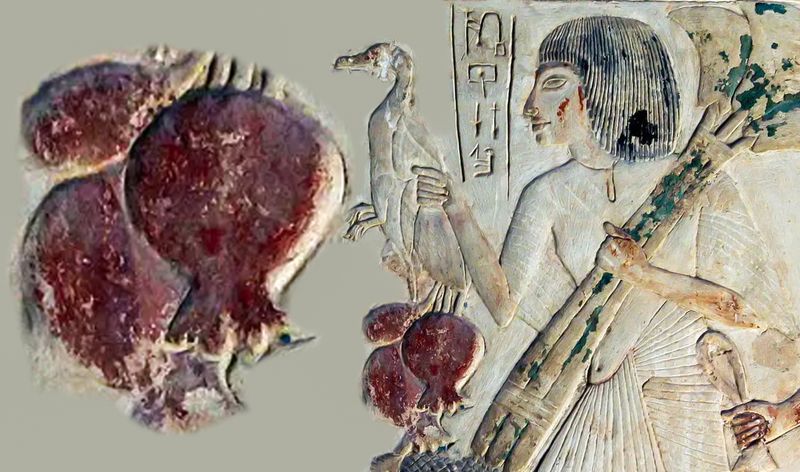
Humans have been growing and enjoying pomegranates since around 2000 BCE.
Archaeological evidence shows ancient civilisations valued this fruit for both its taste and symbolic meaning.
From Mesopotamia to Egypt, pomegranates appeared in art, religious texts, and royal gardens.
That's over four millennia of pomegranate love!
Imagine all the generations who've savoured the same tangy-sweet flavour you enjoy today.
5. The Fruit Originated In The Region From Iran To Northern India
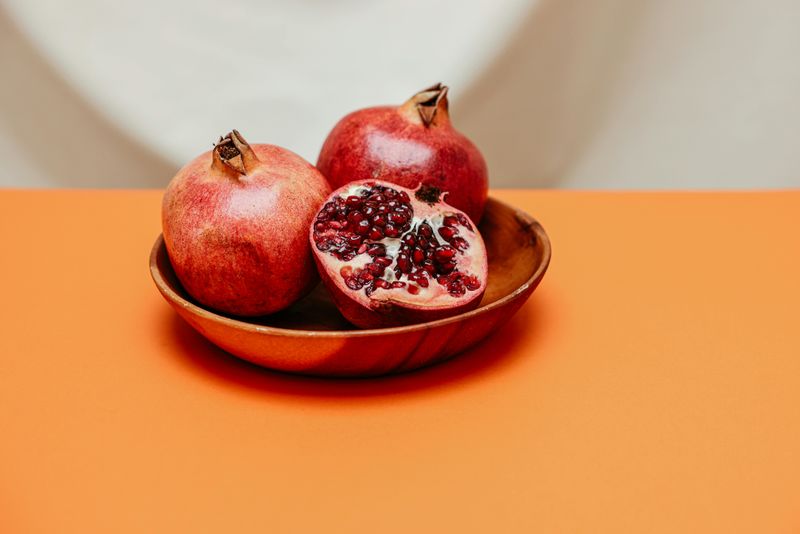
Pomegranates first grew wild in the mountainous areas stretching from modern-day Iran through the Himalayas to northern India.
This region's climate and soil provided the perfect conditions for the fruit to thrive.
From there, traders and travellers carried pomegranates across continents, spreading them to the Mediterranean, Asia, and eventually the Americas.
Geography shaped this fruit's journey across human civilisation.
6. Pomegranate Trees Can Live For Several Decades
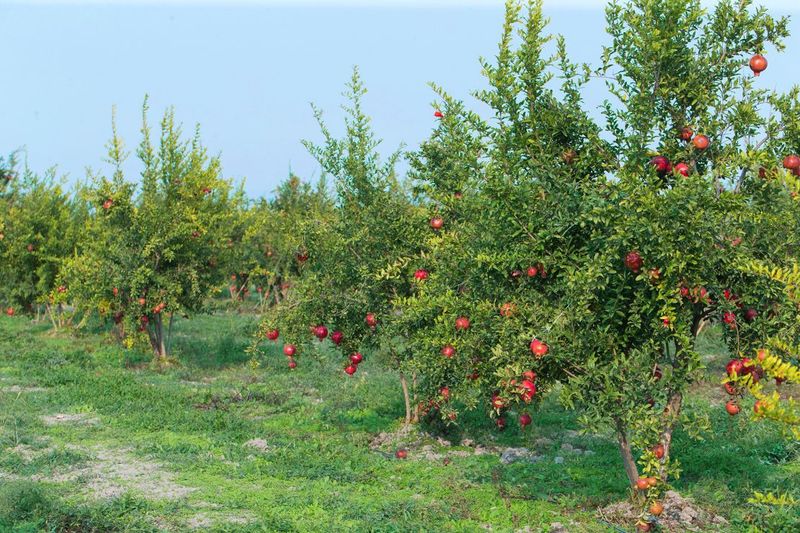
Plant a pomegranate tree and it could outlive your pets, maybe even your mortgage!
These hardy trees can produce fruit for 30 to 50 years or more with proper care.
Some ancient specimens have been documented living well over a century.
Their longevity makes them a wonderful investment for gardeners who want a fruit tree that'll keep giving for generations.
Talk about a lasting legacy in your backyard!
7. Pomegranates Are Naturally Low In Sugar Compared To Many Fruit Juices

Pomegranate juice contains natural sugars that occur alongside acids and plant compounds.
Its sugar content is broadly similar to other common fruit juices such as orange or apple juice.
The sharp, tangy flavour often makes it taste less sweet than some juices.
Moderation is still important when drinking any fruit juice, regardless of the source.
8. The Juice Gets Its Deep Red Colour From Natural Polyphenols
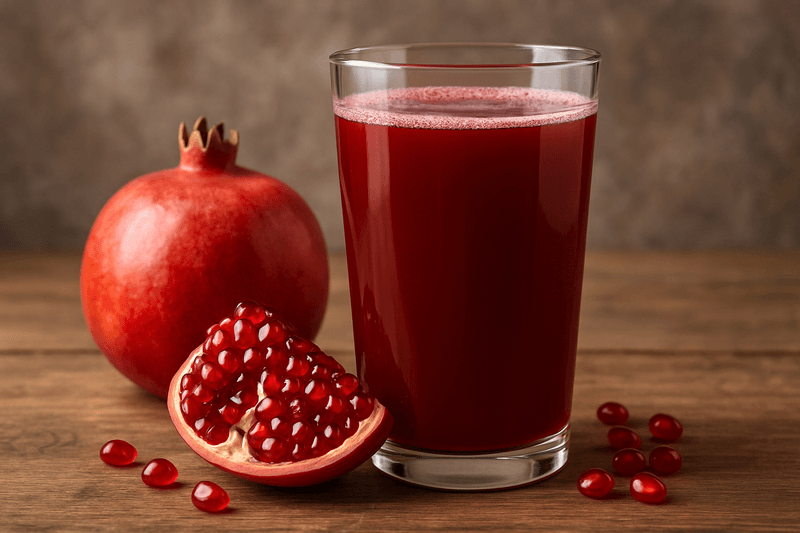
Pomegranate juice gets its deep red colour from natural plant pigments, including anthocyanins.
These compounds are part of a broader group known as polyphenols found in many fruits.
Anthocyanins are responsible for red, purple, and blue tones in a wide range of plant foods.
Their presence gives pomegranate juice its distinctive appearance without any added colouring.
9. Pomegranates Appear In Ancient Greek And Roman Texts
Pomegranates are mentioned in a range of ancient Mediterranean writings and records.
Roman authors, including Pliny the Elder, documented the fruit in agricultural and natural history texts.
The pomegranate also features prominently in Greek mythology, especially in stories associated with Persephone.
These references show that the fruit held cultural importance in the ancient world.
10. Pomegranates Ripen In Autumn In Most Growing Regions
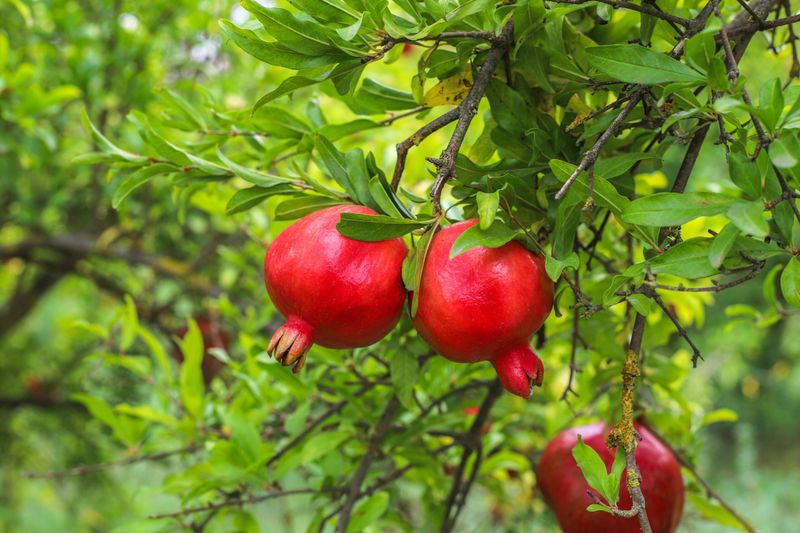
Autumn's crisp air signals harvest time for pomegranates in most parts of the world.
The fruits typically mature between September and November in the Northern Hemisphere.
This seasonal timing makes pomegranates a perfect addition to autumn and winter dishes, from salads to festive holiday recipes.
Their jewel-toned arils brighten up tables just when we need a pop of colour most. Nature's timing is absolutely perfect!
11. The Thick Skin Helps Protect The Seeds During Long Storage
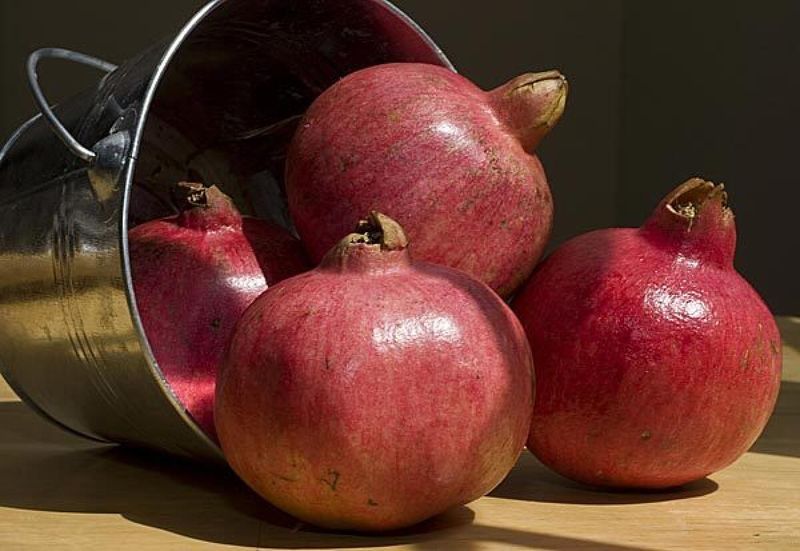
The tough outer rind of a pomegranate helps slow moisture loss and protects the arils inside.
This natural barrier allows whole fruits to stay fresh longer than many softer fruits.
Pomegranates were historically valued because they could be stored for extended periods without refrigeration.
Cool, dry conditions help preserve whole pomegranates better than warm room temperatures.