











Custard creams have long been a staple of British tea breaks, but few people have ever stopped to wonder about the intricate pattern stamped onto the biscuit’s surface.
Recently, renewed attention on social media has revealed that the familiar fern-like design dates back to the Victorian era, when fern motifs symbolised friendship and good fortune. For many, learning this detail has given a new appreciation for one of Britain’s most nostalgic treats.
This article provides general information only and is intended for entertainment. Historical interpretations and product details are based on publicly available information. Images are for illustrative purposes only.
Where The Design Originated

Victorian Britain was absolutely obsessed with all things botanical, and biscuit makers jumped on that trend faster than you can say afternoon tea. The custard cream, first produced in 1908 by various manufacturers, borrowed heavily from the decorative arts movement of the late 1800s.
Ferns were everywhere back then – on wallpaper, pottery, furniture, you name it. Biscuit designers figured they'd tap into that craze by embossing elegant fern patterns onto their new custard-flavoured creation. Clever marketing, really, making a simple biscuit feel posh and fashionable whilst keeping it affordable for working-class families who wanted a taste of Victorian elegance.
The Victorian Fern Craze Explained
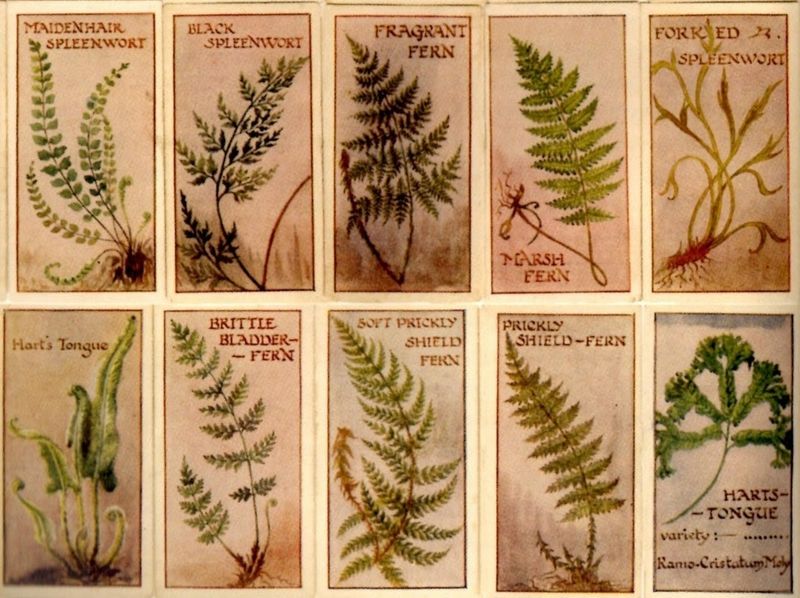
Bryony, a staff member at the Manchester Museum, shared a video on Instagram explaining the surprising history behind one of Britain’s favourite biscuits.
She revealed that between the 1840s and 1890s, the country was gripped by a fascination with ferns – a trend known as Pteridomania, or “fern madness.”
Victorians collected ferns with enthusiasm, decorating their homes with them and pressing their fronds into books.
The plants flourished in the dim, smoky interiors of Victorian houses, making them ideal for urban living.
Beyond practicality, ferns also carried symbolic meaning, representing sincerity and humility, and displaying them suggested a sense of taste and refinement.
Why Ferns Became A Popular Symbol

Ferns represented something deeper than just pretty foliage in Victorian society. Their delicate, repeating patterns symbolised nature's mathematical perfection, which absolutely fascinated the Victorians who were mad about science and natural history.
Authors and poets wrote about ferns as emblems of humility and sincerity, making them morally virtuous plants, if you can believe it. Their ability to thrive in shady spots also made them symbols of resilience. When biscuit makers chose fern patterns for custard creams, they weren't just following fashion – they were tapping into all these positive associations that resonated with Edwardian consumers.
How Custard Creams Reflected Trends Of The Time
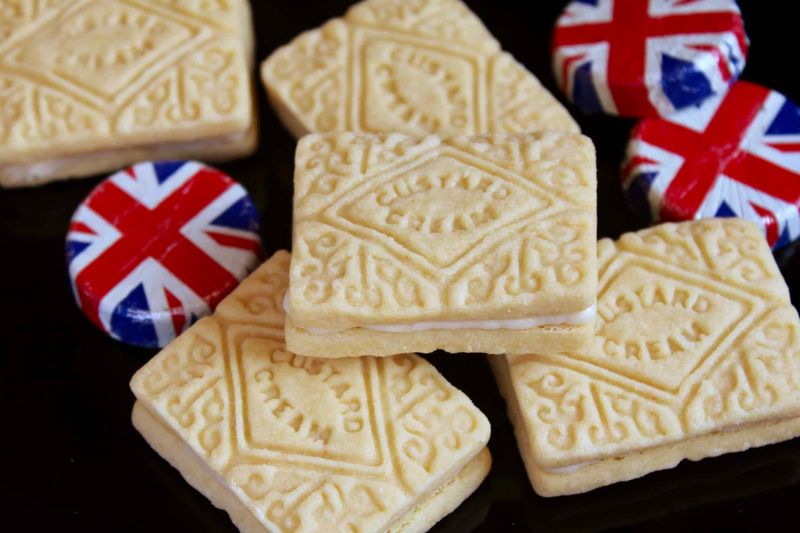
When custard creams hit the market in the early 1900s, Britain was shifting from Victorian stuffiness to Edwardian optimism. Manufacturers wanted biscuits that felt both traditional and modern, bridging two eras perfectly.
The fern design gave these biscuits an air of sophistication whilst the bright custard filling felt fresh and exciting. It was genius branding – working families could afford a little luxury without breaking the bank.
These biscuits became democratic treats, bringing a touch of Victorian elegance to everyday tea breaks across Britain, regardless of social class or income.
The Role Of Custard Powder In Biscuit History
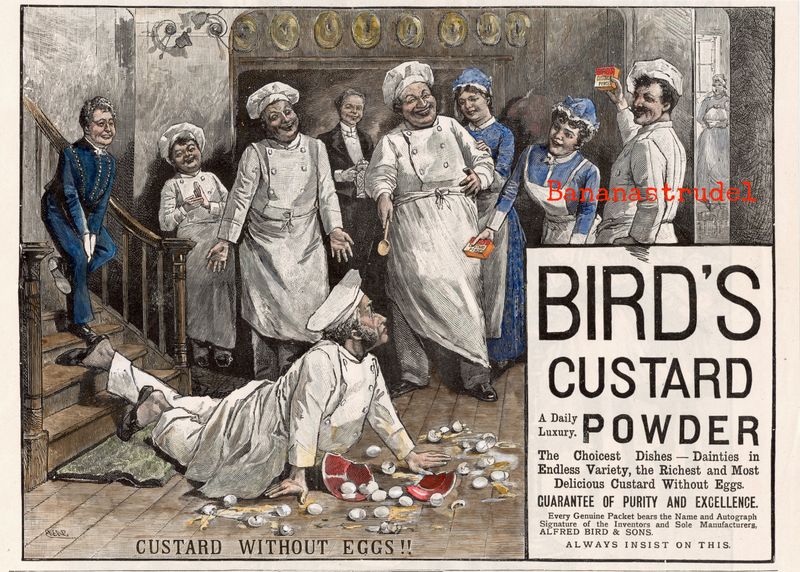
Bird's Custard Powder, invented in Birmingham in 1837, revolutionised British desserts long before custard creams appeared. Alfred Bird created it because his wife was allergic to eggs, which were essential in traditional custard.
By the early 1900s, custard powder had become a kitchen staple, so naming a biscuit after this beloved flavour was marketing gold. The creamy vanilla filling mimicked that comforting custard taste everyone knew and loved.
Pairing this familiar flavour with fancy fern patterns created the perfect balance – nostalgic yet elegant, affordable yet aspirational, thoroughly British through and through.