










Our grandmothers had plenty of wisdom in the kitchen, but when it came to dieting, not all their advice has stood the test of time. From skipping breakfast to fearing every drop of fat, many of those old “rules” sound more like myths today. Some may still have a grain of truth, but others deserve to be left in the past -and you might be surprised which ones.
This article is for general informational purposes only and not a substitute for professional medical or dietary advice. Always consult a qualified healthcare provider or registered dietitian before making changes to your eating habits. Individual needs and results may vary. Photos are for illustrative purposes only.
1. Never Eat After 6 P.M.
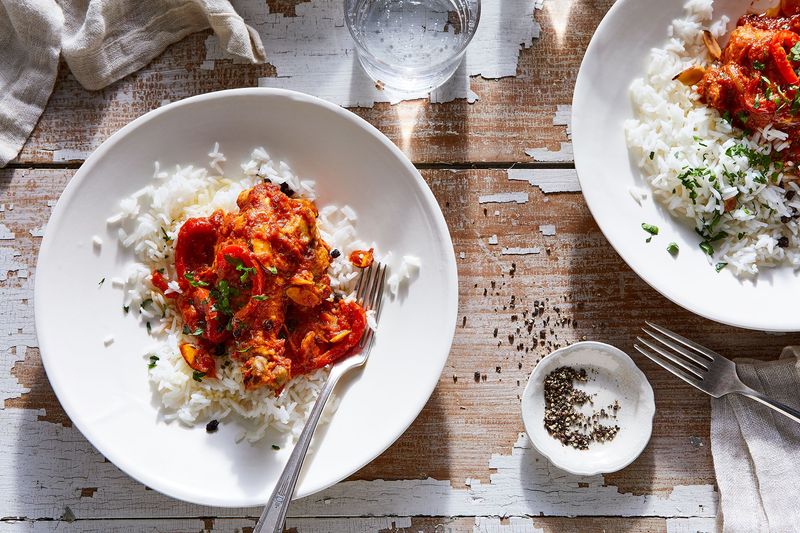
Grandma insisted the kitchen closed at six o'clock sharp, convinced late-night eating caused weight gain. Modern research shows it's not about when you eat, but rather what and how much you consume throughout the day.
Your body doesn't have a magical cutoff time for processing food. Total daily calories matter far more than the clock on the wall when determining weight changes.
2. Bread Is The Enemy Of A Slim Waist
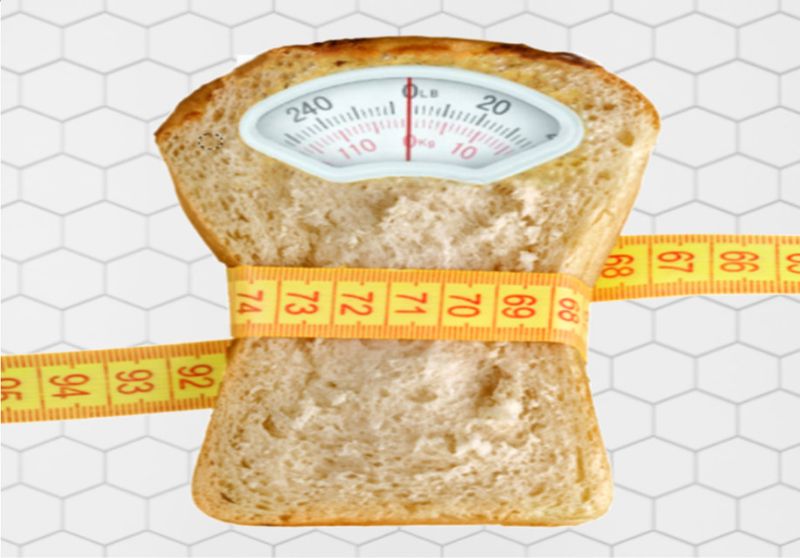
Carbohydrates got a terrible reputation in our grandmothers' era, with bread being public enemy number one for anyone watching their figure. Whole grain breads actually provide essential fibre, B vitamins, and sustained energy that keeps you feeling satisfied longer.
The real issue isn't bread itself but rather portion sizes and choosing refined white varieties over nutritious whole grain options.
3. A Grapefruit For Breakfast Keeps The Pounds Away
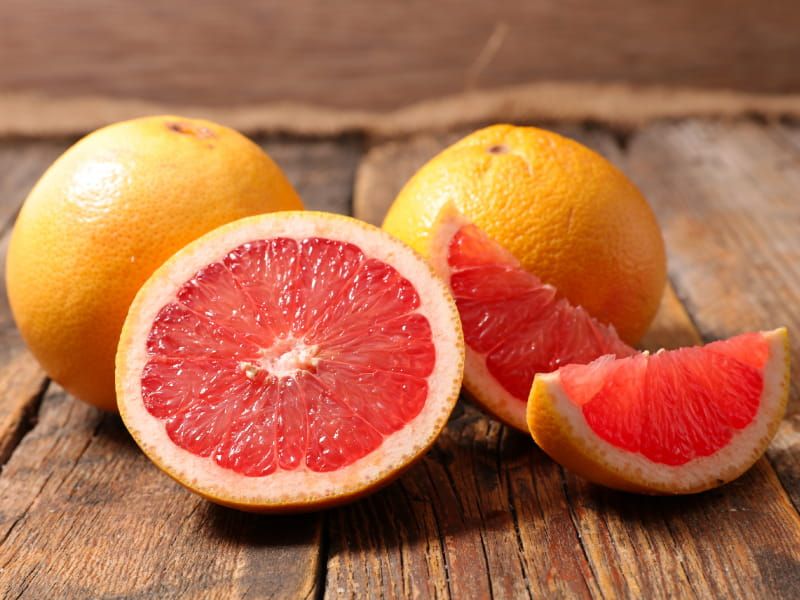
The famous grapefruit diet promised miraculous fat-burning powers from this tangy citrus fruit. Whilst grapefruits are nutritious and low in calories, they don't possess any magical weight-loss properties that melt away fat overnight.
Balanced meals with protein, healthy fats, and complex carbohydrates provide far better nutrition and lasting energy than relying on a single fruit for breakfast every morning.
4. Butter Is Bad, But Margarine Is Miraculous
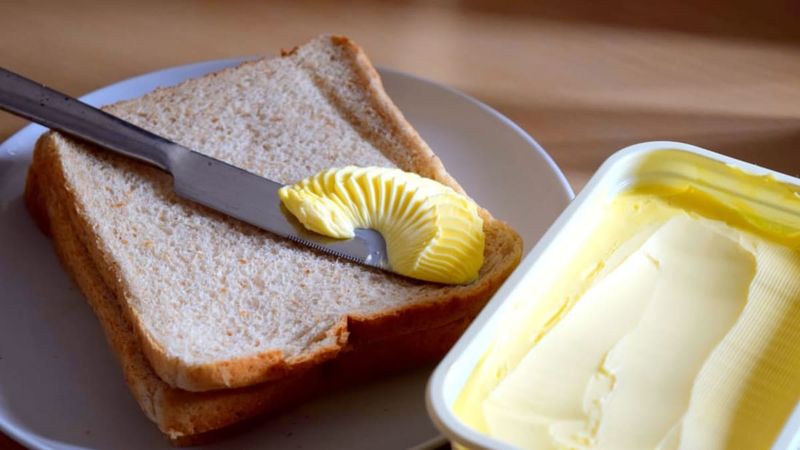
Margarine was hailed as a heart-healthy butter substitute that would save us all from cholesterol doom. Ironically, many margarines contained trans fats, which we now know are far worse for heart health than natural butter ever was.
Today's nutritionists recommend using real butter in moderation or choosing olive oil for cooking instead of processed spreads packed with artificial ingredients.
5. Skip Meals To "Give Your Digestion A Rest"
Grandma thought skipping lunch would let your stomach take a break and somehow improve health. Our digestive systems don't need rest periods; they're designed to process food continuously throughout the day without getting tired.
Skipping meals actually slows metabolism, causes energy crashes, and often leads to overeating later. Regular, balanced meals keep blood sugar stable and energy levels consistent.
6. Everything Must Be Boiled To Be Healthy
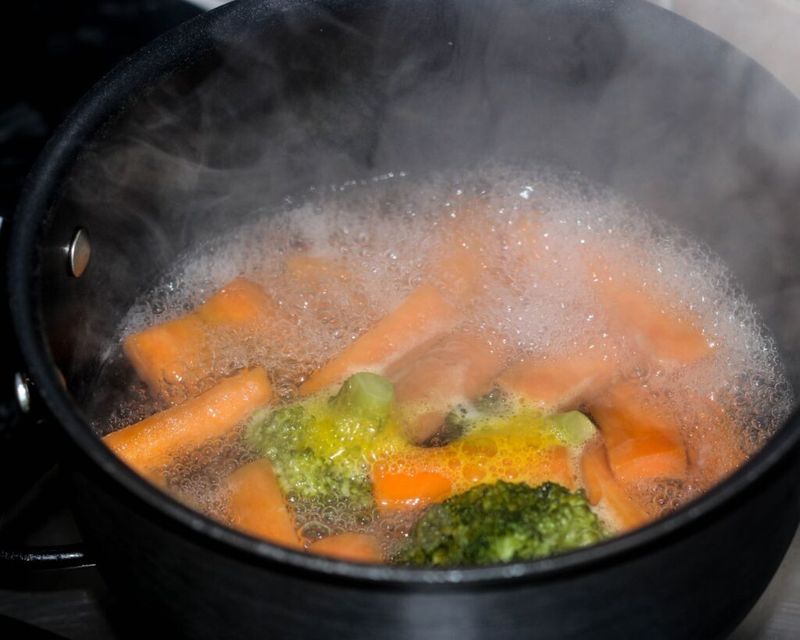
Boiling vegetables until they turned grey and mushy was considered the height of healthy cooking in grandmother's kitchen. Unfortunately, this method destroys many valuable vitamins and minerals, sending nutrients straight down the drain with the cooking water.
Steaming, roasting, or eating vegetables raw preserves far more nutrition whilst also maintaining appealing colours, textures, and flavours that actually taste good.
7. Only Women Should Diet - Men Just "Burn It Off"

Society once believed men could eat whatever they pleased whilst women needed constant dietary restriction. This sexist notion ignored basic biology and individual differences in metabolism, activity levels, and nutritional needs that vary person to person.
Everyone, regardless of gender, benefits from balanced nutrition and mindful eating habits. Men face health consequences from poor diet choices just like women do.
8. Calories Matter More Than Nutrition
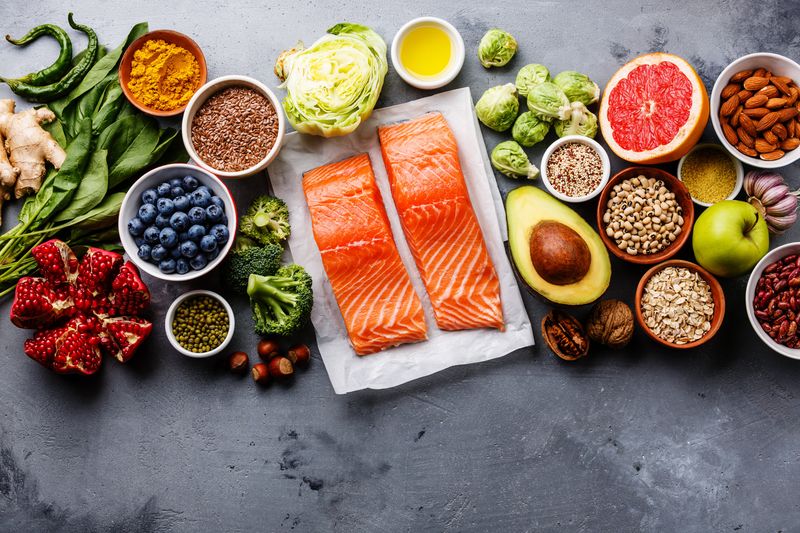
Obsessing over calorie counts dominated grandmother's dieting approach, often ignoring whether those calories came from nutritious or empty sources. A 200-calorie biscuit affects your body very differently than 200 calories of almonds and fruit.
Nutrient density matters enormously for energy, satiety, and overall health. Focusing solely on numbers whilst ignoring food quality leaves you hungry, tired, and undernourished despite eating fewer calories.
9. Low-Fat Foods Are Always The Healthiest Choice
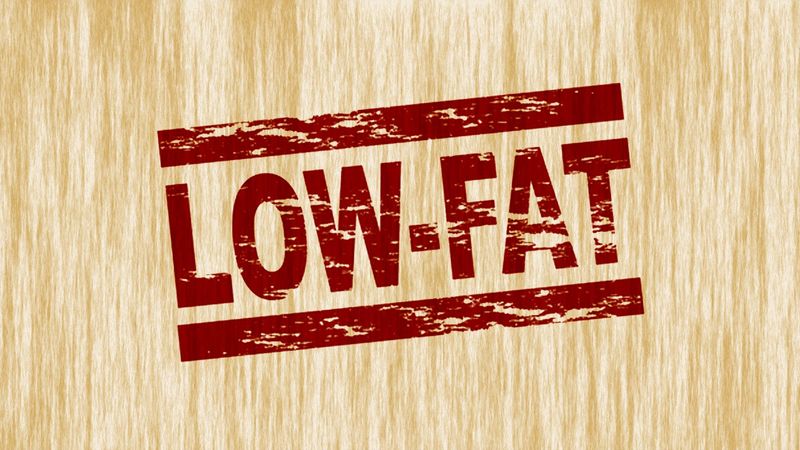
Fat became the villain, and everything from biscuits to yoghurt came in low-fat versions that promised guilt-free indulgence. Manufacturers replaced fat with sugar and artificial ingredients, creating products that were often less healthy than their full-fat counterparts.
Healthy fats from sources like avocados, nuts, and olive oil are essential for hormone production, brain function, and absorbing important vitamins properly.
10. A Tiny Dinner Means You're "Being Good"

Eating a ridiculously small evening meal was praised as virtuous self-control and proper feminine behaviour. Starving yourself at dinner doesn't make you good; it makes you hungry, irritable, and likely to raid the biscuit tin at midnight.
Adequate portions at dinner provide energy for evening activities and prevent late-night snacking. Proper nutrition isn't about punishment or deprivation but nourishing your body appropriately.
11. Weigh Yourself Every Morning
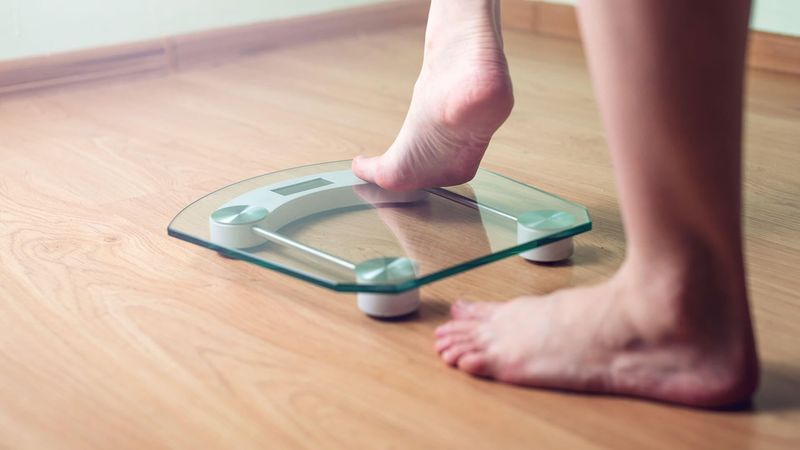
Daily weigh-ins were considered essential for monitoring progress and maintaining discipline in grandmother's routine. Body weight fluctuates naturally by several pounds daily due to water retention, digestion, and hormones, making daily measurements misleading and stressful.
Weekly weigh-ins or simply monitoring how clothes fit provides better long-term perspective without the emotional rollercoaster of meaningless daily number changes.
12. Drinking Water With Meals "Dilutes Digestion"
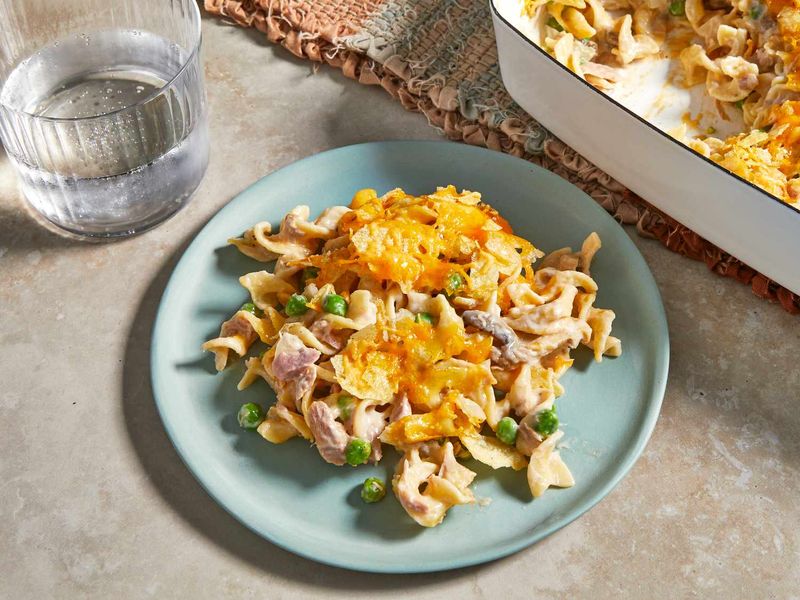
Grandma warned that sipping water during meals would somehow weaken your stomach acid and ruin digestion completely. Your stomach produces plenty of powerful digestive juices that aren't affected by reasonable amounts of water consumed with food.
Drinking water with meals actually aids digestion by helping break down food and move it smoothly through your system whilst keeping you properly hydrated throughout the day.
13. Dessert? Only If You've Earned It
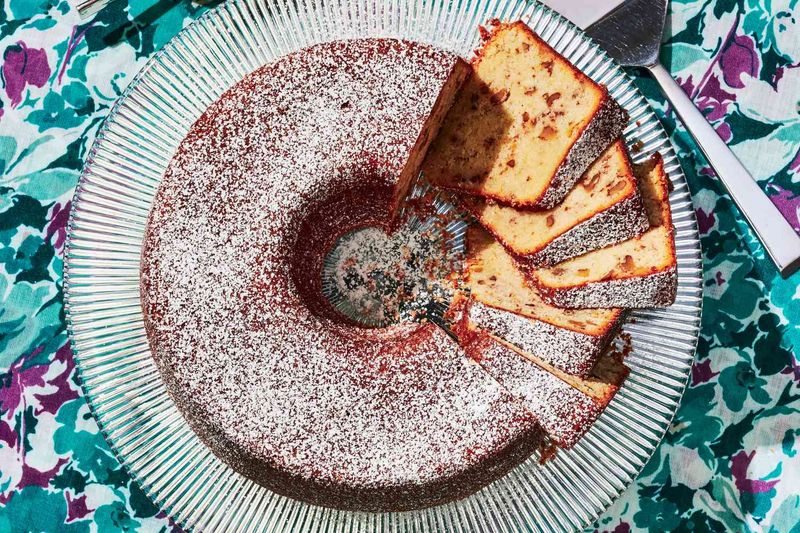
Treats became rewards for dietary perfection, creating unhealthy relationships between food and worthiness that lasted lifetimes. Food shouldn't be earned through punishment or good behaviour; it's simply fuel and occasional enjoyment without moral judgement attached.
Allowing yourself occasional desserts without guilt prevents feelings of deprivation that lead to binge eating. Balance and moderation work better than rigid restriction and reward systems.