










Some old-school dishes once felt completely normal at the dinner table, yet now they spark raised eyebrows and curious reactions. Food trends move fast, and what our parents or grandparents happily served can feel oddly adventurous by today’s standards.
Digging into these forgotten favourites reveals how tastes, availability, and habits quietly evolve over time. A few might even make you smile, cringe slightly, or feel oddly tempted to try them again.
All information is provided for general interest only. Historical recipes, regional traditions, and ingredient availability may vary by location and era, and individual reactions to foods can differ.
1. Devilled Kidneys

Organ meats were breakfast staples in Victorian Britain, with kidneys swimming in spicy sauce appearing on morning tables everywhere. Today's diners typically prefer sausages or bacon instead.
The strong flavour and chewy texture make kidneys a hard sell for modern palates. Most young people have never tried them, and restaurants rarely feature organ meats on breakfast menus anymore, marking a significant shift in culinary preferences.
2. Jellied Eels

A true East End classic, jellied eels were once a staple of London’s working-class cuisine. The dish involves chopped eels boiled and cooled in their own natural gelatin until they set into a savoury jelly.
It was cheap, nutritious, and easy to make before refrigeration became common.
These days, it’s more of a nostalgic curiosity, found mostly in traditional pie and mash shops rather than home kitchens.
3. Jelly With Fruit

Wobbly desserts dominated party tables throughout the 1970s and 1980s, with tinned fruit suspended in brightly coloured gelatin. Children eagerly awaited these jiggly treats at birthday celebrations.
Modern dessert preferences lean towards chocolate brownies, cupcakes, or fresh fruit platters instead. The artificial colours and processed nature of jelly don't align with current health-conscious attitudes, making this once-beloved sweet seem rather dated now.
4. Beef Tongue

Once considered a delicacy, beef tongue appeared frequently on British dinner tables and in sandwiches during the mid-twentieth century. It’s tender when prepared properly, often boiled or cured before slicing thinly and served cold.
Though packed with flavour, its appearance and preparation put off many modern diners. Today, it’s a rare sight outside old-fashioned delis or traditional butchers.
5. Tinned Peaches In Syrup

Opening a tin of peaches meant dessert was sorted for families throughout the mid-20th century. The sweet syrup and soft texture made them affordable treats when fresh fruit cost more.
Supermarkets now stock fresh peaches year-round at reasonable prices, making tinned versions seem unnecessary. The excessive sugar content in that thick syrup doesn't match modern nutritional awareness, relegating these once-popular puddings to memory.
6. Chopped Liver Paté

Dinner parties in the 1960s frequently started with liver paté spread on crackers or toast points. Hosts considered it sophisticated, borrowing elegance from French cuisine traditions.
Younger generations often find the strong metallic taste off-putting, and liver's nutrient-storing function makes some people squeamish. Hummus, guacamole, and other plant-based spreads have replaced it as fashionable appetisers at modern gatherings.
7. Chicken In A Basket

Pubs during the 1970s and 1980s served fried chicken pieces in wicker baskets lined with paper napkins, making dining feel casual and fun. The dish’s popularity faded as presentation trends changed and menus became more refined.
While you can still find plenty of fried chicken in pubs and takeaways, it’s usually served on plates rather than in baskets these days. The charm of the original presentation lives on as a nostalgic memory of simpler pub grub.
8. Spaghetti Bolognese With Ketchup

Budget-conscious families substituted tomato ketchup for proper tomato sauce when making spaghetti bolognese decades ago. The sweet, vinegary flavour became familiar to children who knew nothing different.
Authentic Italian cooking knowledge has spread widely now, making ketchup seem completely wrong for pasta dishes. Proper passata, tinned tomatoes, and fresh herbs have become affordable and accessible, so this shortcut feels embarrassingly outdated.
9. Tripe And Onions
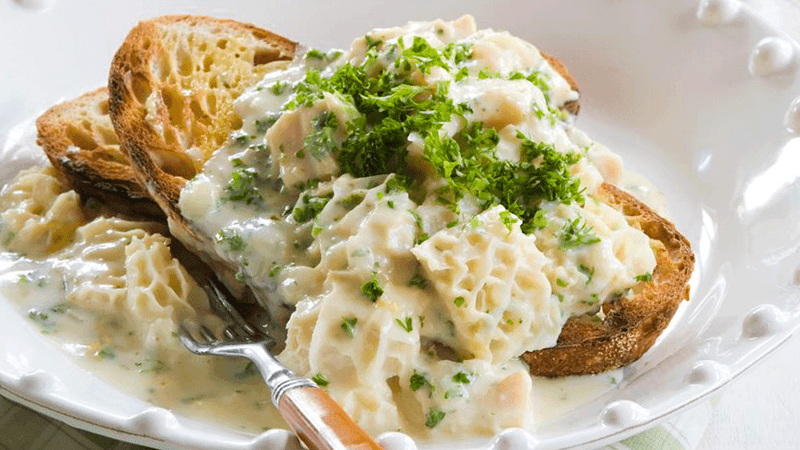
Tripe and onions once appeared regularly on British dinner tables, especially in working-class households where nothing went to waste. Slow cooking helped soften the honeycomb-textured stomach lining, whilst onions added sweetness and depth to the dish.
Modern diners often struggle with the chewy texture and strong aroma, making tripe feel far removed from everyday comfort food. Although traditional butchers still sell it, this once-common meal now tends to spark curiosity rather than appetite.
10. Cheddar And Pineapple Sticks

Cocktail parties weren't complete without these cheese and pineapple cubes speared on cocktail sticks, often stuck into a foil-wrapped grapefruit. The sweet-savoury combination seemed incredibly sophisticated back then.
Modern tastes generally reject this pairing as too sweet and the presentation looks dated now. Contemporary party platters feature charcuterie boards, vegetable crudités, or Asian-inspired finger foods instead of these retro canapes.
11. Beef Stroganoff With Cream

Dinner party hosts in the 1980s and 1990s loved serving beef stroganoff, a rich, comforting dish that felt fancy yet familiar. British versions often added a touch of double cream or crème fraîche to create a smooth, indulgent sauce.
Over time, lighter cooking styles took over, and today’s recipes lean more toward yoghurt or reduced-fat cream for balance. The dish remains a favourite, just with a fresher, modern twist.
12. Bread And Dripping
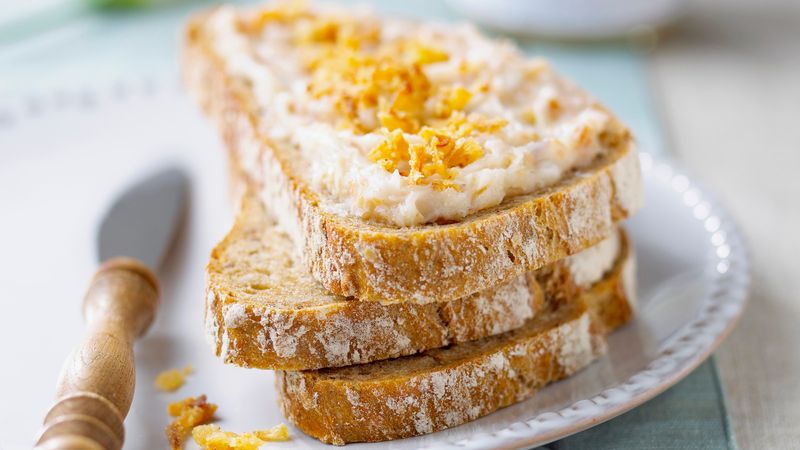
Bread and dripping was a simple, filling staple for families stretching tight budgets in the late nineteenth and early twentieth centuries. Thick slices of bread were spread with rendered beef fat, sometimes finished with a sprinkle of salt for extra flavour.
As refrigeration improved and healthier fats became widely available, this humble dish quietly faded from daily meals. Today it’s more likely to be remembered as a historical curiosity than something regularly enjoyed at the kitchen table.