







There’s something oddly comforting about unwrapping a chocolate bar that’s been around for generations. Some of these sweet legends were being sold long before your grandparents were born, and they’re still satisfying cravings today. From creamy classics to crumbly icons, these old-timers have stood the test of time - and they’re proof that good chocolate never goes out of style.
This article is for general informational purposes only. Product availability and recipes can vary by country and manufacturer, and ingredients may change over time. Always check packaging for the most accurate nutritional and allergy information. Photos are for illustrative purposes only.
1. Fry's Chocolate Cream (1866)
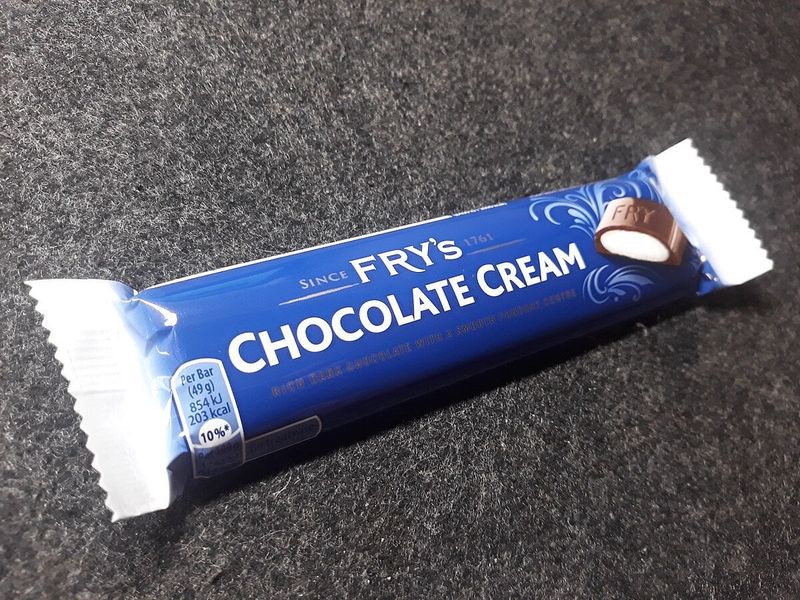
It's hard to believe this chocolate bar dates all the way back to 1866, but Fry's Chocolate Cream truly holds the title as one of the world's oldest. Created by J. S. Fry & Sons of Bristol, it was the first mass-produced chocolate bar filled with a smooth fondant centre.
That creamy filling wrapped in dark chocolate made it an instant hit in Victorian Britain. Today, it's still produced under Cadbury and remains a nostalgic treat for traditional chocolate lovers.
2. Hershey's Milk Chocolate Bar (1900)
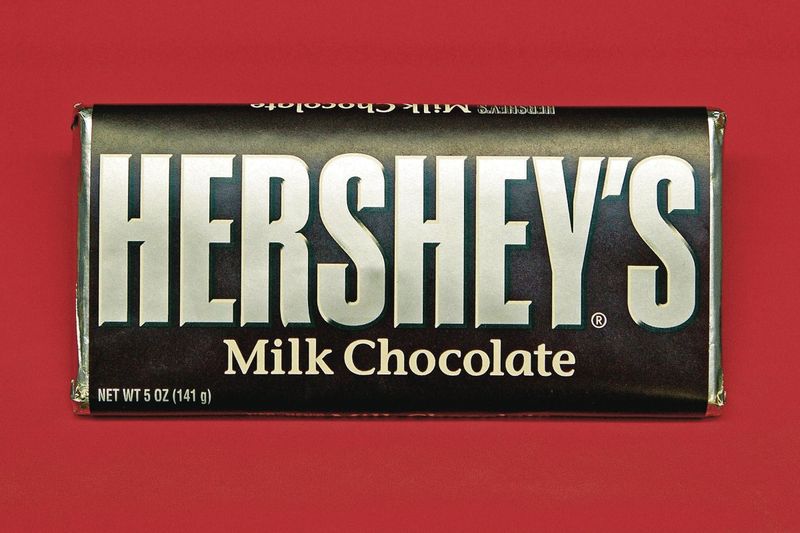
Crossing over to America, Hershey's Milk Chocolate Bar made its debut in 1900 and quickly became an icon of everyday chocolate. It was one of the first affordable milk chocolate bars in the United States, bringing what was once a luxury to the masses.
Its slightly tangy flavour and distinctive moulded squares made it instantly recognisable. Over a century later, it's still the flagship product of The Hershey Company.
3. Milka (1901)
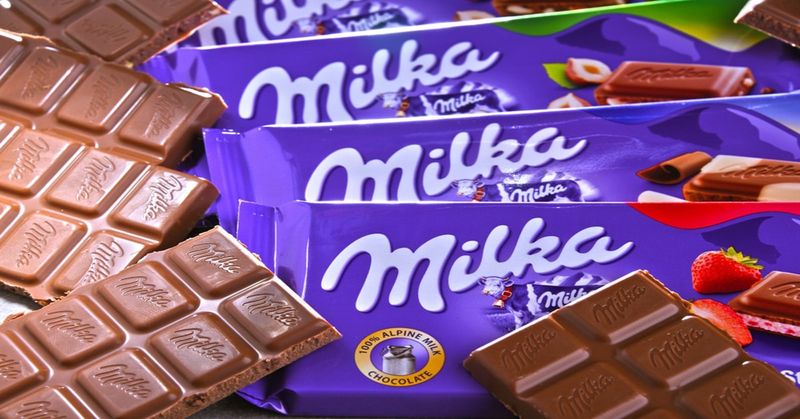
With its unmistakable lilac packaging and Alpine cow, Milka has been charming chocolate fans since 1901. The brand's name cleverly merges the German words for milk and cocoa - "Milch" and "Kakao."
Its silky-smooth texture and creamy taste helped it spread from Switzerland across Europe. Even now, spotting that purple wrapper feels like a little moment of comfort wherever you are.
4. Cadbury Dairy Milk (1905)
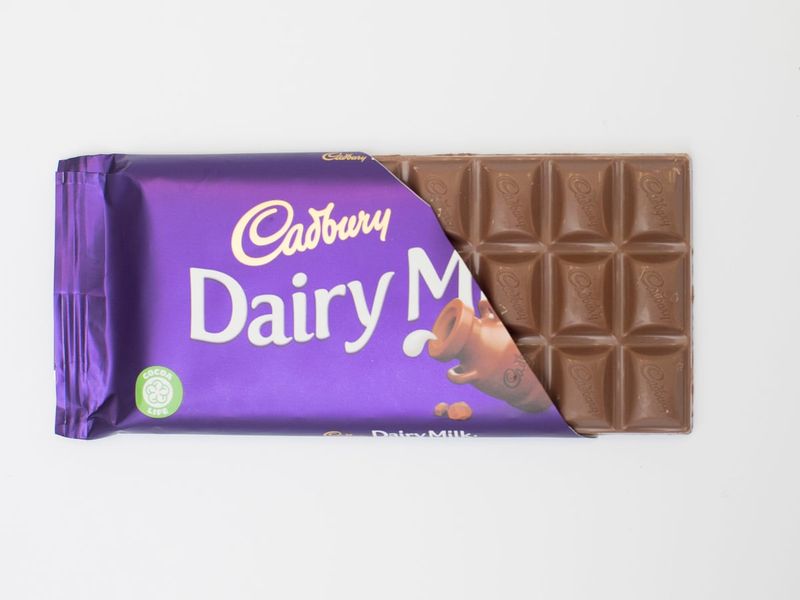
Cadbury's Dairy Milk revolutionised chocolate when it launched in Birmingham in 1905. It contained a higher percentage of milk than most chocolate bars of its time, giving it a creamier, richer flavour that quickly became a national favourite.
The bar's success helped make Cadbury a household name across Britain. More than a century later, it still proudly features the famous "glass and a half" symbol.
5. Bournville (1908)
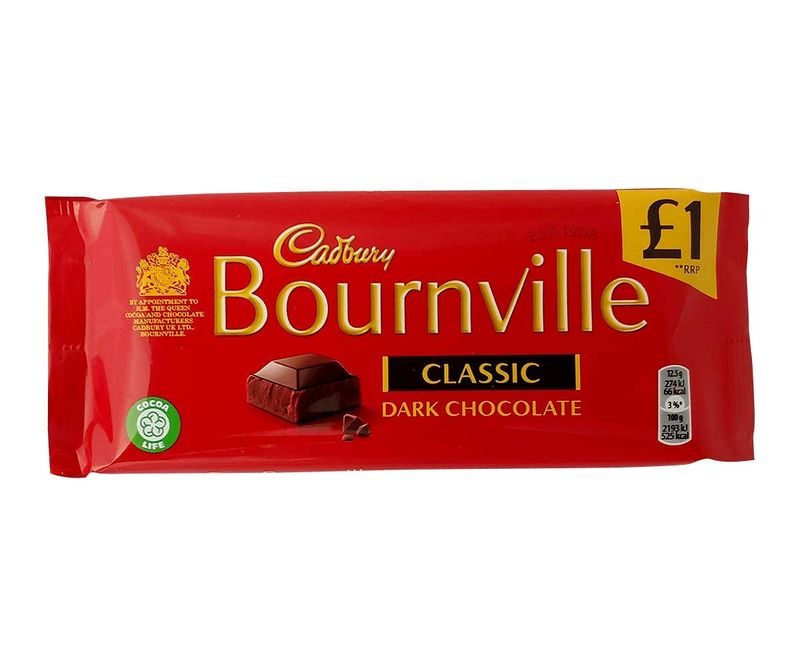
Dark chocolate lovers have the Cadbury family to thank for Bournville, first introduced in 1908. Named after their model village in Birmingham, the bar represented both quality and craftsmanship.
It was created to offer a more refined, less sweet chocolate option. Even today, Bournville remains a staple for those who prefer a classic dark treat with a hint of heritage.
6. Toblerone (1908)
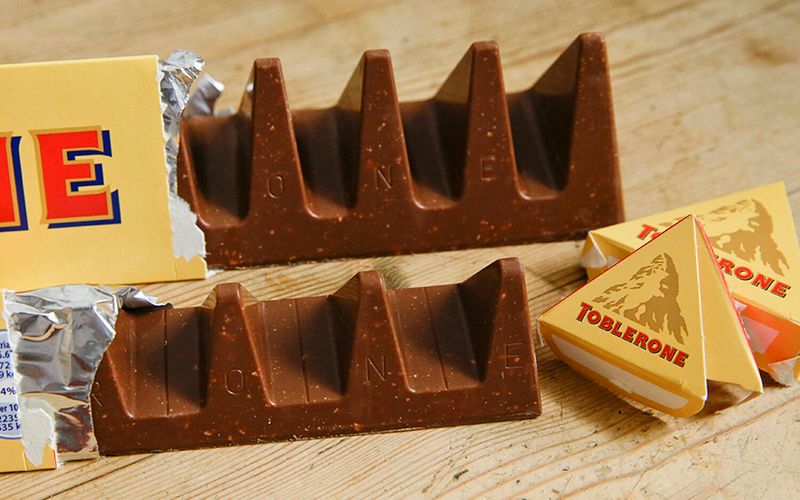
You don't have to see the label to know a Toblerone when you spot one. Launched in Switzerland in 1908 by Theodor Tobler and Emil Baumann, the bar's triangular peaks are said to have been inspired by the Swiss Alps.
The name combines "Tobler" with "torrone," the Italian word for nougat, nodding to its honey and almond filling. More than a century later, it remains a favourite souvenir and symbol of Swiss chocolate-making.
7. Fry's Turkish Delight (1914)
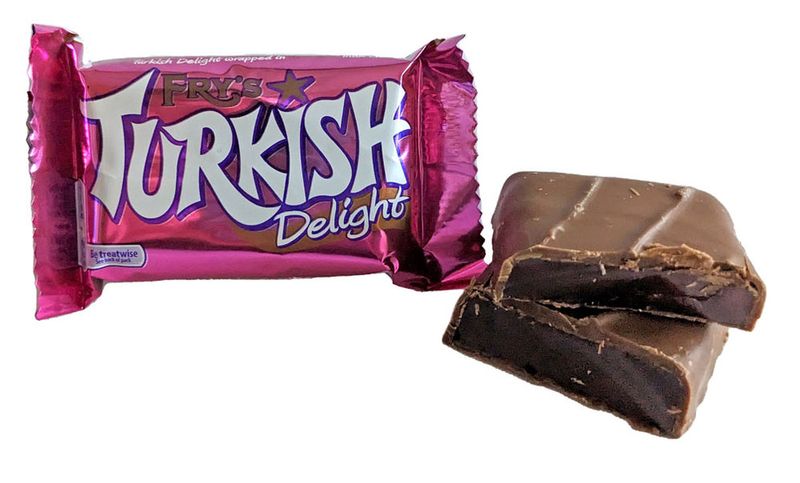
Long before fancy fillings became fashionable, Fry's Turkish Delight was already delighting chocolate lovers in 1914. It combined the chewy, rose-flavoured centre of traditional Turkish delight with a thin layer of chocolate - something quite novel at the time.
The unique mix of floral sweetness and chocolatey coating made it stand out instantly. It's still available tMars Baroday under the Cadbury brand, keeping that old-fashioned charm alive.
8. Baby Ruth (1920)
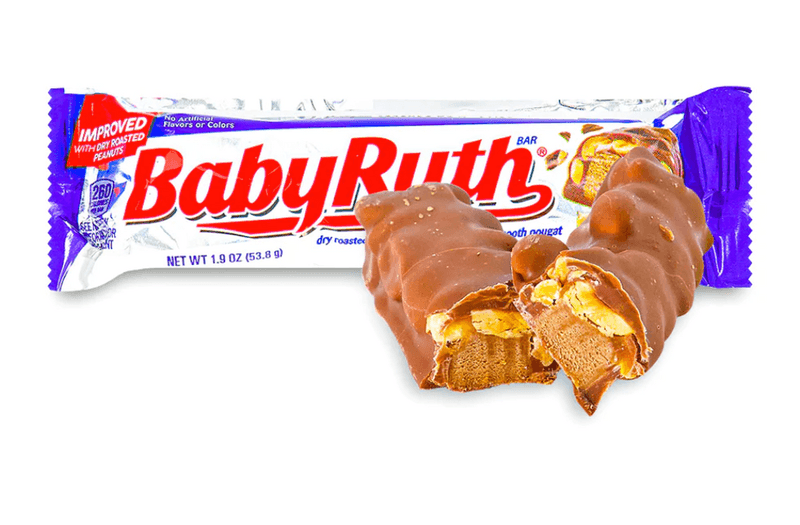
Introduced in the 1920s, the Baby Ruth bar featured peanuts, caramel, and nougat wrapped in milk chocolate - a combination that defined the era's sweet tooth.
Its hearty, nutty texture made it a filling snack during hard times. Today, it's still produced and widely sold across the United States.
9. Flake (1920)
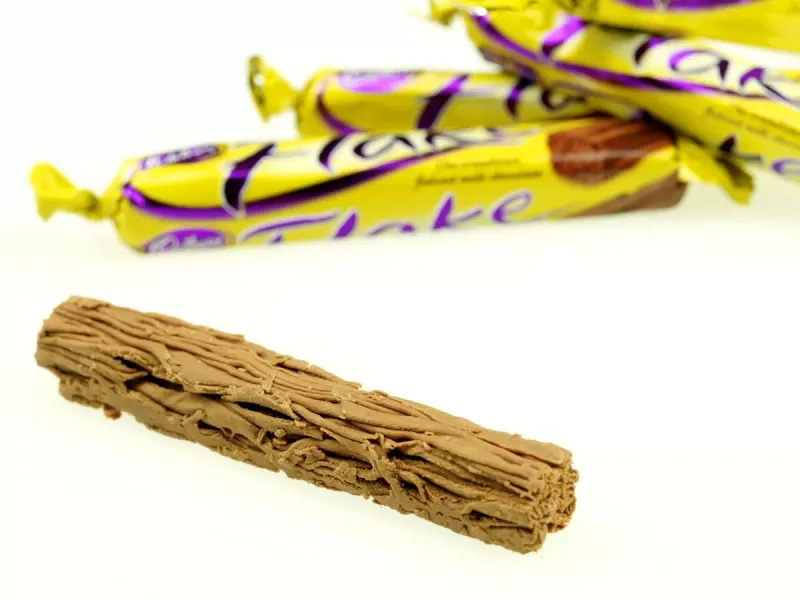
The creation of Flake was a happy accident in Cadbury's factory back in 1920. Workers noticed that thin streams of chocolate solidified into delicate, crumbly layers, and a new bar was born.
Its light texture made it an instant success, especially when used to crown soft-serve ice creams. Over a century later, that same flaky charm continues to win hearts across Britain and beyond.
10. Milky Way (1924)
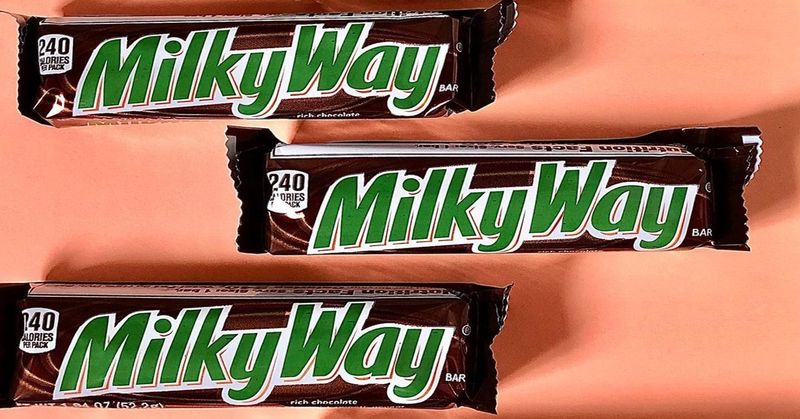
When the Milky Way bar arrived in 1924, it was designed to taste like a malted milkshake in solid form. That creamy nougat topped with caramel and coated in chocolate captured America's imagination right away.
It became a symbol of affordable indulgence during the Roaring Twenties. Still on shelves today, it's one of Mars's longest-running success stories.
11. Snickers (1930)
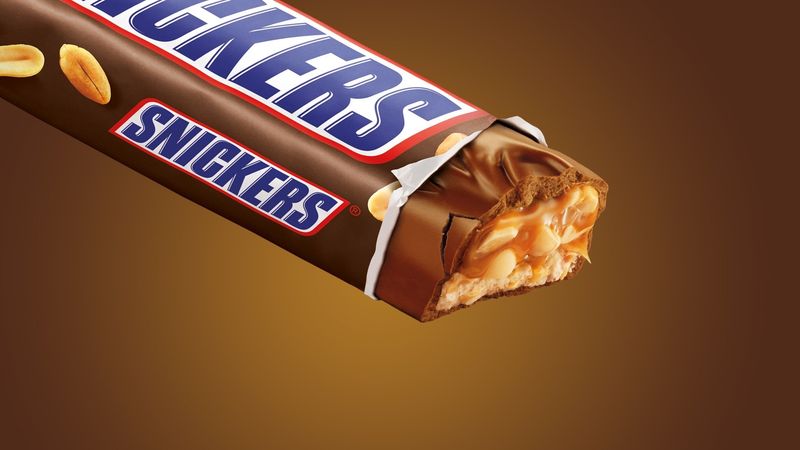
Originally launched as "Marathon" in some countries, Snickers first hit the market in 1930. Its winning mix of nougat, caramel, and roasted peanuts created a rich, chewy experience that quickly became a global favourite.
The bar was named after the Mars family's beloved horse, giving it a quirky origin story to match its satisfying bite. Today, Snickers remains one of the best-selling chocolate bars in the world.
12. Mars Bar (1932)
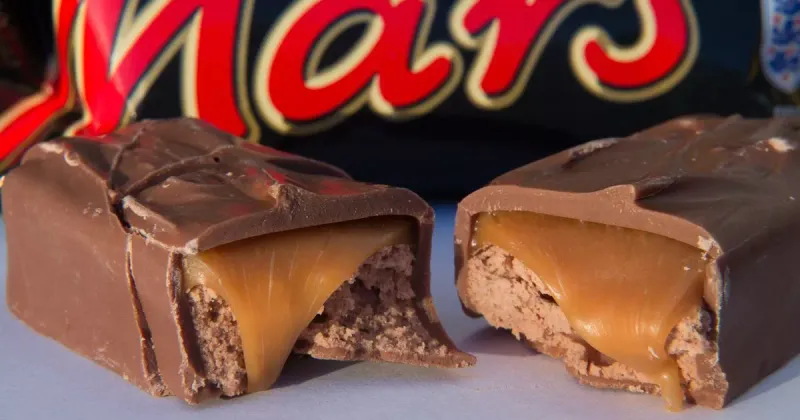
First produced in Slough, England, in 1932, the Mars Bar was developed by Forrest Mars Sr. as a British version of his father’s American Milky Way bar. It featured a soft layer of nougat topped with caramel and coated in milk chocolate, quickly winning over sweet lovers across the UK.
During World War II, production briefly paused due to rationing but resumed soon after. Today, the Mars Bar remains one of Britain’s most recognisable and enduring chocolate treats.
13. Ritter Sport (1932)
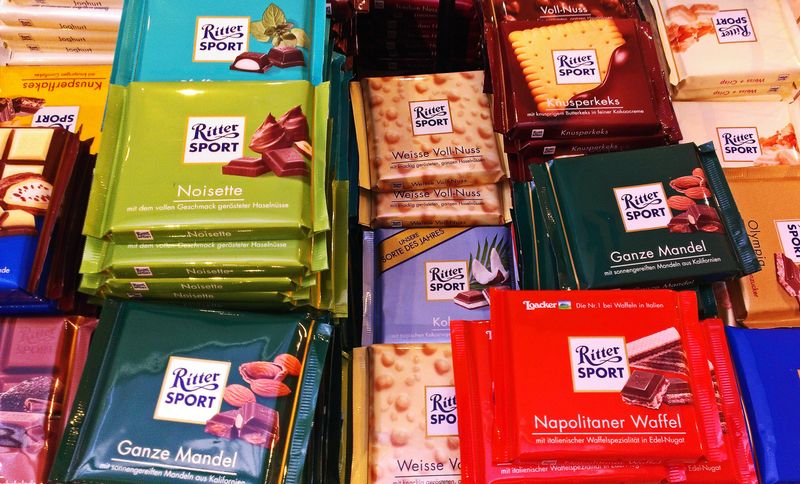
Germany's Ritter Sport added a clever twist to chocolate-bar design in 1932. Clara Ritter suggested creating a square bar that would fit neatly into a sports jacket pocket without breaking - practical and delicious.
Its compact shape and colourful wrappers soon made it instantly recognisable. The square format remains the brand's hallmark, with new flavours but the same enduring tradition.
14. Kit Kat (1935)
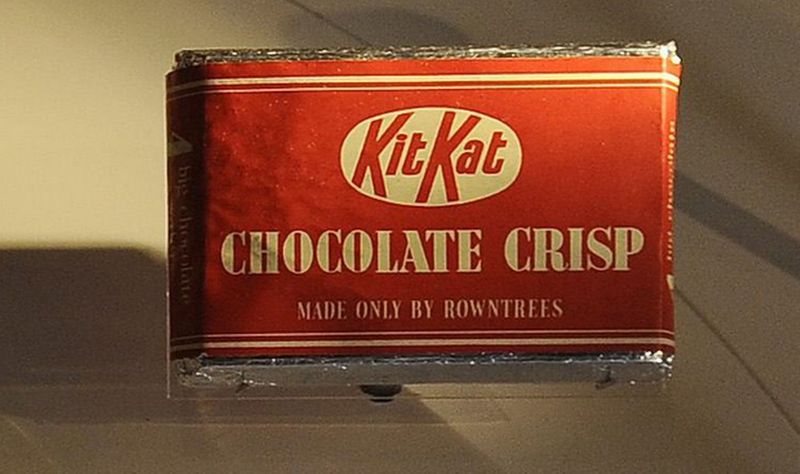
Originally called Rowntree's Chocolate Crisp, this British classic was renamed Kit Kat in 1937. Its crisp wafers covered in milk chocolate offered a satisfying crunch that perfectly suited tea breaks and lunch hours.
During World War II, it was briefly made without milk chocolate, but the name endured. Today, it's sold worldwide and still encourages everyone to "have a break."
15. Aero (1935)
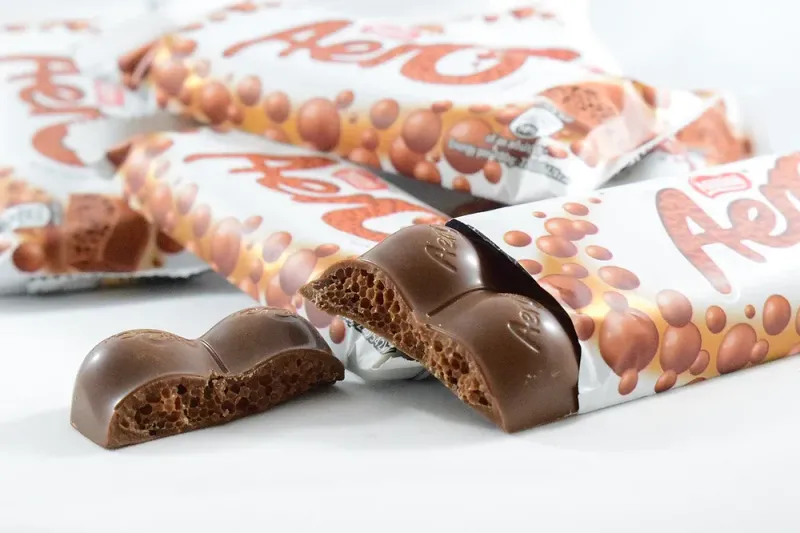
Rowntree's launched Aero in 1935, introducing a bubbly texture that set it apart from every other bar on the shelf. Those air-filled chocolate bubbles gave it a light, melt-in-the-mouth feel that remains iconic.
Its mint variety, added later, became especially popular. Nearly 90 years on, Aero still feels delightfully futuristic for a bar that began before World War II.