










British food history includes a variety of sandwich combinations that reflect the tastes and trends of their time.
While some of these vintage recipes may seem unusual by today’s standards, they offer insight into past eating habits and the evolution of everyday meals.
Although these sandwiches were once enjoyed by earlier generations, many are now rarely seen outside of historical cookbooks or food retrospectives.
This content is for general information only. Taste preferences, recipe availability, and cultural perceptions of food vary widely. Photos are for illustrative purposes only.
1. Toast Sandwich
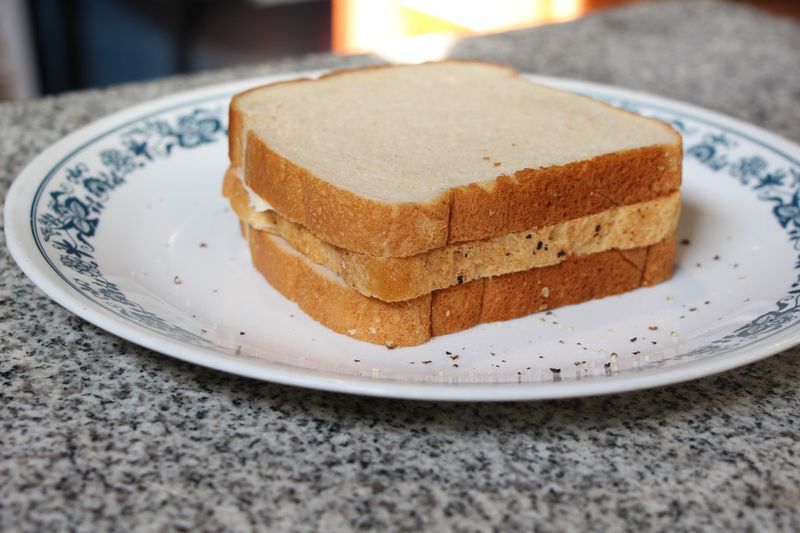
Victorian Britain gave us many wonderful things, but this wasn't one of them. Picture buttered bread wrapped around a slice of toast, seasoned with salt and pepper.
Mrs Beeton championed this creation in her famous cookbook, claiming it was perfect for invalids. Even during rationing, most Brits found better ways to stretch their ingredients than this carb-heavy monstrosity that basically turned bread into its own filling.
2. Jellied Chicken Sandwich
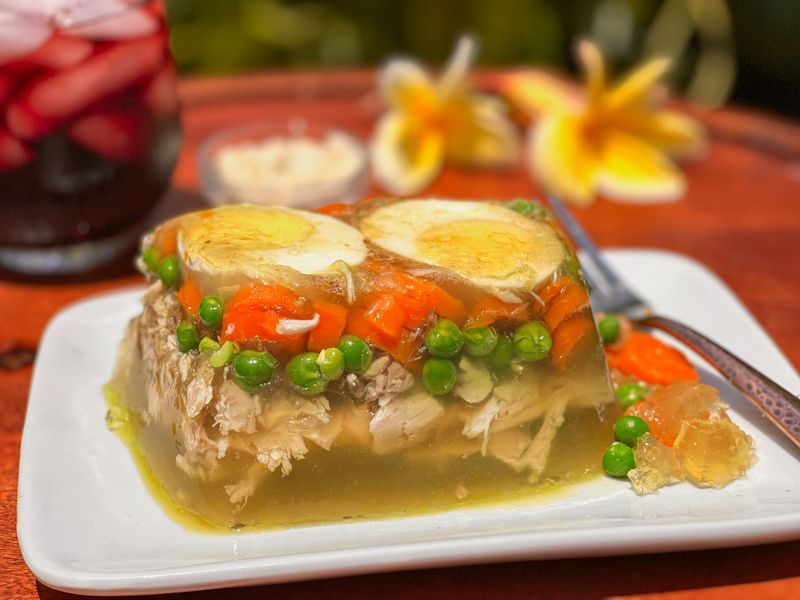
Cold, wobbly, and frankly terrifying, jellied chicken was once considered the height of sophistication at post-war tea parties. Chunks of chicken suspended in aspic jelly created a texture nightmare between two slices of white bread.
The gelatinous consistency made eating a proper challenge, often resulting in the filling sliding out mid-bite. Modern sandwich lovers have wisely moved on to fresher, less bouncy chicken options that don't require archaeological excavation.
3. Tinned Meat Sandwiches
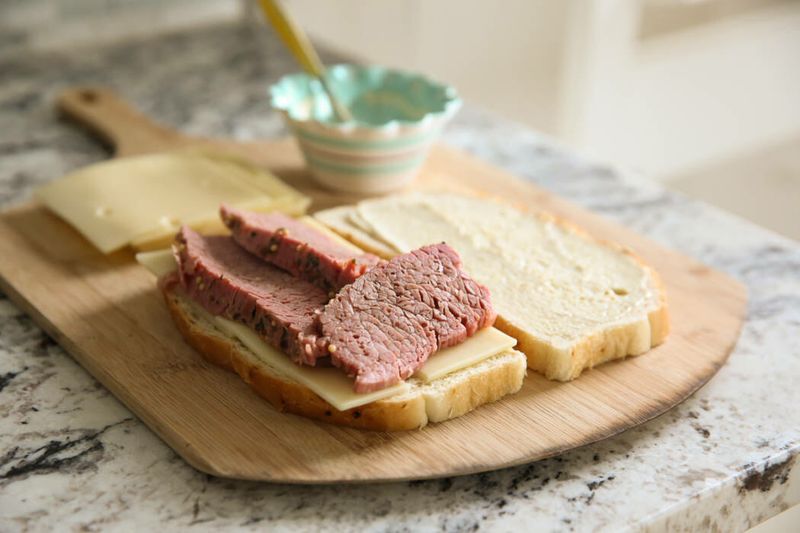
Spam, corned beef, and mystery meat pastes dominated British lunch boxes for decades, creating sandwiches with all the charm of cardboard. The salty, processed flavour and questionable texture made every bite an adventure in preservatives.
These tinned wonders promised convenience but delivered culinary disappointment. Today's fresh deli meats and proper roasts have thankfully relegated these metallic monstrosities to emergency rations and student desperation meals where they belong.
4. Fish Paste Sandwich
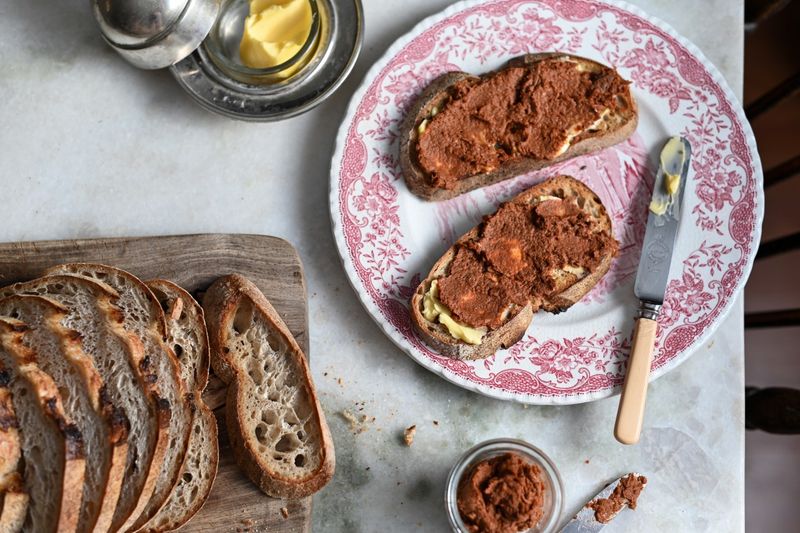
Bright pink salmon paste or anchovy spread looked more like makeup than food, yet somehow found its way onto countless British sandwiches. The intense fishy flavour could clear a room faster than a fire alarm.
These potted pastes promised omega-3 benefits but delivered an overwhelming assault on the taste buds. Modern sandwich makers have discovered that actual fresh fish tastes infinitely better than whatever chemical magic created these jarred abominations of the sea.
5. Dripping On Bread
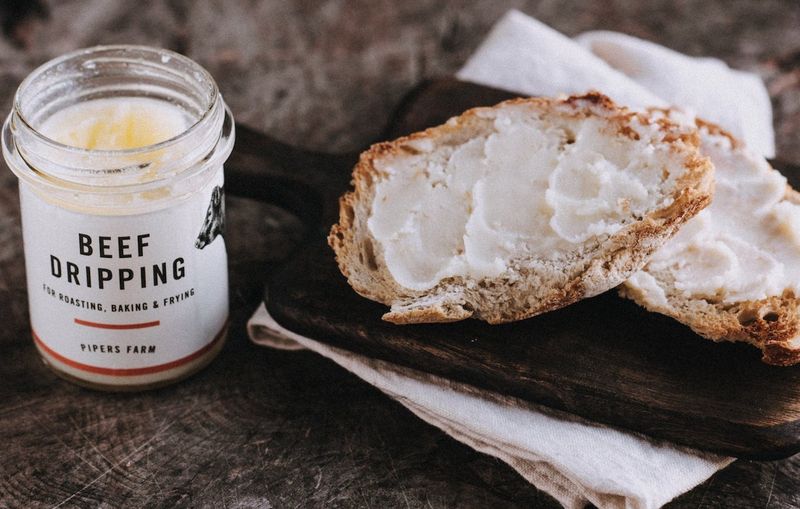
Beef dripping scraped from Sunday roast tins and spread thick on bread was considered a proper treat in working-class households. The solidified fat provided cheap calories during tough times.
While undeniably flavourful, this artery-clogging delight belonged to an era when physical labour burned off the consequences. Modern nutritional knowledge has us reaching for healthier spreads that won't require a cardiologist on speed dial after regular consumption.
6. Sardine And Cucumber Sandwich
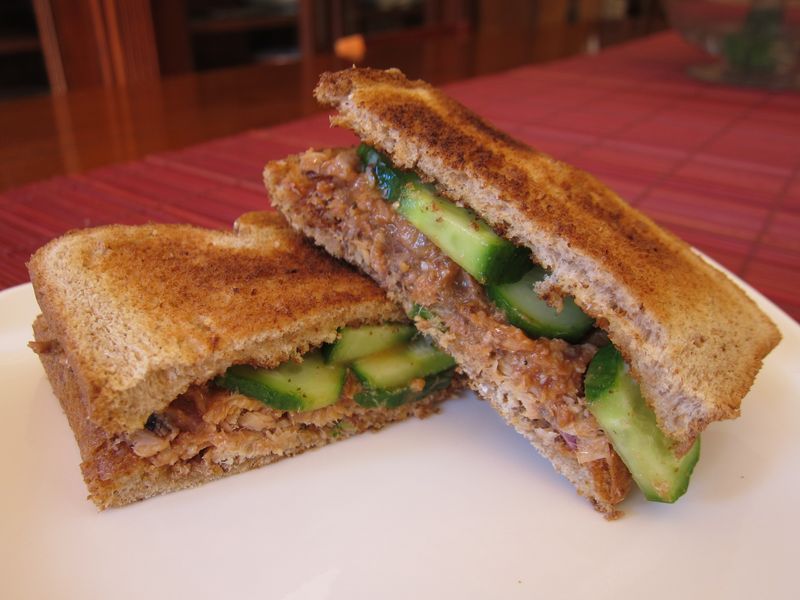
The collision of oily tinned sardines with crisp cucumber created a textural battlefield that few palates could navigate successfully. This combination appeared at countless British picnics, leaving lasting trauma.
The fish oils soaked through bread while cucumber provided an oddly refreshing contrast that somehow made everything worse. Contemporary sandwich artists have realised that some ingredients should never meet, no matter how healthy they might be individually.
7. Ham Banana Sandwich
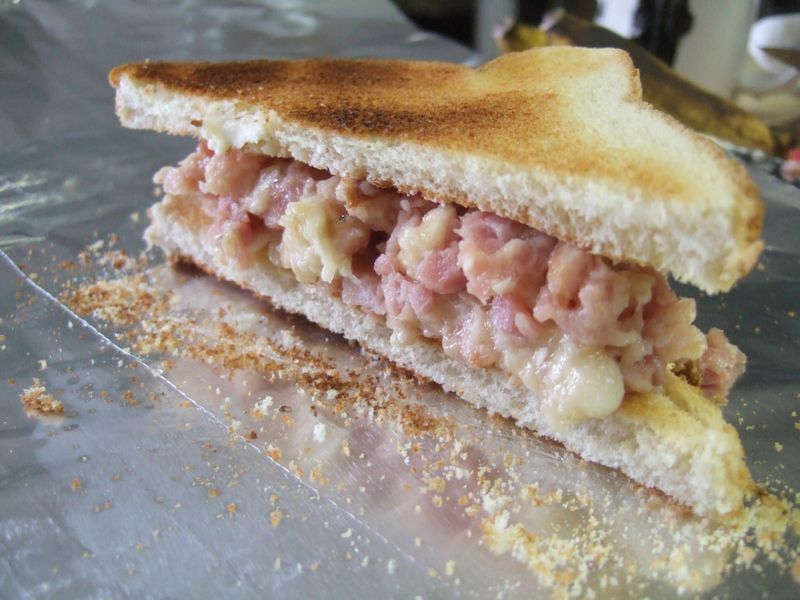
This bizarre American import somehow infiltrated British kitchens during the swinging sixties, pairing salty ham with sweet banana in ways nature never intended. The fruit's mushiness against processed meat created textural chaos.
Even Elvis couldn't make this combination work long-term. British taste buds eventually rebelled against this transatlantic oddity, preferring to keep their fruit and meat in separate courses where they belonged, maintaining some semblance of culinary sanity.
8. Jam And Margarine Sandwich
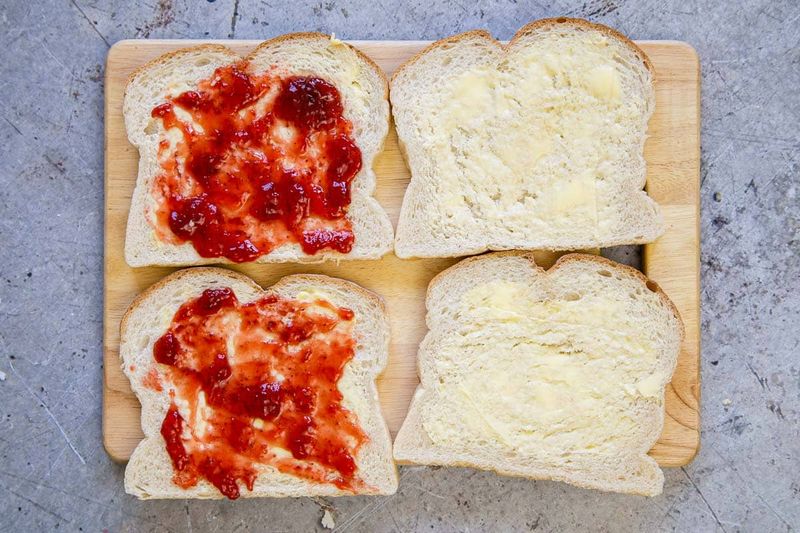
Cheap margarine mixed with sweet jam created a greasy, sugary mess that somehow passed for a proper meal in post-war Britain. The artificial butter substitute added an unpleasant chemical undertone to the fruit preserves.
This combination represented making do rather than making good food. Today's butter and quality preserves have shown us that some corners shouldn't be cut when it comes to basic ingredients that form our daily bread.