






Remember when salad wasn't just about balsamic vinaigrette or ranch? Our grandparents' generation had an entirely different arsenal of tangy toppings for their lettuce and veg. These nostalgic dressings once graced dinner tables across Britain but have gradually disappeared from our culinary landscape.
Let's rediscover these vintage flavours that deserve another chance in the spotlight.
This article is for general information and nostalgic exploration only. Food preferences and trends vary over time, and dishes considered outdated or uncommon today may still be enjoyed by some.
1. French Dressing
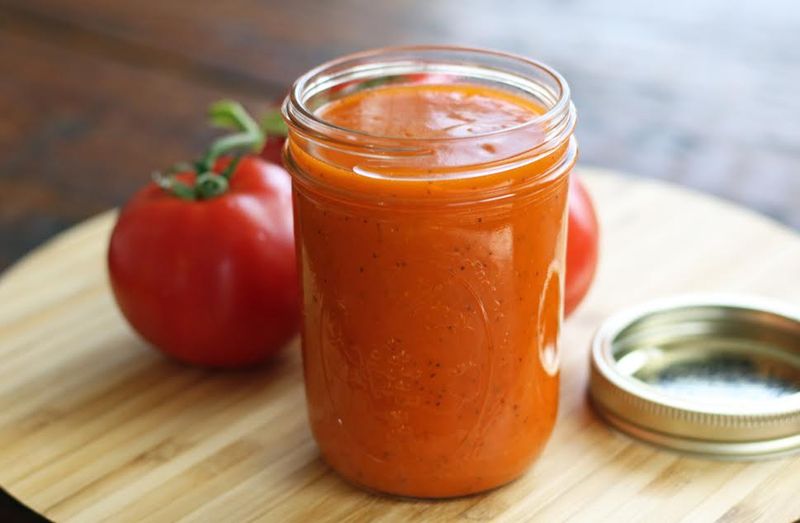
Despite its name, authentic French dressing bears no resemblance to the bright orange bottled version most Brits remember from childhood. The original was a simple vinaigrette of oil, vinegar, and Dijon mustard.
By the 1970s, British supermarkets sold a sweetened, ketchup-infused concoction that turned our salads sunset-orange. The creamy, tangy version has largely vanished from modern tables.
2. Thousand Island Dressing
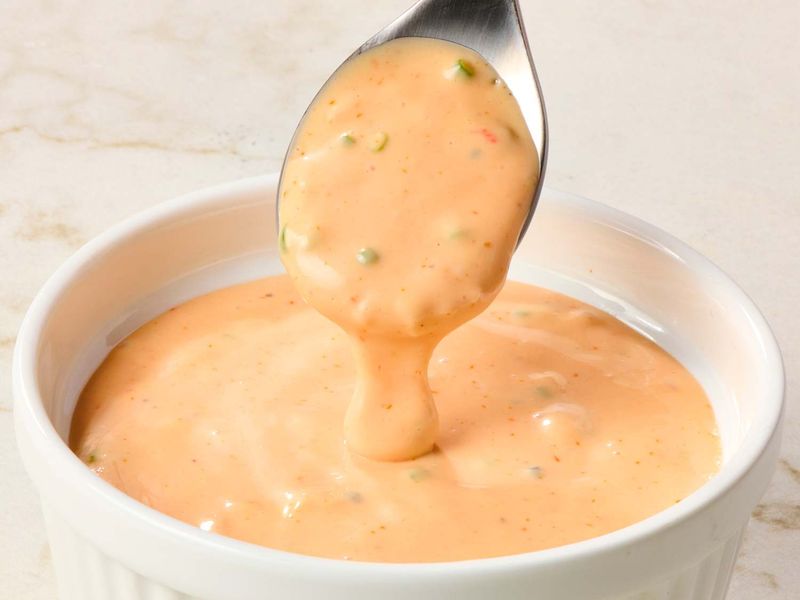
Once the sophisticated choice for prawn cocktails and Waldorf salads, this pink-hued mixture combined mayonnaise, ketchup, and chopped pickles. Its peculiar name references the Thousand Islands region between the US and Canada.
Popular throughout the 1960s and 70s, this creamy concoction was considered the height of dinner party sophistication. Now it's rarely seen outside of retro-themed restaurants and nostalgic cookbooks.
3. Coleslaw Dressing
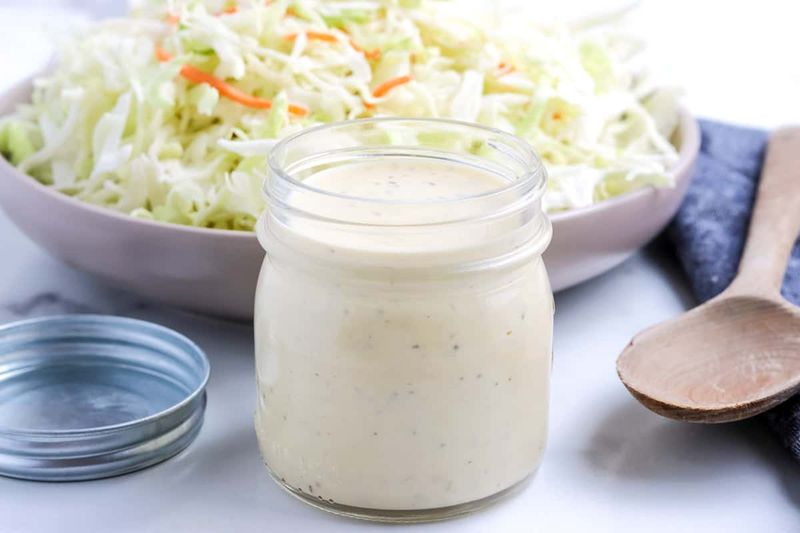
Before supermarket tubs took over, homemade coleslaw dressing was a kitchen staple. The traditional version blended mayonnaise with vinegar, sugar, and mustard for a sweet-tangy flavour that transformed cabbage.
Grandmothers would adjust the recipe seasonally – lighter in summer, creamier in winter. Modern shoppers now reach for pre-made coleslaw, missing the distinctive zip and freshness of the scratch-made dressing.
4. Marie Rose Sauce
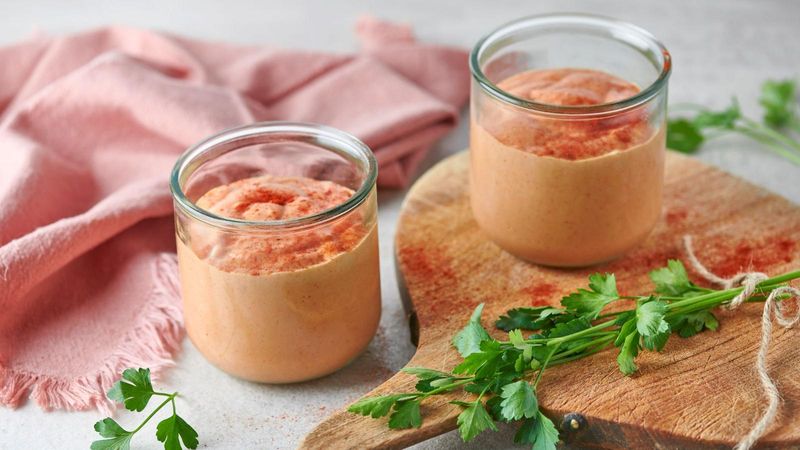
The quintessential British prawn cocktail companion, Marie Rose sauce was the sophisticated starter dressing of the 1970s. This simple blend of mayonnaise, tomato ketchup, Worcestershire sauce, and a dash of seasoning created culinary magic.
Named after the Tudor warship, this pink sauce was once so ubiquitous that no dinner party was complete without it. Today, it's relegated to retro menus and seaside cafés.
5. Garlic Mayo
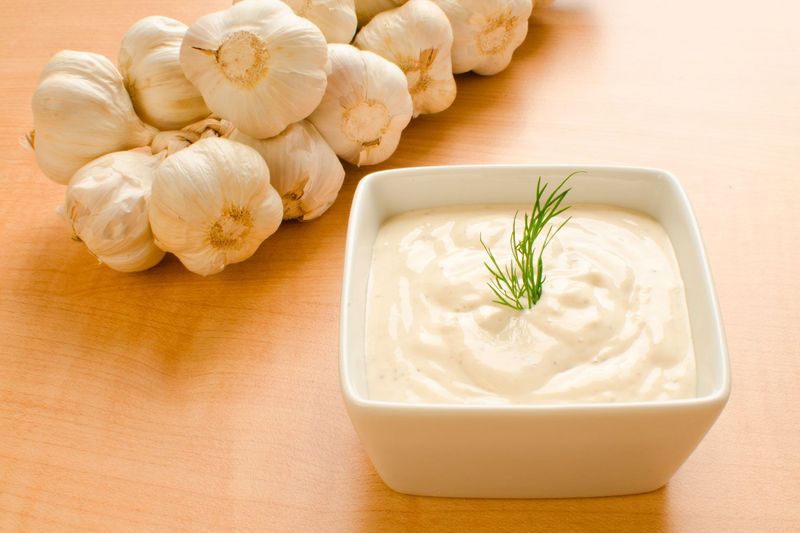
Long before aioli became fashionable, British households made simple garlic mayo as a special treat for salads. Crushed garlic cloves mixed into homemade mayonnaise created a pungent dressing that transformed plain lettuce.
The homemade version had a rustic quality missing from today's mass-produced varieties. Garlic was once considered exotic in British kitchens, making this dressing feel particularly continental and sophisticated.
6. Lemon And Oil Dressing
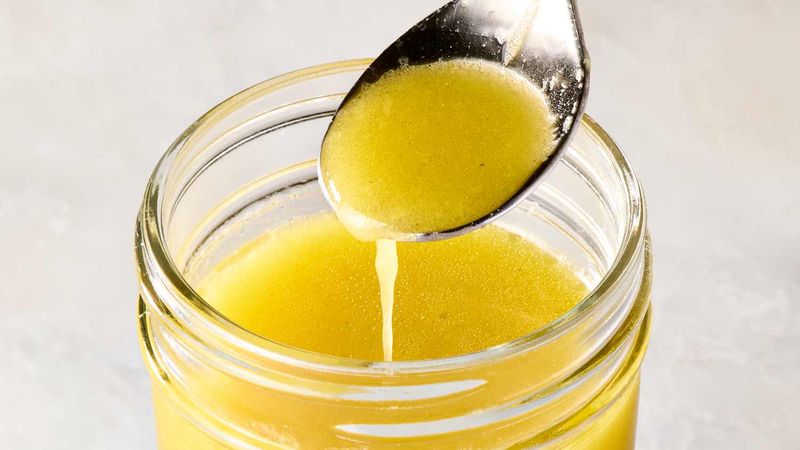
Before balsamic vinegar conquered Britain, the simplest salad dressing was just fresh lemon juice and olive oil. This Mediterranean classic was introduced to British tables by holidaymakers returning from Spain and Italy in the 1960s.
The sharp, clean flavours were considered revolutionary compared to heavier cream-based dressings. Now overlooked for more complex vinaigrettes, this elegant pairing deserves rediscovery for its pure, uncomplicated taste.
7. Salad Cream
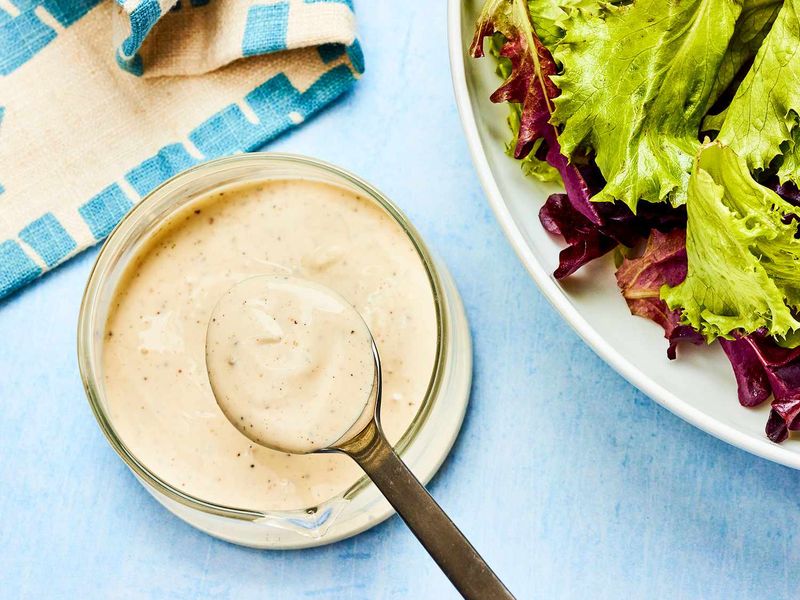
The quintessentially British alternative to mayonnaise, Heinz Salad Cream was once the nation's favourite dressing. Its distinctive tangy flavour came from spirit vinegar, sugar and mustard, creating something entirely different from continental offerings.
Found in nearly every fridge from the 1940s through the 1980s, it's now considered old-fashioned. The younger generation increasingly reaches for mayonnaise instead, leaving this creamy yellow condiment in culinary history.
8. Green Goddess Dressing
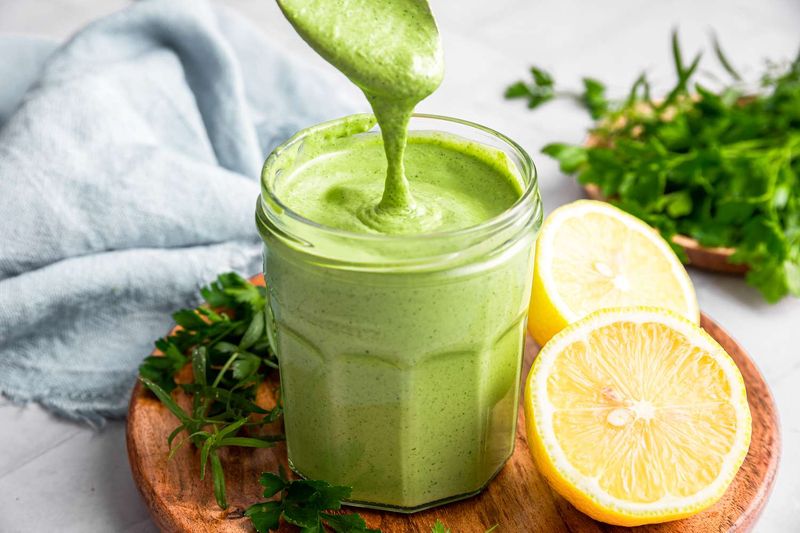
Created in the 1920s at San Francisco's Palace Hotel, Green Goddess dressing arrived in Britain during the 1970s as an exotic American import. The vibrant green mixture combined mayonnaise, sour cream, anchovies and fresh herbs.
Its name alone suggested something magical and different from traditional British fare. Despite a brief revival in foodie circles, this herby, punchy dressing has largely disappeared from British tables and supermarket shelves.
9. Honey And Mustard
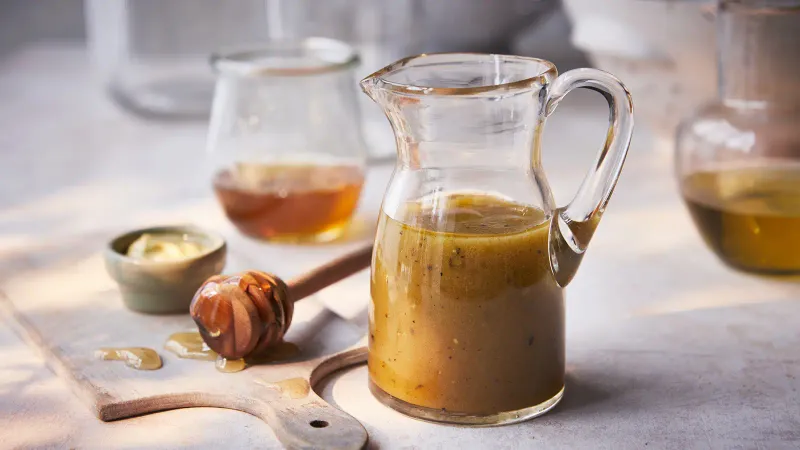
Before being bottled and mass-produced, honey and mustard dressing was a homemade speciality reserved for Sunday lunch salads. The balance of sweet honey against peppery English mustard created a perfect counterpoint to bitter leaves.
Grandmothers would adjust the ratio depending on the season and accompanying meal. Modern versions tend to be over-sweetened and lack the punch of these traditional homemade versions with their perfect sweet-sharp equilibrium.
10. Blue Cheese Dressing
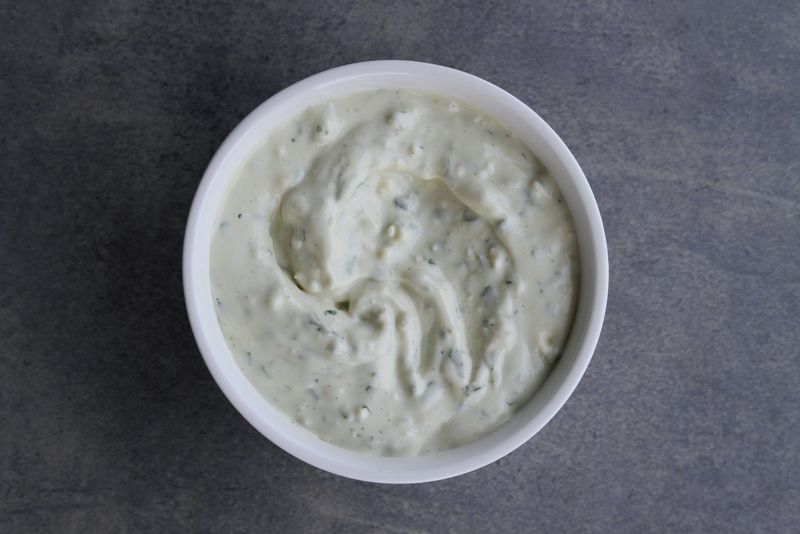
The original British blue cheese dressing was nothing like today's mass-produced versions. Crumbled Stilton mixed with sour cream, a splash of milk, and cider vinegar created a pungent, sophisticated topping for simple salads.
Popular in upscale restaurants during the 1960s, it was considered the height of sophistication. The homemade version had visible cheese crumbles and a distinctively British tang from the Stilton that's missing from modern interpretations.