











Breakfast tables of yesteryear were magical places where our grandparents worked culinary wonders with limited resources. Their generation knew how to make the most of every ingredient, stretching supplies during lean times while still creating memorable morning meals.
These practical breakfast tricks weren't just clever - they were essential skills passed down through families, creating flavours and traditions we still cherish today.
This article is intended for general information and nostalgic reflection only. Breakfast traditions varied by region and household. Photos are for illustrative purposes and results may differ.
1. Saving Bacon Drippings For Frying Eggs
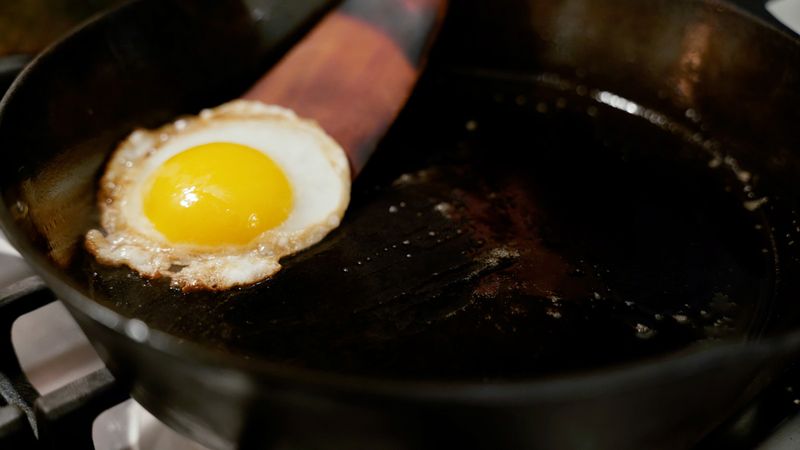
Nothing went to waste in Gran's kitchen. After frying up bacon, that golden, smoky fat was carefully poured into a little pot kept by the cooker.
Next morning, a spoonful would transform ordinary eggs into something heavenly - crispy-edged with a rich, savoury flavour that modern cooking sprays simply can't match.
2. Making Porridge With Water And A Pinch Of Salt
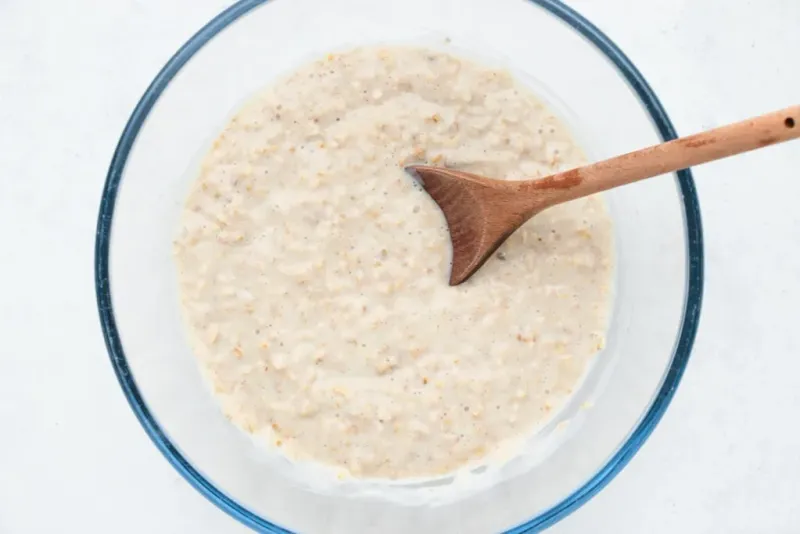
Milk was precious in post-war Britain, often reserved for tea or the children's cups. Grandparents knew porridge made with water and just a pinch of salt created a surprisingly creamy texture.
The salt brought out the oats' natural sweetness without needing sugar. This humble combination sustained families through countless winter mornings.
3. Stretching Leftovers Into Bubble And Squeak

Monday mornings meant transforming Sunday's leftover vegetables and potatoes into a magnificent breakfast fry-up. Mashed together and fried until crispy, the mixture would literally bubble and squeak in the pan.
Topped with a fried egg, this humble dish turned yesterday's vegetables into a hearty start to the week, wasting nothing.
4. Toasting Bread On The Stove Or Fire
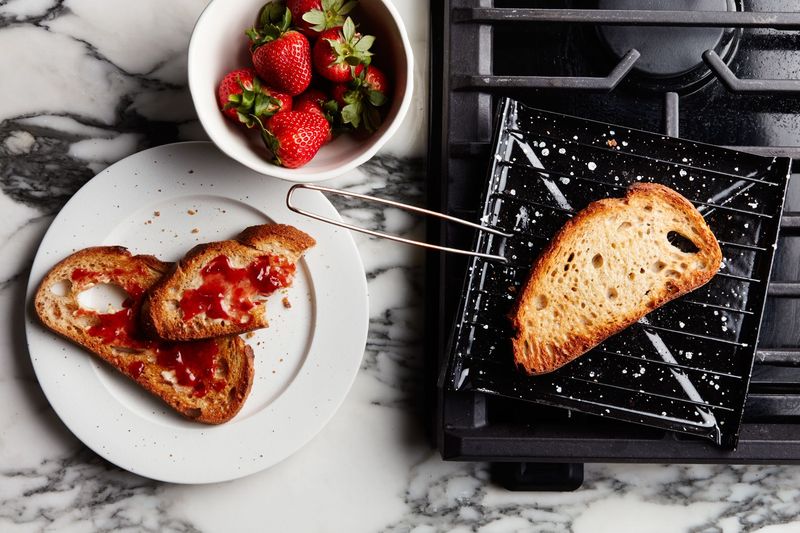
Long before electric toasters became household staples, Grandma toasted bread on a wire rack over the stove flame or directly by the fireplace. Each slice required careful attention to prevent burning.
The result was bread with a wonderfully uneven char and smoky flavour that modern appliances simply cannot replicate. Perfect for a scrape of butter and homemade jam.
5. Serving Oatcakes Or Drop Scones Instead Of Toast

When flour was scarce, Scottish and northern grandmothers reached for oats. Mixed with a little fat and water, they'd create thin oatcakes or fluffy drop scones on the griddle.
These versatile alternatives to bread required minimal ingredients and cooked quickly. Served warm with a smear of butter, they filled hungry bellies before long workdays.
6. Using Tea Leaves Twice To Make It Go Further

The morning pot of tea wasn't just for one brewing in thrifty households. After pouring the first strong cups, grandparents would add more hot water to the same leaves.
This 'second brewing' produced a lighter tea, perfect for later morning sipping. During rationing, this clever trick meant the precious tea caddy lasted twice as long.
7. Adding A Spoonful Of Jam To Sweeten Porridge
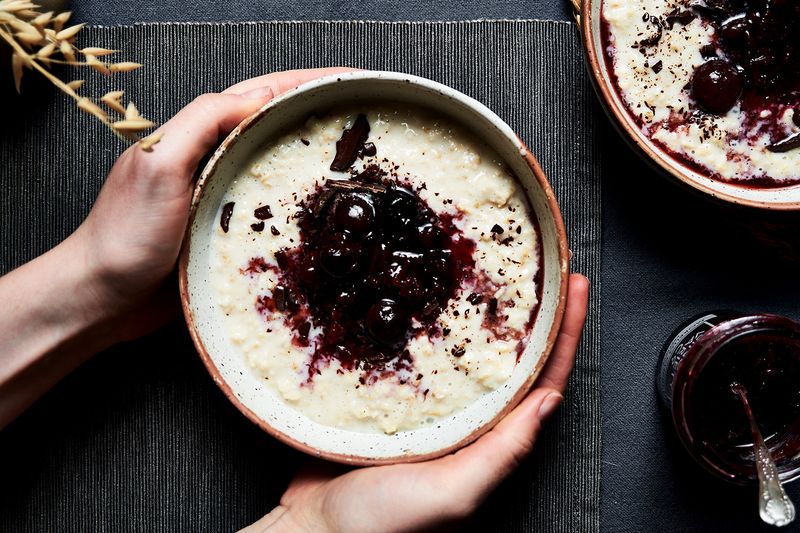
When sugar was rationed or simply too dear for everyday use, a clever dollop of homemade jam transformed plain porridge into a special treat. The jam would melt into glorious swirls throughout the hot oats.
Children would eagerly dig for these sweet pockets, making breakfast an adventure rather than a chore. Strawberry or blackberry were particular favourites.
8. Frying Bread In Drippings For Extra Flavour

Plain bread transformed into something magnificent when fried in saved meat drippings. Grandad would slice day-old bread thickly, then fry it golden in the precious fat saved from Sunday's roast.
The outside turned crisp while the inside stayed soft. Paired with a runny egg, this humble treat delivered enough energy for morning farm chores or factory shifts.
9. Cracking An Egg Into Porridge Or Broth For Protein

During lean times, a single egg could feed the whole family when whisked into hot porridge or broth. The heat would cook the egg as it was stirred in, creating a protein-rich breakfast that stuck to your ribs.
This Scottish technique called 'crowdie' made porridge creamier and more nutritious. Grandparents knew this simple addition would keep hunger at bay until lunchtime.
10. Making Homemade Marmalade

January meant marmalade-making day, when Seville oranges briefly appeared in shops. Grandmothers would commandeer the kitchen, filling it with the bitter-sweet aroma of oranges and sugar bubbling away.
The golden preserve was stored in recycled jars, carefully labelled and dated. A year's worth of breakfast sunshine, captured in those steamy winter kitchens for pennies rather than pounds.