


Remember the days when the kitchen smelled of slow-cooked roasts and homemade puddings, and every meal felt like a proper family affair? Many of those old-fashioned cooking habits are quietly disappearing as younger Brits embrace quicker, simpler ways to eat. There’s a lot to appreciate about these traditions, but some are fading fast - and it’s fascinating to see which ones just won’t make a comeback.
This article is for general informational purposes only. While it looks at traditional cooking methods and habits, individual dietary needs and preferences vary, so adapt any advice to suit your own health and lifestyle.
1. Boiling Vegetables Until They're Mushy
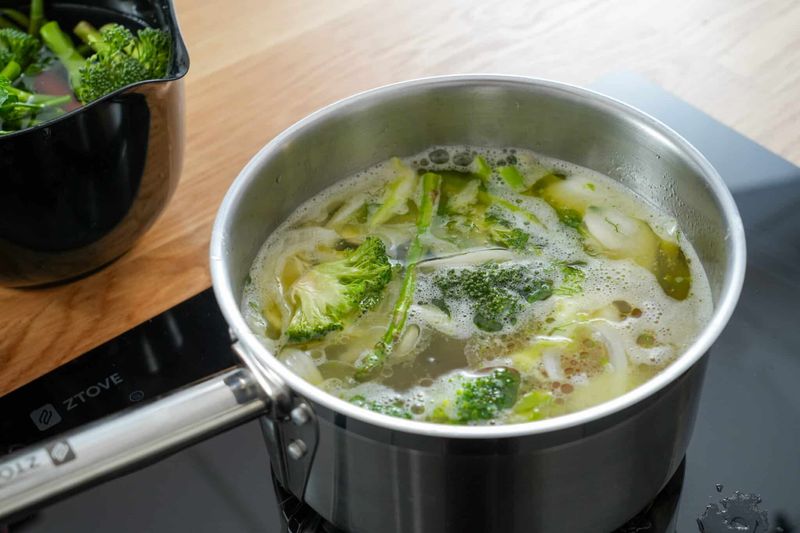
Grandma's boiled carrots and sprouts often turned into flavourless mush after sitting in bubbling water for far too long. This method destroyed nutrients and left vegetables looking dull and unappetising.
Today's cooks prefer steaming, roasting, or stir-frying to keep vegetables crisp and colourful. Nobody misses those grey-green Brussels sprouts that tasted like soggy paper.
2. Making Everything From Scratch Every Day

Previous generations spent entire mornings baking bread, making pastry, and preparing preserves from scratch daily. Whilst admirable, this exhausting routine left little time for anything else.
Modern Brits appreciate convenience without sacrificing quality. Shop-bought bread and ready-made pastry aren't cheating - they're sensible time-savers. Fresh ingredients still matter, but nobody needs to grind their own flour anymore.
3. Using Lard Instead Of Oil Or Butter
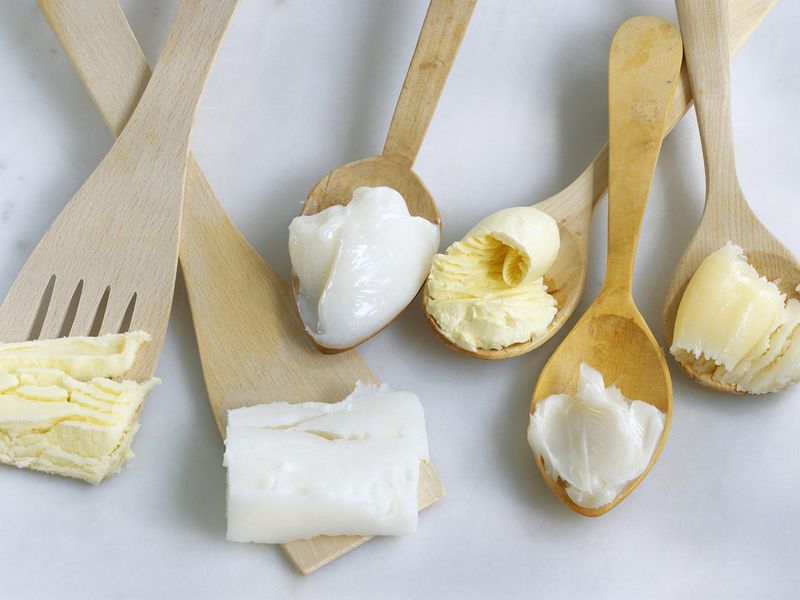
Lard was once the go-to fat for everything from roast potatoes to pastry, prized for its affordability and availability. However, its heavy texture and strong flavour don't appeal to health-conscious younger cooks.
Olive oil, rapeseed oil, and butter have replaced lard in most modern kitchens. These alternatives taste lighter and fit better with contemporary cooking styles and dietary preferences.
4. Cooking With Offal Like Liver And Kidneys
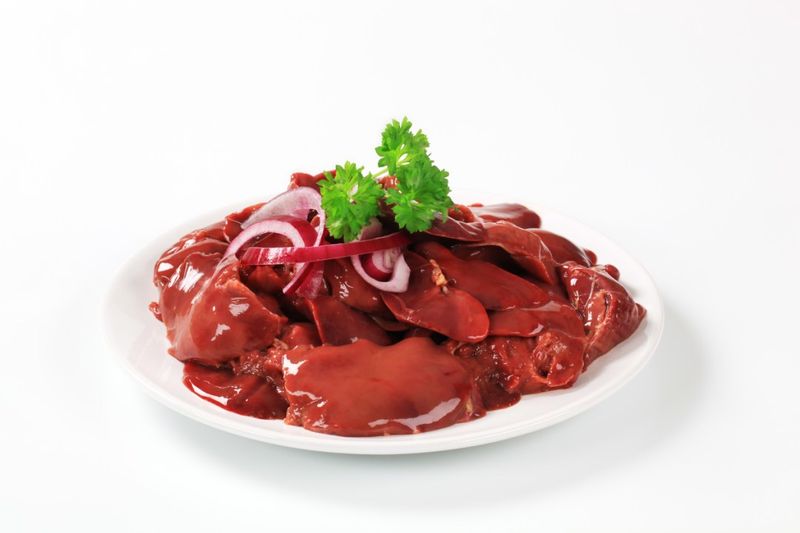
Liver, kidneys, and other organ meats regularly appeared on dinner tables when wasting any part of an animal seemed wrong. Their strong, metallic taste and unusual texture made them divisive even then.
Younger Brits overwhelmingly reject offal, finding it unappetising and difficult to prepare properly. Plant-based proteins and conventional cuts have taken their place without anyone feeling they're missing out.
5. Serving Jelly-Based Salads Or Aspic Dishes
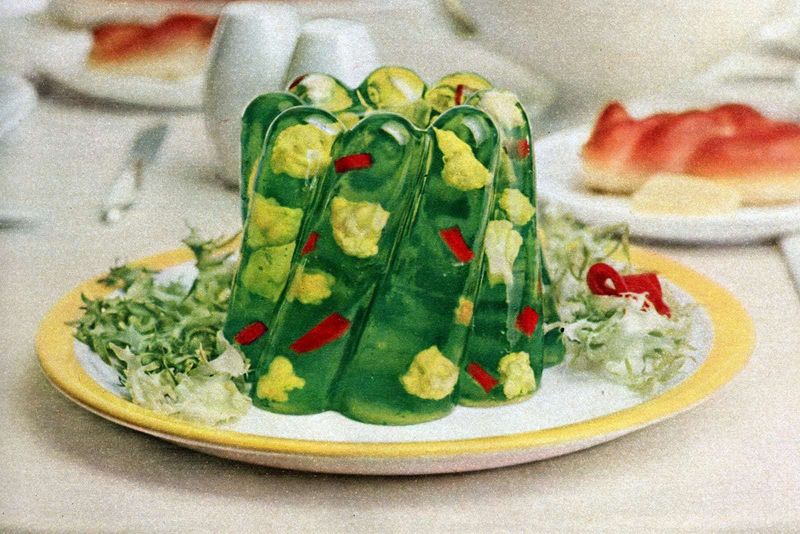
Savoury jellies containing vegetables, eggs, or even meat once graced British dinner parties as sophisticated starters. The wobbly, translucent appearance and strange texture now seem bizarre rather than elegant.
Modern palates prefer fresh, uncomplicated salads with simple dressings. Aspic dishes belong firmly in vintage cookbooks, remembered more as curiosities than culinary masterpieces worth reviving.
6. Reusing Meat Drippings For Gravy And Frying
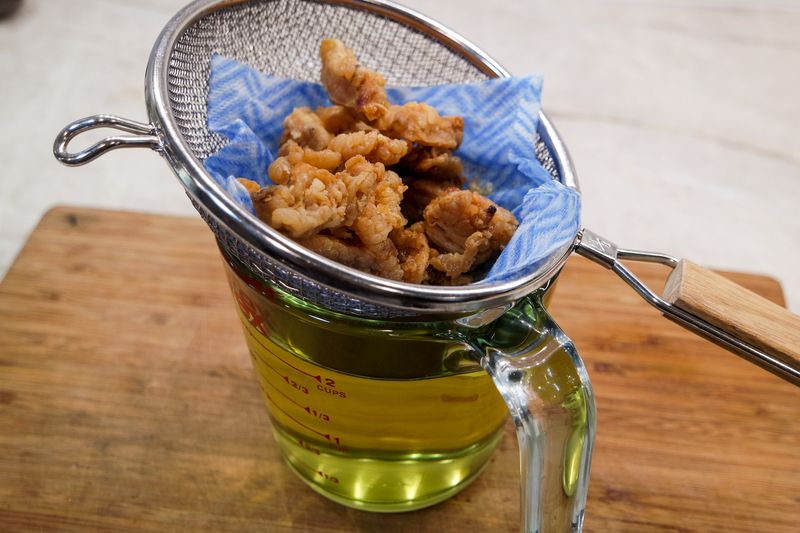
Saving fat from Sunday roasts in jars to use throughout the week was standard practice when nothing went to waste. The drippings added flavour to gravies and fried foods but also added considerable saturated fat.
Today's cooks prefer fresher, lighter cooking methods. Storing old meat fat feels unhygienic to younger generations who have countless healthier alternatives readily available.
7. Stewing Meat For Hours On The Hob
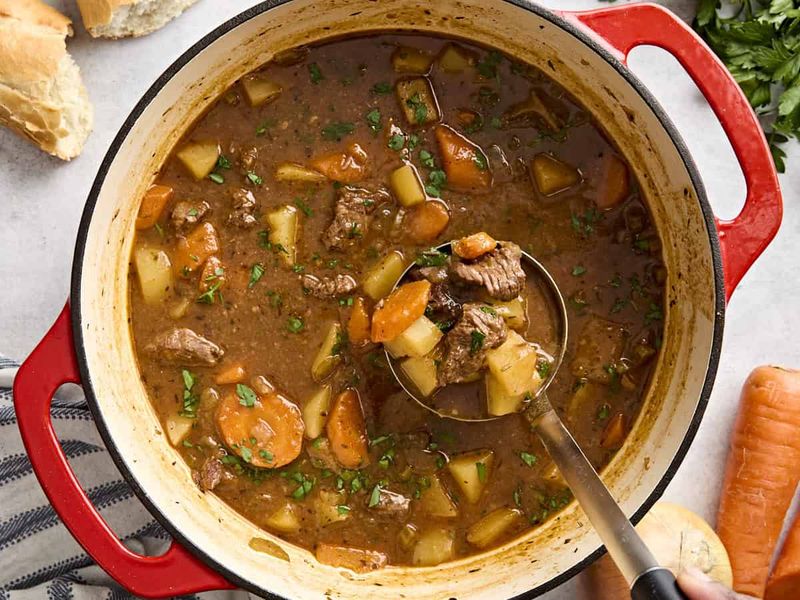
Tough cuts of meat required hours of gentle simmering to become tender, demanding constant attention and heating the entire house. Whilst the results could be delicious, the process was exhausting and expensive.
Slow cookers and pressure cookers achieve similar results with far less effort and energy consumption. Younger Brits appreciate tender meat without standing over a hot stove all afternoon.
8. Baking Without Measuring Ingredients Properly
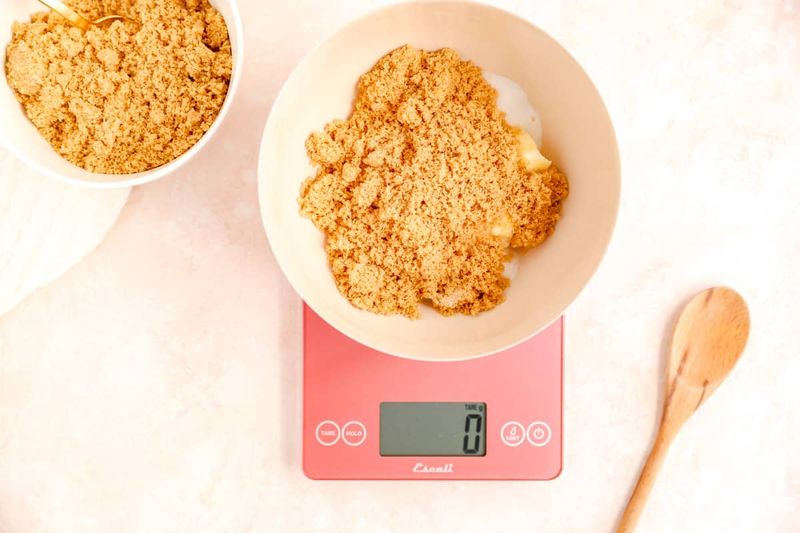
Experienced bakers once relied on intuition, using handfuls, pinches, and estimations rather than precise measurements. This worked brilliantly for them but left recipes impossible for others to replicate successfully.
Modern bakers prefer accuracy, especially when trying new recipes. Digital scales and proper measuring tools ensure consistent results every time, removing the guesswork and reducing expensive baking disasters.
9. Soaking Fruit In Strong Spirits For Every Dessert
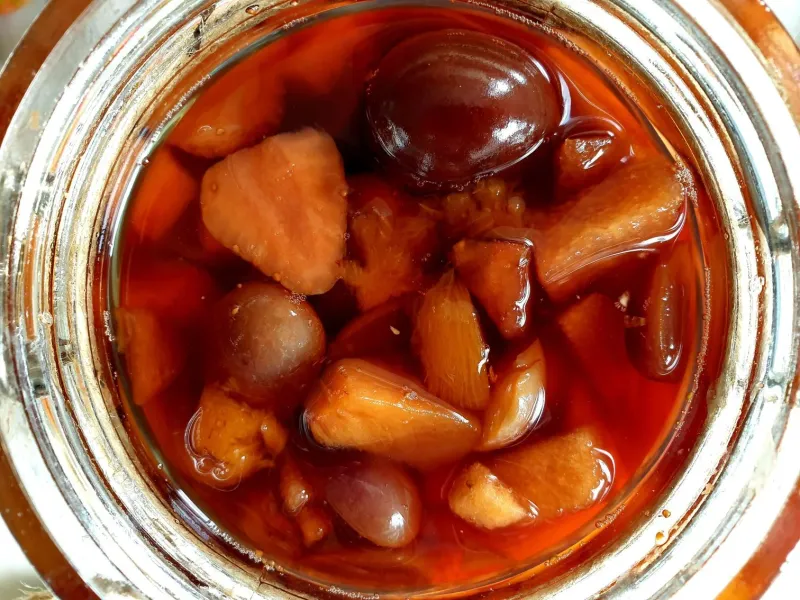
Christmas puddings, fruit cakes, and trifles traditionally featured dried fruit soaked in strong spirits for weeks or months. The practice added depth but also made desserts unsuitable for children and certain adults.
Younger cooks prefer lighter, fresher desserts that everyone can enjoy. When they do make traditional recipes, they often reduce or eliminate the lengthy soaking process entirely.
10. Eating Dinner At The Same Time Every Evening

Previous generations ate dinner at precisely the same time daily, usually between five and six o'clock, regardless of circumstances. This rigid schedule provided structure but left little flexibility for modern lifestyles.
Today's families juggle varied work schedules, hobbies, and commitments that make fixed mealtimes impractical. Younger Brits prefer eating when it suits them, prioritising quality time together over clock-watching.