











Healthy eating in 2026 looks set to become simpler, more practical, and far easier to maintain in everyday life.
Leading UK nutritionists are highlighting small shifts that focus on fibre, plant-based foods, smarter alcohol choices, and listening to the body rather than tracking every bite.
Together, these trends point towards habits that feel realistic, flexible, and supportive of long-term wellbeing.
All information is provided for general interest only and does not replace professional medical or dietary advice.
Individual needs may vary.
Photos are for illustrative purposes only.
1. Fibre Moves Into The Spotlight
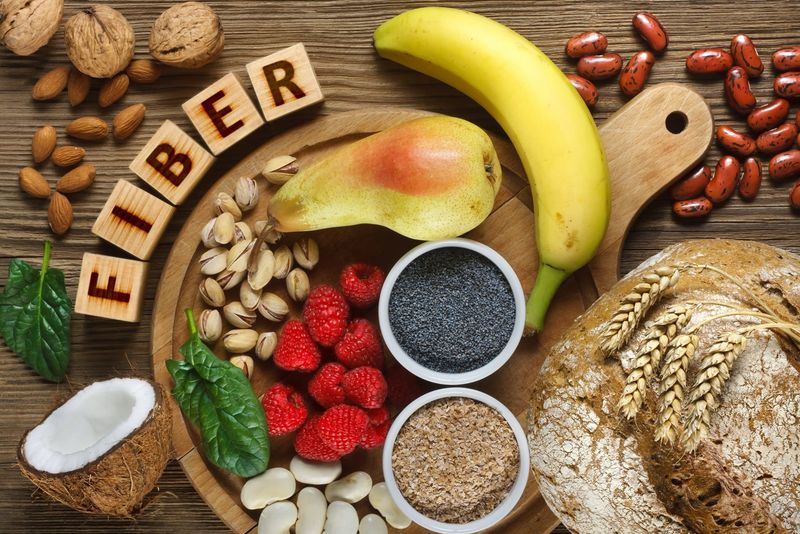
Priya Tew, specialist dietitian from Dietitian UK and author of The Complete Low-FODMAP Diet Plan, believes fibre will replace protein as the big nutrition focus in 2026.
She explains that fibre plays a key role in gut health by feeding beneficial bacteria, helping regulate digestion, supporting stable blood sugar levels, and contributing to heart health.
Many adults in the UK still fall short of the recommended 30g per day, which is why simple upgrades such as adding chia seeds to breakfast, choosing lentils or quinoa at lunch, and filling half the plate with vegetables at dinner are gaining attention.
Priya also stresses the importance of increasing fibre gradually to avoid bloating or discomfort.
2. The Rise Of Mindful Choices

Registered dietitian Amanda Ursell expects no and low alcohol drinks to become even more mainstream in 2026, driven by changing attitudes towards drinking and the growing popularity of challenges such as Dry January.
She notes that better-quality alcohol-free beers, wines, ciders, and botanical alternatives are now widely available in supermarkets and pubs, making it easier for people to choose non-alcoholic options without feeling excluded.
Amanda highlights that younger adults are already drinking less, while improved flavour and presentation have helped remove the stigma once associated with alcohol-free choices.
3. Greens And Men's Health Awareness

Nutritional therapist Ian Marber points to cruciferous vegetables as an emerging focus for men’s health, particularly in relation to prostate wellbeing.
Vegetables such as broccoli, cabbage, kale, cauliflower, and Brussels sprouts contain natural plant compounds including sulforaphane and indole-3-carbinol, which have been studied for their potential protective effects.
Ian suggests that lightly steaming or stir-frying greens helps preserve nutrients, while regularly adding them to meals can be a simple way to support overall dietary quality.
4. Moving Away From Food Tracking Technology
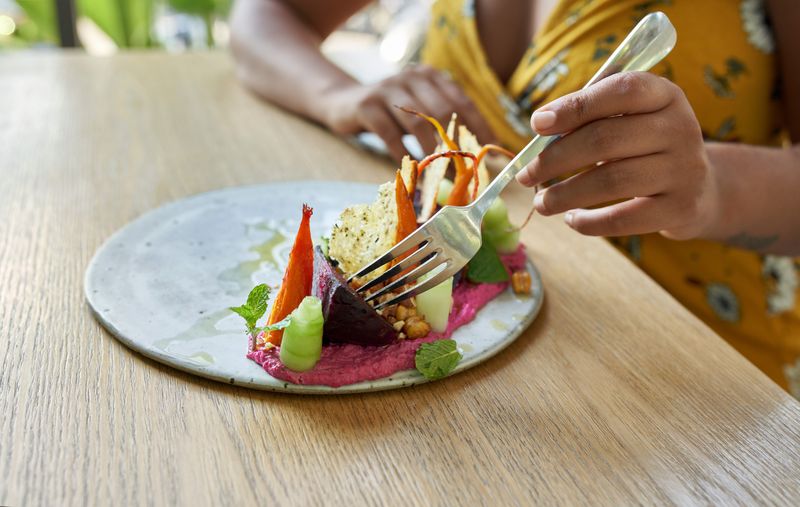
Dietitian Jennifer Low predicts a move away from calorie-counting apps and wearable trackers, encouraging people to reconnect with natural hunger and fullness signals instead.
She explains that constant tracking can increase anxiety around food and create rigid eating rules, while internal awareness, known as interoception, supports healthier long-term habits.
Jennifer encourages slowing down at meals, noticing physical cues, and allowing flexibility rather than relying on numbers to dictate eating decisions.
5. Why 2026 Could Become The Year Of Beans
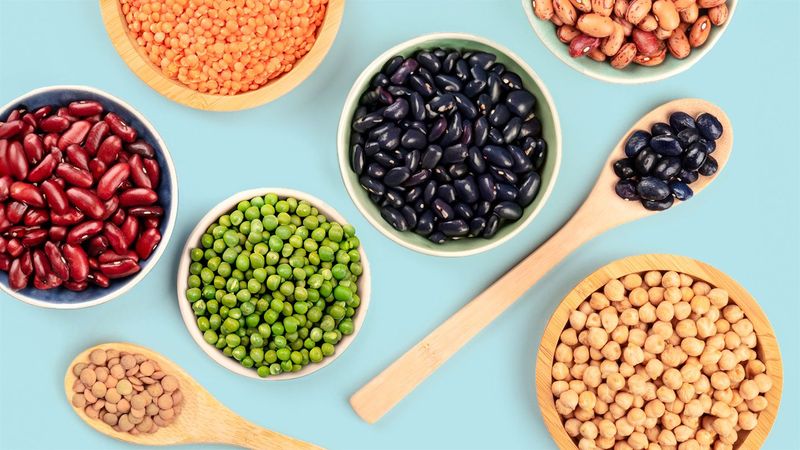
Lucy Jones, chief clinical officer at Oviva, believes beans and legumes will dominate everyday diets thanks to their affordability, sustainability, fibre content, and plant-based protein profile.
She highlights campaigns such as Bang In Some Beans, which aim to increase bean consumption across the UK.
Lucy explains that rinsing canned beans and gradually increasing portion sizes can help reduce digestive discomfort, making it easier for households to include lentils, chickpeas, kidney beans, and pulses in regular meals.
6. Prioritising Nutrient-Dense Eating
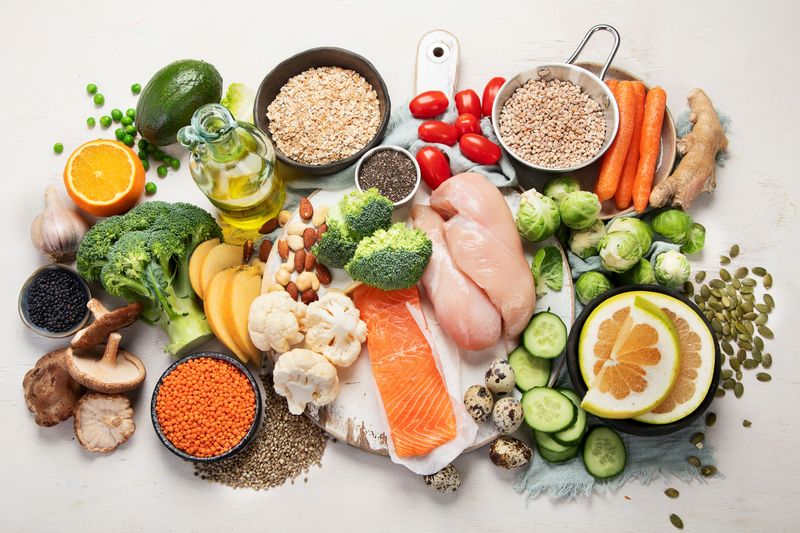
Nutrition scientist Bridget Benelam from the British Nutrition Foundation expects greater focus on nutrient-rich foods, especially for people using weight-loss medications that can reduce appetite.
She emphasises the importance of choosing foods that deliver vitamins, minerals, and protein within smaller portions, such as lean meats, fish, dairy or fortified alternatives, wholegrains, beans, and leafy vegetables.
Bridget notes that maintaining balanced nutrition supports long-term wellbeing alongside weight management goals.
7. Choosing Natural Plant-Based Foods Over Ultra-Processed Alternatives
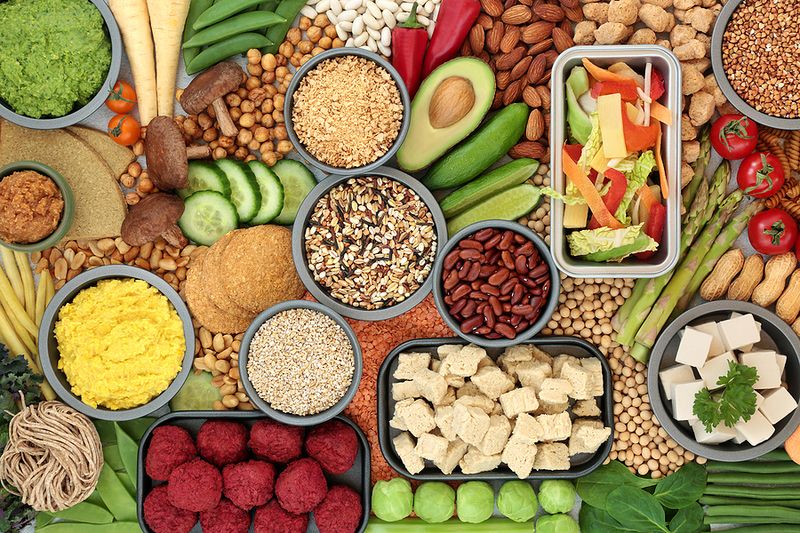
Registered dietitian Juliette Kellow predicts a shift away from highly processed meat substitutes towards simpler plant-based foods such as beans, lentils, nuts, seeds, tofu, and whole vegetables.
She explains that while some processed alternatives still have a place in balanced diets, many shoppers are now prioritising shorter ingredient lists and lower saturated fat levels.
Juliette advises checking nutrition labels carefully and focusing on overall nutritional quality rather than avoiding processed foods entirely.