









Naturally cultured foods have been part of everyday cooking across many cultures for centuries, valued for both preservation and flavour development. These foods are created through controlled fermentation, which can introduce beneficial bacteria and support digestibility in certain diets.
From vegetables and dairy to grains and legumes, cultured foods appear in a wide range of regional dishes and traditional meal patterns. Understanding where these foods come from and how they are used offers helpful insight into their continued presence in global cuisines.
All information is provided for general interest only and does not replace professional medical or nutritional advice. Individual tolerance to fermented foods may vary.
Anyone with dietary or digestive concerns should consult a qualified healthcare professional. Photos are for illustrative purposes only.
1. Yoghurt

Creamy, tangy, and ridiculously versatile, yoghurt starts life as milk transformed by friendly bacteria. Originating in Bulgaria and the Middle East, it's now a breakfast staple worldwide.
The fermentation process thickens the milk and creates that signature sour taste. Live cultures like Lactobacillus bulgaricus and Streptococcus thermophilus work their magic, breaking down lactose and producing gut-friendly probiotics.
You can dollop it on granola, blend it into smoothies, or use it as a base for savoury sauces and marinades. It's packed with protein, calcium, and B vitamins, making it a nutritious choice for any meal.
2. Kefir
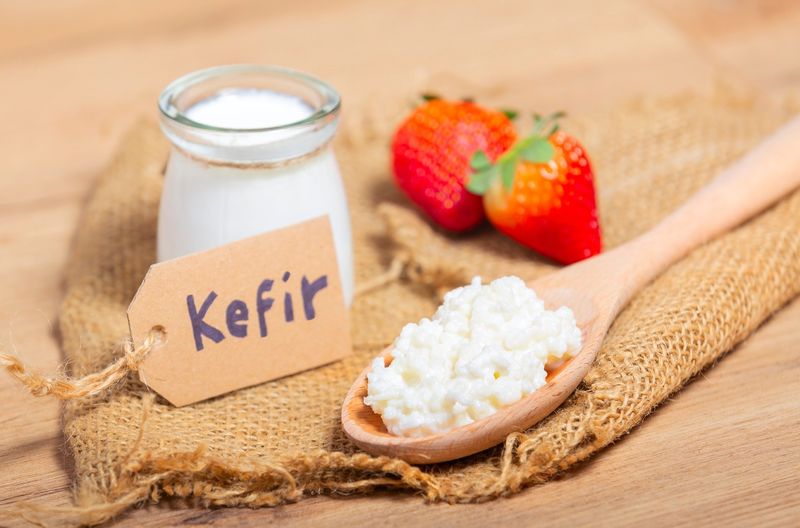
Picture yoghurt's tangier, drinkable cousin, and you've got kefir. This fermented milk drink hails from the Caucasus region, where shepherds discovered it centuries ago.
Kefir grains, which look like tiny cauliflower florets, contain a mix of bacteria and yeasts that ferment the milk. The result is a fizzy, slightly sour beverage that's thinner than yoghurt but just as probiotic-rich.
It's brilliant for your gut microbiome, offering a wider variety of beneficial bacteria than most yoghurts. Drink it straight, blend it into smoothies, or pour it over cereal for a tangy breakfast boost.
3. Sauerkraut
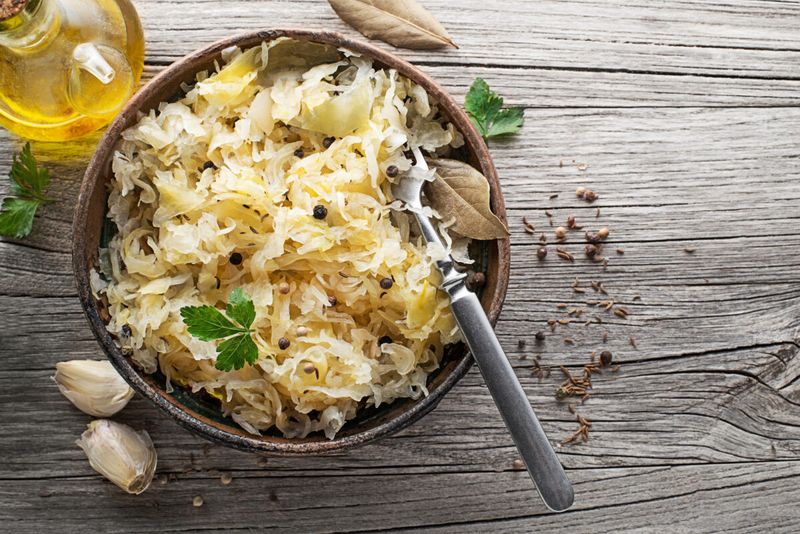
Finely shredded cabbage meets salt and time, resulting in Germany's beloved sauerkraut. This crunchy, sour side dish has been a staple for centuries, especially during harsh winters when fresh veg was scarce.
Lactic acid bacteria naturally present on the cabbage leaves do all the work, transforming it into a tangy, probiotic powerhouse. The fermentation process also boosts vitamin C levels, which helped prevent scurvy on long sea voyages.
Serve it alongside sausages, pile it on sandwiches, or eat it straight from the jar. Its sharp, vinegary flavour cuts through rich, fatty foods beautifully.
4. Kimchi
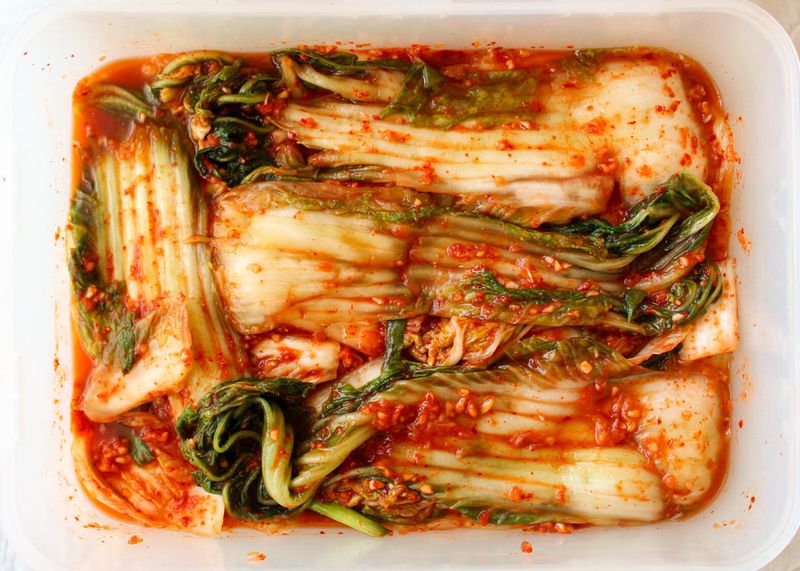
Korea's national treasure, kimchi, is a fiery, funky fermented vegetable dish that packs serious flavour. Napa cabbage and radishes get seasoned with chilli flakes, garlic, ginger, and fish sauce before being left to ferment.
The result is a spicy, tangy, umami-rich condiment that's as versatile as it is delicious. UNESCO even recognises kimchi-making as an Intangible Cultural Heritage, highlighting its cultural significance.
It's loaded with vitamins A and C, plus probiotics that support digestion. Eat it as a side dish, stir it into fried rice, or add it to soups and stews for an extra kick.
5. Miso
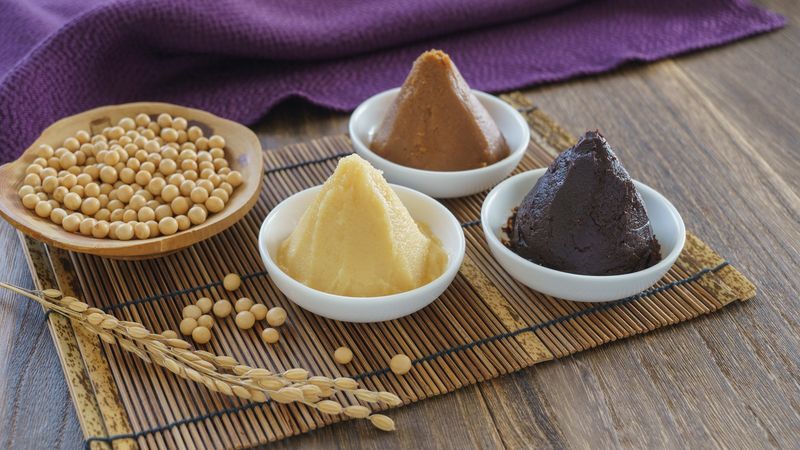
This thick, savoury paste is a cornerstone of Japanese cooking, made by fermenting soybeans with salt and koji mould. The fermentation can take anywhere from a few months to several years, depending on the variety.
Miso ranges from sweet and mild (white miso) to deep and earthy (red miso). It's packed with umami, that elusive fifth taste that makes food deeply satisfying.
Stir it into soups, whisk it into salad dressings, or use it to marinate fish and vegetables. Beyond flavour, miso offers probiotics, protein, and essential minerals like manganese and zinc.
6. Tempeh
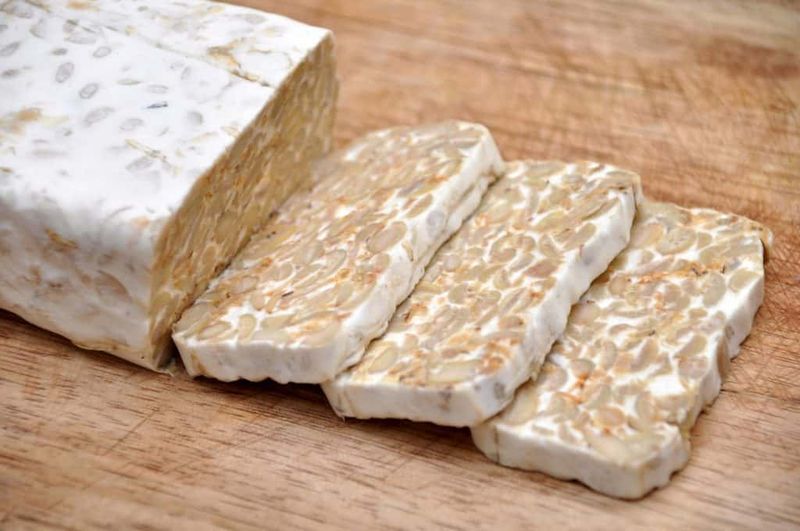
Hailing from Indonesia, tempeh is a firm, nutty soybean cake created through controlled fermentation. Whole soybeans are bound together by a white mould called Rhizopus, forming a dense, protein-packed block.
Unlike tofu, tempeh has a hearty texture and earthy flavour that holds up brilliantly in stir-fries, curries, and sandwiches. The fermentation process makes the soybeans easier to digest and boosts their nutritional value.
It's an excellent source of plant-based protein, fibre, and probiotics. Slice it, marinate it, then fry or bake it until golden and crispy for maximum deliciousness.
7. Natto
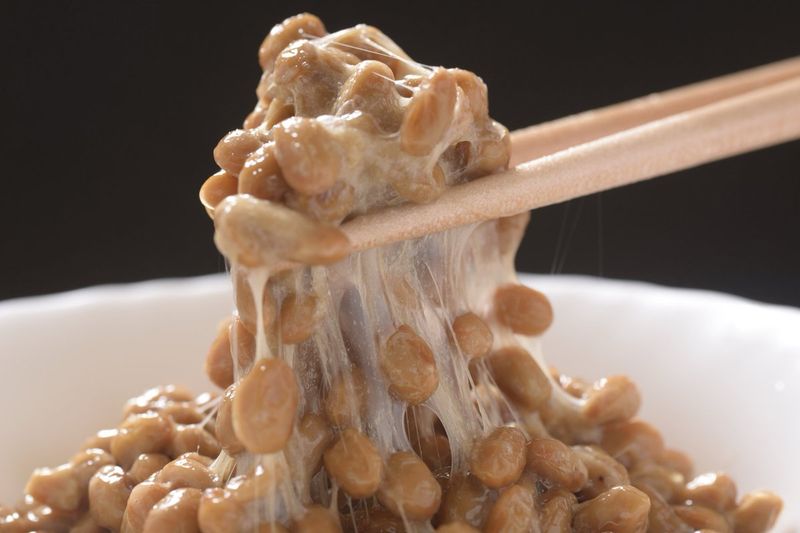
Not for the faint-hearted, natto is Japan's famously sticky, pungent fermented soybean dish. Bacillus subtilis bacteria work their magic on steamed soybeans, creating long, gooey strings and a strong, acquired taste.
Many Japanese folks eat it for breakfast, stirred vigorously and served over rice with soy sauce and mustard. It's an absolute powerhouse of nutrition, loaded with vitamin K2, which supports bone health.
The texture and smell can be off-putting at first, but natto devotees swear by its health benefits and unique umami flavour. Give it a go with an open mind and maybe a clothes peg handy.
8. Kombucha
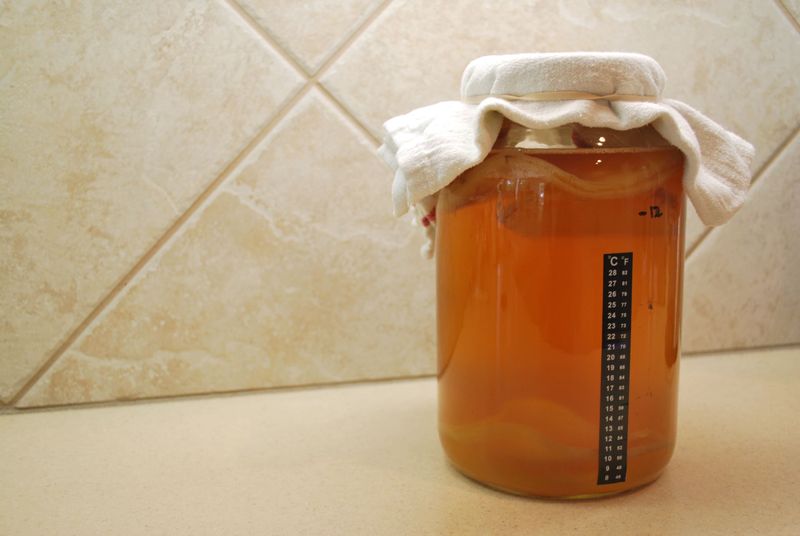
Fizzy, tangy, and slightly sweet, kombucha is a fermented tea drink that's taken the wellness world by storm. It starts with sweetened black or green tea, which is fermented using a SCOBY, a symbiotic culture of bacteria and yeast.
The SCOBY looks like a rubbery pancake and transforms the tea into a lightly effervescent beverage packed with probiotics. Originating in China, kombucha has been consumed for over two thousand years.
Flavours range from plain and earthy to fruity and floral, depending on added ingredients. It's refreshing, low in sugar compared to fizzy drinks, and supports gut health beautifully.
9. Sourdough Bread
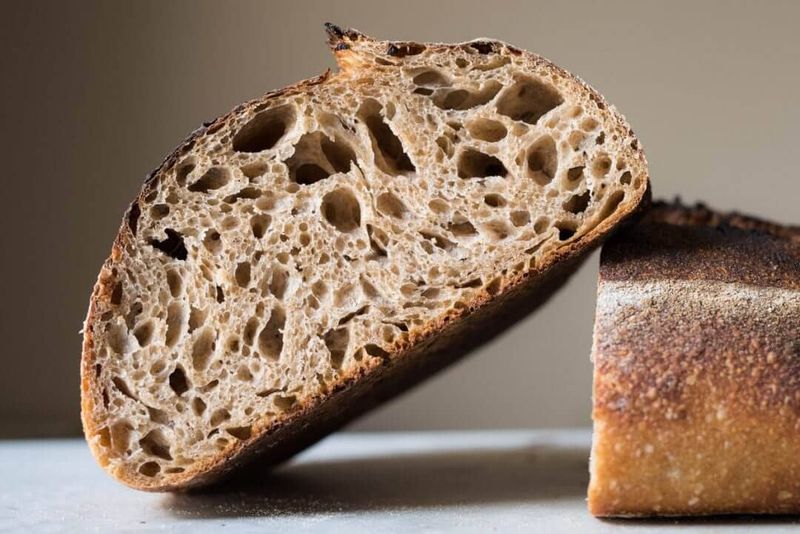
Crusty on the outside, chewy on the inside, sourdough bread is made using wild yeast and lactic acid bacteria instead of commercial yeast. The fermentation process gives it that distinctive tangy flavour and gorgeous texture.
Bakers maintain a sourdough starter, a living culture of flour and water that bubbles and grows over time. This ancient method makes the bread easier to digest and lowers its glycemic index.
The slow fermentation also develops complex flavours and creates those beautiful air pockets inside. Toast it, slather it with butter, or use it for sandwiches that actually taste of something.
10. Naturally Fermented Pickles
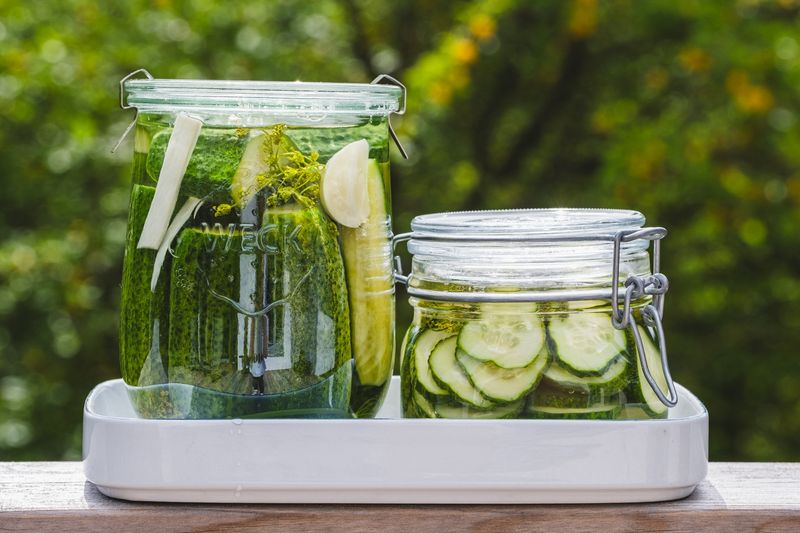
Forget the vinegary stuff from the supermarket; naturally fermented pickles are the real deal. Cucumbers are submerged in a salty brine, allowing lactic acid bacteria to work their magic over several days or weeks.
The result is crunchy, tangy pickles bursting with probiotics and flavour. This traditional preservation method has been used for centuries across Europe, Asia, and the Middle East.
They're brilliant as a snack, a sandwich topping, or a side dish. The brine itself is packed with beneficial bacteria and electrolytes, making it a popular post-workout drink in some cultures.